

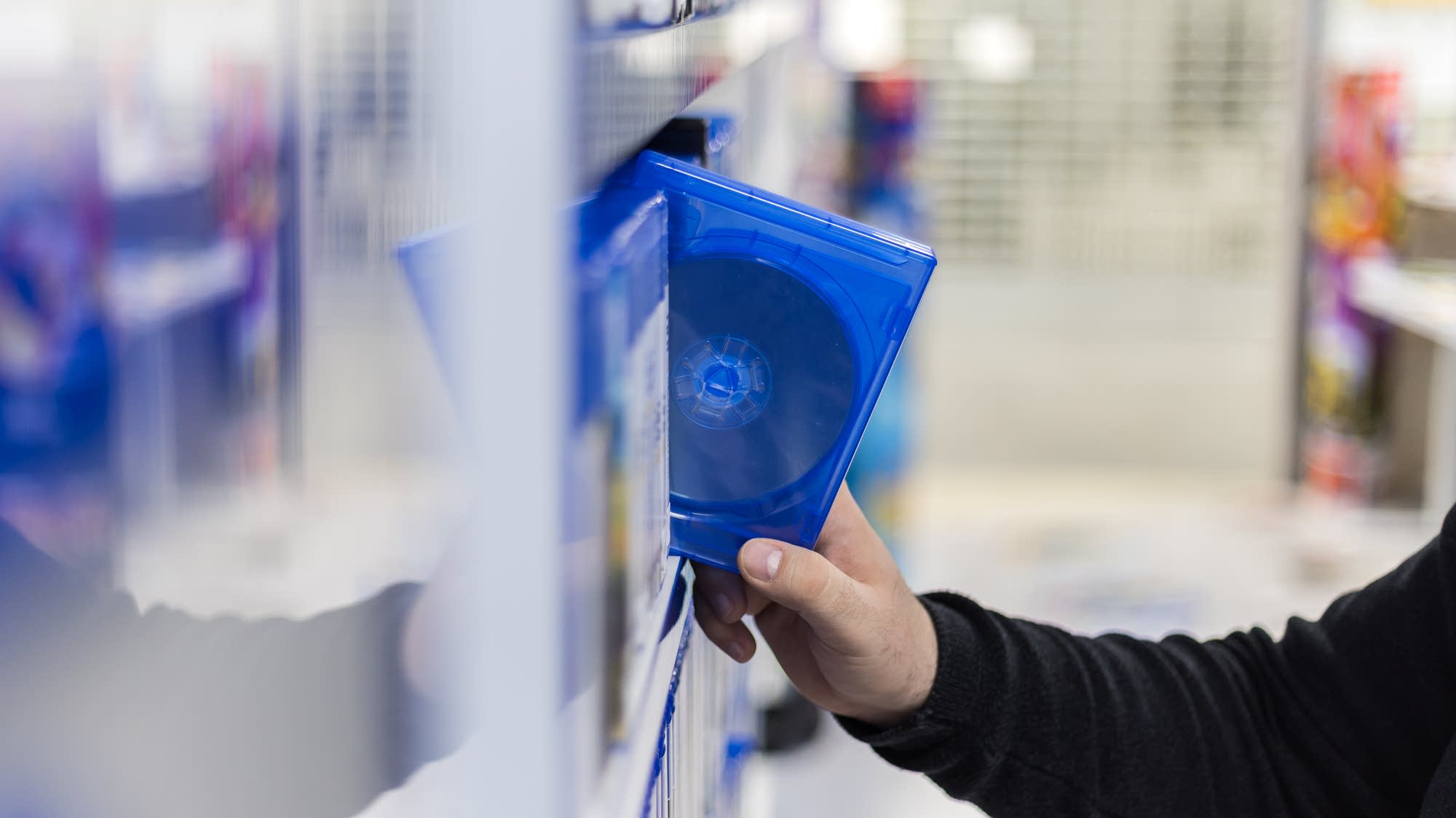
PlayStation games will no longer be available to buy as physical discs starting in 2028. The backlash from customers has been swift.
PlayStation announced earlier this summer that starting in 2028, its games will no longer be available to purchase as physical discs. Instead, the only option for consumers will be basically licensing a digital copy of the game.
That format isn’t new at all, but the announcement from PlayStation has gamers fired up.
Nitish Pahwa wrote about this for Slate. He’s a staff writer for business and tech there, and he joined “Marketplace Morning Report” host Kimberly Adams to talk about his story. The following is an edited transcript of their conversation.
Kimberly Adams:What’s been the reaction of the gaming community to this announcement?
Nitish Pahwa:It’s been pretty pitched. I actually was just checking this morning to see if PlayStation’s social media accounts across networks were still getting a deluge with negative comments after every post they do, no matter how unrelated. And they still are. People are really, really mad about this. There would always be this marketing language — especially from Sony, PlayStation — back in the 2000s, 2010s, that “We do this for the gamers.” When you buy something from us, you have it forever. That, I think a lot of people now see, is a betrayal of those exact principles.
Adams:What do you actually own when you are buying these kinds of licenses?
Pahwa:Well, nothing really. You are basically on rent for that digital license from the storefront, and they can take it off at any time. PlayStation has done this before with movies. Digitally, it’s very easy to just wipe out software.
Adams:Sony, the maker of PlayStation, wrote in its announcement that the change reflects consumer preferences. This idea that people want ease and convenience from digital downloads, and that essentially this is the way that all entertainment is going. How much of that is true?
Pahwa:Physical games were definitely making up a lower percentage of game sales just year after year, while digital downloads have made up the absolute bulk of sales. And I think you find that this reflects the consumer preferences of a lot of younger players. Gen Z, Gen Alpha players especially, because it’s just kind of intuitive to them. They’re used to having a pretty free digital game marketplace. Fortnite, Roblox — all these games are free to download. It’s on their computer or it’s on their console. A lot of the anger, a lot of the dedication tends to come from older players who have been with PlayStation for a while and felt like they had input into how the company made its decisions over time.
Adams:What recourse do consumers have if they don’t like this system?
Pahwa:Even if Sony itself does not reverse this decision, I think it also sends a message to other video game makers. Because PlayStation is the first video game company to really take a step like this. Like Nintendo hasn’t done this. Xbox has done all sorts of layoffs, but still hasn’t done this either. They like will probably look at this and think, “How do we try to appeal to these segments of our demographics? How do we make sure that we still cultivate the consumers who do like physical ownership and appreciate it?”
We reached out to PlayStation and Sony for comment but did not hear back before deadline.
The economics behind America’s fun shortage
Culture

The Las Vegas buffet, from 1946 to today
Culture
How NIL is changing the NBA Draft
Culture
