Back to News/Entertainment
Entertainment
Scrap Lanta Upcycling Workshop Redefines Cosplay Economics in Georgia
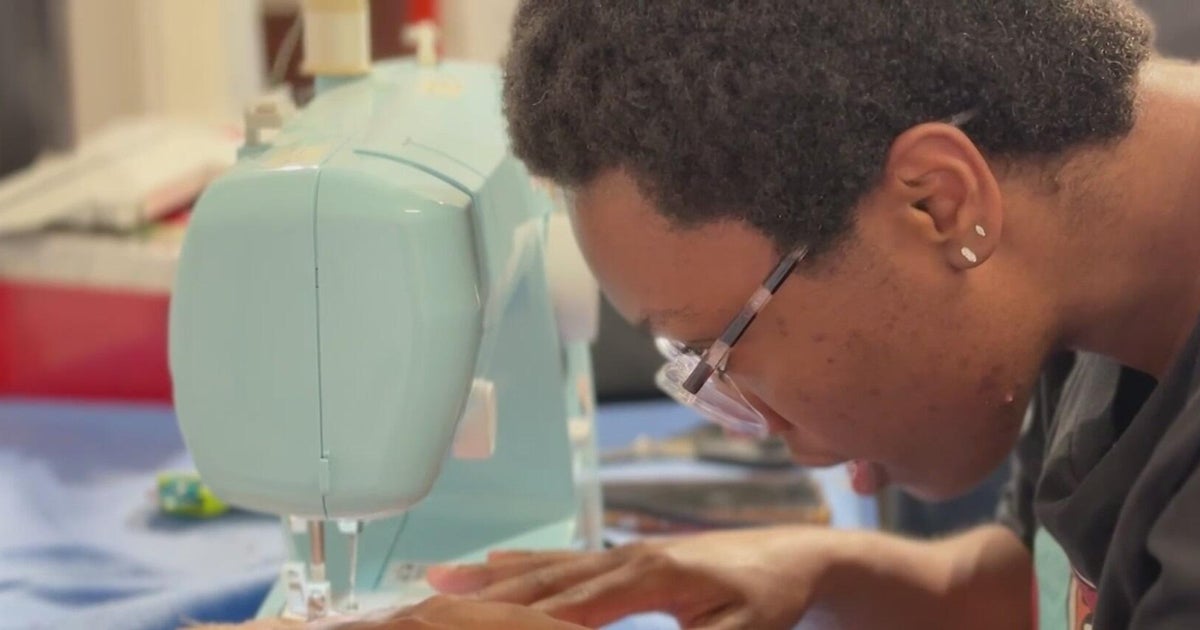
Scrap Lanta hosts a free Creative Reuse Cosplay Workshop at a Georgia library, teaching participants how to transform discarded materials into convention-ready costumes.
SFStreamline Feed OfficialVerified
Jul 21, 2026
Updated Jul 21, 2026
Reading
Follow on Google News
The rising cost of character creation has forced a paradigm shift within the global cosplay community, moving away from expensive synthetic materials toward sustainable upcycling. Scrap Lanta, a prominent environmental arts collective, is pioneering this transition by hosting a free Creative Reuse Cosplay Workshop at the Jonesboro Library in Georgia. The initiative aims to intercept discarded materials before they reach local landfills, transforming everyday cardboard and fabric scraps into intricate, publication-ready costumes.
For international observers, particularly those within East Africa’s thriving thrift economy, the concept mirrors the localized adaptation seen at Nairobi’s Gikomba market. Kenyan creatives routinely repurpose secondhand textiles—often transforming bales of imported clothing into bespoke garments. The Georgia workshop formalizes this exact process, proving that high-end character design does not require the astronomical budgets typically associated with modern pop culture conventions.
The Economics of Character Creation
The financial barrier to entry for amateur cosplayers has risen sharply over the past decade. Industry data indicates that a meticulously crafted, convention-ready costume can cost upwards of USD 400, equivalent to approximately KES 52,000. This expenditure encompasses specialized thermoplastics, high-density EVA foam, premium wigs, and custom hardware. Scrap Lanta’s intervention disrupts this economic model by utilizing a zero-cost materials supply chain.
The first phase of the Scrap Lanta methodology focuses on identifyingtrained to recognize the structural potential in items that are typically discarded. This systematic approach ensures that the foundation of every costume is robust enough to withstand the physical demands of convention attendance
- Corrugated Cardboard: Sourced from shipping boxes; utilized for base armor structuring, prop weapons, and rigid accessories.
- Discarded Linens: Recovered bedsheets and curtains; serves as base fabric for capes, tunics, and underlying garments.
- Plastic Packaging: Repurposed clamshell containers and bottles; transformed into transparent visors, glowing energy cores, and lightweight decorative elements.
- Industrial Offcuts: Donated fabric scraps from local upholstery businesses; used for texturing, reinforcement, and detailing.
Once materials are procured, the workshop transitions into the technical phases of construction. Adhesives play a critical role, but the focus remains on accessible techniques. Facilitators demonstrate how to layer thin sheets of cardboard using standard wood glue to create a composite material that mimics the durability of commercial thermoplastics. This layering technique, combined with precise scoring and folding, allows for the creation of complex, three-dimensional geometric shapes.
Fabrication also involves extensive surface treatment. Participants learn how to seal porous cardboard with inexpensive mixtures of household PVA glue and water, creating a smooth surface ready for acrylic painting. This sealing process is vital, as it prevents moisture absorption and ensures the longevity of the final piece. The workshop avoids expensive airbrushing systems, instead focusing on dry-brushing techniques with standard acrylics to simulate the weathering and battle-damage typical of fantasy and science-fiction armor.
The Global Thrift and Sustainability Bridge
The principles championed by Scrap Lanta resonate far beyond the American Southeast. In Kenya, the push towards a circular economy is gaining momentum, particularly in the fashion sector. The structural reliance on secondhand materials—locally known as mitumba—provides a direct parallel to the Georgia workshop. If a Nairobi-based collective were to adopt the Scrap Lanta model, the potential for youth engagement and skills development would be substantial.
Furthermore, the environmental imperative cannot be overstated. The global textile industry is responsible for an estimated 10 percent of humanity’s carbon emissions, and convention culture often contributes to this through the purchase of mass-produced, single-use costumes. The Creative Reuse Cosplay Workshop represents a scalable, community-level intervention against this trend. By equipping individuals with the skills to build from waste, Scrap Lanta is fundamentally altering the lifecycle of domestic refuse.
Expert Perspectives on Creative Reuse
Environmental sociologists have long argued that sustainable practices must be culturally integrated to be effective. The success of the Scrap Lanta initiative lies in its alignment with an existing, highly motivated subculture. Cosplayers are inherently re Channeling that dedication toward sustainable materials creates a powerful engine for environmental advocacy
Waste management professionals note that cardboard and textile recycling streams are frequently contaminated or overwhelmed. Diverting these specific materials at the consumer level—before they enter the municipal processing system—reduces local government expenditure and decreases the volume of incinerated or landfilled waste. The workshop, therefore, functions not just as an arts program, but as an active component of regional waste mitigation strategies.
Ultimately, the true value of the Jonesboro Library event extends beyond the physical costumes produced. It fosters a community ethos centered on ref creators is learning that imagination is the primary currency of design, rendering massive budgets obsolete in the face of innovative upcycling
The documents, data and reporting consulted for this article. Links open the original material so readers can inspect the evidence directly.
- 01CBS NewsNews report
Turn trash into cosplay treasures at this free Georgia workshopPublished 21 Jul 2026Accessed 21 Jul 2026- • Scrap Lanta hosted a free Creative Reuse Cosplay Workshop at Jonesboro Library.
- • The event aimed to keep reusable materials out of landfills.
Hot discussions around this story
Keep the conversation in one place—threads here stay linked to the story and in the forums.
Fresh thread
No linked discussion yet. Start one without leaving this page.
Start a conversation about this story and keep it linked here.
E-sports and Gaming Community in Kenya
The Role of Technology in Modern Agriculture (AgriTech)
1030176Agriculture & Food Security
Popular Recreational Activities Across Counties
Investing in Youth Sports Development Programs
You Might Also Like
The Rolling Stones Tie the Beatles as the Biggest Band in UK Official Albums Chart History

Nollywood Star Bimbo Ademoye Exposes the Silent Struggles Behind Filmmaking