- Share
- Tweet
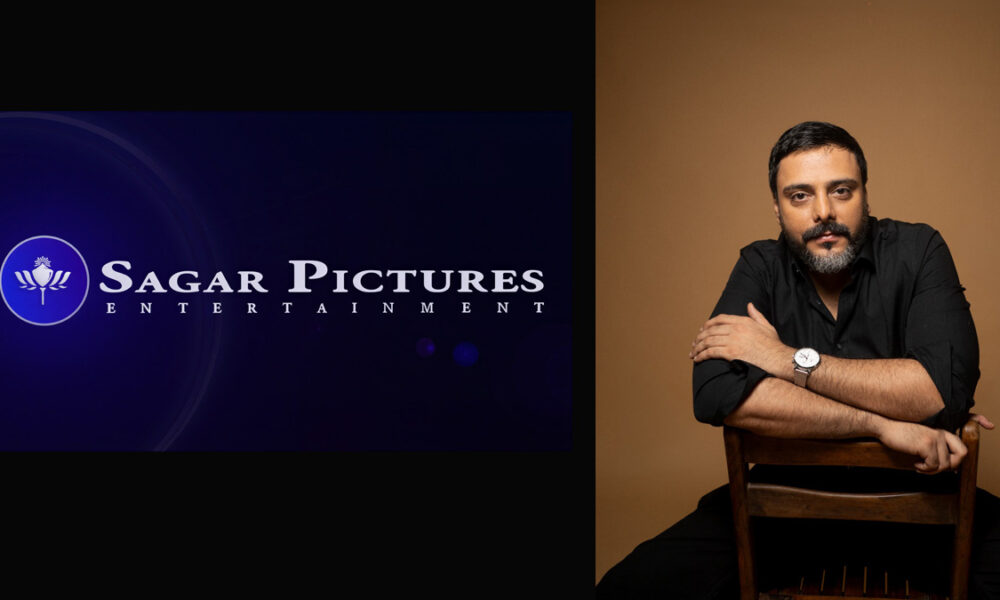
MUMBAI: Every Sunday morning in 1987, India came to a standstill for a man in a chariot. Ramanand Sagar’s Ramayan emptied streets, delayed weddings and, decades later, drew record lockdown audiences when Doordarshan reran it in 2020. That devotional pedigree is now the launchpad for a considerably less pious ambition. Sagar Pictures Entertainment (SPE), the studio built on that legacy, has announced it is going global, ditching the label of television producer for something grander: an intellectual-property empire spanning films, gaming, music, theme parks and consumer products. If that sounds suspiciously like the Disney playbook, that is because it is.
The pitch, delivered by Akash Sagar Chopra, chief executive, is that India’s mythology is an underexploited goldmine of stories — “timeless” and “profoundly spiritual,” in his words — ripe for reimagining as world-class cinema rather than saffron-tinged Sunday telly. The studio’s opening gambit is Shrimad Bhagavatam, a seven-part cinematic franchise based on the Bhagavata Purana, pitched as the first live-action feature adaptation of the text and designed, tellingly, for “premium large-format exhibition.” Think less devotional serial, more scripture as tentpole.
The strategic logic is sound enough on paper. Marvel proved that a shared universe of interlinked stories keeps audiences returning long after any single film has left cinemas; Disney proved that owning a fictional world outright, rather than licensing it, is where the real money sits — in theme parks, merchandise and streaming, not box-office receipts alone. India’s epics offer source material that Hollywood would envy: instantly recognisable characters, built-in emotional stakes and, crucially, no rights holder to pay off. Every Indian household already knows how the story ends, which is either the franchise’s greatest asset or its biggest creative constraint, depending on how much reinvention the audience will tolerate.
SPE is not starting from nothing. Under chairman and director Moti Sagar, the group has produced more than 55 television series and 25-odd feature films across seven decades, reaching, by the studio’s own reckoning, over a billion viewers in India and the diaspora. That is a formidable content library and an even more formidable brand of trust among audiences who grew up on the Sagar name. What it does not obviously have is the balance-sheet muscle of a Disney or the platform reach of a Netflix, both essential ingredients for the multi-format, multi-geography ambitions now being promised. Building theme parks and consumer-product lines around Hindu scripture is a considerably more capital-intensive enterprise than producing a weekly serial, and the announcement is notably light on numbers — no budget, no timeline for the seven Shrimad Bhagavatam instalments, no word on financing partners.
There is also a subtler risk in the pivot. Mythological content thrives on reverence, and reverence does not always travel well when stretched across gaming apps, merchandise counters and immersive experiences aimed at global, not just Indian, audiences. Marvel could turn superheroes into lunchboxes without offending anyone’s faith; adapting the Bhagavata Purana into a franchise with sequels, spin-offs and consumer products invites a scrutiny that ordinary intellectual property never faces. SPE’s answer, for now, is to promise fidelity to “authenticity and values” while reaching for a scale that inevitably commercialises the very material it claims to revere. Whether audiences read that as ambitious stewardship or franchise creep will decide whether Shrimad Bhagavatam becomes India’s answer to the Marvel Cinematic Universe, or simply a very expensive one-off.