

I analyzed how Hollywood’s wave of M&A could change the Emmy landscape, interviewed AMC content chief Dan McDermott and wrote about the slow start for Mindy Kaling’s Hulu comedy Not Suitable for Work. I’m lesley.goldberg@theankler.com
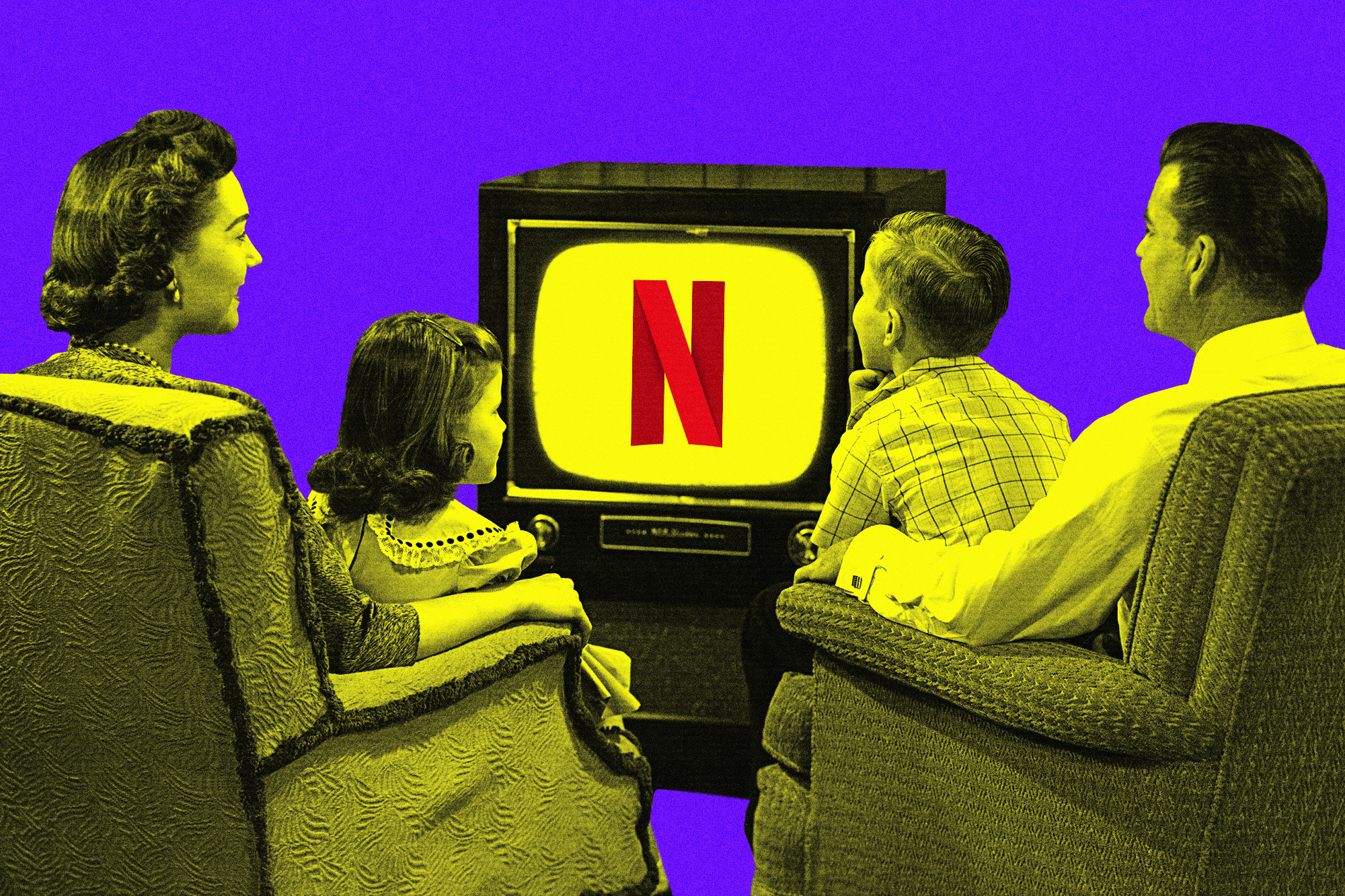
About a decade ago, respected former network scheduler Preston Beckman took a meeting with Netflix marketing execs and pitched the team what today are known as free ad-supported channels (FAST) in a bid to help improve the streamer’s programming curation
“It was more about the way that Netflix was promoting and launching its shows; it was too random. If people enjoy mysteries, create a mystery channel and run episodes before something comes back,” says Beckman, who spent 35 years in the broadcast trenches including scheduling oversight during NBC’s “Must-See TV” era of Friendsand ER. “None of the streamers do a good job of curating and preparing you for what’s coming up because they don’t want to be what they’re becoming — which is the broadcast model.”
While Beckman is loath to take an “I told you so” victory lap, it came as no surprise to the exec-turned-consultant that Netflix isnow exploring live TV and bundling in a bid to combat engagement woes that have taken a big bite out of season two viewership for shows like Beef, The Four Seasonsand The Night Agent. With the streamer’s next “What We Watched” data dump expected Thursday, timed to its Q2 earnings report and call, we’ll soon have more detail on how deep those engagement challenges run. (I’ll have more on what people have — and haven’t — been watching in Friday’s TV in 3.)
“They assume the viewer will find programming, and they don’t,” Beckman tells me. “For me, you drop the show [on streaming], and it very quickly fades from the conversation; it seems like a mistake. That’s not how television has ever worked. Yes, at the beginning, dropping all the episodes of House of Cards and Orange Is the New Blackwas cool. But coolness only gets you so far. How do people watch TV? How do you keep shows top of mind? Are we doing what needs to be done to keep shows top of mind?”
SUBSCRIBE
So, could Netflix’s famed binge model now be on the bubble?
The streaming giant has already experimented with its release patterns, pivoting hits including Stranger Things, Bridgerton and Wednesday from a binge drop to a “volume” release in which seasons are divided into chunks. The final season of Stranger Things, for example, was split in three last year, with four episodes launching the night before Thanksgiving, followed by three on Christmas Day with the series finale out on New Year’s Eve. For a scripted show, it was the closest thing to a weekly rollout since Netflix entered the originals field in early 2013. What’s more, Netflix actuallyconsidered pivoting to a weekly drop before shifting to the holiday triple play.
For today’s Series Business, I spoke with multiplerules of broadcast — as HBO Max has done with Emmy darling The Pitt — could be the easiest, most economical and fastest solution
- How new data is “forcing a reckoning” at Netflix even as the binge model remains a “core tenet”
- The tension between consumer choice and building a watercooler hit
- Debate inside Netflix about the best way to re-engage viewers and make more noise with shows
- The internal frustration over a platform hit show that isn’t creating buzz: “The pressure is big to get into the zeitgeist”
- All the ways that weekly episodes can lift a series, especially with less time between seasons
- How other streamers, originally beholden to the binge, have tailored new release strategies to shows’ and audiences’ needs
- The scramble for solutions to drive engagement: podcasts, games and legacy publisher-made content with Netflix stars
Don’t stop here
Unlock the full story — and the no-spin reporting Hollywood trusts
Unlock access
Already a subscriber?
Log in.
