My feelings on Civilization VIIhave, I hope,been made very clear at this point: I don’t like it. I think it’s an extremely <a href="https://comicvibe.com/crunchyrolls-dark-action-anime-hit-gets-disappointing-season-2-update/” title=”Crunchyroll's Dark Action Anime Hit Gets Disappointing Season 2 Update”>disappointing video game, one that doesn’t just fail to understand or build on the series’ legacy, but actively takes several steps away from it
Look upon this work, and despair
AftermathLuke Plunkett
The last time I wrote about the game, when a number of big announcements had been made promising key updates, I said that while there’s a lot of stuff Firaxis can and should be doing to tidy it up around the edges, most of its biggest issues cannot be solved through updates, because those issues are baked into the game’s foundations
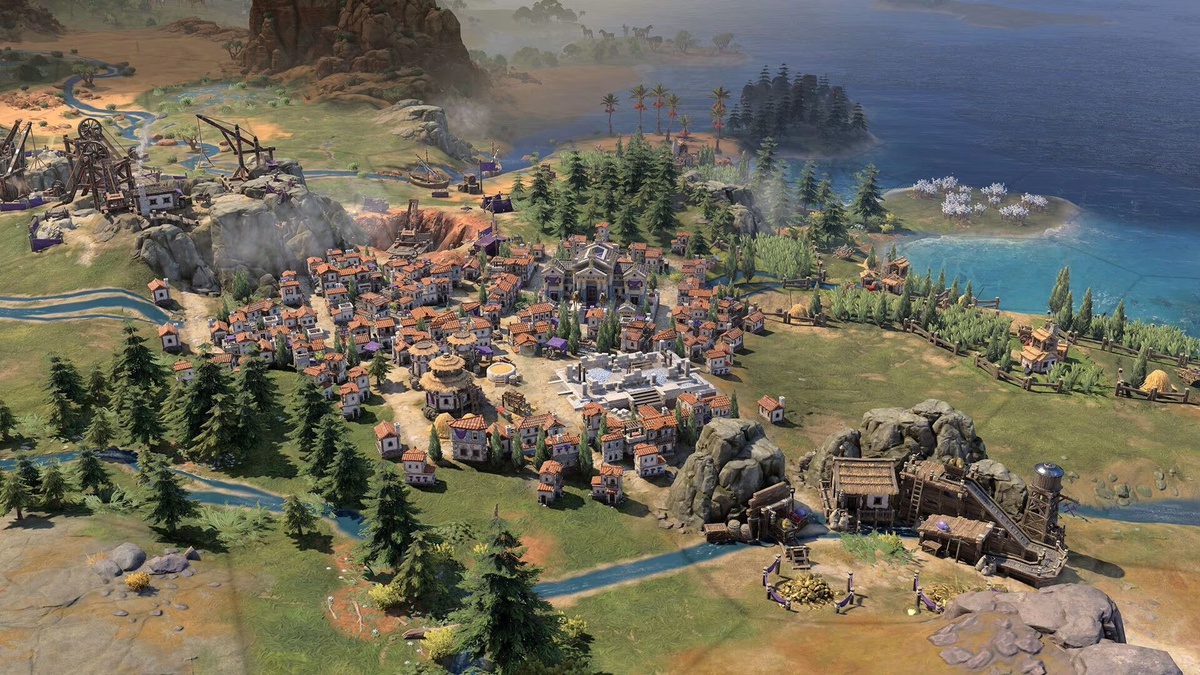
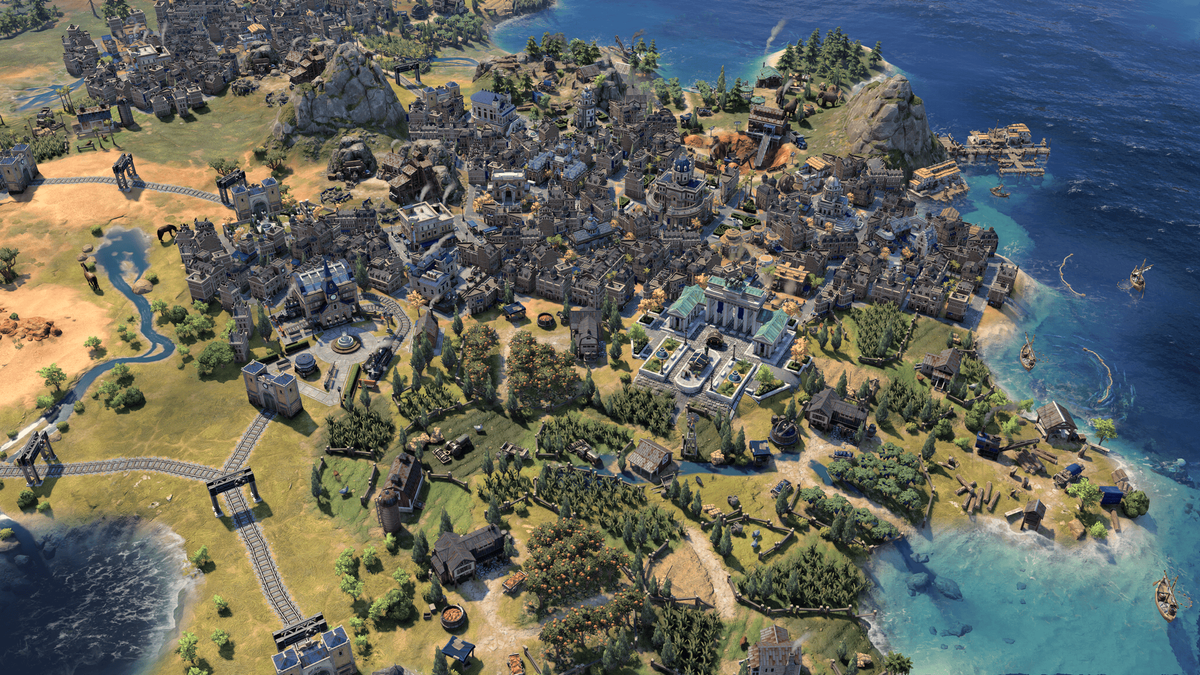
Having now played through a few games featuring those changes (most of them bundled into the Test of Time update, released a few weeks ago), my point still stands. Civilization VII’s most frustrating pitfalls are still there, and will always be there. Diplomacy, once an antagonistic joy you’d have thrust upon you by exuberant characters, remains a lifeless bartering system more interested in numbers than emotion. The ‘Ages’ system, which breaks every playthrough into three distinct chapters, is still creating weird bottlenecks and is forcing you to play the game in certain ways. And the city-building meta remains a farce, both for how disproportionately important it is and how ridiculous it makes the game map appear.
Firaxis has spent too long listening to the wrong fans, and Civilization is paying the price
AftermathLuke Plunkett
What Test of Time (and other, smaller updates in the months prior) have tried to do is address some of the stuff they canaddress. The most noted of these (it’s in the name!) is the fact the player now has the option of playing as the same Civ across all three eras. Previously, you (and your opponents) would be forced to change twice, robbing your games of any sense of continuity. I know this sounds minor, but it’s a big deal; Civ VII, and Humankindbefore it, really suffered from this because decoupling the faction from the leader meant you were really just taking on some guy, instead of a whole civilization led by some guy. It feels really flat! This was especially disastrous for Civ VII, where the leaders are so juiceless compared to V andVI’s.
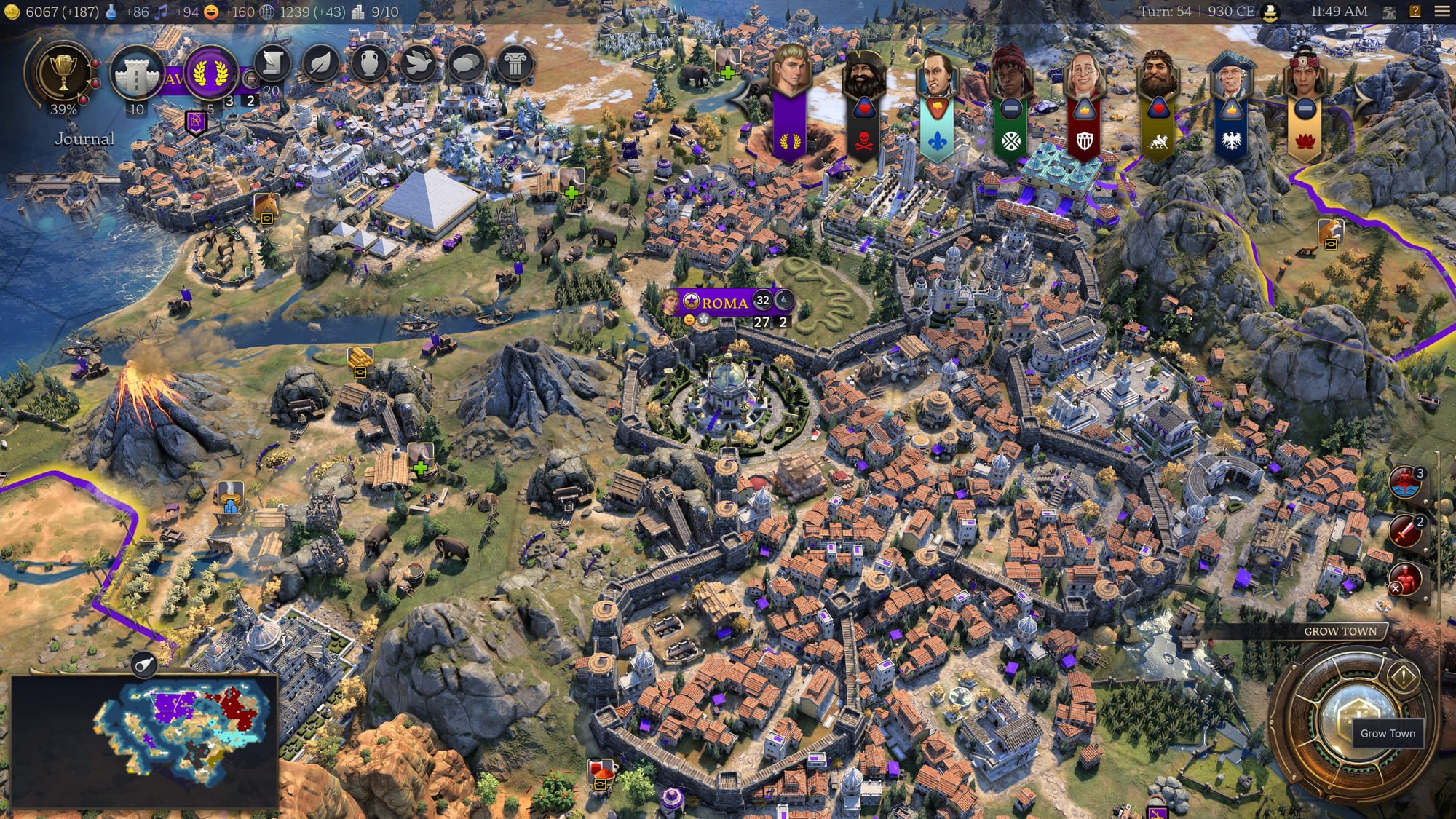
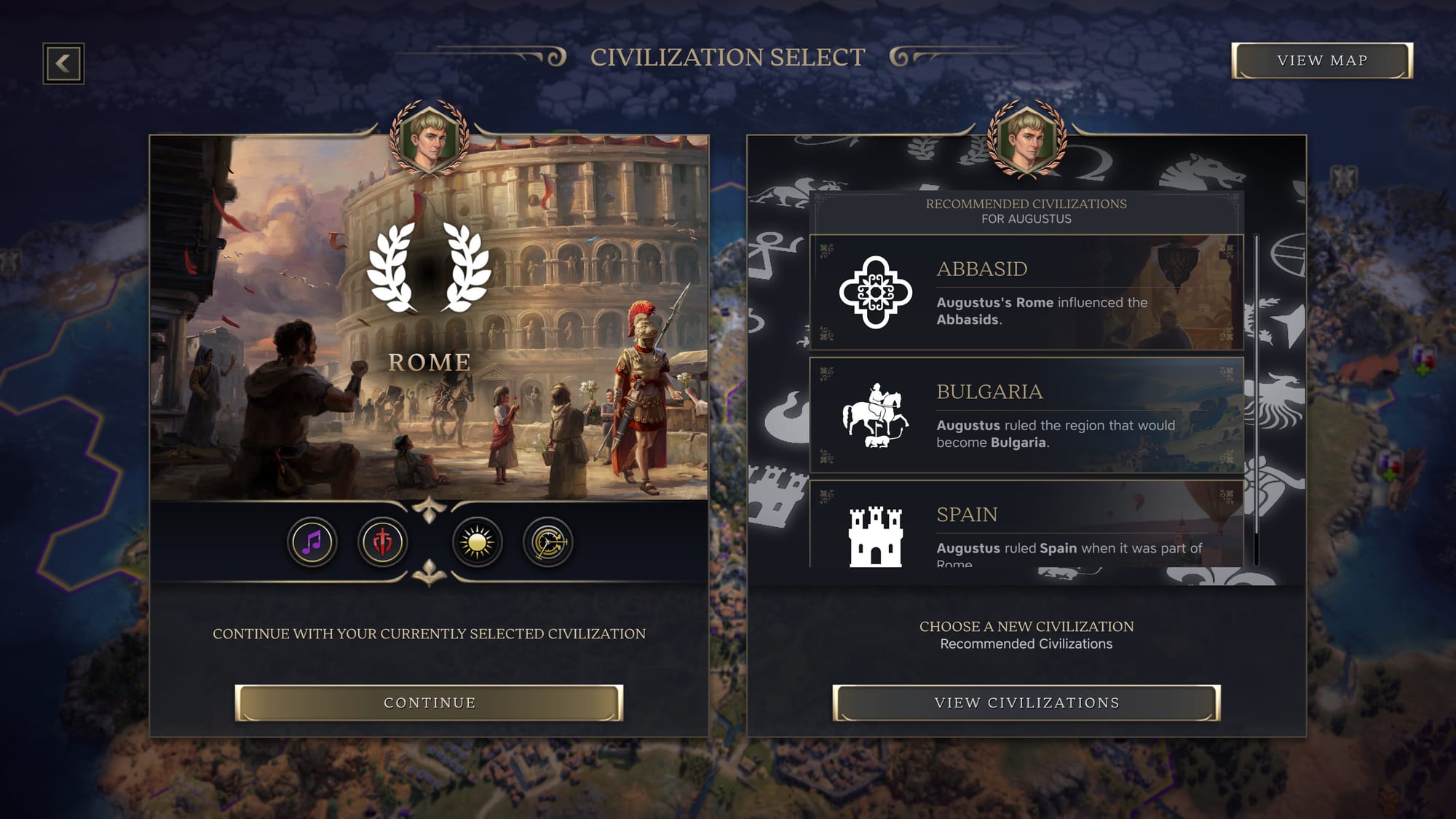
Now, when it’s time for an Age to tick over, you’re given a choice: stick with your current Civ, or change to a different (though usually somewhat related) one. You’re not really disadvantaged either way, but it certainly felt more satisfying to have selected Rome at the start of the game and be able to keep playing as Rome throughout, rather than branching off into some other nation
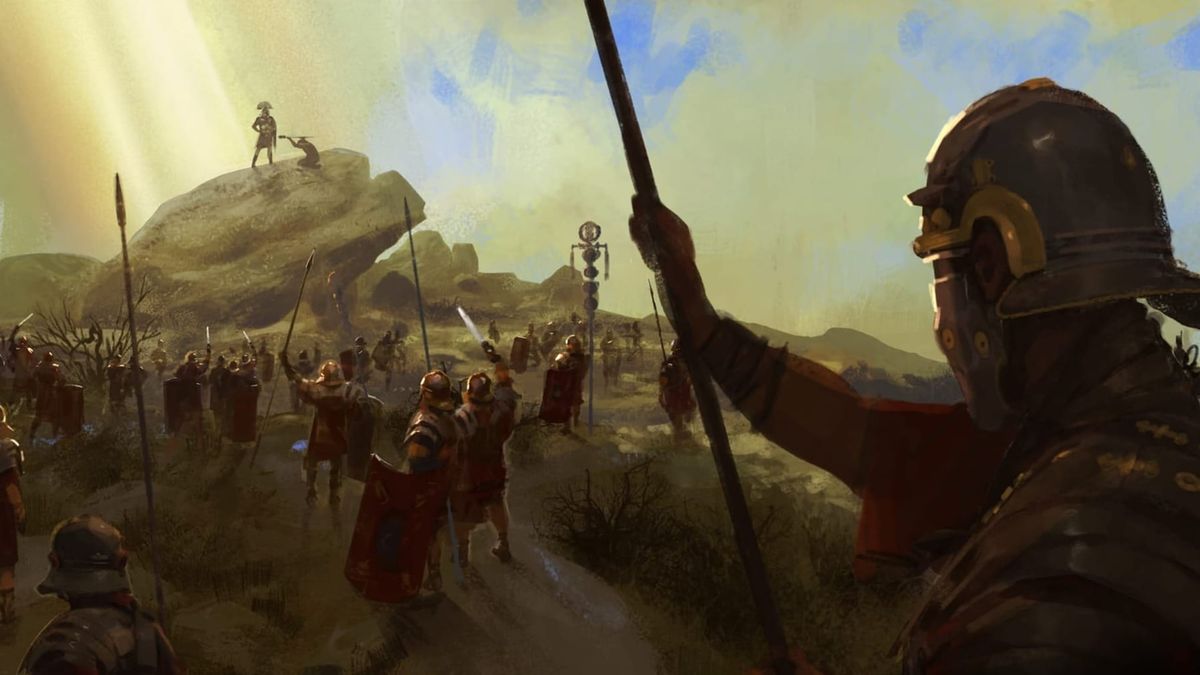
Another priority for these recent updates is trying to bring the game up to a more polished and complete state. One of the weirdest things about playing Civ VIIat launch was that the whole thing seemed so unfinished. The interface looked flat and temporary, and was missing a ton of features, while a lot of the game’s art–including pieces making it into key cutscenes–looked more like rough lunchtime sketches than polished, in-game paintings
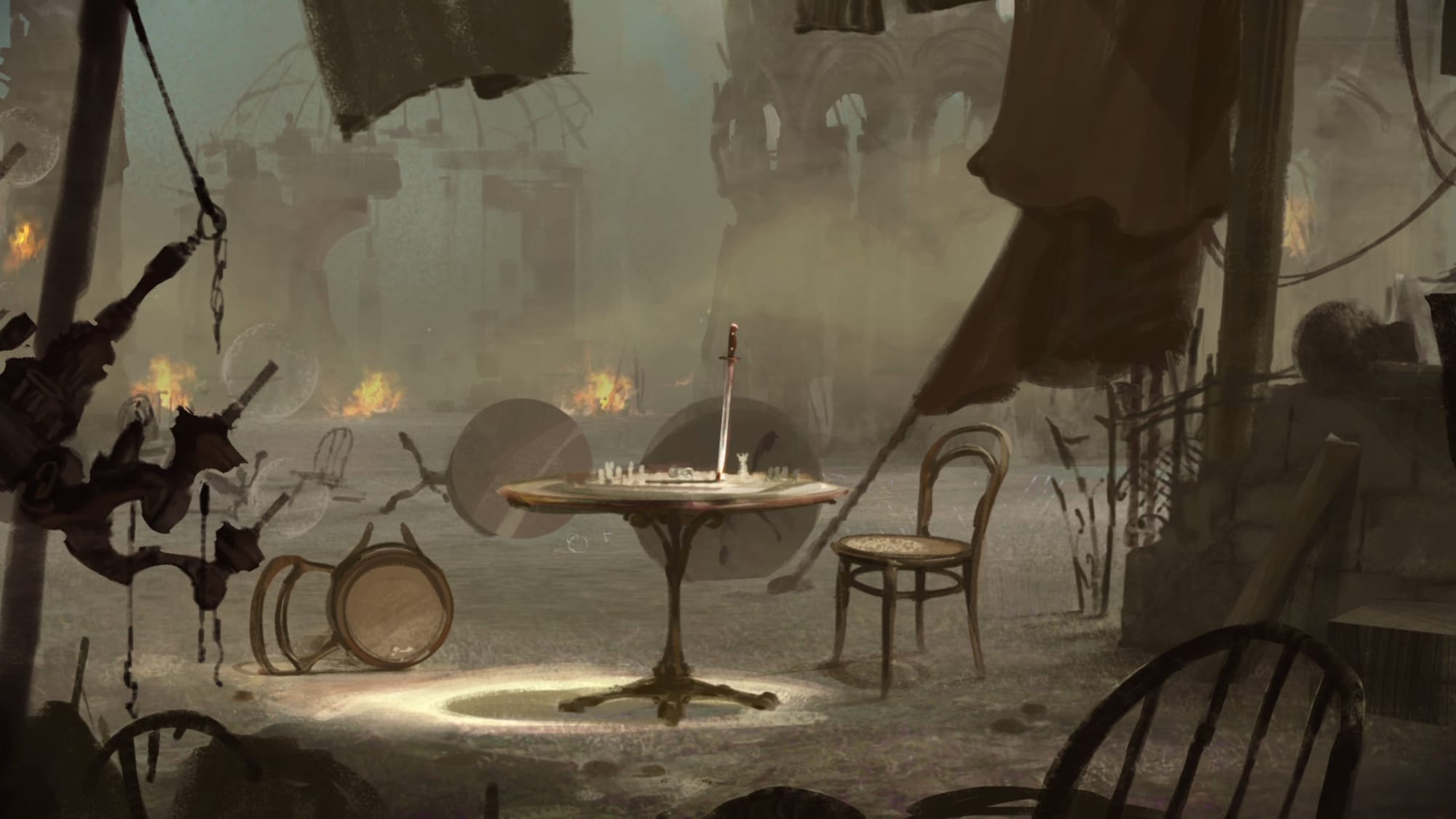
Some of this is better now. Stuff like loading screens containing more information is a step in the right direction, while the game’s resources and trade systems have been improved via clearer functionality and more information being displayed via pop-ups. A panel of advisers can be toggled on and off (though they’re not terriblyuseful), while changes to triumphs (which replace legacies) and win conditions were so minor I barely noticed they’d been altered. That said, there are still gaping holes in the game’s presentation; a loss will still trigger a cutscene, for example, that is astoundingly cheap for such an expensive and important video game:
The sum total of all this is that over the last few weeks I played three games from start to finish, something I struggled to do at launch even when “reviewing” it (or whatever we call it on this site). The tweaks to resources and trade especially made a difference, as they gave me more mid-game busywork to indulge in (important in the absence of builders), and throughout all three games I found myself caught in that “one more turn” loop that shows, at the most basic, functional levels at least, there’s a 4X video game here. That Civilization VII is now approaching the state of being a “functional” 4X game is hardly praise, but it’s something.
A common mantra among Civ fans over the last 15 years (and this is more true of V than VI) has been that the games seem to launch OK, but reallystart to sing once they’ve got a couple of expansions under their belt. I don’t have the same hopes for Civ VII because as I keep saying it’s far from being “OK”, and I don’t think anything they paper over the top through expansions can cover the holes left gaping in the middle of its design. But Test of Timedoes at least show there’s a serviceable 4X game to be salvaged here, which is a depressing sentence to have to type given the context–we are talking about the biggest game in the genre here–but an optimistic one regardless.