

SPORT / MOTORSPORT
Chinese entertainment firm faces F1 fans’ backlash over logo design similarity
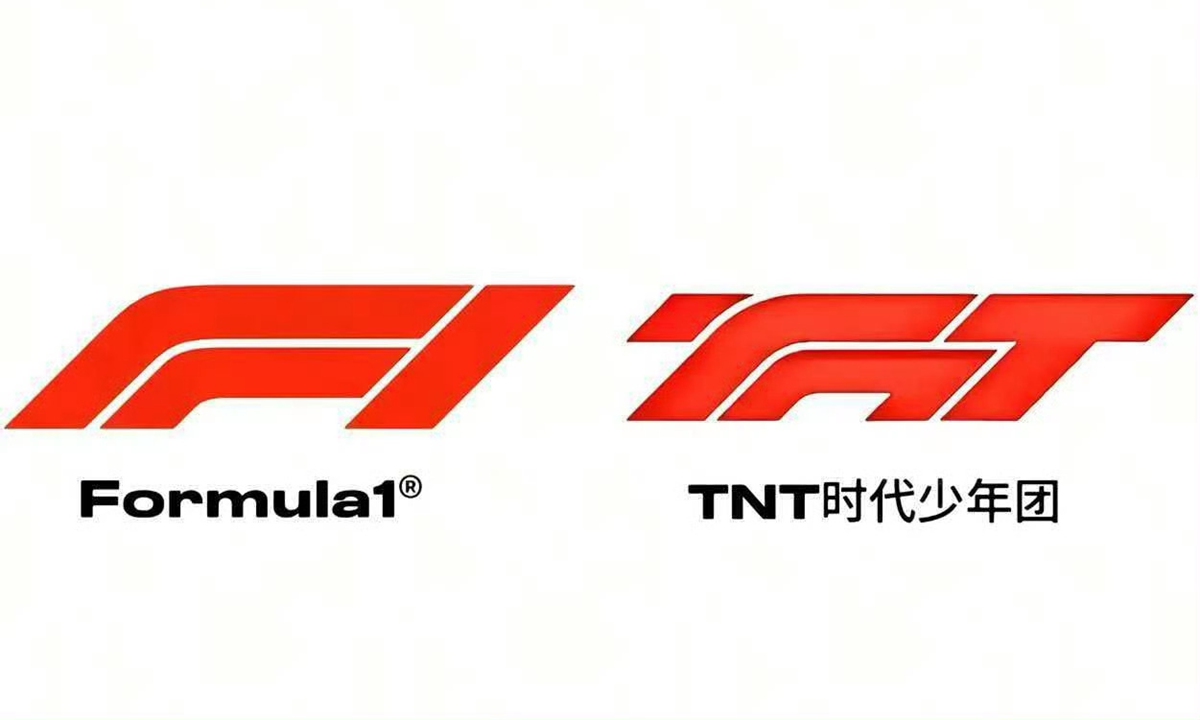
A screenshot circulating on Chinese social media compares the Formula One (F1) logo (left) with the logo used for the Teens in Times concert tour
Chinese entertainment company Time Fengjun Entertainment has come under scrutiny on social media after internet users accused its logo of bearing a strong resemblance to the branding of motorsport racing Formula One (F1), prompting online calls for the motorsport governing body to investigate the matter.The controversy surrounding a logo used by Time Fengjun, a Beijing-based talent agency known for managing popular idol groups including Teens in Times.The logo has been featured in promotional materials for the group’s concert tour in May, which adopted a motorsport-inspired theme incorporating racetrack imagery, checkered flags and racing-related visuals. The concert tour is scheduled to continue in August in Shanghai.On Chinese social media platforms such as Sina Weibo and RedNote, some users posted side-by-side comparisons of the agency’s new design and the iconic F1 logo, arguing that both feature a minimalist black-and-white style, forward-leaning typography and speed-line elements that create a similar visual impression. The comparisons have spread widely in Chinese F1 fan communities in recent days. Some F1 fans have also circulated posts on Instagram urging Formula One Management and the world motorsport governing body FIA to examine the logo, with one widely shared post alleging that the design copied the F1 trademark and calling on the governing bodies to take action.As of publication, neither F1, the FIA nor Time Fengjun had publicly commented on the online allegations. Legal experts said determining whether two logos infringe trademark rights requires assessing the overall commercial context, rather than comparing individual design elements in isolation.Yang Xun, an intellectual property lawyer and partner at Shanghai-based Llinks Law Office who specializes in intellectual property, told the Global Times that copyright and trademark claims should be analyzed separately.He said a copyright claim focuses on whether a later work copied the original work’s creative expression, rather than merely borrowing ideas or concepts. Proving both originality and copying of those original elements “remains an uphill battle,” he noted.Trademark analysis, by contrast, depends on factors including the similarity of the marks, the goods or services involved, and the reputation of the trademarks, Yang said.”F1 is a sports event brand, while Times Fengjun falls within the performance industry; the two do not necessarily fall within identical industries, so infringement cannot be readily determined,” Yang said. “However, the greater reputation a trademark bears, the greater scope of protection it receives.”Yang added that beyond trademark infringement, unfair competition should also be considered if the overall visual presentation closely imitates F1.”Even if consumers know that the two parties have no cooperative relationship, the overall visual impression naturally brings F1 to mind, which is tantamount to borrowing F1’s established commercial goodwill to endorse one’s own event,” he said.Li Jiayi, a senior lawyer at Liaoning Chenggong Jinmeng Law Firm, echoed that determining similarity between the two logos would require examining the overall circumstances, including how and where the logos were used, as well as whether they targeted overlapping audiences.
