

If you click on a link and make a purchase we may receive a small commission. Read our editorial policy
DC Comics is concerned about price-gouging, so is setting down new rules for comic stores & those retailer variant covers
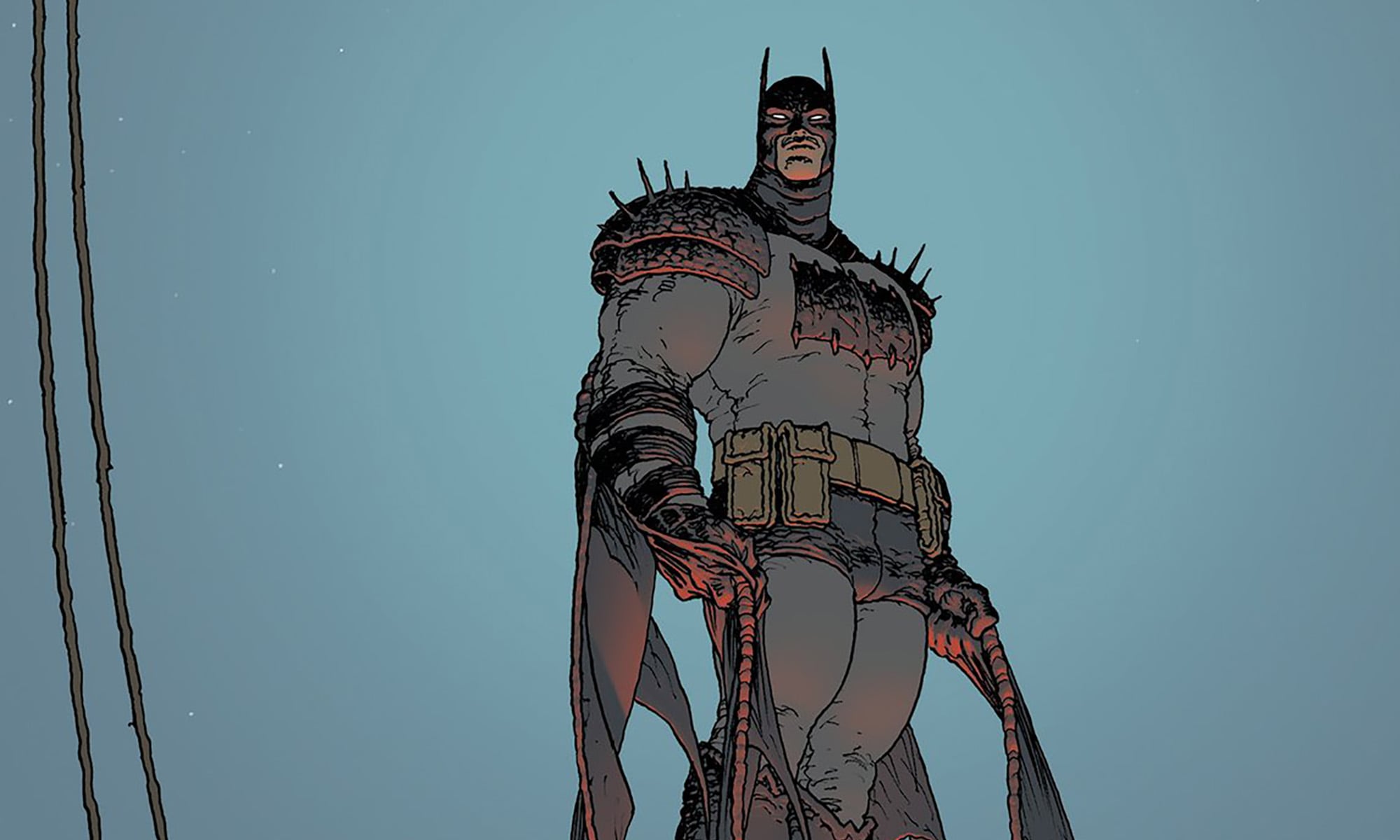
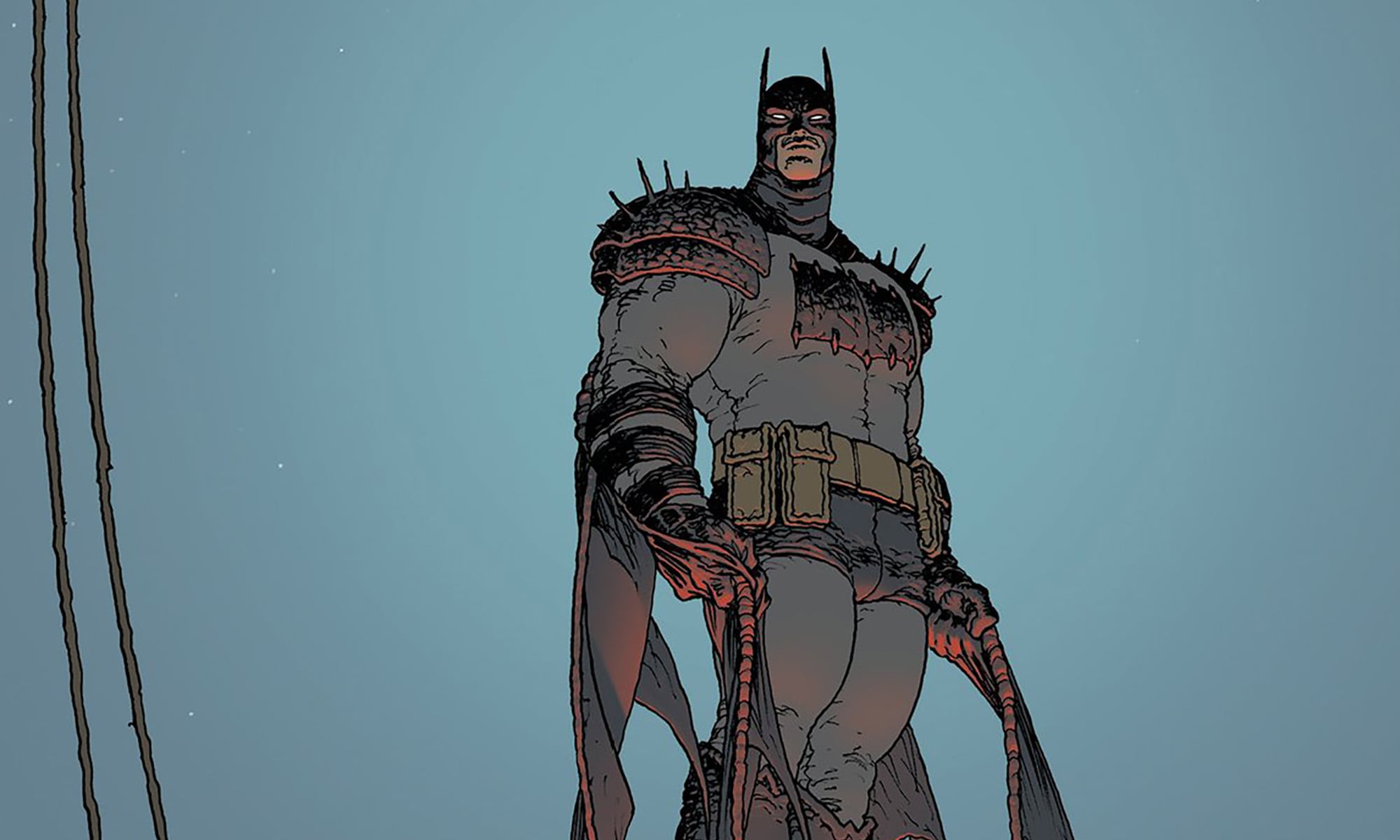
Store exclusive variant covers (especially of Absolute Batman) are all the rage, but DC is setting limits on just how crazy the prices for those can be
NewsbyChris Arrant, Editor-in-Chief
Published on Mon Jul 13 2026
Popverse’s top stories
- Image Comics is pulling all new comics from GlobalComix after 3-year partnership changes
- What is taking Beyond the Spider-Verse so long? The need to do something new
- Todd McFarlane wants to give Spawn the Absolute Batman treatment… and already has a name for it
How much do you pay for comics?
The variant cover market side of comics is a bustling business, and it’s amped up even further with the once-in-a-generation sales success of things like DC Comics’ Absolute Batman line. The size of its success has led to each issue generally selling a half-million copies each, and part of that number is 30+ variant covers with each issue that is exclusive to specific stores that pay a premium to have a limited edition comic just to themselves. But in this burgeoning business of what’s become known as ‘retailer exclusives,’ the limited supply and overwhelming demand have led to uneven mark-ups, high prices, and sticker shock for some. While some publishers cast a blind eye on this side of the market, DC is trying to clamp down on what it feels could be price-gouging of its customers.
DC Comics has revised the terms of its retailer-exclusive variant cover program in several respects, but most notably to explicitly discourage price-gouging, to the point of setting a hard line of what they could consider gouging. While they are careful in the language to not be accused of price fixing, DC discourages stores from marking up unsigned variant covers more than five times their listed sales price. For those that are autographed after the fact, DC is encouraging retailers to limit the mark-up price of those autographed versions to ten times the listed price.
The penalty? DC says it could cut off any offending retailers from the exclusive variant cover program for breaking the rules
DC is also making explicit that homages to other media, which have become popular in recent years to the point that even DC has commissioned some, including popular Marvel Comics covers, and several full-on theme months homaging popular movie posters
“Proposed designs that include homages, third-party likenesses, and/or tie-ins to other media are generally not approved by DC due to additional rights and copyright implications,” reads the new rules
DC is now also strictly banning the usage of retailer-exclusive variant cover comics to be included in any unapproved blind bags or similar promotions
Part of the collectibility of variant covers for some is the limited nature of them. While in the past some retailers have advertised very small print runs of DC retailer exclusive variant covers, the publisher has made public that the minimum print run for DC retailer variants are as follows:
- For Vertigo titles, 1000 copies “in any approved format”
- For Absolute Universe titles, 2000 copies “of which one thousand (1,000) units must be full trade dress and the remaining one thousand (1,000) units must be full trade dress, trade dress-free, or foil.”
- For other DC titles, 1000 copies in full-trade dress
While variant covers have been a common part of superhero comic books since the ’70s, in the early ’00s the trend of some stores paying to get a special variant cover exclusively available to their store has risen. It was one of the early successes of Dynamite Entertainment owner Nick Barrucci, through his Dynamic Forces collectible business. DC publisher/chief creative officer Jim Lee has a longstanding relationship with the retailer Torpedo Comics that has resulted in many variant covers exclusive to that store chain. In fact, some comic artists have opened up digital storefronts of their own to offer variant covers of popular Marvel and DC comics that they themselves have illustrated.
Why comic book variant covers went from art experiment to sales strategy, and how a particular 1990 Hulk comic by Marvel set it all off.
Follow Popverse for upcoming event coverage and news
Chris Arrant: Chris Arrant is the Popverse’s Editor-in-Chief. He has written about pop culture for USA Today, Life, Entertainment Weekly, Publisher’s Weekly, Marvel, Newsarama, CBR, and more. He has acted as a judge for the Will Eisner Comic Industry Awards, the Harvey Awards, and the Stan Lee Awards. (He/him)
Let Popverse be your tour guide through the wilderness of pop culture
Sign in and let us help you find your new favorite thing
More News
Coyote vs. Acme is a love letter to Wile E. Coyote’s inability to quit, say filmmakers
The Japanese government is making a $210 billion bet to dominate the global comic, cartoon, gaming, and music industries
Marvel’s Armageddon is also an Avengers comic for those keeping count, according to hidden legacy numbering
Superhero fatigue isn’t real says Invincible co-creator Robert Kirkman… it’s just a dearth of good superhero stories that can’t rely on the novelty of superheroes anymore (Sorry, Iron Man!)
People who buy comics for variant covers only is “upsetting” to Chip Zdarsky, and wishes the industry would just print variants as prints to save trees
Scott Snyder avoided using Catwoman during his DC ‘New 52’ Batman run because he found her relationship with the Dark Knight repetitive
Love Spider-Man One More Day and the retconning of the Spidey/MJ marriage? Hate it? Co-creator Joe Quesada says he has plans for a sequel… but it won’t retcon the marriage back
DC All In’s Jeff Lemire JSA run is ending this fall
Featured events
Florida Supercon
Comic-Con International: San Diego
Jul 22
– Jul 26
D23
Aug 14
– Aug 16
British Week
Aug 24
– Aug 30
PAX West
Sep 04
– Sep 07
New York Comic Con
Oct 08
– Oct 11
