

Web3
AI Tools Sweep Into Anime Production
Jul 13, 2026 | News On Japan
TOKYO –
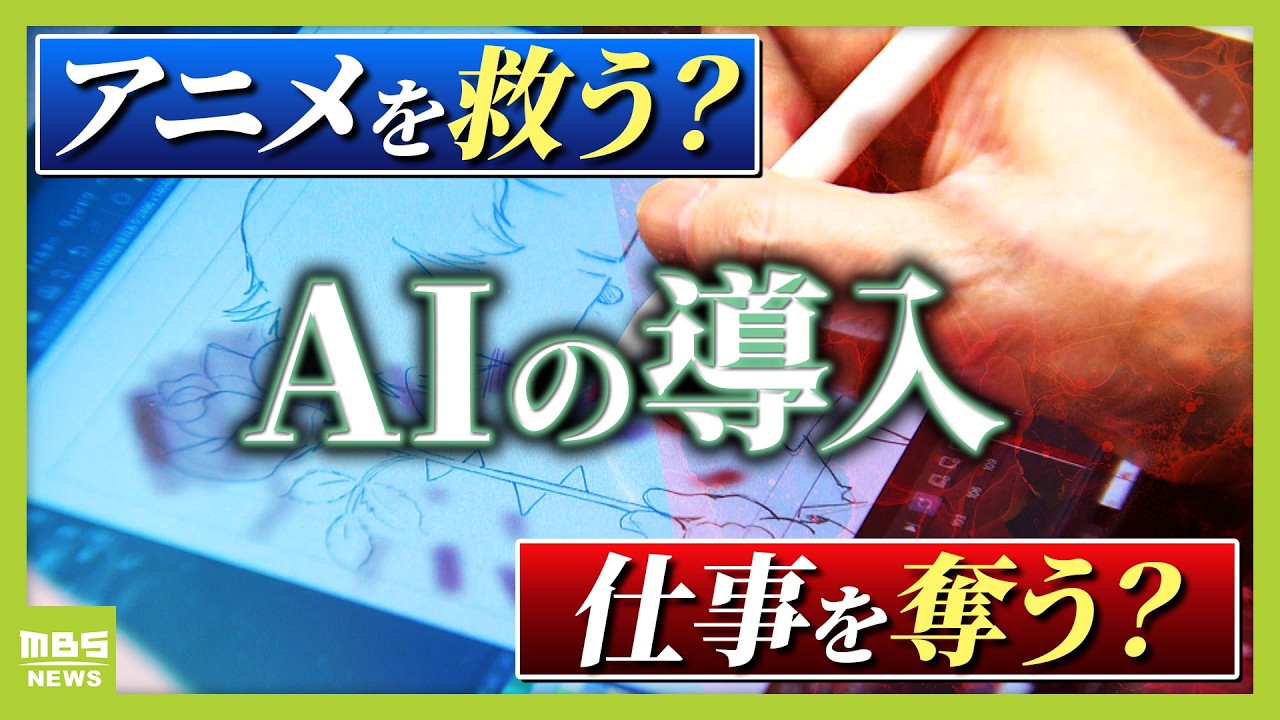
Japan’s anime industry, one of the country’s leading cultural exports, is beginning to confront the arrival of artificial intelligence in production as studios grapple with labor shortages, rising output and deep concerns over copyright and the future of animators’ jobs
The anime market has more than doubled in size over the past decade, and the number of anime titles produced in Japan is said to be around 300 a year. But behind that expansion, production sites are under pressure from a shortage of workers, prompting companies to study whether some parts of the process can be replaced or supported by AI
The creation of a single anime cut can involve many animators before it reaches the screen. Based on storyboards that serve as the blueprint for a scene, a first key animator creates the layout, while animation directors and episode directors make corrections and adjustments. Second key animators then clean up and refine the drawings. To make the images move, additional drawings known as in-betweens or animation frames must be created between key poses, much like a flipbook
One cut shown in the production process took shape through several stages before colors and backgrounds were added. The completed footage lasted just 1.5 seconds. Depending on the work, a single episode may require about 4,000 drawings, while some recent productions exceed 10,000
Anime production can take several years from planning to broadcast. Even after drawing work begins, the process may take six months to more than a year, with more than 100 people often involved in a single title. Production companies say the number of animators is not keeping pace with the number of titles being made, and studios are working aggressively to secure available artists
One production supervisor said the industry is studying whether parts of the workflow can be replaced by AI, but that his company has not yet introduced such tools because of the risks. The biggest concern is copyright: if it is unclear what data was used to train an AI model, who checked it, and whether the resulting image may infringe on existing works, the tool cannot be used in a production setting, he said
The risks are not theoretical. An anime created with a video-generation application from OpenAI in the United States drew attention after the company announced in March that it would end the service. The app had been criticized because it could generate videos of popular anime characters, raising copyright infringement concerns. For anime studios, bringing tools with unresolved rights issues into a production could create a serious risk. In the worst case, a completed work might be unable to air or stream.
Some companies are trying to develop AI tools that clear those legal hurdles. One such tool, released at the end of last year, supports anime production by training only on data provided by anime studios and used with permission. The system can automatically generate in-between frames, filling movement between key drawings
In one demonstration, five prepared drawings were loaded into the tool. After about 10 minutes, it produced 80 in-between images. The company says this can sharply improve efficiency. A single in-between drawing usually takes about 30 minutes on average, and difficult ones can take an hour. With AI, around 200 drawings can be produced in about 10 to 20 minutes, helping ease production schedules
The company says the goal is not to remove people from the process. It says images that are ultimately released should still pass through human hands, and that it is working with anime studios to build tools that support creators rather than replace them
Other firms are developing AI tools for tasks such as automatically generating lip and eye movements. By registering a base character image and the audio the character is supposed to speak, one system can create animation with mouth and eye movement in about one minute. Another program takes CG movement and applies it to a specific character, with AI drawing movement in clothing, hair and facial expressions even when those elements have not been set on the CG side. The company says the tool can cut about 80% of the conventional process.
AI is also being used to create background images. Sample backgrounds can be converted into a preferred style in about one minute. One company used such AI technologies to produce an anime work after clearing legal rights issues, but it still faced criticism. Some critics said the use of AI would destroy the environment in which creators are trained and damage the future of the content industry. Others called it harmful to the anime industry and disrespectful to animators
The second major issue surrounding AI adoption is whether it will take work away from animators
Akiko Nakano, an animator with 46 years of experience, has lived through previous technological shifts in anime production, including digital drawing, digital editing and the introduction of 3D. She said digital drawing was introduced around 10 years ago, but she found it difficult and still works faster on paper. In previous innovations, she said, there was no sense that drawing itself would be eliminated. But if fully AI-generated anime becomes possible, she said, the drawing department could disappear, and that prospect is frightening.
At the same time, Nakano said she believes AI must ultimately be accepted as part of the times. “Even if my work disappears, I think that is what it is,” she said. She added that the role of humans may not vanish completely. People may still add finishing touches, make images feel more human, convey emotion and work together with AI. She said both AI and viewers are still not used to the technology, and that ordinary animators making anime now may serve as the bridge between the two
People involved in anime production say the subject remains highly sensitive. Some animators and production companies declined to be interviewed once they heard the topic was AI and anime. Views differ widely among anime fans and creators, and some show strong rejection of the technology. The atmosphere has not yet reached a point where AI and anime can be said to be widely accepted, and merely being associated with AI can carry a risk of public backlash
As a result, some production companies are believed to be using AI quietly even when they are following rules, because the current mood makes it difficult to disclose its use openly. Many companies are nevertheless continuing research, preparing for a time when rules are clearer and public sentiment changes enough to allow AI to be used openly. Studios do not want to fall behind if that wave arrives
How AI affects the industry will depend on how it is used. It could take work away, but it could also relieve tight schedules, create more time, make new productions possible and generate new jobs. Industry participants describe AI as something that could be either poison or medicine
Nakano has also said that while she worries about losing work, AI carries a sense of possibility. If anime that once required many people, much time and large budgets can be made more easily through AI, she said, that prospect is exciting
Those interviewed shared a desire to create new works and a respect for creators. If people with that mindset use AI carefully, it may help the future of anime. But if companies pursue only short-term profit, offering cheap production through heavy AI use, the technology could become harmful. For Japan, which is seeking to strengthen anime as a major industry, the challenge will be to build rules, improve literacy and find a balance that protects talent development while also using AI where it can make the industry more sustainable.

Osaka’s Minami Rebuilt Into Tourist Hub
Osaka’s Minami district, now entering another period of major change with the planned opening of the Naniwasuji Line, the redevelopment of Midosuji and improvements around Nankai Namba Station, has transformed from an area once described as “scary” and “dirty” into one of Japan’s leading tourist destinations

Crowds Join First Pull of 10-Ton Gion Festival Float
A 10-ton hoko float was pulled through central Kyoto on July 12 in a trial run ahead of the Yamahoko Junko procession during the Gion Festival’s early parade

Young Doctors Flock to Cosmetic Medicine
A growing number of young doctors in Japan are moving directly into cosmetic medicine after obtaining a medical license and completing their initial clinical training, raising concern that the trend may be worsening staff shortages in insurance-covered medical care
Typhoon No. 9 Travel Disruptions Continue on Some Okinawa Routes
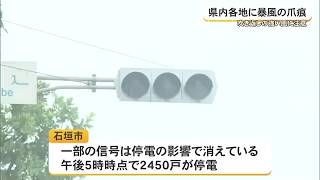
Transport disruption from Typhoon No. 9 (Bavi) continued on July 12, with airlines warning that some flights serving Okinawa’s outlying islands could still face delays, cancellations or conditional operations even after the storm moved away from the prefecture
JAXA Successfully Lands Reusable Rocket Test Vehicle
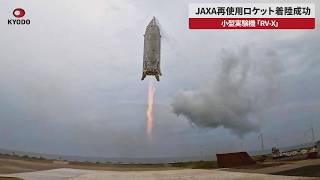
JAXA successfully landed a small experimental vehicle for a reusable rocket on July 11, marking a step toward technology that could increase the frequency of space launches while helping reduce costs
AI Tools Sweep Into Anime Production
Japan’s anime industry, one of the country’s leading cultural exports, is beginning to confront the arrival of artificial intelligence in production as studios grapple with labor shortages, rising output and deep concerns over copyright and the future of animators’ jobs
Mitsubishi Announces AI Robot Mass Production
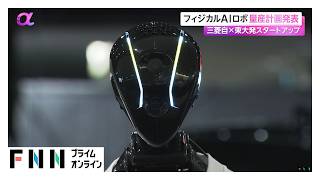
Mitsubishi Motors and Highlanders, a startup founded from the University of Tokyo, announced on July 10 that they will jointly develop humanoid “physical AI” robots and move toward mass production as Japan faces growing labor shortages

Best proxy server sites: Top proxy providers
There are many different proxy providers that operate large IP networks around the world, and before choosing one, you have to answer many questions. Where do these IPs come from?

Which RPC Providers Work Well for Blockchain Teams in Japan
Japan’s crypto and blockchain scene has grown steadily over the past few years, and the wallets, exchanges, and dapps built here all lean on RPC nodes to talk to the chains they run on
Joint Recommendations Issued to Grow AI Medical Device Industry
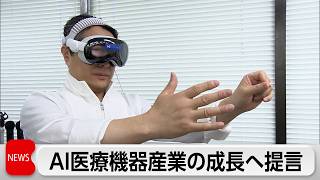
A council of 39 companies, including startups developing medical devices that use artificial intelligence, called for greater support to expand Japan’s AI medical device industry, including subsidies for hospitals and financial assistance for overseas exports

FxVerge レビュー|2026年版・取引プラットフォーム完全ガイド
FxVerge レビュー や利用者の FxVerge 口コミ を先に調べてから口座を作るかどうか決める。ブローカーを選ぶとき、多くのトレーダーがこの手順を踏みます。
Next-Gen Slots and How Immersive Graphics Are Changing the Game
Slot screens no longer look like flat reels wearing shiny paint

Humanoid AI Robot Demonstrates World-First Gesture Technology
A humanoid AI robot under development in Japan demonstrated what its developer described as a world-first gesture-recognition technology during a studio appearance, raising questions over whether Japan can regain ground in a field now led by the United States and China
