

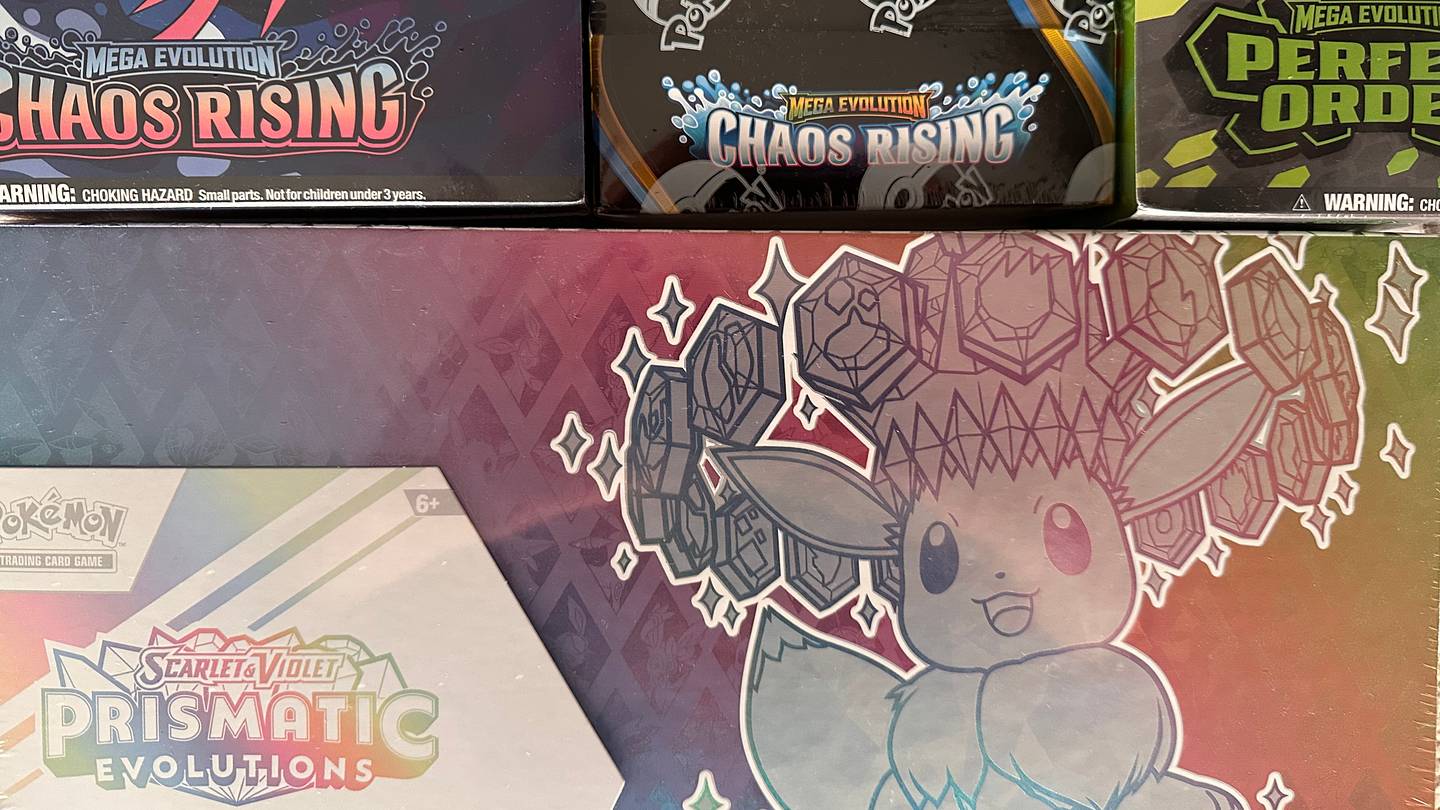
Nintendo’s President, Shuntaro Furukawa, spoke about changes to how Pokémon TCG cards will be sold starting in August 2026. Furukawa shared this in response to questions about how to address Pokémon TCG shortages and scalping. We look at three takeaways from this report and why this matters for TCG players, Pokémon trainers, collectors, retailers, resellers, scalpers, and the market of trading cards at large
This includes ID verification ahead of the Pokémon TCG’s 30th Celebration, with a worldwide release on September 16th, 2026. Other changes mentioned point to retailer rules and “made-to-order sales.”

Although Nintendo doesn’t run Pokémon card production and sales, when its President talks about Pokémon, we should all listen closely. Nintendo owns about a third of The Pokémon Company (TPC) and has a vested interest in what happens next. This includes how TPC will respond to the long-standing and still-growing uproar over resellers snatching up product and raising prices before the cards reach end-users
1. Pokémon Company Plans To Use ID Cards For Account Verification

At the annual Nintendo Company shareholder meeting on June 26, 2026, President and Representative Director Shuntaro Furukawa spoke on the topic of the Pokémon Trading Card Game (TCG). His words point to The Pokémon Company making changes to how and to whom cards would be sold. Among his comments, Furukawa shared that more accurate account verification for buyers is coming, including use of ” … My Number Cards [Japan’s official government-issued ID cards].”
It is important to note that Furukawa is specifically speaking about plans for ID verification in Japan and for particular products. However, could this also point to a possible road-map for the future of sales strategies globally?
The intent of the ID policy, according to the information, is to curb reselling activity. With this approach, the company will be able to identify who is buying the product, how much they buy, and how often. It presents a fascinating what-if scenario if it can be replicated outside of Japan
2. Made-To-Order Sales of Pokémon Cards
The economic engine that is Pokémon TCG involves a fascinating cast of characters along the chain of commerce. It includes the corporate titans atop the heap guiding the Pokémon releases at beginning of the process to the TCG players, collectors, and others buying the products at the end. The collectability and high prices of particular cards is a key factor in this becoming a high-stakes business, including cards like the 1999 Charizard shown below

One solution mentioned during Nintendo’s 86th Annual Meeting of General Shareholders was the idea of “made-to-order sales,” which suggests a possible willingness to address the supply side of the supply-and-demand equation
Aside from the specific mention of “made-to-order sales,” other details remain relatively elusive at the moment. Although it is merely speculation, could this mirror the approach that Fanatics/Topps uses for their Topps Now Cards? Only time will tell
3. More Strict Retailer Rules for Pokémon Cards

Another fascinating and telling comment made by Nintendo’s President came when mentioning the use of agreements with marketplace operators to address the issue of entities purchasing in bulk paired with high-profit reselling. Again, offering few details here, but one could imagine that retailers selling products in large quantities might face stricter rules from The Pokémon Company in the future. This might also point to other policies that could force retailers to stay in line with MSRP
Why This Matters & Wrapping Up
The Pokémon Trading Card Game’s cultural footprint across the world is deep and cemented by a 30-year legacy with generations of passionate fans. The economics of Pokémon TCG are equally relevant, albeit in different ways
Changes on any level to the Pokémon marketplace are important to track. There are entire cottage industries dedicated to various nuances of the market. Whether it’s people tracking releases, aiding restock alerts, flipping cards, scalping ETBs, or anything else along the way, Pokémon puts money in the pockets of people and businesses across the spectrum. We will work to bring you more information as it becomes available
Add us as a preferred source on Google
Follow
Published 15 hours ago| Modified 15 hours ago

D. ALLEN THOMPSON
D. Allen Thompson is a contributing collectibles writer with eclectic tastes. He provides
enthusiastic commentary on the ever-evolving world of trading cards against the
backdrop of the broader historical, economic, and societal contexts in which
they exist. He is on a journey to find fascinating stories and meet interesting
people while using trading cards as the guideposts to lead the way to the
American Dream
