

Korea is cracking down on <a href="https://comicvibe.com/zee-<a href="https://comicvibe.com/amagi-and-golden-times-media-technology-to-bring-chinese-entertainment-channels-to-global-platforms/” title=”Amagi and Golden Times Media Technology to Bring Chinese Entertainment Channels to Global Platforms”>entertainment-approves-rs-600-crore-share-buyback-at-rs-91-apiece-promoters-to-stay-out/” title=”Zee Entertainment approves Rs 600-crore share buyback at Rs 91 apiece; promoters to stay out”>entertainment agencies operating without registration.
On November 12, the Ministry of Culture, Sports and Tourism announced that it has asked the police to investigate 16 entertainment agencies suspected of running their businesses without registering. The agencies were among 50 that the ministry inspected on site with local governments after a survey for unregistered or poorly run businesses, and their registration could not be confirmed. The referrals were made to the relevant police stations on November 9 and 10, and the ministry also passed the companies’ information to the local governments in charge.
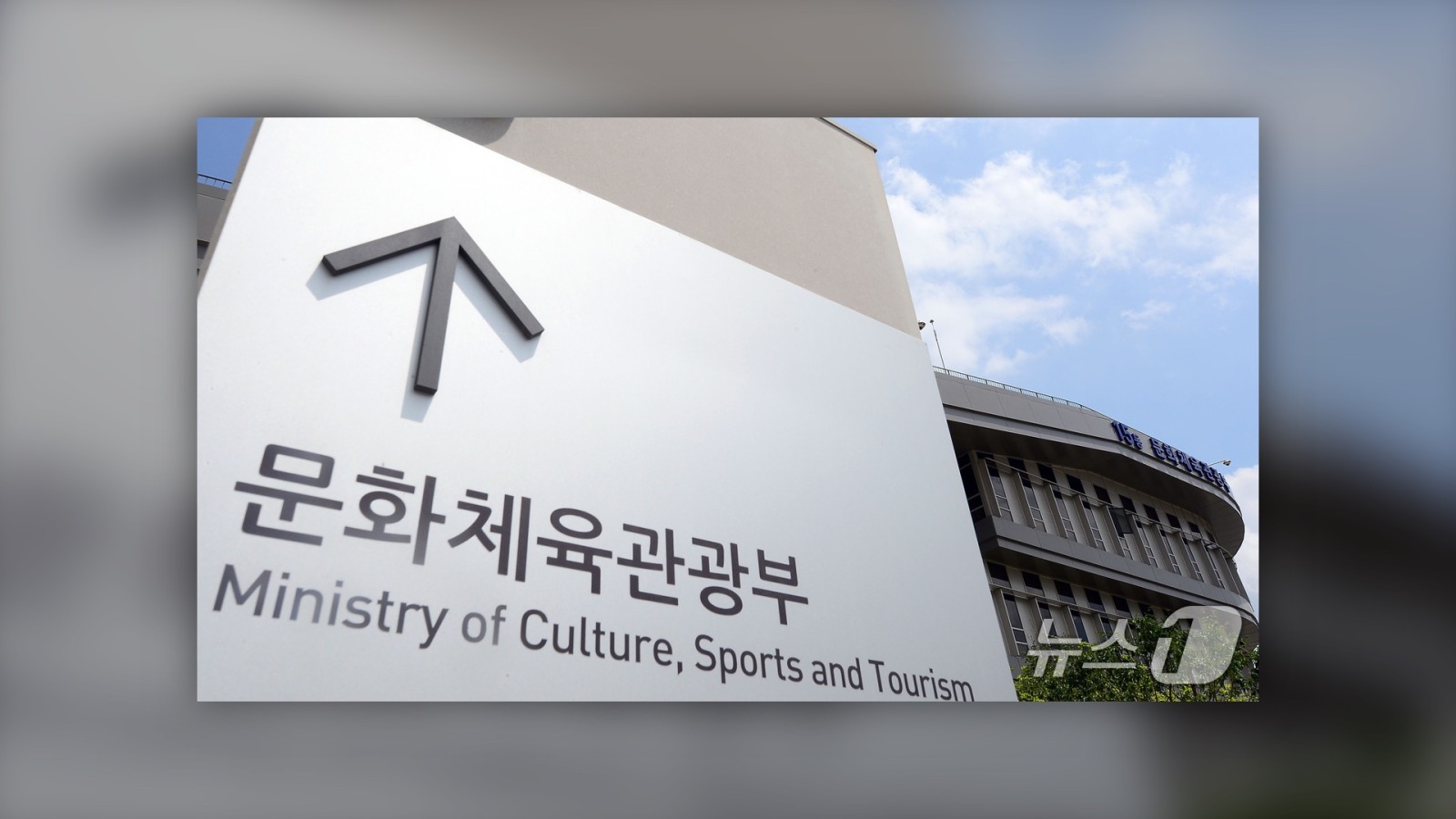
Ministry of Culture, Sports and Tourism | Photo: News1
Under the Popular Culture and Arts Industry Development Act, businesses that plan and manage the activities of entertainers must register with their local government. Operating without registration can be punished by up to two years in prison or a fine of up to 20 million won (approximately 14,900 USD).
The ministry identified the inspection targets through reports filed with the government’s online petition system and its own research. It ran a grace period from September 18 to December 31 last year to encourage agencies to register, and the number of newly registered companies that year rose about 50% from the year before. As of August, 6,678 agencies were registered.
When the amended law takes effect on November 20, the ministry will have to check registration standards, such as staffing and office requirements, at least once a year. It will be able to request documents for inspections and cancel the registration of businesses that don’t meet the requirements.
“We’ll keep inspecting regularly so that registration isn’t just a one-time procedure and registered agencies continue to meet the legal requirements,” a ministry official said.
