✦Apply this article to your workGet personalised takeaways tailored to your role and goals↓
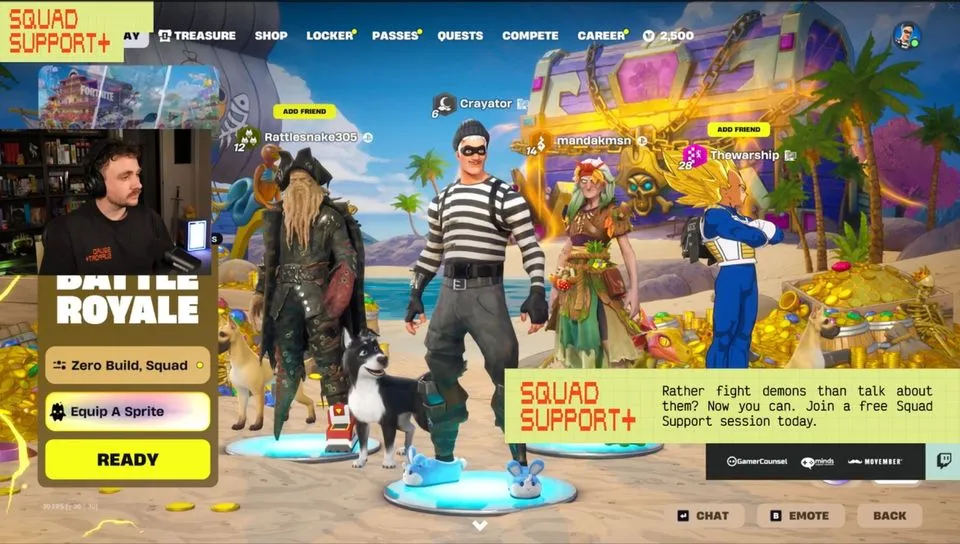
A quick “U GUD?” in a gaming chat can sound like a joke, a question or a genuine check-in. That ambiguity is part of the appeal. On Twitch, where streamers and viewers trade messages as a game unfolds, familiar language travels further than a formal public-service announcement might.
For Movember, Amazon Ads and the streaming platform, the phrase now carries a specific purpose. Their Squad Support campaign invites Australian gamers to talk about wellbeing while doing something many already enjoy: playing together. The official GamerCounsel program page makes the offer concrete, with limited free sessions involving qualified support professionals rather than a message that ends when the advertisement does.
Table of contents
Why a gaming catchphrase became a mental-health check-in
In competitive games, “Git Gud” is often used as a brusque way of telling another player to improve. Squad Support turns that expression sideways. “U GUD?” keeps the compressed spelling and easy familiarity of gaming slang, but makes space for a more personal question: are you doing all right?
That shift is not evidence that a new catchphrase will change how people seek help. It is a creative attempt to make a serious subject easier to raise in an environment that already has its own language, jokes and social rules. The campaign does not ask viewers to leave gaming culture behind to participate.
The program is connected to Movember’s wider focus on men’s health, yet it is not simply another version of its seasonal moustache drive. Its core idea is to make a supportive conversation possible during a shared activity. The difference matters because a phrase alone can generate awareness, while a real service creates a next step for someone who decides they want it.
A practical Twitch influencer marketing guide for choosing streamers, designing live sponsorships, protecting trust, and measuring brand outcomes.
ContentGrip
Bajo, Crayator, Jack Buzza and Midbeast are the Australian Twitch creators introducing the campaign through livestreams and their social channels. Their role is more specific than attaching familiar faces to a poster. Each has an established setting in which a question to the audience can become a live exchange, rather than a line read to a camera.
The November 8 campaign account describes creator broadcasts beginning in October, with a Midbeast League of Legends session planned for that evening. It also outlines an “U GUD?” channel emote, interactive polls, fundraising tools and Twitch’s Stream Together feature, which lets creators invite Movember specialists into a stream. The report does not establish how many people joined or how viewers reacted.
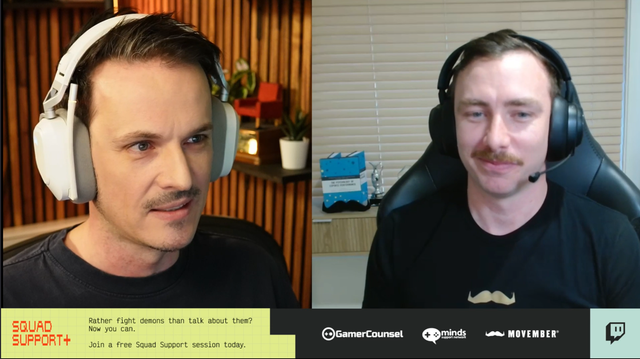
Bajo, whose real name is Steven O’Donnell, is a former Good Game presenter and a streamer. His own biography places him squarely in Australian gaming culture. That is relevant because audiences have a relationship with a creator’s usual voice and format. A wellbeing prompt that arrives inside that format can feel like part of the conversation, even if viewers still need to decide whether to act on it.
Willie Pang, managing director of Amazon Ads Australia and New Zealand, described the goal succinctly: “Squad Support meets them where they are.” The important test is not whether that line sounds relatable, but whether the experience behind it respects what viewers actually come to Twitch to do.
How the free gaming sessions work
The campaign is not offering public therapy in a livestream chat. Interested participants register through the program website, and the partners assess who can be placed. Successful applicants can join a private session over Discord while playing games, either individually with a support professional or in a small group.
500 participant hours allocated. The campaign has set aside this capacity, including time for triage and safeguarding This is not a count of completed sessions or measured health outcomes
There is an important difference between the campaign’s broad invitation and the practical eligibility conditions. GamerCounsel’s official page says registrations are for gamers in Australia aged 18 or older. Places are limited, and submitting an expression of interest does not guarantee a spot. Options listed include one-to-one sessions and small groups with a gaming therapist.
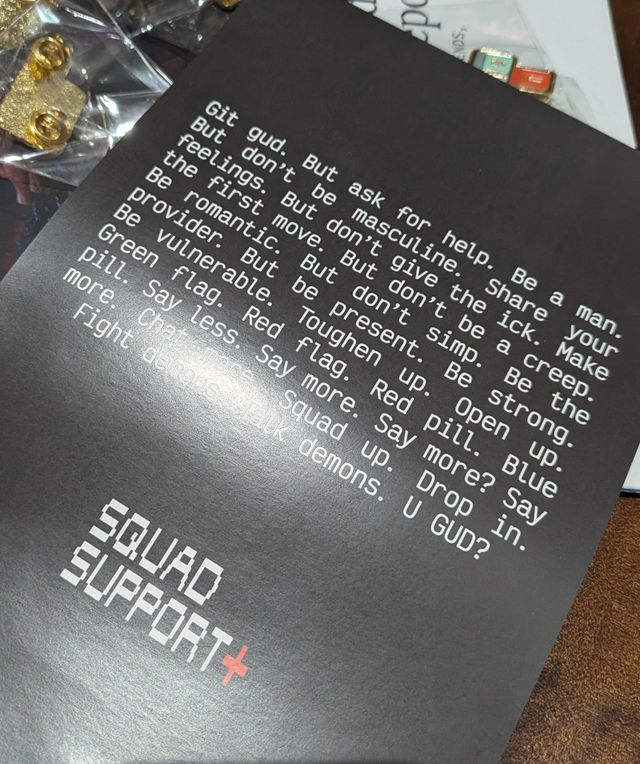
The service also has clear boundaries. GamerCounsel says Squad Support is not a crisis service. That qualification is essential to understanding the marketing: a creator can open a door to information and registration, but a chat community is not a substitute for professional support or an emergency response.
Why this is different from a standard awareness ad
Many social-good campaigns ask audiences to watch, share or donate. Squad Support still offers those familiar actions, including charity fundraising and creator-led posts. But it adds an opt-in experience that fits the setting that attracted participants in the first place. Gaming is not only the backdrop for the advertising. It is part of how the program is delivered.
The distinction becomes clearer beside Movember’s other 2026 campaign work. Its Growmitment creative, featuring Rick and Morty and comedians, uses recognizable entertainment and a shared challenge to spark participation. Squad Support relies instead on live gaming habits and qualified practitioners, making the participant experience less like a spectacle and more like an organized service. These approaches serve different purposes and should not be mistaken for competing versions of the same announcement.
Twitch’s Brand Partnership Studio is relevant here because it designs campaigns around chat, livestream timing and creator participation. A static video can explain a message, but it cannot easily recreate the small decisions happening in a live community: a viewer responding to a poll, a moderator helping manage a discussion, or a creator bringing a guest into the stream. Those capabilities make the placement distinctive. They also raise the bar for preparation and safeguarding.
There is no public evidence in the campaign materials that Squad Support has reduced loneliness, increased treatment uptake or delivered measurable brand lift. The reported capacity and announced features establish what is being offered, not its results. For marketers, that distinction keeps an encouraging idea from becoming an unsupported effectiveness claim.
The most useful thing about Squad Support is not the cleverness of the phrase. It is the attempt to join the audience’s everyday behavior with a credible next step. The campaign suggests several lessons for teams considering creator-led work around a sensitive subject.
- Start with the language a community already uses. “U GUD?” feels recognizably gamer-native because it deliberately reframes a familiar expression. The wording matters less than understanding when, where and by whom that phrase is normally spoken.
- Give creators a role that works live. The custom emote, polls and expert appearances are designed for Twitch’s own interactions. They make more sense than asking every streamer to deliver identical, tightly scripted campaign copy.
- Make the audience action genuinely useful. The free-session registration is a tangible next step. It also comes with real limits: restricted places, eligibility rules and safeguarding. Stating those limits plainly builds a more accurate story than a promise of universal access.
- Measure the service separately from the message. Livestream views, chat participation, signups, accepted participants and eventual outcomes are different indicators. The partners have disclosed an allocation of support capacity, but not enough outcome data to declare success.
For brands, cause-based creator partnerships can be tempting because the emotional subject makes the campaign feel meaningful before anyone has assessed its design. Squad Support offers a more useful question: what happens after a viewer recognizes the message?
Here the answer is at least visible. A player can follow the official registration route, learn whether they are eligible and potentially meet a qualified professional in a setting they find comfortable. Whether that promise translates into lasting benefit remains to be demonstrated.
The wider lesson is about fit, not just reach. A community’s jokes, creators and interactive tools can help carry a serious conversation, but the substance of a socially minded campaign lives in the support and safeguards behind the creative.
This article is produced by ContentGrow. We’re building branded media outlets for B2B companies. Interested in learning more? Learn more.