

Every autumn, a thick catalog landed in the mailbox and became the most studied document in the house. Kids ranked their wishes with red crayon, folded page corners, and argued over which circle deserved a second circle.
Some of those circled toys vanished by January. The ones below stuck around for decades, and a few are still on shelves today.
The Easy-Bake Oven That Ran on Two Light Bulbs
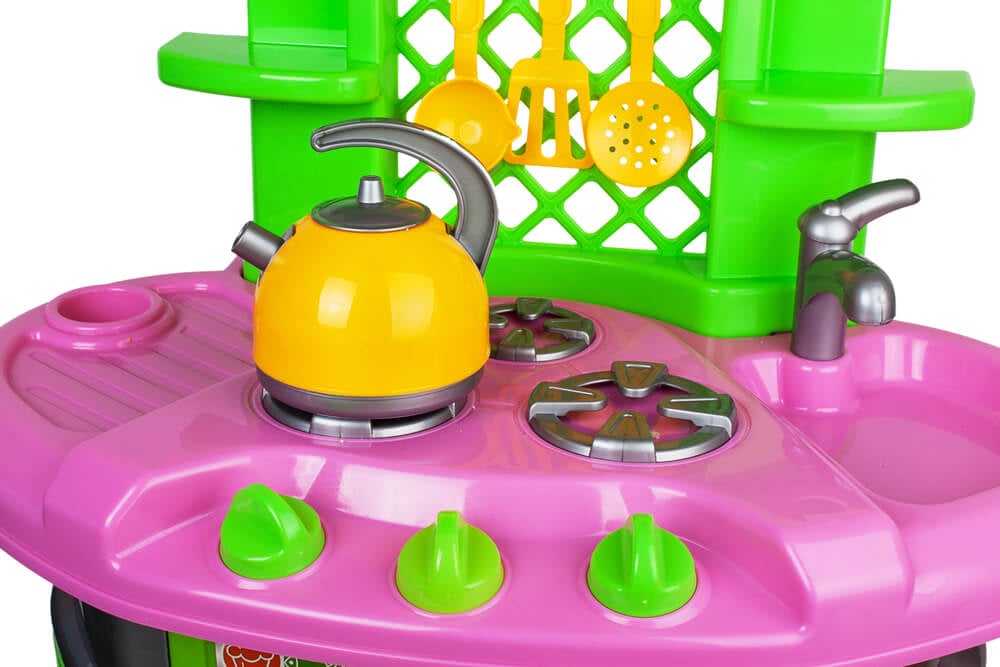
Kenner introduced the Easy-Bake Oven in 1963, and it baked tiny cakes without any flame or heating coil. The heat came from two ordinary 100-watt incandescent bulbs, which made it one of the few appliances a child could operate with parental blessing.
When incandescent bulbs faded from stores, the design had to change entirely, and a heating-element version took over. Original ovens turn up at vintage sales, but prices swing widely depending on condition and whether the pans, mixes, and box survived.
Lite-Brite and the Joy of Poking Pegs Into Black Paper
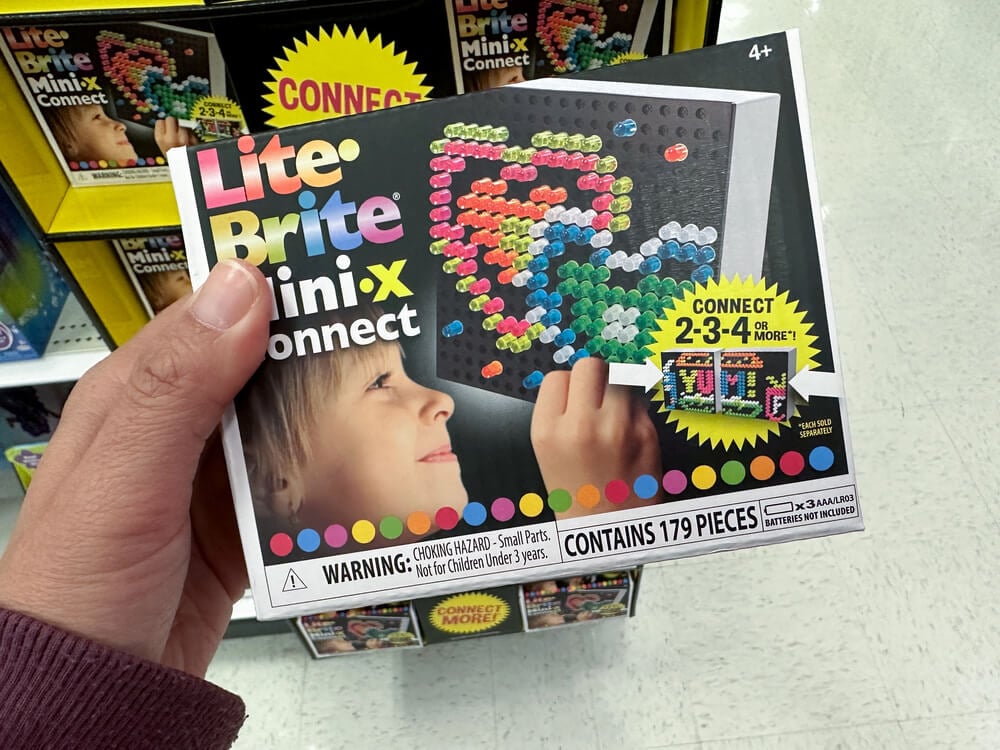
Hasbro released Lite-Brite in 1967, and it turned a standard bulb into a glowing canvas. Kids pressed colored plastic pegs through pre-printed sheets of black paper, and the light shone through each peg to form a picture.
The sheets were part of the appeal and part of the problem, since a lost peg or a used-up template could end a project quickly. Complete vintage sets with their original templates and pegs command more than loose, incomplete ones.
Etch A Sketch, the French Invention With Aluminum Inside
Ohio Art began selling the Etch A Sketch in 1960, after the company saw it at the Nuremberg Toy Fair. The toy came from a French inventor, André Cassagnes, who had originally called it L’Écran Magique.
Inside the red frame, a stylus scraped aluminum powder off the back of the glass screen, and shaking the toy redistributed the powder to wipe the picture clean. Its two white knobs made drawing a curve feel like a puzzle, which may be why so many kids settled for perfect right angles.
Barbie, Who Debuted at a Toy Fair for $3
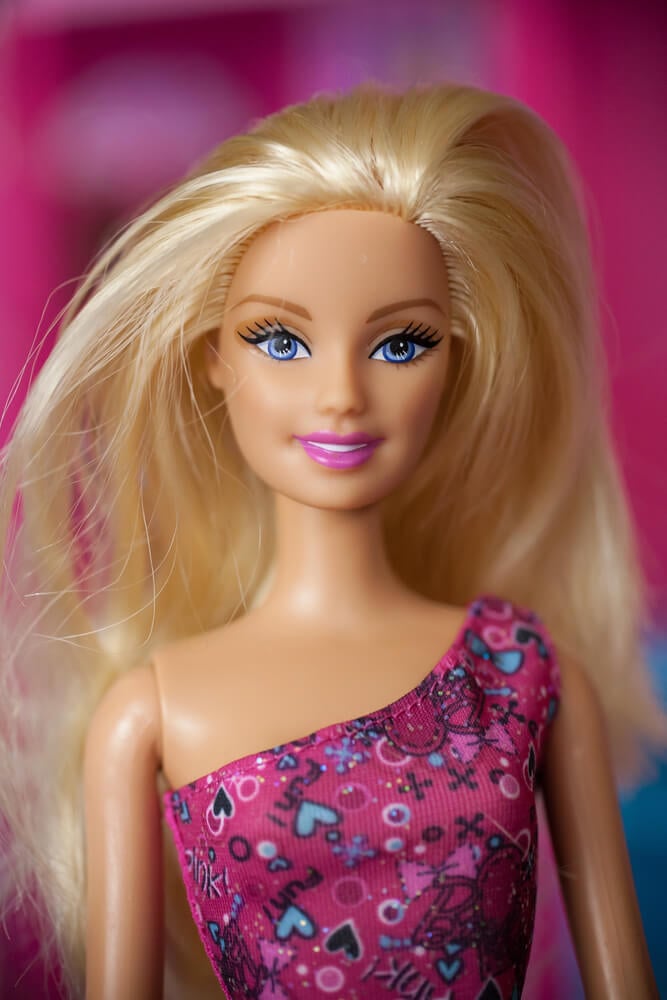
Barbie made her debut on March 9, 1959, at the American International Toy Fair in New York. Ruth Handler, who co-founded Mattel, had noticed her daughter playing with paper dolls of adult women and pushed the idea of a three-dimensional teenage fashion doll. The original sold for $3, a figure that now looks quaint next to the prices some early dolls fetch among collectors.
Those prices depend heavily on condition, original clothing, and whether the doll still has its box and accessories.
Hot Wheels and the Original Sweet 16
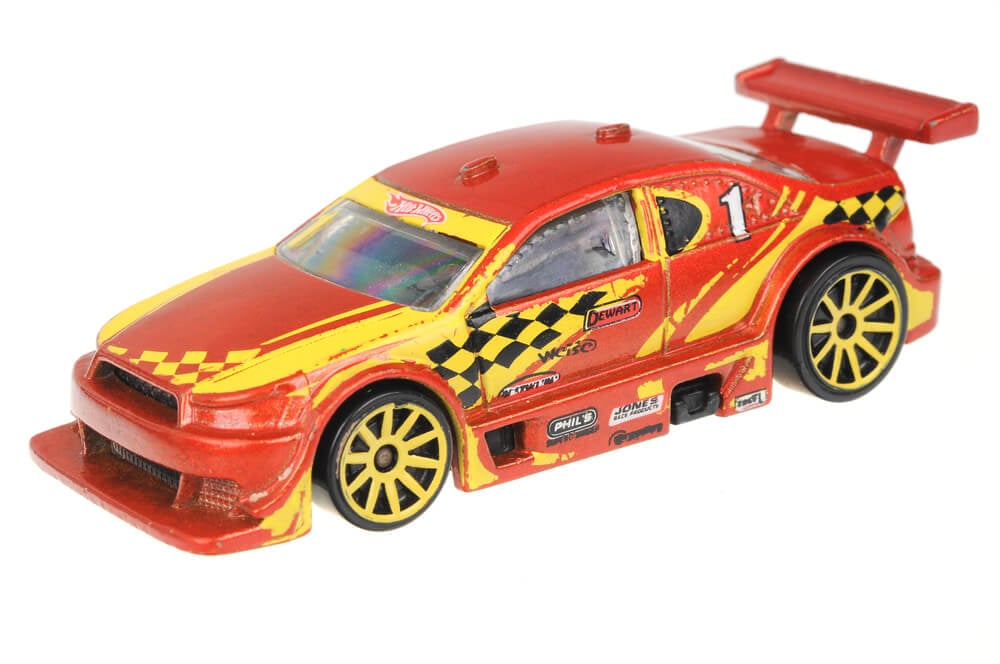
Mattel launched Hot Wheels in 1968 with a lineup of sixteen cars that collectors still call the Sweet 16. The Custom Camaro was the first of them, and the cars used low-friction wheels and a shiny Spectraflame paint finish that set them apart from other die-cast cars.
Elliot Handler, a Mattel co-founder, pushed for the cars to look like California hot rods rather than scale models of ordinary sedans. Some early models and prototypes sell for enormous sums today, but values depend on condition, color, and whether the original blister pack is intact.
Star Wars Action Figures and the Empty Box Under the Tree
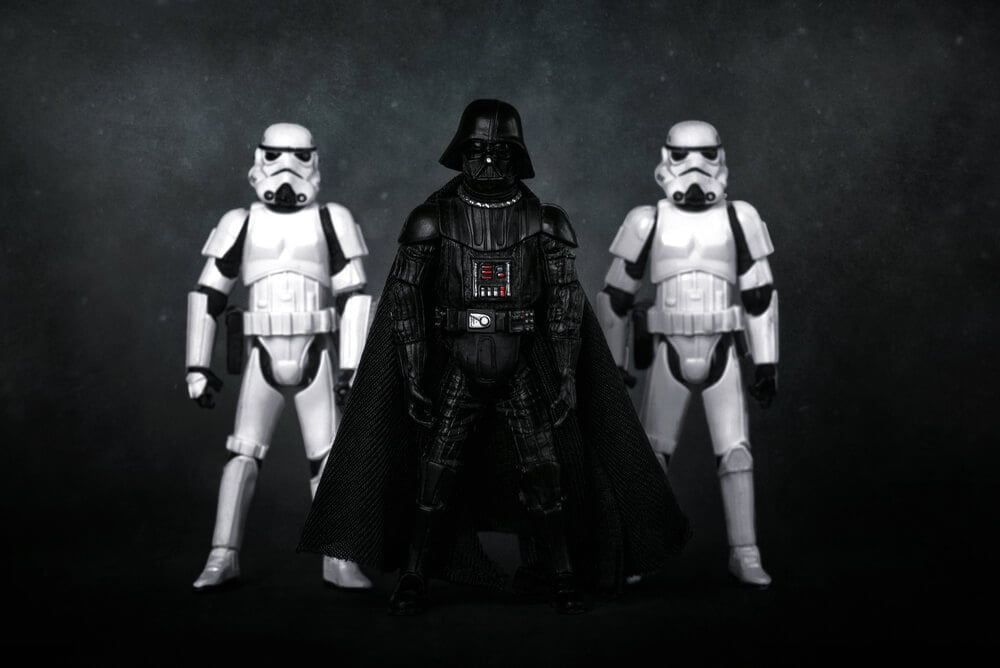
Kenner missed the 1977 holiday season, because the toy company had not been ready when the film became a hit. Instead, parents bought an Early Bird Certificate Package, which was a cardboard envelope containing a display stand and a promise that figures would arrive in the mail later. The figures themselves reached stores in 1978, in the compact 3.75-inch size that became the industry standard for years.
Early carded figures can be valuable, though prices swing sharply with the condition of the card, bubble, and original paint.
Operation, Invented by a Student Who Sold It for $500
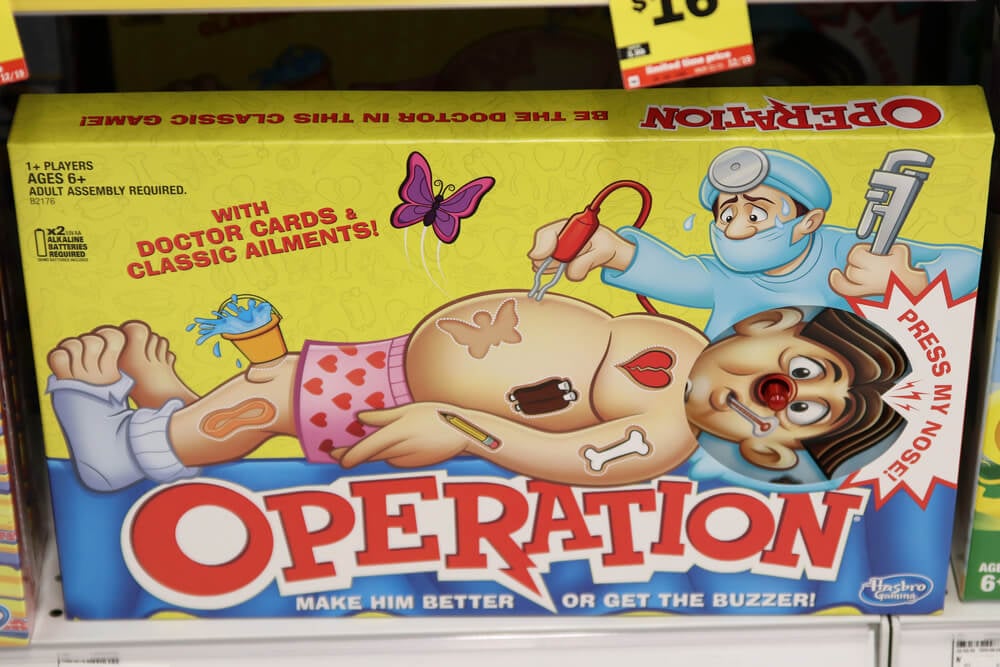
Milton Bradley released Operation in 1965, and its buzzing patient, Cavity Sam, made the game as loud as it was tense. The inventor, John Spinello, was a college student when he came up with the idea, and he sold the rights for $500.
Years later, fans raised money for his own medical care after learning how little he had received from a game that became a household classic. Touching the metal edge of any opening with the tweezers set off the buzzer and lit Sam’s red nose.
The Schwinn Sting-Ray and the Banana Seat Revolution
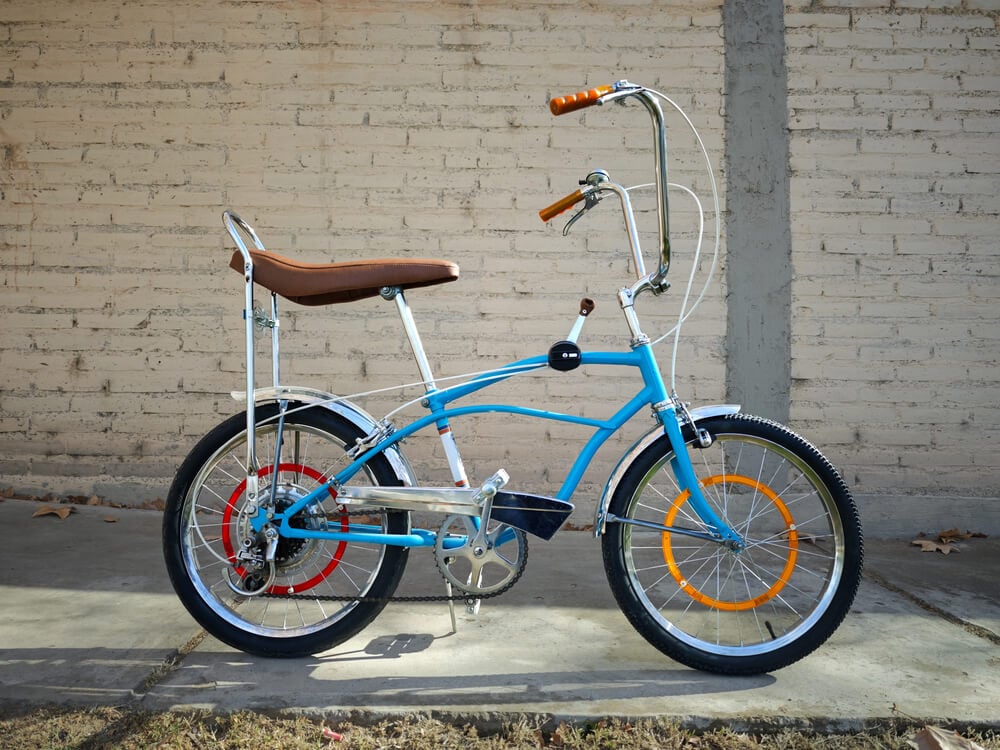
Schwinn introduced the Sting-Ray in 1963, and it changed what a kid’s bicycle was supposed to look like. The long banana seat, high-rise handlebars, and small wheels were borrowed from the look of customized chopper motorcycles.
Parents had worried about the design, but kids understood immediately and the model became a runaway hit. Surviving originals are prized by collectors, who judge them heavily on paint, chrome, and how much of the bike is still original.
Radio Flyer, the Little Red Wagon Built From Pressed Steel
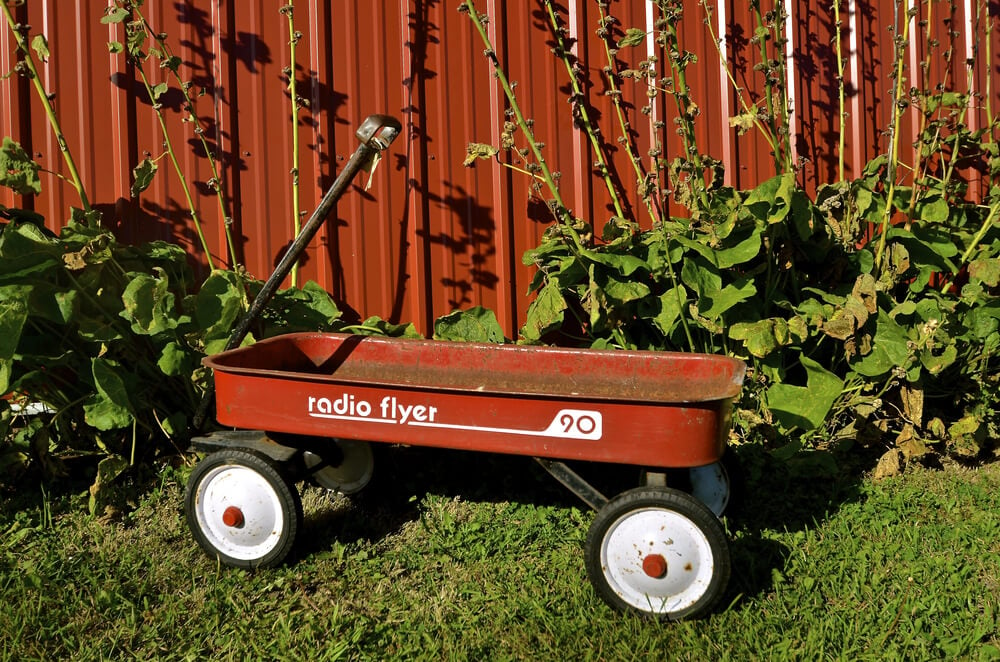
Antonio Pasin, an Italian immigrant in Chicago, began by building wooden wagons and eventually moved to stamped steel. The company’s name combined two of the great marvels of the age, radio and flight.
The Radio Flyer wagon became a symbol of American childhood and appeared in toy departments and catalogs for generations. Old wagons with their original paint and decals are collectible, though rust and repainting can cut their value sharply.
View-Master, Born at the 1939 New York World’s Fair
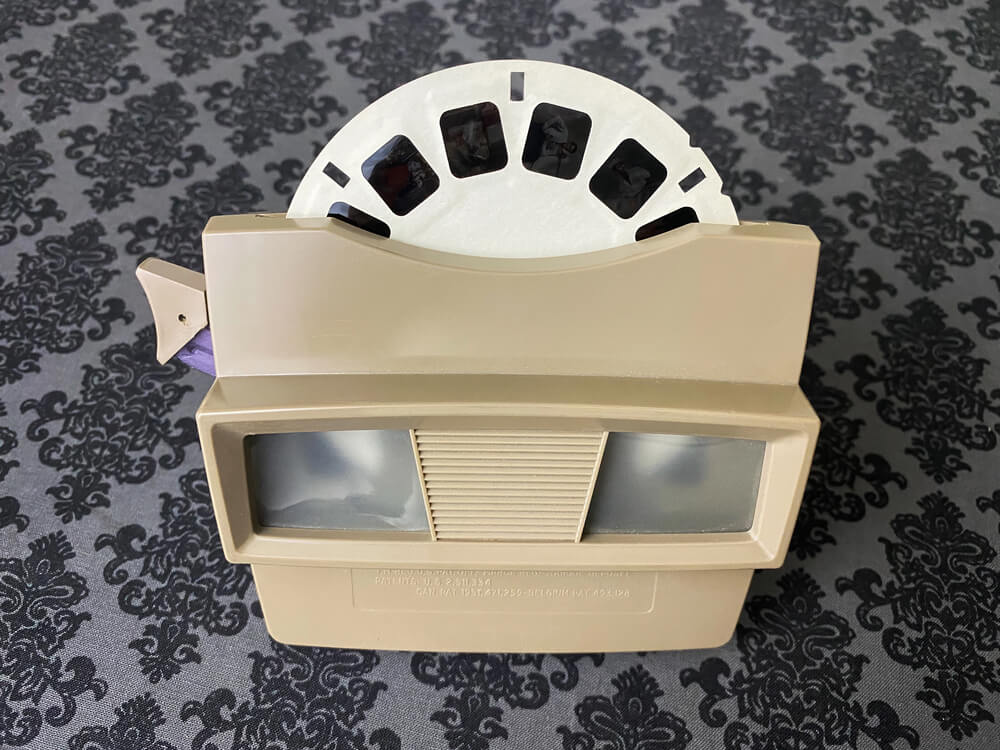
View-Master debuted in 1939 at the New York World’s Fair, a product of Sawyer’s, an Oregon company known for scenic postcards. William Gruber, a photographer, and Harold Graves, Sawyer’s president, developed the viewer around thin cardboard reels holding seven stereoscopic images.
Early reels featured scenic views, and later ones carried cartoon characters and movie scenes that kids traded and collected. Complete sets with their packets and viewers are worth more than loose reels, and condition matters a great deal.
Slinky, the Accident That Sold Out in Minutes

Richard James, a naval engineer, noticed in 1943 how a tension spring toppled off a shelf and kept walking. Slinky reached stores in 1945, when James and his wife Betty began demonstrating it at Gimbels in Philadelphia.
According to the widely told story, the store sold its first batch of about 400 in roughly ninety minutes. Betty James chose the name, and she later ran the company for decades after her husband left.
Tonka Trucks Forged From Steel in Mound, Minnesota
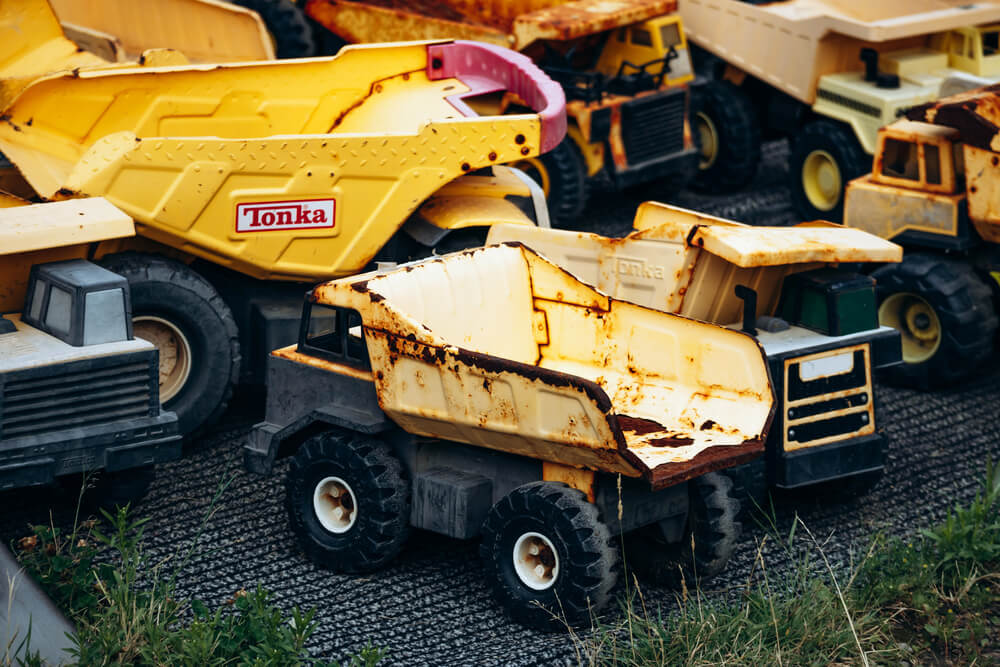
A group of Minnesota teachers and a printer formed Mound Metalcraft in 1946, and the company changed its name to Tonka a year or so later. Its pressed-steel trucks were famously tough, and the brand’s reputation rested on how much abuse they could take from a child.
The name Tonka came from a Dakota word associated with great or big, which fit a toy built to look like a construction workhorse. Vintage trucks are collectible, but rust, missing parts, and repainting all push values down.
Cabbage Patch Kids and the Holiday Scrum of 1983
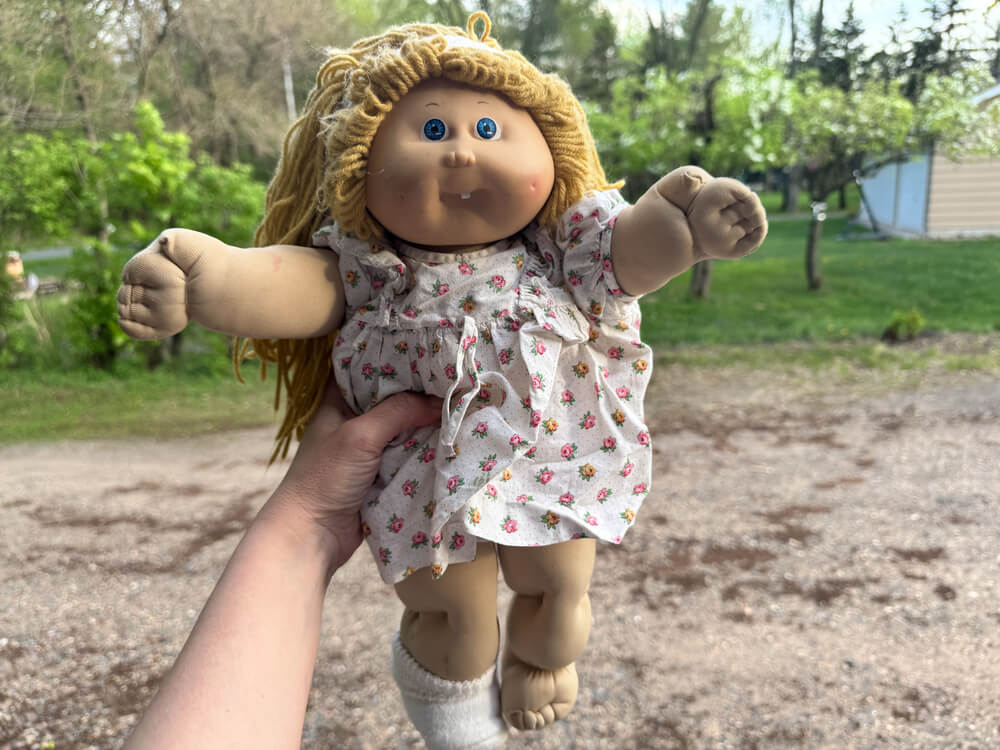
Coleco brought out Cabbage Patch Kids in 1983, based on the soft-sculpture dolls created by Xavier Roberts. Each doll came with its own name and adoption papers, which made it feel less like a product and more like a family member.
Demand overran supply that holiday season, and news coverage showed crowds pushing through store aisles to grab dolls. Parents who failed to find one went to classified ads and secondhand sellers, where prices climbed.
The Nintendo Entertainment System and R.O.B. the Robot
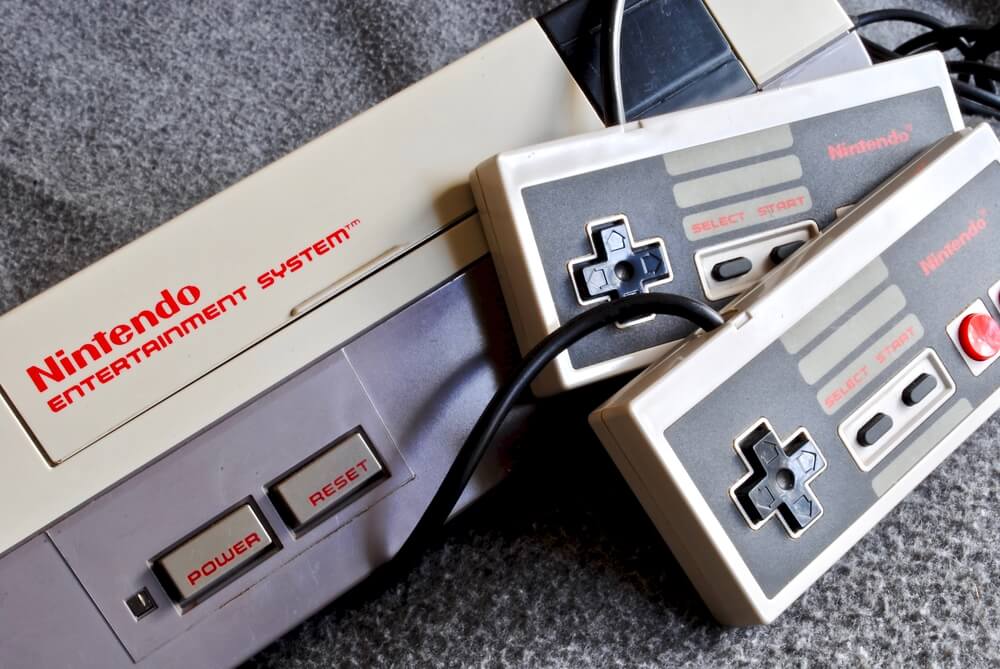
Nintendo tested its Entertainment System in New York in 1985 and expanded across the country in 1986. Retailers were wary of video games after the earlier industry crash, so the console arrived with R.O.B., a small robot accessory, to make it look like a toy rather than a game system.
Super Mario Bros. became the signature game and pushed the NES into millions of living rooms. Complete boxed consoles with their original manuals and accessories sell for noticeably more than bare units.
Super Soaker, Invented by a NASA Engineer

Lonnie Johnson, an engineer who had worked at NASA’s Jet Propulsion Laboratory, came up with the water gun while tinkering with a heat pump idea in his bathroom. Larami launched it in 1990 under the name Power Drencher, and the name changed to Super Soaker soon after.
Its pressurized chamber shot water farther and with more force than the squeeze pistols that came before. The toy became a summer hit and later a long-lasting brand, and Johnson became known for his work as an inventor.
Tickle Me Elmo and the Shortage of 1996
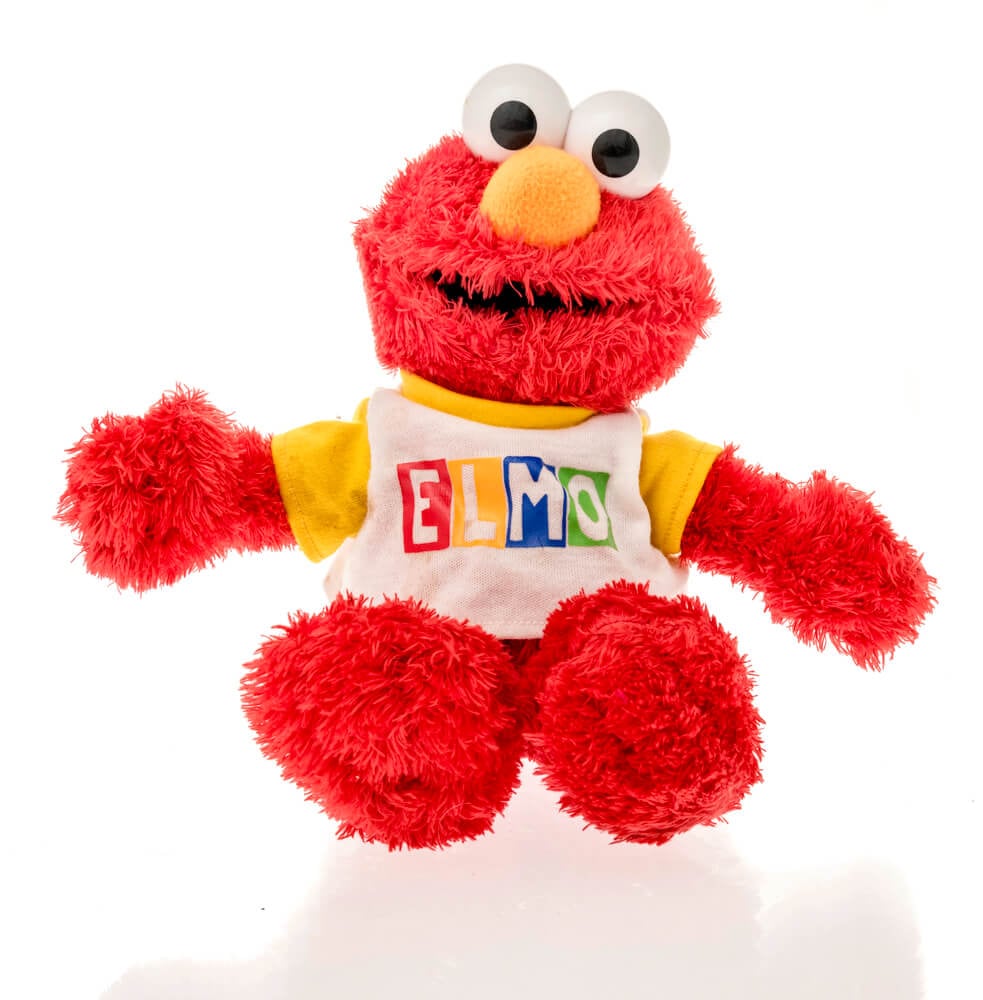
Tyco released Tickle Me Elmo in 1996, and the plush toy shook and giggled when squeezed. Retail prices stayed under thirty dollars, yet the toy sold out quickly and resale prices soared far above the sticker price.
A television appearance by Rosie O’Donnell helped push demand, and stores struggled to keep it in stock. The shortage became the best-known toy craze of the decade, and the plush became a standard example of how scarcity can drive a holiday frenzy.
Lincoln Logs, Inspired by an Earthquake-Proof Hotel
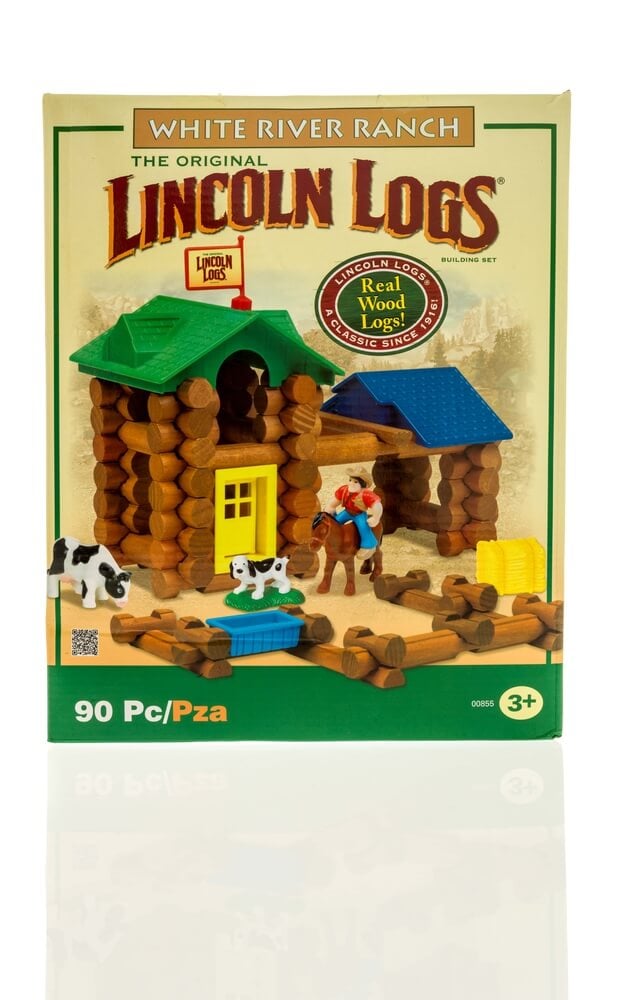
John Lloyd Wright, son of the architect Frank Lloyd Wright, introduced Lincoln Logs in 1916. He drew inspiration from the interlocking timber construction of the Imperial Hotel in Tokyo, which his father designed.
The notched wooden pieces let kids build cabins without glue, nails, or any special skill. Old canisters with original pieces are collectible, and complete sets in good condition are worth much more than scattered logs.
Rock ‘Em Sock ‘Em Robots and the Knockout Punch
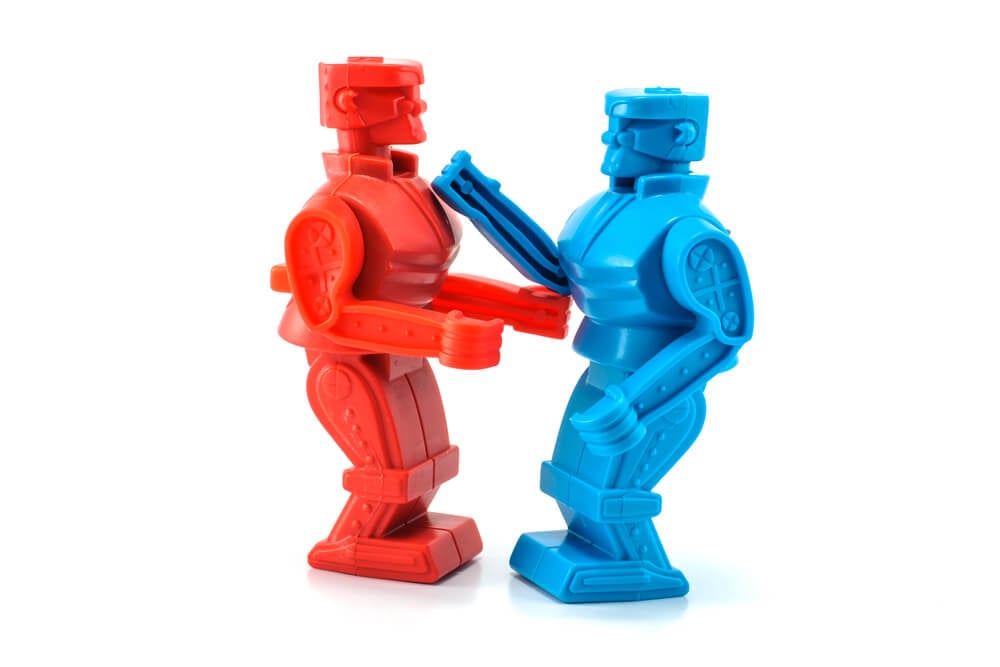
Marx Toys introduced Rock ‘Em Sock ‘Em Robots in 1964, and the two plastic fighters, Red Rocker and Blue Bomber, battled in a boxing ring. Players controlled their robots with plunger-style handles, and a well-timed punch popped the opponent’s head upward.
The game required no batteries or electricity, which kept it cheap to run and hard to break. Vintage sets in good working order with original box and controls fetch higher prices than worn or incomplete ones.
Twister and the Late-Night Television Boost

Milton Bradley released Twister in 1966, and early skepticism about the game almost kept it off store shelves. Its fortunes changed after Johnny Carson played it with actress Eva Gabor on The Tonight Show, and demand surged. The plastic mat with colored circles turned a living room into an awkward group puzzle.
Original sets with a clean mat and intact box are worth more than ones with torn or faded pieces.

Hasbro introduced Mr. Potato Head in 1952, and it became the first toy advertised on television. The original kit sold only plastic facial parts, and children were expected to push them into a real potato from the kitchen.
A plastic potato body arrived later, in the 1960s, after safety and practicality concerns. Early kits with their original box and parts are the ones collectors look for, and condition drives the price.
Play-Doh, a Wallpaper Cleaner Turned Craft Compound
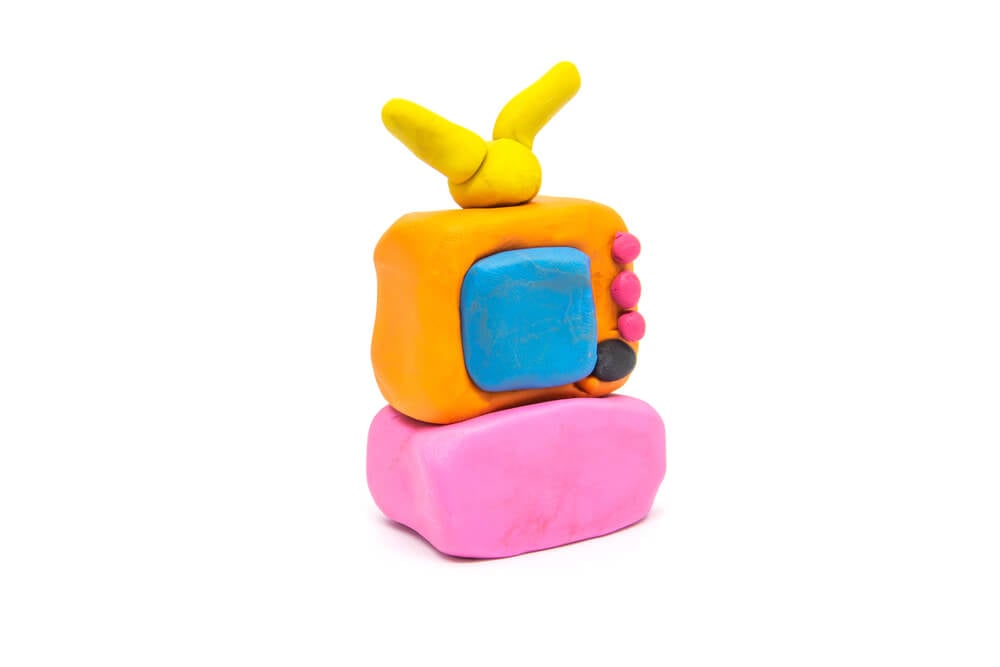
Play-Doh began as a putty used to clean coal soot from wallpaper, made by the Cincinnati company Kutol. When coal heating declined, the product lost its market, and the company repositioned it as a modeling compound for children.
It reached a wider audience in the 1950s, and a Captain Kangaroo appearance helped build its fame. The compound dries out fast when left uncovered, a fact every parent has learned the hard way.
G.I. Joe and the Birth of the Action Figure
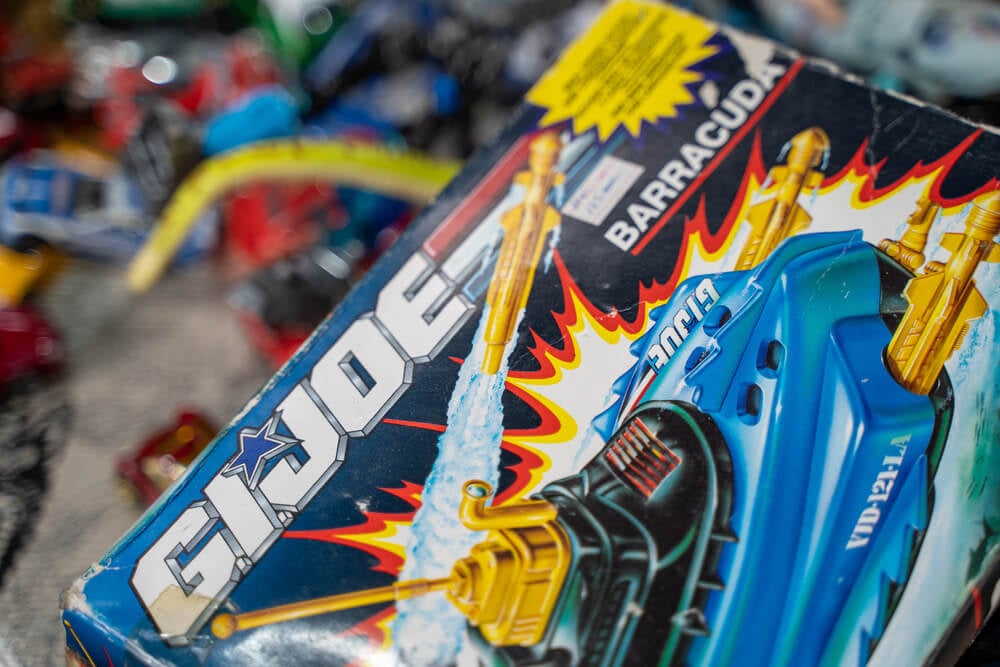
Hasbro launched G.I. Joe in 1964, and the 12-inch soldier was marketed as an action figure to avoid the word doll. Stan Weston developed the concept, and the original line featured Army, Navy, Marines, and Air Force versions.
Boys who might have refused a doll were glad to own a poseable soldier with accessories and uniforms. Early figures in original packaging draw collectors, though prices rise or fall with the condition of the figure and its gear.
Simon, the Electronic Game Launched at Studio 54
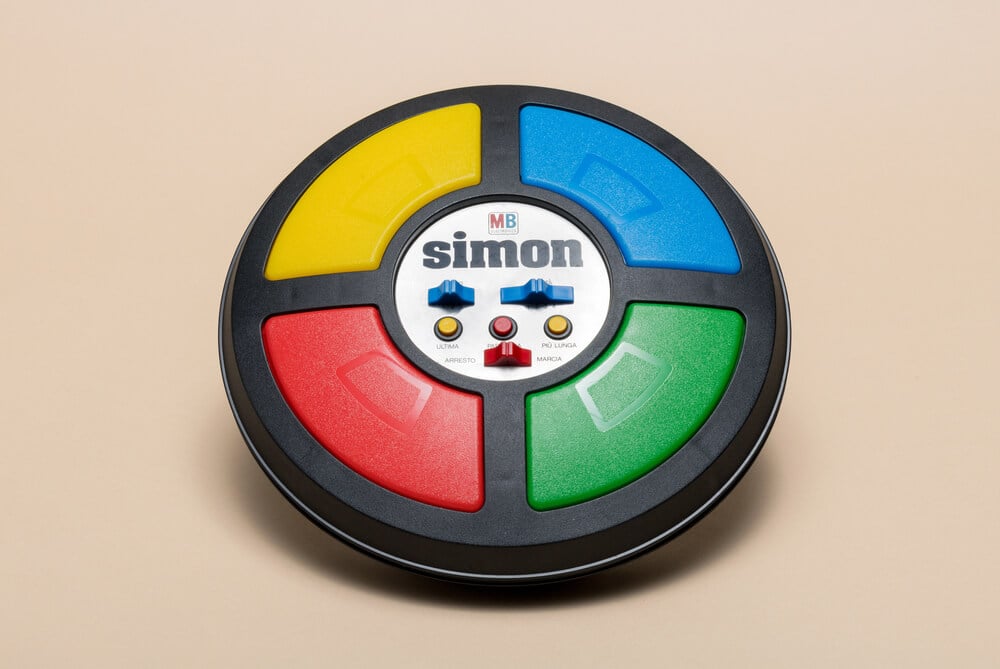
Milton Bradley released Simon in 1978, and the handheld game challenged players to repeat growing sequences of lights and tones. Ralph Baer, often called the father of home video games, was among its creators. The product debuted at a party in the famous New York nightclub Studio 54, which was an unusual venue for a toy launch.
Simon fit perfectly into the era’s fascination with electronics, and the four colored pads remain recognizable today.
Speak & Spell, the Toy That Taught a Chip to Talk
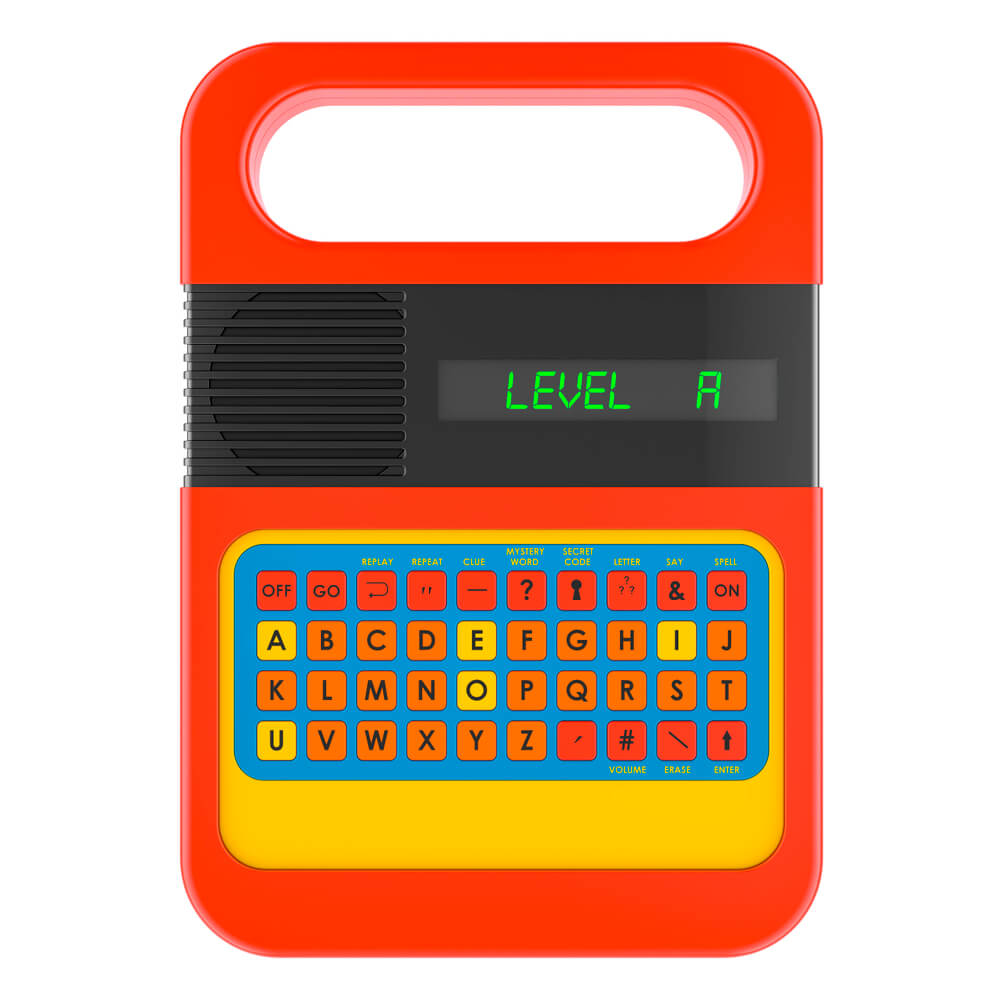
Texas Instruments released Speak & Spell in 1978, and it used a speech synthesis chip to say words aloud for kids to spell. The orange handheld required typing on a keyboard, and its robotic voice became a pop-culture fixture.
The device earned a famous role in a certain 1982 science fiction film about a stranded alien, where it helped him phone home. Working vintage units with intact battery compartments are more desirable than corroded ones.
What the Circled Pages Really Measured
Looking back, the catalog circled in red crayon says less about toys than about the people doing the circling. Each of these items arrived at a moment when something in the culture was ready for it, whether that was television advertising, space-age engineering, or a fascination with electronics. The toys that lasted tended to offer a single clear idea a child could grasp in seconds.
The scarcity stories are a reminder that wanting something badly can matter more than the thing itself. Parents lined up and kids waited for weeks, yet the real prize was often the anticipation. A shelf of old catalogs would show how quickly the fashions changed, and how many of the same ideas kept coming back.

- 27 Silver Dollars and Half Dollars Worth Keeping
- 28 Restaurant Menu Items Nobody Orders Anymore
- 17 Places Built in Seemingly Impossible Spots
- 27 Vintage Rings Worth More Than They Look
- 25 Restricted Sites Tourists Can’t Enter
Like Go2Tutors’s content? Follow us on MSN.
The Best Related Posts:
28 Restaurant Menu Items Nobody Orders Anymore27 Historic Buildings Torn Down That Cities Miss26 Medieval Inventions Still Shaping Life TodayMost Memorable NFL Draft Moments Of All Time
