

Marvel Comics and DC Comics have been the premiere purveyors of comics over the decades. Sure, they’ve had their competition over that period – Fawcett, Charlton, Atlas, Gold Key, Eclipse, First Publications, Comico, Image Comics, Dark Horse, BOOM!, Top Shelf, and way more that I’m definitely forgetting – but there’s a reason they’re called the Big Two. They’re the ones that everyone wants to be, the ones with the most popular characters, and they have helped define what the superhero means in the minds of the general public. Creators have taken ideas from across fiction to give their stories spice, with one of the most influential being alternate universes.
Videos by ComicBook.com
Alternate universes allow creators to take familiar characters to unfamiliar places. They’ve let them remix classic stories and create the kind of universe-shaking threat that have defined event comics. Over the years, creators have taken readers to a variety of alternate universe, but some of them have been more important than others. These Earths are the ones that the rest are based off, with these six being the most important in comics. Two of them are home to X-Men stories that helped make them the phenomenon they are.
6) Earth-1610

Going into the year 2000, Marvel Comics wasn’t in the best place. The publisher had went bankrupt over the ’90s, trying to milk the collector’s market for all it was worth and getting stuck with the bag. They also barely had any great writers by the time the 20th century ended, having concentrated on getting the biggest artists in the land. Joe Quesada and Bill Jemas would take over the company and the two of them set out to fix the problems of the last decade. They also wanted to try something that no one had the courage to do in years – create a new Marvel Universe.
Earth-1610 would be an Earth where the Marvel Universe began in the present day. Kicked off by Ultimate Spider-Man and Ultimate X-Men, it was massively successful, leading into the blockbuster that was The Ultimates. Earth-1610 was edgier and more realistic and gave creators the chance to do things they never would have otherwise. While you can argue with how good the quality of the stories were, the first Ultimate Universe was massively influential in its day; the books sold so well there was even talk of them replacing the main Marvel Universe and it inspired the early MCU. Not too shabby for the edgiest comic line you can imagine.
5) Earth-X
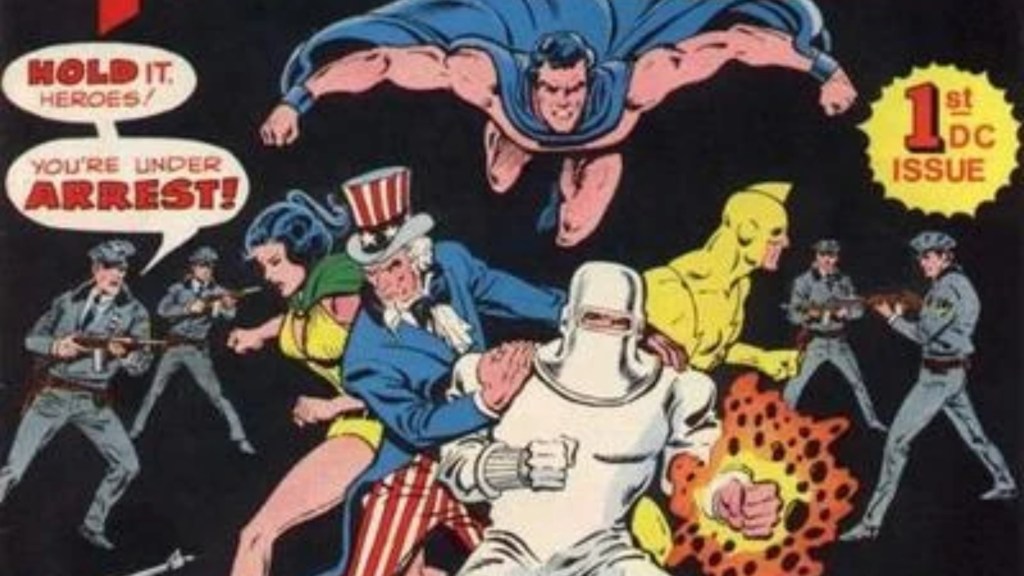
Quality Comics was one of the competitors that sprang up in the wake of Superman and Batman’s success, introducing heroes like Uncle Sam, Human Bomb, the Ray, Black Conder, Doll Man, and Phantom Lady. Quality would lose the sales race and was bought by DC, with its heroes eventually brought over to the DC Multiverse in 1973’s Justice League of America #107. However, their Earth was going to be different from any of the other ones that fans have seen over the years. On their Earth, the Nazis had won World War II, with only the heroes of the Freedom Fighters trying to stop them.
Earth-X would show up over the next 12 years numerous times, with the team even getting their own solo book for a very short period. Earths ran by Nazis became a big part of the various multiverses of not only Marvel and DC, but also of various other franchises across pop culture. All of them owe a debt of gratitude to Earth-X, one of the first, if not the first, examples of a venerable trope.
4) “Days of Future Past” Earth
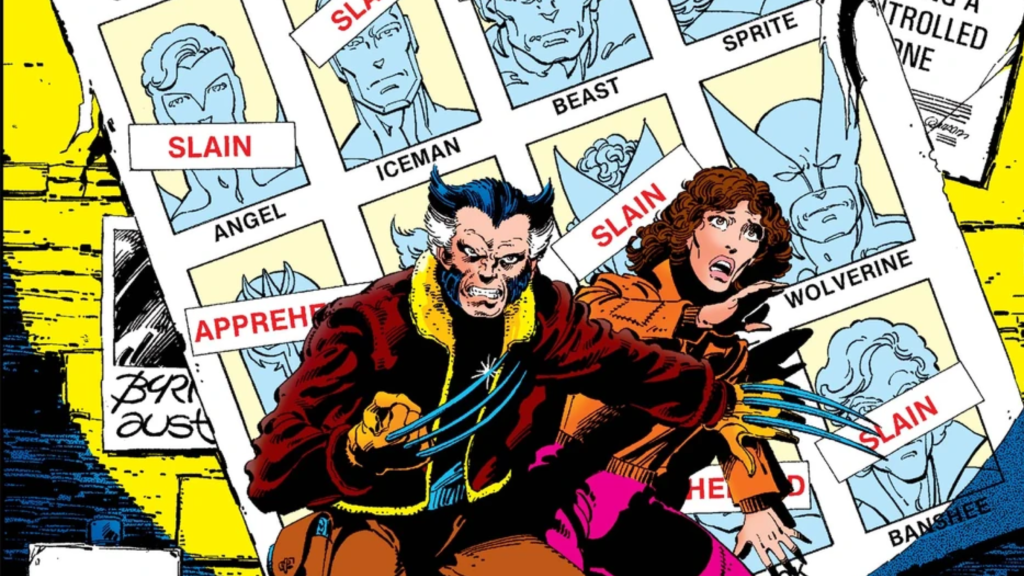
Nowadays, we’re talking a lot about futures dominated by AI in the real world, but we’ve been talking about it in fiction for decades. It feels like dystopian, AI-controlled futures go in and out of vogue and one of those periods of vogue was the ’80s. Uncanny X-Men #141-142, helped end 1980 with a dystopian bang. This two-issue story from the legendary Chris Claremont/John Byrne run on the book took readers to a future where the assassination of Senator Robert Kelly led to the passing of the Mutant Registration Act, which led to the Sentinels being created. This, in turn, led to the Sentinels deciding to take over humanity to keep mutants under control, killing the superhumans of the world and creating camps for the remaining humans and mutants.
“Days of Future Past”‘s Earth would return in the story “Days of Future Present” and has basically become the canon future of the X-Men. The story was so popular that we started getting dystopian future stories all the time. Basically, every major character has one; you know a character has made it when they get their own dystopian future. It’s become one of the most iconic stories ever, creating its own trope in pop culture.
3) Earth-Three
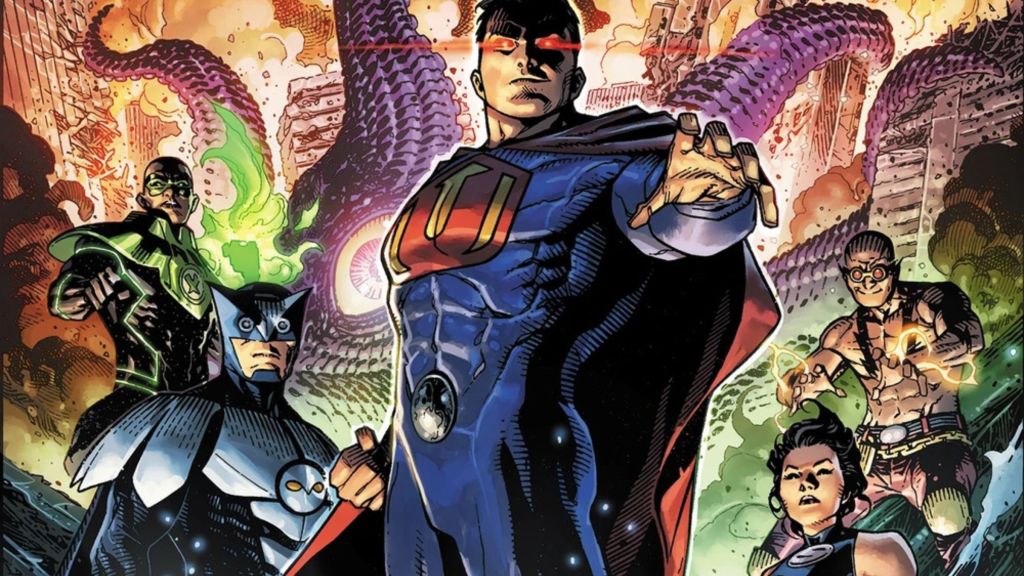
DC brought readers to the multiverse first and when they did that, they opened the door to the evil opposite Earth. The Justice League became the guardians of the multiverse, meaning that they would be the first superteam to ever get their own multiversal evil opposite team in the form of the Crime Syndicate (technically, the first evil opposite team was the Injustice Society, but they weren’t multiversal). Ultraman, Owlman, Johnny Quick, Superwoman, and Power Ring were the the greatest villains of Earth-Three, a world where evil always won, ruling their world with an iron fist. It would take the combined powers of the Justice League and Justice Society to defeat them, setting them up as some of the greatest Justice League villains ever.
Earth-Three was the first of many evil Earths, setting the tone for the ones to come. It took familiar characters and tweaked them just enough to make them evil, taking the greatest heroes and making them into the coolest villains. We’ve gotten books set on this Earth and seen it greatly expanded as Earth-3. It’s become one of those keystone multiversal worlds, and its success has meant that every multiverse has at least one world like it and usually numerous ones with different villain versions of hero teams in charge.
2) “Age of Apocalypse” Earth

The X-Men entered the ’90s as the world’s most popular superteam and they did it without movies, unlike some teams emblazoned with a big A. They somehow got even bigger in the ’90s and had what is possibly the most popular alternate universe story of them all – “Age of Apocalypse”. This Earth was created when Professor X’s son Legion went back in time to kill Magneto. In his reasoning, Magneto made Xavier’s life worse, which caused him to be a bad father, so killing him would fix everything. Psylocke, Storm, Bishop, and Iceman follow him back but Legion miss the mark and kills his dad.
This leads to a world where Apocalypse decided to start his mission against the world earlier because of the big flashy mutant battle, leading a superpowered army against the human governments of the world. Magneto would end up creating his own team of X-Men to honor his slain friend, fighting against Apocalypse’s empire. The original story is one of the greatest moments in comic history and books like Flashpoint, Age of Ultron, and numerous others have all copied it. Marvel has even tried with “Age of X”, “Age of X-Man”, and “Age of Revelation”, but none of them can stand with the 31 year old original.
1) Earth-Two

Superheroes first appeared in 1938’s Action Comics #1, which was the beginning of the world we know of as Earth-Two (I know, I know, it doesn’t make sense; just hold on). Superman, Batman, Wonder Woman, the original Flash and Green Lantern, Green Arrow, the Sandman, the Atom, Hawkman, Hawkgirl, Wildcat, Starman, Robin, Zatara, and many more all popped up in the intervening years, as well as a legion of villains. The Justice Society and the All-Star Squadron were formed, battling villains and the Axis Powers, superheroes got big and then cooled off in the ’50s, with Superman, Batman, and Wonder Woman being the only one continuing throughout the decade.
Earth-Two would gain its name in The Flash #123, leading to the creation of the DC Multiverse. The Justice Society would start showing up in Justice League of America, new Earth-Two heroes started appearing in back-up stories, and books like All-Star Comics made their return. Earth-Two became an important and popular part of DC from 1961 to 1986, showing how numerous universes could co-exist. If you love multiverses, raise a glass to Gardner Fox and the idea of Earth-Two.
What alternate universes do you think are the most influential? Any I should have included in this list? Sound off in the comment section below.
5 Superhero Schools That Could Turn Any Young Hero Into the Next Marvel or DC Legend
More Comics
-
Image Courtesy of Marvel Comics Comics
21 hours agoMarvel Gave Its Strangest Hero His Own Comic Series, A Decade Later Hollywood Turned Him Into a Cautionary Tale
-
Collectibles
1 day agoThe Green Goblin’s Origin Is a Spider-Man Classic, and This Silver Age Lot Has Eight More Issues to Explore
-
Comics
1 day agoX-Men #40 Is a Well-Done Example of a Story You’ve Read a Thousand Times (Review)
-
Image Courtesy of DC Comics Comics
1 day agoAbsolute Catwoman Is Getting Six More Issues, and DC Has Big Plans for Selina Kyle in 2027
-
Image Courtesy of Image Comics Comics
1 day agoI Saw Spawn Is a Bloody, Brutal Holiday Delight (Early Review)
-
Comics
1 day agoDC All In Saga: Darkseid vs. The World #1 Expertly Pushes the All-In Narrative Forward (Review)

1 Comment
Pingback: Forest Park teen battling cancer aims to become first Stan Lee Super Kid - Comic Vibe