

Trending Halloween costumes areho write about entertainment spend more time than we care to admit diving into costume memes to see who’s trending as October 31 approaches, whether we’re tracking a clever pairing of Nathan Fielder and Elizabeth Holmes or spotting Agamemnon fromThe Odysseyin the wild
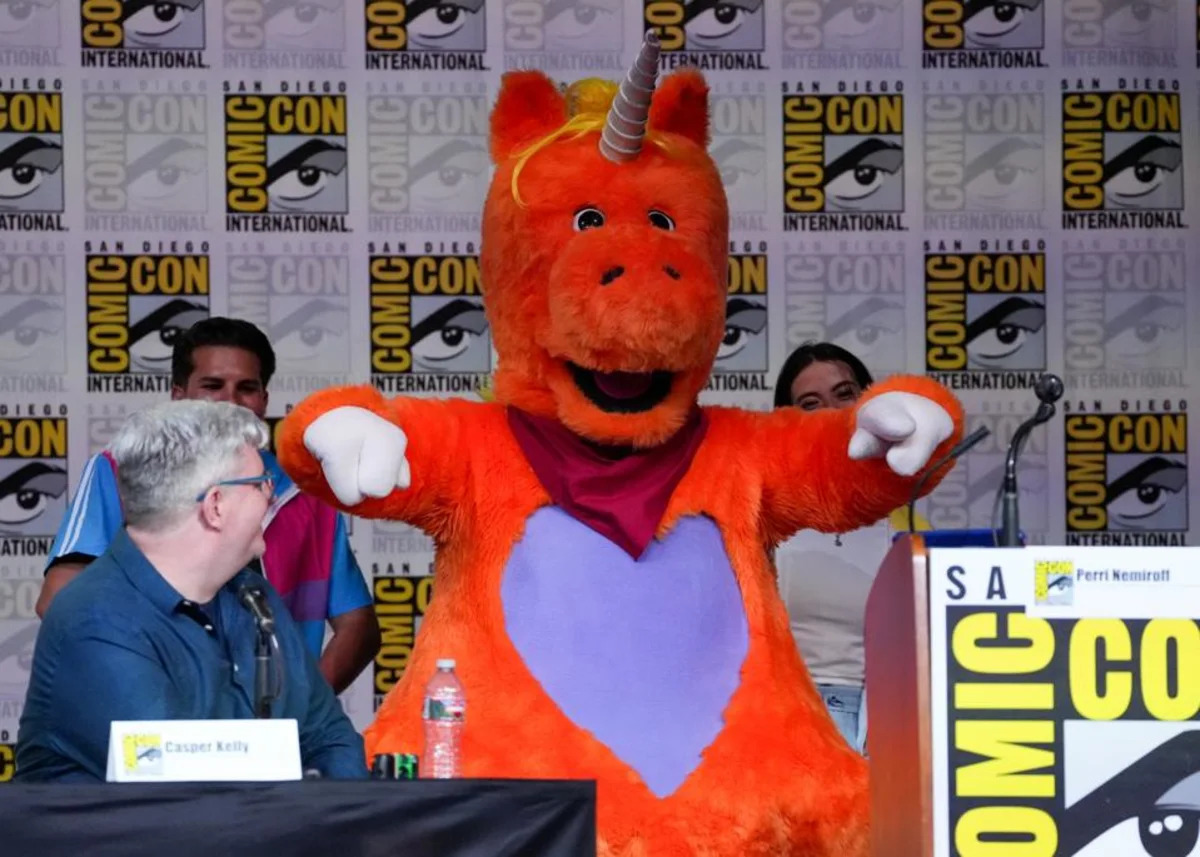
Each year, Google publishes a Frightgeist report, which tracks Halloween costume searches across the United States. This year’s trending list spans the pop culture spectrum. At the top of the list: Buddy the Unicorn, the murderous children’s TV mascot from the horror movie Buddy. Buddy is followed by the sensory toy NeeDoh, Nikki from Obsession, Agamemnon and Lily Lovebraids from horror video game series Poppy Playtime.
I’ve gone down a very deep rabbit hole to find out the all-important cultural signals emerging from the rankings over the past few years. I looked for patterns and clues to understand what the most popular costumes say about the entertainment landscape and about audience tastes. Here’s what I found out:
Hollywood’s Old Favorites Still Have Plenty of Life
For all the talk about Hollywood running out of ideas, Halloween reminds us why studios keep returning to familiar characters. In 2023, Barbie topped Google’s list of most-searched Halloween costumes, and of course Greta Gerwig’s blockbuster was the catalyst. Barbie even displaced witches, a perennial Halloween favorite, from the top position.
In 2021, Cruella de Vil appeared among Google’s most-searched costumes, and once again a movie, Disney’s Cruella, triggered the search. And the ever-dependable Spider-Man is a reliable favorite. People are drawn to the familiar, and well-known characters can retain their appeal for generations, often because of nostalgia. The entertainment industry doesn’t have to reinvent the wheel every year to capture the public’s imagination, but making them fresh to younger generations is the perennial challenge.
Netflix Has Become a Pop Culture Powerhouse
Netflix has been under the microscope lately for offering too much watered-down entertainment for the masses, but the largest streaming platform sure knows how to create a cultural phenomenon. Revisiting 2021 search trends reminded me of the massive success of Squid Game, the Korean survival thriller that premiered on Netflix. Squid Game‘s green tracksuits and pink guard uniforms were recognizable symbols of one of the year’s biggest entertainment sensations.
A year later, Stranger Things ranked fourth among Google’s most-searched costumes following the release of its fourth season. In 2023, Wednesday Addams ranked sixth after Wednesday premiered on Netflix.
But Netflix wasn’t done with us. In 2025, Korean culture once again created a sensation, as characters from the Netflix animated hit KPop Demon Hunters landed six of the top 10 positions on Google’s list. Rumi, Zoey, Mira, Jinu and Baby Saja claimed the first five spots, while Derpy the Tiger ranked eighth. That’s a lot of IP on one list.
Netflix has demonstrated that streaming can generate the kind of cultural excitement once associated primarily with major theatrical releases and network television hits. And unlike traditional television networks, Netflix can introduce a property to audiences around the world simultaneously, helping an unexpected hit become a global phenomenon remarkably quickly.
The Next Pop Culture Meme Can Come from Anywhere
Our collective attention spans are scattered among games, animated web series, film, TV, fan communities and many other cultural touchstones that didn’t even exist years ago. Halloween costumes reflect this atomization of attention.
In 2021, characters from the video game Among Us appeared among Google’s most-searched costumes. In 2024, CatNap from Poppy Playtime ranked third, while Pomni from the independently produced animated web series The Amazing Digital Circusranked fifth. Poppy Playtime returned to the rankings in 2026, when Lily Lovebraids, a sinister doll introduced in Chapter 5 of the game, appeared among the top five trending searches.
Some cultural sensations emerge from less predictable places, like Australian breakdancer Raygun, who ranked second among Google’s trending costumes in 2024 after her performance at the Paris Olympics became a viral sensation. In 2025, Labubu, the collectible toy that became a global craze, ranked seventh. This year, NeeDoh, a popular sensory toy, ranks second.
It’s comforting, actually, to know that the next big thing might emerge from some corner of pop culture fandom that hasn’t announced itself yet. Audiences defy expectation, and younger generations usher in tastes that make the cultural landscape more diverse and interesting.
A caveat: Google’s newer rankings identify costumes experiencing rapid increases in search interest. They don’t necessarily tell us which characters attract the most searches overall or generate the most costume sales. But the trending searches help us understand the power of cultural virality. That’s why Spider-Man can remain one of America’s most popular Halloween costumes even if Spidey does not always appear on the Google list.
A viral sensation can generate enormous excitement in a matter of days, but staying power is another matter. We’ll need to wait for next year’s Frightgeist report to find out who the new kids in town are and who is sticking around for the long haul.
This article was originally published onForbes.com

2 Comments
Pingback: Chiranjeevi all set to make debut with Netflix series 'Chiranjeevi's Megaverse' - Comic Vibe
Pingback: Danny Trejo's Donut Shop Closure Sparks ICE Jokes Amid 'Pawn Shop' Backlash - Comic Vibe