

Artificial intelligence can generate music, create videos and simulate conversations with remarkable sophistication. But as the technology becomes more deeply embedded in entertainment, one question remains: can it replicate the connection audiences feel with another person?
The question is particularly relevant to live streaming, where audiences spend hours interacting with creators, often developing relationships that can last for years.
Dan Clancy, chief executive of Twitch, believes those relationships are something technology will never be able to reproduce. “People come to live streaming for that human connection,” Clancy told The National. “As humans, we yearn for it.”
Although AI can imitate human behaviour, Clancy argues that audiences recognise the difference between interacting with a person and a digital substitute.
Yet AI-generated personalities are becoming increasingly sophisticated. Virtual streamers can now respond to audiences, produce content and maintain an online presence without a human performer directly controlling every interaction.
Their growing capabilities raise questions about whether audiences value the personalities they encounter or the knowledge that another person is behind them.
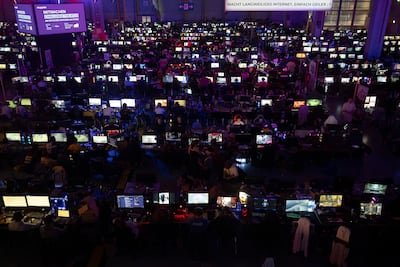
A 2026 study published in the International Journal of Information Management found that highly realistic AI streamers could provoke negative emotional responses, potentially discouraging engagement. It also found that a warmer-sounding voice could reduce some of these reactions, suggesting audiences respond to more than a digital personality’s appearance.
A separate 2025 study in Information & Management, involving 434 respondents, found that a sense of social presence helped foster emotional connections with streamers and a sense of belonging within their communities relationships were also associated with longer viewing times.
Neither study establishes whether AI can ultimately replicate human relationships, but both offer insight into what viewers respond to when watching someone live.
Clancy says community is central to why live streaming has grown beyond gaming into sports, conversation and other forms of entertainment.
“Gaming at its foundation is a community experience,” he says. “The reason gaming has gotten so big is because it’s a social experience.”
He compares that appeal to watching a television programme such as Game of Thrones, where discussing developments with friends becomes part of the enjoyment.
Streaming builds on that experience by allowing viewers to participate as events unfold. Broadcasters can respond to comments, acknowledge regular viewers, or change the direction of a stream based on audience suggestions.
It also gives people a place to share interests that might not be represented among their friends or family. Clancy points to gamers finding communities devoted to titles that nobody in their social circle plays.
AI, however, still has a place in that experience. Clancy says the technology can help streamers experiment with content and involve their communities.
He recalls an American streamer who invited viewers to generate videos featuring him using OpenAI’s Sora technology. The streamer then watched the submissions with his audience and selected the funniest.
The exercise demonstrated how AI could encourage collaboration without diminishing the creator’s role.
“They could come up with funny ideas of things he was doing, and they could quickly realise them,” Clancy says.
The distinction between generating content and building relationships also follows Twitch’s approach to helping creators grow.
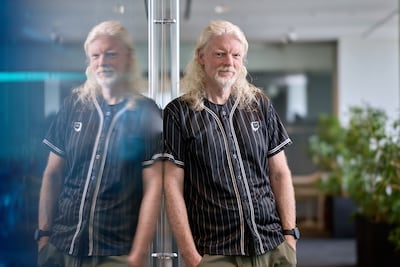
While the platform is investing in short-form clips to attract new audiences, Clancy maintains that longer broadcasts are more effective at building lasting connections. “Short-form content is better for discovery; long-form content is better for connection and community.”
He points to streamers such as Kai Cenat and IShowSpeed, whose popularity has extended beyond gaming into mainstream entertainment.
Clancy believes their success comes partly from the time audiences spend with them. Unlike scrolling through brief videos, watching a streamer for hours gives viewers opportunities to become familiar with their personality, interests and interactions with others.
That familiarity can develop into an attachment that outlasts its relationship with any individual platform. “The attachment isn’t with the platform; it’s with the creator.”
As AI-generated entertainment becomes more widespread, Clancy believes those relationships could become even more valuable.
“In a world full of swiping and short-form content and AI, people are more than ever looking for that authentic connection with [other] people,” he says.

1 Comment
Pingback: Kamal Haasan slams Elon Musk over Starlink licence comment; Kangana Ranaut reacts - Comic Vibe