

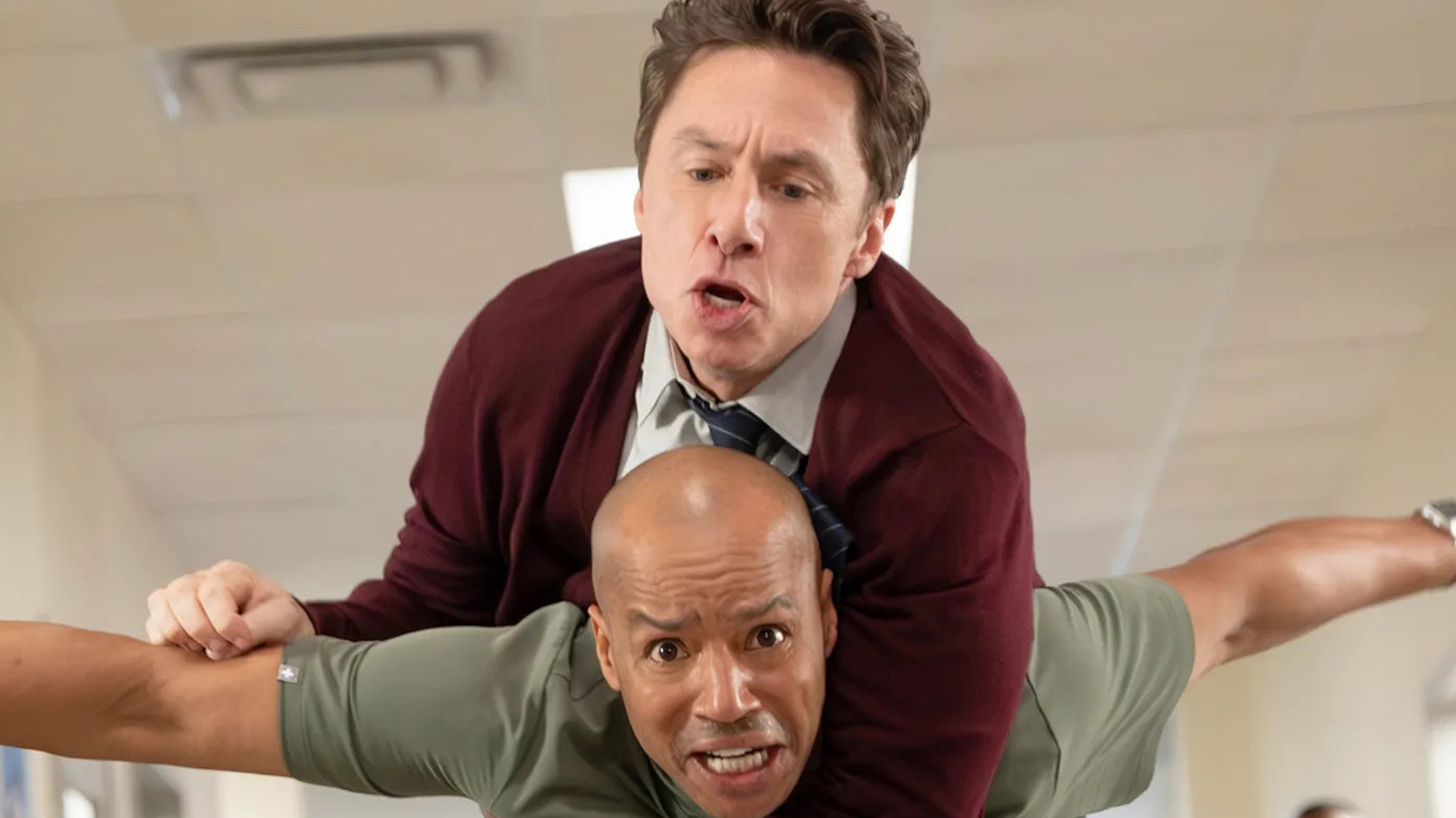
In an era where classic television shows are being rebooted left and right, few have managed to recapture the magic as well as the new season of “Scrubs” on Hulu. The original sitcom premiered on NBC in 2001, and although its initial run ended in 2010, the revival taps into what made the early seasons special: the medical drama of it all, the recurring theme of mentorship, and the blend of unique ensembles in a typically banal workplace setting.
“Scrubs,” at its core, draws on the long tradition of TV medical shows, following young doctors and their mentors at Sacred Heart Hospital, a teaching hospital for physicians early in their careers. Zach Braff stars as J.D., an immature and sensitive young doctor whose imagination and flights of fancy shape both his narration and the show’s vivid fantasy sequences. Among the supporting cast are his best friend Turk (Donald Faison), his on-again-off-again girlfriend Elliot (Sarah Chalke), and mentor Dr. Cox (John C. McGinley).
Though “Scrubs” is certainly not the first funny TV show about doctors, the wholesome tone and ambitious filmmaking style were refreshing in a time when multi-cam sitcoms and unlikable characters were the norm for TV. Whether they share its hospital setting, eccentric characters, or imaginative storytelling, these ten shows have plenty to offer fans of “Scrubs.”
M*A*S*H
It wouldn’t be right to discuss medical sitcoms without the grandfather of them all, “M*A*S*H.” The CBS series aired for over a decade from 1972 to 1983, not only garnering some of the highest ratings in television history, but also striking a rare balance for the time between comedy and drama. Set during the Korean War, “M*A*S*H” centers on the day-to-day lives of doctors at the titular emergency surgical hospital for American soldiers stationed in South Korea.
Alan Alda stars as Hawkeye Pierce, the charismatic chief surgeon whose womanizing ways and disrespect for authority contrast with his commitment to patients. It’s an easy comparison to Zach Braff’s J.D. in “Scrubs,” who is just as wise-cracking as Hawkeye but maybe less of a scumbag when it comes to his romantic life. There’s also Hot Lips (Loretta Swit), the head nurse whose clashes with Hawkeye occasionally resembles the friction between J.D. and Elliot, and Radar (Gary Burghoff), the young radio technician for the M*A*S*H unit whose earnest naïveté serves as a foil to Hawkeye’s cynicism and dry wit.
Although television obviously changed a lot between the ending of “M*A*S*H” and the start of “Scrubs,” the shows share a lot in common through their empathy for the struggles of doctors, whether they’re working in teaching hospitals or overseas. The saddest episodes of “M*A*S*H” may feel like a far cry tonally from the whimsical absurdity of “Scrubs,” but we probably wouldn’t have the latter without the former’s success.
St. Denis Medical
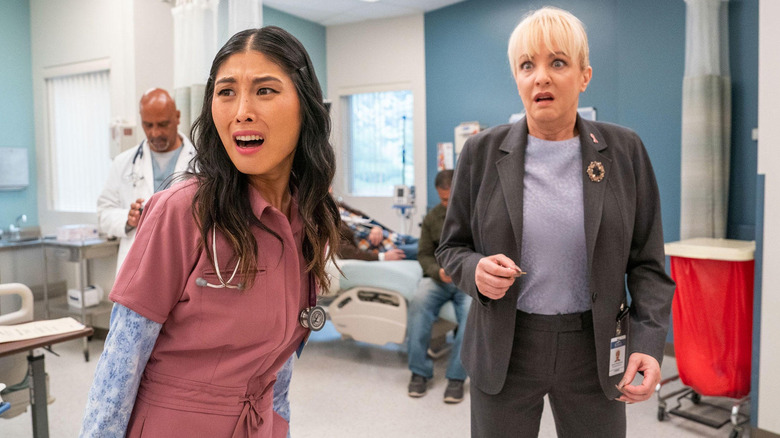
If “M*A*S*H” is the predecessor to “Scrubs,” “St. Denis Medical” is the proper successor, as one of NBC’s current sitcoms following the staff of an underfunded hospital in Oregon. Stylized as a mockumentary like previous NBC hits, “St. Denis Medical” feels like one of the freshest uses of the format, with Wendi McLendon-Covey playing the hospital’s ambitious director Joyce opposite David Alan Grier’s jaded physician Ron.
Across its first two seasons, “St. Denis Medical” has brought a contemporary perspective to both the medical sitcom and the mockumentary format. It may not have the fantastical dream sequences and strong point-of-view that “Scrubs” does thanks to Braff’s character, but the eclectic ensemble and wholesome tone are perfect for those who want more funny doctors on TV but are maybe sick of rewatching the same character archetypes over and over.
“St. Denis Medical” in its first season already established such a confident tone that, frankly, is rare to find on TV, especially given the scarcity of proper network sitcoms. If anything, the success of the NBC series might’ve been proof that “Scrubs” had potential as a revived show.
Childrens Hospital
On the surface, “Childrens Hospital” seems like an easy comparison to “Scrubs,” given they’re both comedy series set in hospitals. However, “Childrens Hospital” is much more of a spoof of medical TV shows than the Zach Braff-led series, even though (fun fact) they were both shot at the same hospital location in Los Angeles. Set at a children’s hospital supposedly in Brazil, the show was created by and stars Rob Corddry as the “Patch Adams”-esque Dr. Downs, while Lake Bell’s Dr. Black provides narration reminiscent of J.D. in “Scrubs.”
With a supporting cast including comedy veterans like Ken Marino, Henry Winkler, and Megan Mullally, “Childrens Hospital” enlists some of the funniest people on television to parody the tropes and melodrama of medical sitcoms and dramas alike. As an Adult Swim show, episodes typically run around 11 minutes, making the show’s seven seasons easy to get through.
Sadly, “Childrens Hospital” has remained a niche installment in Adult Swim’s oeuvre, despite its potential to be a sitcom that became more popular after ending. Its rapid-fire jokes and increasingly ridiculous approach to medical drama make it a good choice for “Scrubs” fans who particularly enjoyed the show’s more absurd moments.
Community
There aren’t many TV shows like “Community” out there, mainly because of how unique the NBC-then-Yahoo Screen show’s voice is. Created by Dan Harmon, “Community” centers on a Greendale Community College study group made up of wayward misfits. Although there are shades of “The Breakfast Club” in its odd pairings of smarmy ex-lawyer, dim-witted football star, type-A basket case, and Christian mother, the show has much more in common tonally with shows like “Scrubs.”
Though it’s not a medical show, the cast dynamics and imaginative storytelling in “Community” evoke the absurdist humor found in “Scrubs,” whether that’s Troy (Donald Glover) and Abed’s (Danny Pudi) obsessive TV-related fantasies, Jeff’s (Joel McHale) on-and-off relationship with Britta (Gillian Jacobs), or Annie’s (Alison Brie) commitment to doing everything by the book. Especially in later seasons of “Community,” Jeff returns to Greendale to teach law, not just resembling J.D.’s trajectory in “Scrubs” but literally paying homage to it by name in the Season 5 premiere.
“Community” may be a lot more cult-ish and niche in its interests than a more mainstream hit like “Scrubs,” but that rebellious nature is exactly why fans are still clamoring for the reunion movie over a decade after it ended. Hopefully, they don’t have much longer to wait before there’s actual movement on fulfilling the promise of #sixseasonsandamovie.
Shrinking
Since creating “Scrubs,” Bill Lawrence has gone on to become a prolific television producer with shows like “Cougar Town,” “Ted Lasso,” and “Rooster.” However, one of his biggest success stories is Apple TV’s “Shrinking,” a comedy-drama that focuses on a different kind of doctor than the ones “Scrubs” centered on: therapists. Jason Segel stars as Jimmy, a grieving therapist who becomes increasingly involved in his patients’ personal lives following his wife’s death.
Though Segel is in top form on “Shrinking,” some of the best episodes of the show are the ones that focus on the supporting cast, particularly Harrison Ford’s Dr. Paul and Jessica Williams’ Gaby, who is going through a divorce. Across its three seasons, “Shrinking” covers some pretty powerful territory thematically, from the hardships of dealing with debilitating illnesses to forging new relationships following the death of a loved one.
“Shrinking” proves that Lawrence hasn’t lost the heart that made “Scrubs” such a uniquely funny and sentimental show. In addition, Braff reunites with Lawrence numerous times behind the scenes, serving as director of several episodes and giving “Shrinking” yet another connection to the show that made its creator a TV legend.
Brooklyn Nine-Nine
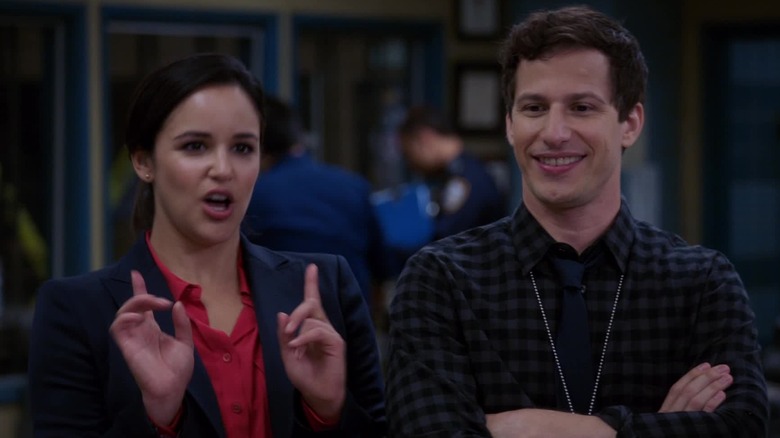
“Brooklyn Nine-Nine” trades the hospital halls of “Scrubs” for the bullpen of a New York City police precinct, but maintains a lot of the same character archetypes and comedic stylings. Andy Samberg stars as Jake Peralta, an immature but brilliant detective who clashes with the newest captain of the NYPD’s 99th Precinct, Andre Braugher’s stoic Raymond Holt. Their dynamic, as contentious and wholesome as it is, gives off clear shades of J.D. and Dr. Cox’s begrudging mentorship, though the similarities between the two shows don’t end there.
Fans of “Scrubs” will recognize Elliot’s book-smart, neurotic personality in Melissa Fumero’s Amy Santiago and Turk’s goofy best-friend energy in Joe Lo Truglio’s Charles Boyle. Though “Brooklyn Nine-Nine” faced criticism for its sympathetic portrayal of police officers, particularly amid renewed scrutiny of policing in 2020, it resembles “Scrubs” in its portrayal of public servants who genuinely want to help people, however immature or ill-equipped they sometimes seem.
Though the best shows like “Brooklyn Nine-Nine” might include other creations of Dan Goor or Mike Schur like “Parks & Recreation” and “The Good Place,” its status as a workplace sitcom with an eclectic cast dynamic keeps “Scrubs” as a worthy comparison. It certainly feels more like that comedy series than any other police procedural or crime drama on TV.
Party Down
Speaking of eclectic workplace sitcoms, “Party Down” is unique in that it was never the mainstream hit that “Scrubs” or some other shows on this list were. The Starz sitcom centers on a group of struggling actors and writers who make ends meet by working as caterers in Los Angeles, including former commercial actor Henry (Adam Scott), aspiring comedian Casey (Lizzy Caplan), sci-fi screenwriter Roman (Martin Starr), and their optimistic boss, Ron (Ken Marino).
Though its portrayal of the entertainment industry is more cynical than the relatively earnest approach “Scrubs” takes to healthcare workers, “Party Down” finds most of its similarities to the Zach Braff-led show in its cast, as different as they are in personality types. Henry and Casey’s on-and-off relationship feels very comparable to J.D. and Elliot’s fractured love story, while the presence of Ron and especially Jane Lynch’s Constance feels like a parallel to the likes of Dr. Cox or Dr. Kelso on “Scrubs.”
Another similarity is that both shows eventually returned with revivals featuring familiar cast members. “Party Down,” against all odds, returned for a third season on Starz in 2023, over a decade after the second season had aired. Starz’s revival proves that party isn’t over for shows of the 2000s, especially ones whose casts have since gone on to pursue incredible careers after the end of their series.
Psych
With a show like “Psych,” there may not be any patients to cure or medical emergencies to brave, but there are still lives in danger, with an unlikely amateur detective regularly finding himself at the center of the investigation. Airing for eight seasons on USA Network, “Psych” follows Shawn Spencer (James Roday Rodriguez), a hyper-observant man with an exceptional memory who convinces the Santa Barbara Police Department that he’s psychic.
Obviously, the premise leaves room for a lot of absurdist humor throughout “Psych,” not dissimilar to “Scrubs,” trading J.D.’s daydreaming for Shawn’s Sherlock Holmes-like deduction skills. Plus, a lot of episodes of “Psych” revolve around Shawn’s friendship with Dulé Hill’s Gus, who typically acts as the straight man to Shawn’s inane schemes in ways that feel reminiscent of J.D.’s bromance with Turk.
Ultimately, “Psych” and “Scrubs” share a lot of tonal similarities despite one being a half-hour medical sitcom and the other being an hour-long crime procedural, down to “Psych” getting mileage out of a running pineapple joke that was improvised in the pilot. That wholehearted embrace of the show’s quirky personality is what makes it an easy recommendation for anyone who fell in love with that same energy coming from “Scrubs.”
How I Met Your Mother
When it comes to comedy shows that helped define the 2000s, it’s hard not to mention “Scrubs” and “How I Met Your Mother” in the same sentence. Both shows were massive hits for their networks, despite straying heavily from the formula of shows like “M*A*S*H,” “Friends,” or “Seinfeld” that came before. “How I Met Your Mother” does this by portraying the entire story as told by an older Ted Mosby (Josh Radnor; Bob Saget voices his older self) about the winding paths that led him to falling in love with the eventual mother of his children (played by Cristin Milioti in the show’s final season).
Though this narrative thread simply provides a framing device for many of the show’s episodes, “How I Met Your Mother” takes after the success of “Scrubs” by incorporating Mosby’s own subjective point-of-view into the diegesis of the CBS series. His daydreams, false memories, and fragmented recollections often provide narrative tension, while “Scrubs” achieves a similar effect through J.D.’s fantasies and unrealistic expectations.
Many fans also consider the ending of “How I Met Your Mother” to be one of the most frustrating TV finales of the 2010s, but “Scrubs” fans know all too well what that’s like. The abandonment of a majority of the “Scrubs” cast for the ninth season, including a much-reduced role for Braff, is thankfully not the reason people feel like “HIMYM” goes off the rails, but at least their fans can commiserate in their disappointments.
Crazy Ex-Girlfriend
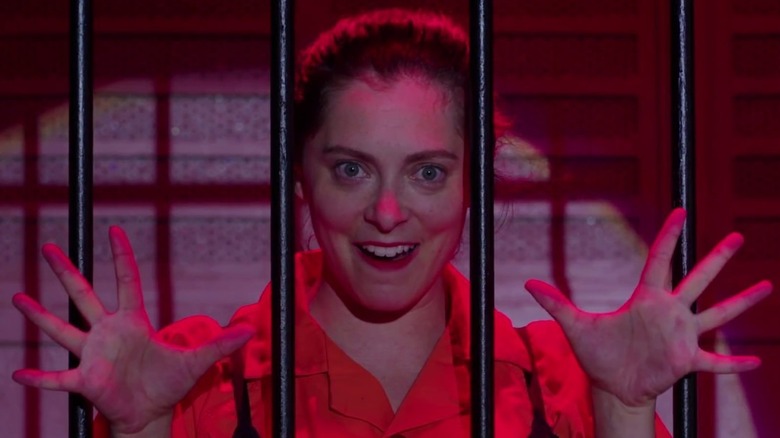
When it comes to comedy series that make great use of dream sequences, few do them with more flashy showmanship than The CW’s “Crazy Ex-Girlfriend.” The show was co-created by Rachel Bloom and Aline Brosh McKenna, with Bloom also starring as Rebecca, a lawyer who moves across the country in pursuit of an ex from her teens, despite her own denial of still having feelings for him. Across the show’s four-season run, Rebecca’s feelings for Josh (Vincent Rodriguez III) often manifest through elaborate musical numbers, which parody topics such as dating, romantic obsession, film tropes, and loneliness.
Given it’s way better than its misleading title would indicate, “Crazy Ex-Girlfriend” often hinges on these moments of fantasy to accentuate Rebecca’s emotions, making her an easy foil to the sensitive and imaginative John Dorian. “Scrubs” also experimented with musical storytelling in Season 6’s “My Musical,” using elaborate song-and-dance numbers to convey a patient’s unusual perspective on the hospital.
Despite its glitzy aesthetic and absurdist tone, “Crazy Ex-Girlfriend” regularly delved into serious topics that sitcoms don’t always address. Episodes exploring mental health, sexuality, and the portrayal of women in media are among the show’s strongest, much like the best “Scrubs” episodes, which sometimes set aside the humor for honest storytelling about death, guilt, and the burden of being a doctor.
