

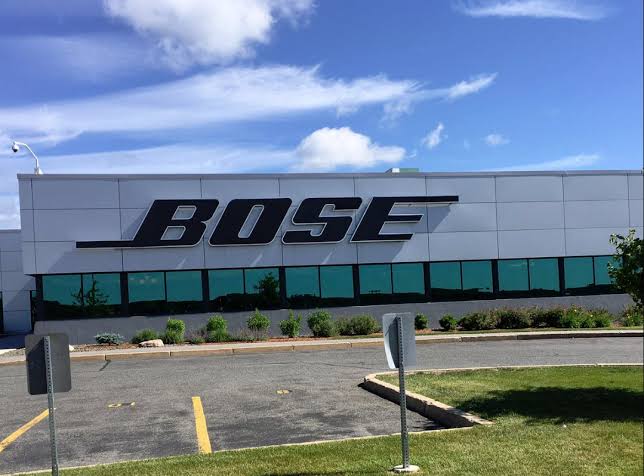
Bose Corporation has acquired Melbourne, Australia-based Firelight Technologies, the developer of the FMOD interactive audio platform, expanding the audio company’s technology business into gaming and other real-time digital experiences. Financial and other terms of the transaction were not disclosed.
The acquisition gives Bose ownership of technology widely used by game developers to create adaptive audio that changes in real time based on gameplay. Bose plans to continue investing in FMOD while maintaining the platform’s availability to developers, partners and customers.
Firelight has spent 25 years developing FMOD as an end-to-end set of tools for game developers, sound designers and composers. Its technology combines the FMOD Studio authoring environment with the cross-platform FMOD Engine, allowing development teams to design and implement interactive sound across game consoles, desktop computers, mobile devices and the web.
The software integrates with major game engines including Unity and Unreal, as well as custom development technology. That makes Firelight a different type of addition to Bose’s portfolio: rather than primarily adding another consumer audio brand, the deal expands the company’s underlying audio technology capabilities and its relationships with developers.
Gaming is a central part of the rationale. Bose sees interactive audio as an area where its existing research and engineering expertise can be applied to tools used by creators rather than solely to finished audio products.
“The acquisition of Firelight is a meaningful step forward in the Audio Technology business we’re building at Bose,” said Nick Smith, president of Bose Audio Technology and chief strategy officer.
Smith said gaming represents a significant growth opportunity for Bose, with Firelight expanding the capabilities the company can offer partners. Bose also plans to explore longer-term uses for interactive audio technology in virtual and augmented reality, automotive systems and other applications where sound increasingly needs to react dynamically to a user or environment.
For game developers, Bose said FMOD will remain open and broadly supported following the acquisition. Maintaining that continuity is significant because audio middleware can become deeply embedded in development workflows, connecting creative tools with game engines and the underlying systems responsible for real-time playback.
Firelight founder and CEO Brett Paterson said joining Bose would provide additional opportunities to develop the FMOD product roadmap without moving away from the developer community that has supported the platform.
“For more than two decades, we’ve focused on building powerful tools that help creators bring their ideas to life,” Paterson said. “Joining Bose provides new opportunities to advance the FMOD roadmap while continuing to support the community that relies on it.”
The transaction also reflects Bose’s efforts to extend its audio expertise beyond products carrying its own name. The company’s portfolio includes Bose, McIntosh and Sonus faber, spanning premium and luxury audio products for homes, vehicles and portable use. Bose also works with companies in other industries to integrate its technologies into third-party products and platforms.
Firelight adds a software and developer-tools component to that strategy. Its technology operates earlier in the audio production process, giving developers control over how sound is authored, implemented and modified as an application runs.
The acquisition creates the potential for Bose’s audio research and Firelight’s real-time software capabilities to be applied across a wider range of interactive environments. Initially, however, the focus remains on FMOD’s established gaming ecosystem and continued development of the platform used by its existing community.
