

Featured VideoMVP Chants After Allen’s 5th TD 🗣️
Control Resonant from developer Remedy Entertainment is one of the more unique, anticipated releases of the last decade.
Sounds wild to say in a historically stacked 2026 calendar release year. But Resonant is the wished-for return to the world of Control, the classic from 2019.
It’s also another return for Remedy, which is never shy about going away from what works. Sequels for Max Payne, Alan Wake and others left comfort zones for bold risks and repeatedly found ample success.

DJ Moore’s Injury Not Serious

Top Takeaways from TNF ✍️

Hyrox Athlete Apologizes for Pooping Pants 🥴
Resonant joins the list. There’s the mind-bending paranormal stuff, thankfully, but the story and backbone gameplay leave the comfort zone to try something new.
Like those before it, the risk could lead to another classic.
It’s no easy feat for any game to one-up The Oldest House as a setting and all-time set pieces like The Ashtray Maze.
Yet here comes Resonant, its sequel, attempting just that.
Resonant looks good in the expected, flashy next-gen ways when it comes to graphics, lighting and the souped-up stuff like all the -tracings of the day. Character models are expressive, the physics are good and the soundtrack is fittingly spooky or tense when needed. Plus, again, expected, but great voice acting.
All that undersells it, though.
Resonant has decided to start at Oldest House, then zoom out, tackling a big chunk of Manhattan in the process. There’s always a feel of fresh new areas and discomfort with every turn, as the ceiling can suddenly be the floor and many such reality-warping things happen. Like with Control, the setting here is very much a character in its own right and super memorable.
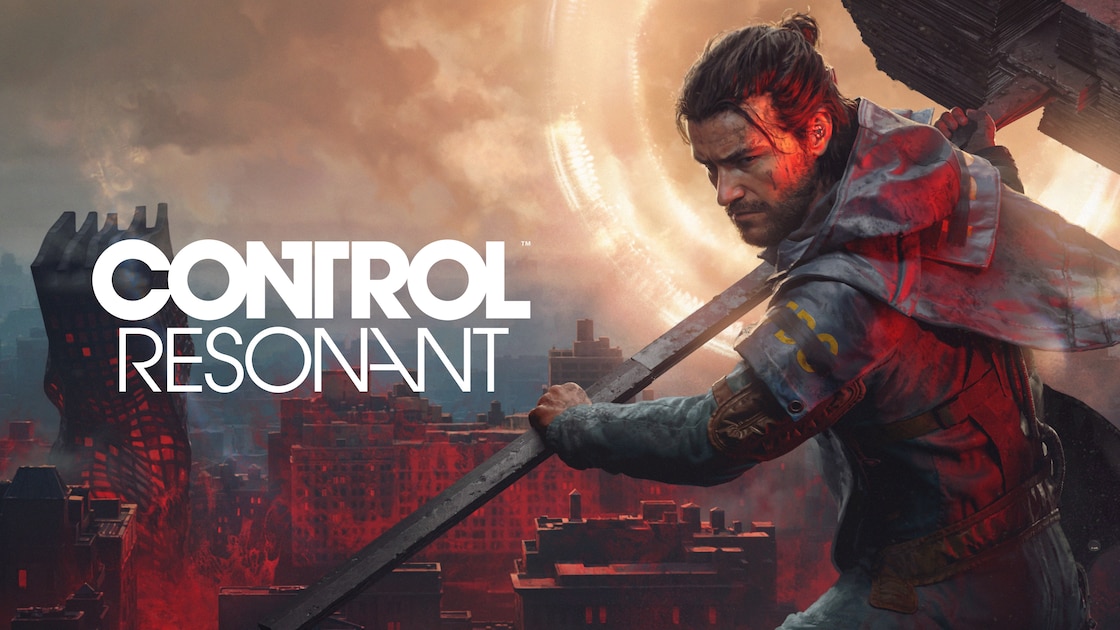
Whereas the 2019 effort largely focused its combat enough on weaponry and paranormal powers from range to classify as a third-person shooter, Resonant gets more nitty-gritty with a melee focus.
The main character’s “Aberrant” is a shapeshifting weapon that starts with a few simple forms before morphing into something else entirely, with customizable secondary forms, combo-enders and more.
Like its predecessor, Resonant lets players cut loose with all types of powers, too. There’s the tried-and-true “throw stuff from the surroundings” power. But there’s also a ground slam, burns, shields and all sorts of other telepathic powers one might be able to dream up.
Encounters can happen in waves, too. It’s not just clearing out an area anymore: Lesser enemies can keep respawning for more if players don’t deal with the elite foes nearby. But that goes the other way, too: Players can skip the fluff and get the big bads, which auto-clears out the little guys.
There’s a fun mix of things going on here. The floaty feel of Control’s combat remains, but it’s totally fair to throw out names like “Devil May Cry” while trying to sum up its parts. Either way, it’s a fun, fast-paced romp and tough skill selections and weapon decisions will let players fine-tune the experience to their liking and style.
Overworld traversal is fun and made easyn Faults, which are little challenges to complete. Otherwise, players are looking at multiple jumps, a glide and a dash they can chain, nothing unexpected
The whole thing grows and expands alongside the player’s own skill, which is an impressive feat. More to the point than anything else, though, it’s just fun to get into the combat when not looking slack-jawed at the latest anomaly around every corner.
Dylan Faden is the protagonist here and he’s searching for his sister, Jesse Faden, protagonist of the first game. Dylan happened to be from the first game too, though he’s changed quite a bit, appearance-wise.
Dylan is cut loose by the Federal Bureau of Control (FBC), hoping he can help in downtown Manhattan, where some sort of yet-ununderstandable entity wreaks havoc.
There’s a whole heap of backstory here that will make some excellent longform YouTube viewing. Point is, Dylan is quite a different personality than Jesse and doesn’t necessarily want to make amends for his role in the events of the first game, but he’d really like to find his sister and help out those innocents impacted out in the city, too.
This is Remedy, so the story is captivating, the side characters memorable and the environmental storytelling has no equal in the industry.
There are things beyond the story, too. Side quests are out there and, as mentioned, this can include finding little activities to overcome that reward movement abilities. There are also vendors scattered about who offer up re
Progression hits expected notes. A leveling-up system that bumps overall power level through ability and Aberrant upgrades offers both power and customization to the experience. On top of refining skill trees and weapon choices, players can craft artifacts and pick and choose the buff-debuff options to take into the fray.
As a whole, there’s a lite re. The system asks for some tough choices and encourages experimentation, which is a boon in its favor
Resonant runs well and is packed with helpful options in the menus, including a full-blown assist mode that players can customize to their choosing.
Remedy has done it again.
Some of Control’s greatest aspects, like the ambiance of the unknown, environmental storytelling and deep lorecrafting persist. But where the combat could have been “more Control,” and the protagonist “more Jesse,” Resonant goes a new way and finds a hit.
In all respects, Resonant is a feat of one-upmanship. It’s a sequel done right and continues to dominate the supernatural niche Control commands. Bonus points: It’s a Game of the Year contender, but has just the same decade-long staying power as the original.
