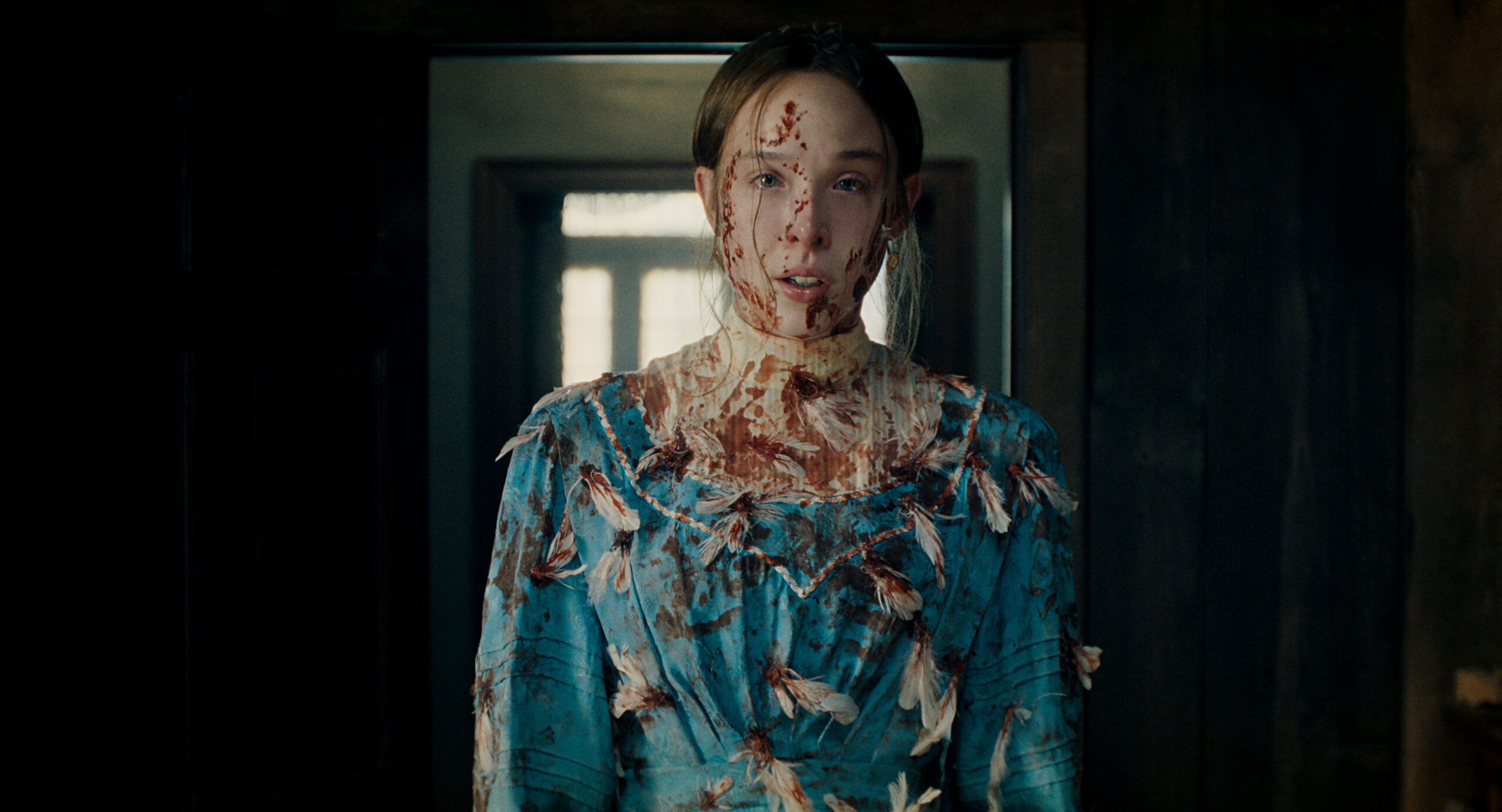
Monster: The Lizzie Borden Story / Netflix
A jury in Massachusetts once looked at a woman accused of splitting her father’s and stepmother’s skulls with a hatchet and decided she had done no such thing. Lizzie Borden walked out of the New Bedford courthouse a free woman. The country has spent every decade since refusing to take yes for an answer, keeping her a suspect in the culture long after she stopped being one in law, embalmed in a schoolyard rhyme that convicts her in four lines. That gap, between the verdict and the folklore, is the ground the new season stands on.
Monster: The Lizzie Borden Story is the fourth season of the Netflix true-crime anthology built by Ryan Murphy and Ian Brennan, and the first the franchise has organized around a real woman. Ella Beatty takes the title role. The season restages the killings in Fall River, Massachusetts, and the trial they produced, and it pulls Bridget Sullivan, the family’s live-in maid, in from the margins of the case toward the center of the drama. Vicky Krieps plays Sullivan; Charlie Hunnam is the father, Andrew Borden; Rebecca Hall is the stepmother, Abby; Billie Lourd is Lizzie’s older sister, Emma.
Everything that makes this season different is legible before a frame is seen. The Monster machine was built to take apart men whose guilt was never in doubt. Jeffrey Dahmer confessed. The Menendez brothers were convicted. Ed Gein was caught with the evidence of what he was. Those seasons could move from the crime toward some cold understanding of the person who committed it, because the crime itself was settled. Borden is the first subject the law cleared, which means the usual arc has nowhere to go. There is no confession to reach and no conviction to explain. The season can only move sideways, across the competing versions of a woman nobody was ever permitted to decide about.
That makes it the rare Monster installment with a genuine mystery at the center, and it arrives after a run of television built on the same nerve. The Girl from Plainville, Candy and Love & Death all handed the female defendant to a marquee actress and asked the audience to sit with a woman the courts could not simply condemn; Candy Montgomery, like Borden, walked free. What separates this season from that wave is register. Those shows played their cases straight, as tragedy or courtroom procedural. This one is reported to reach for comedy, which is a harder and more exposed way to tell a story about two people killed in their own house.
The load-bearing choice is tone, and it is a strange one. Murphy and Brennan are reported to be staging the material as feminist black comedy rather than horror, and scoring a Victorian household with modern pop, Kate Bush and Wet Leg among the artists named, so the century between then and now keeps folding shut. This is not the safe move. The Monster brand sells dread, and jokes told over a double killing can go sour in a second. But the register fits the case better than solemnity would. An acquittal is already an ironic object: the court says one thing, the public believes another, and both verdicts somehow stand. Comedy is one of the few modes that can carry two incompatible conclusions without collapsing into either. It lets the season hold the not-guilty finding and the guilty legend at the same time, which is how the story has always actually been told.
Beatty’s casting reads as part of the same design. The role asks a performer to sit in the space between guilt and innocence without resolving it, which is exactly where history parked the real Borden. The teaser trades on that ambiguity, presenting her less as a killer to be feared than as a figure the audience is invited to keep reassessing. The premise hands her the hardest possible assignment: to be believable as a woman who might have done it and might not have, and to make the not-knowing the point rather than a problem the finale is obliged to solve. Around her the season stacks a cast used to prestige ambiguity, from Krieps to Hall, and one pointed piece of franchise bookkeeping: Hunnam, who played the killer Ed Gein in the previous season, returns here as the father on the wrong end of the hatchet.
The most telling piece of casting sits at the edge of the story. Sarah Paulson appears as Aileen Wuornos, the name that carries its own weight in this exact genre. The last time the word Monster attached itself to a true-crime subject on screen at this scale, it was the 2003 film that won Charlize Theron an Oscar for playing Wuornos. A Netflix anthology called Monster casting a second actress as the same woman is not an accident; it is the series reaching back to the movie that fixed the word to a female killer in the first place, and folding that lineage into a season about how the culture decides who gets the label.
The historical anchor is the disbelief itself. A nineteenth-century courtroom could not make itself accept that a churchgoing, unmarried daughter of a wealthy man might pick up a hatchet in her own home, and that refusal did as much work at trial as any piece of evidence. The season’s interest in the bond between Borden and her maid, a thread reporting says it pursues, drags a question the court had no vocabulary for into the middle of the frame: what desires and resentments a respectable house was built to keep out of sight. The record leaves that relationship unproven, and the series appears to treat it as a way of reading the household rather than a fact it claims to have established.
There is a larger machine in view too, and the season seems aware of standing inside it. Streaming true crime runs on resolution; it exists to name a monster and give the viewer somewhere to put the dread. A case that ends in acquittal denies the genre its usual payoff, and Netflix is dropping all eight episodes together, converting an unsolved killing into a same-week argument across group chats and timelines. The show both feeds that appetite and raises an eyebrow at it, using the most commercial true-crime brand on the platform to ask why audiences need a culprit so badly that they will keep overruling a jury generation after generation.
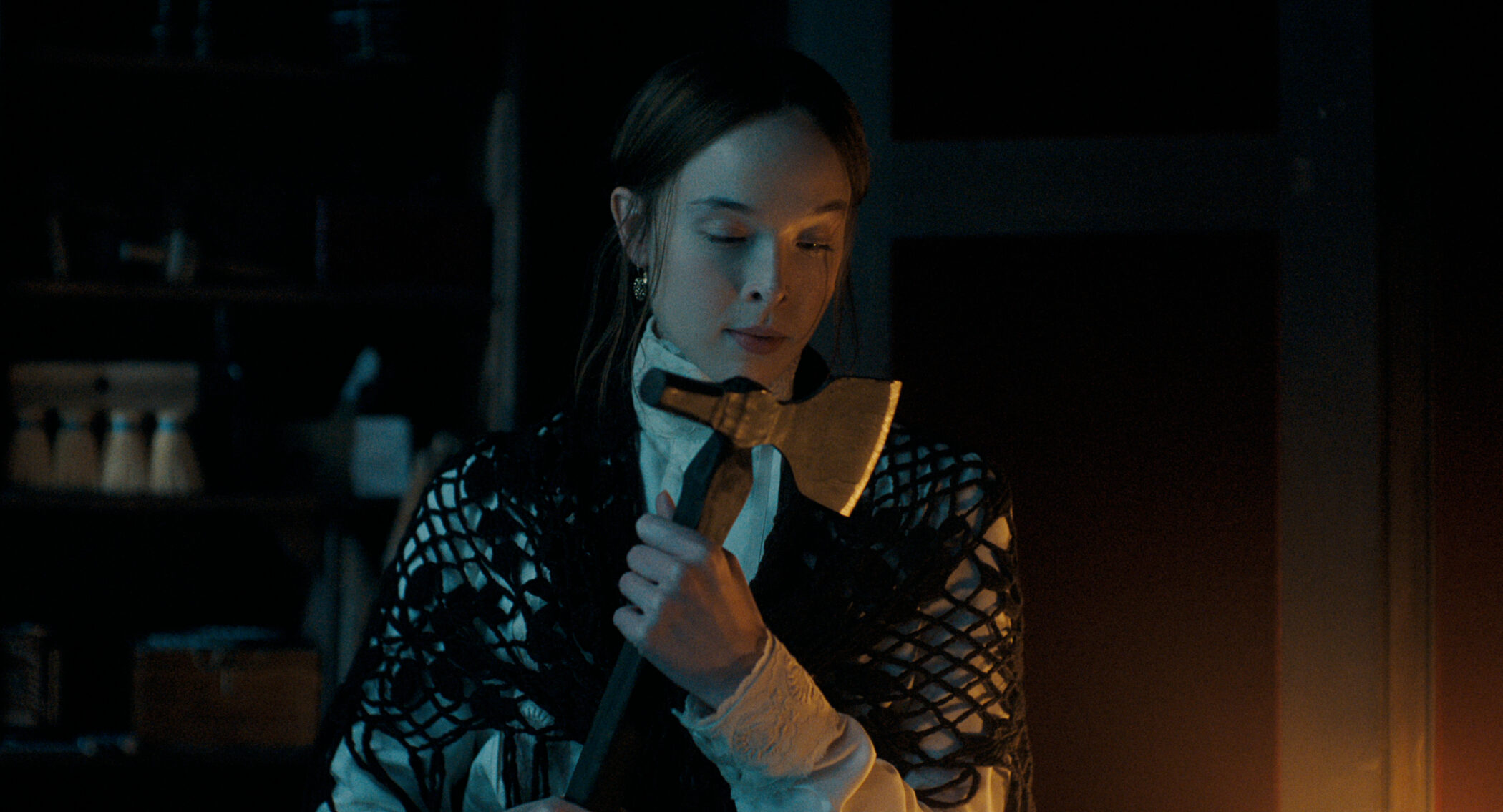
Which is the thing no verdict can reach. A conviction gives a culture a monster it can file and forget. An acquittal gives it a woman it has to keep arguing about, because the argument was never officially closed. The season’s bet is that this argument is the real story, and that viewers will leave the eight episodes roughly where the jury left the courtroom: unable to fully agree on what they have just seen, and unable to stop turning it over.
Monster: The Lizzie Borden Story premieres on Netflix on 17 September 2026, with all eight episodes available at once. Beyond Beatty, Krieps, Hunnam, Hall and Lourd, the cast includes Jessica Barden as Nance O’Neill, Joey Pollari as Lizzie’s uncle John Morse and Sarah Paulson as Aileen Wuornos. Max Winkler directs six episodes and Sarah Adina Smith directs the other two.

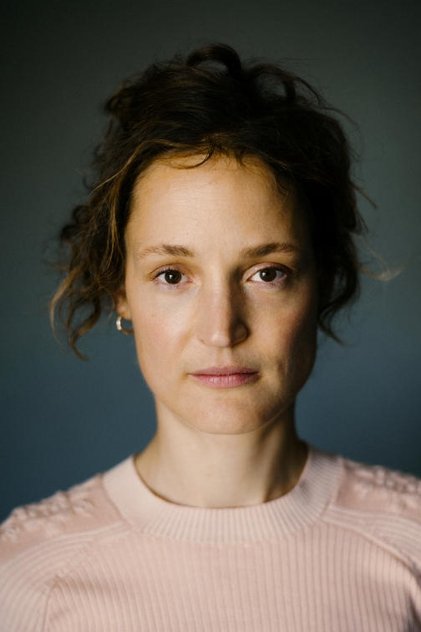
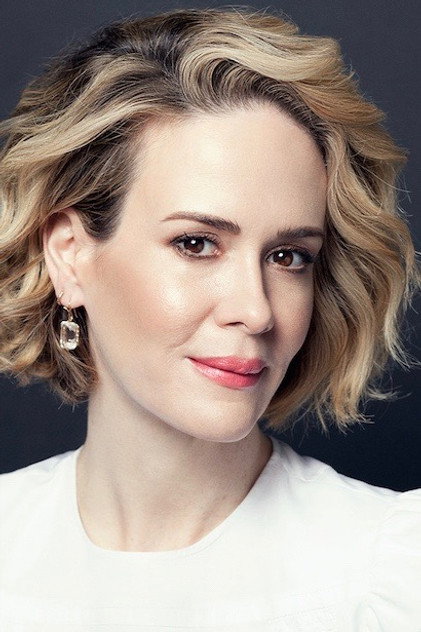

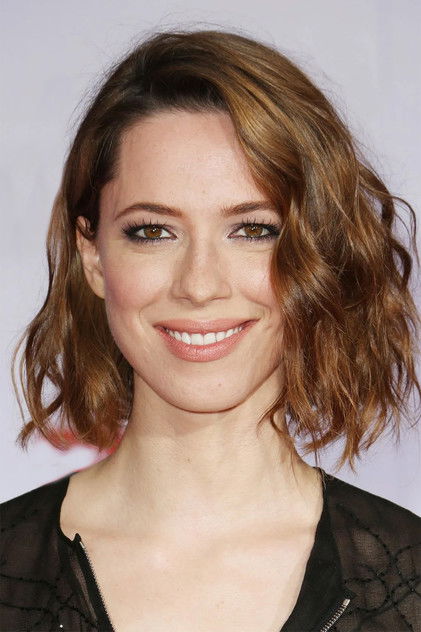


Photos: The Movie Database (TMDB)
More Like This

Furies Season 2 and the pulverizing anatomy of urban insurgency

“Behind Your Touch” (2023) New Netflix Series: A Comedy with Its Own Style (Whether You Like It or Not)

“Hierarchy” – Netflix’s Latest Korean Thriller: A Youthful Journey Through Social Structure, Love, and Mysteries
The Brothers Sun – Netflix Series: Action, Comedy, and Taiwanese Triads with Michelle Yeoh

“Public Disorder”: Netflix’s Gritty New Series Puts You in the Riot Police’s Boots