

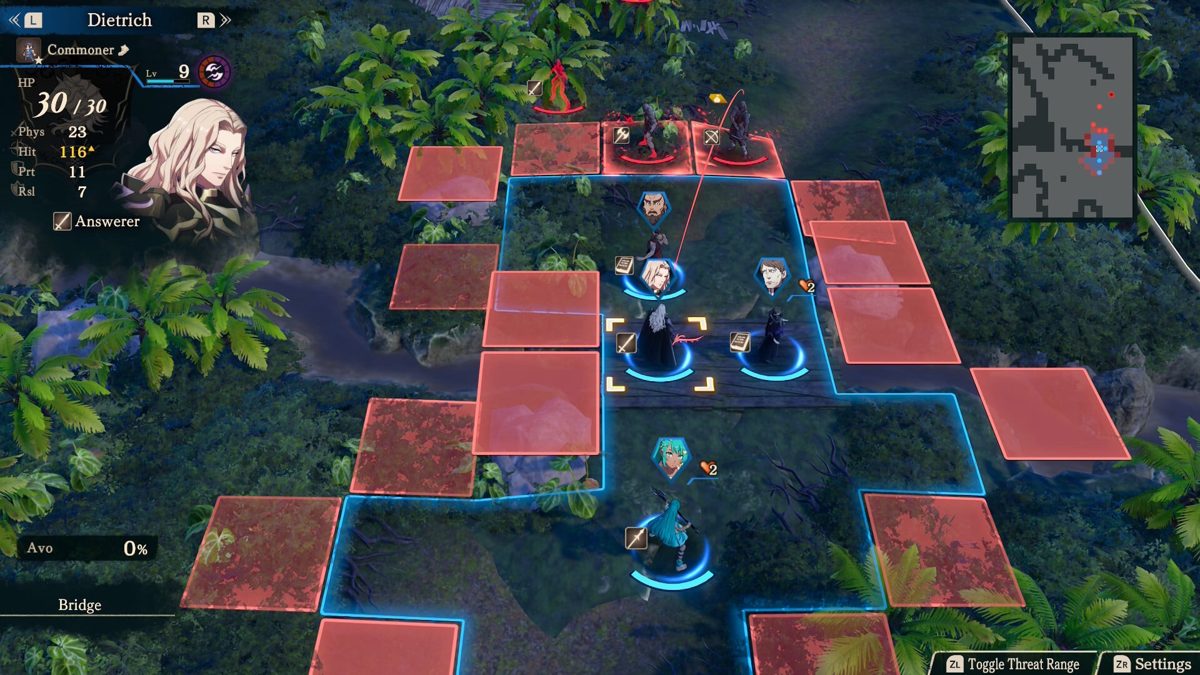
I have a confession to make, as a tech/video game journalist: I’m more than 80 hours into Fire Emblem: Fortune’s Weave ($69.99) on the Nintendo Switch 2, and I’m still not sure how to play it. You can stop reading and jump to the bottom of the page to comment on that statement right now before I explain why.
Get it out of your system? Great. So here’s the thing about Nintendo’s latest strategy RPG. It’s massive and structured like a handful of time loops and parallel stories in a linear, campaign-shaped trench coat. It’s also really excellent, with some of the best storytelling in the series, lengthy and challenging battles with loads of character customization, and basically everything that made Fire Emblem: Three Houses great besides the Persona-like high school setting. If you like tactical RPGs at all, and especially if you like Fire Emblem, this is a must-buy. It’s up there with both Three Houses and Fire Emblem Awakening as one of my favorites in the series. But I really want to talk about the game’s scope and how it’s arranged.
Structure: More Tangled Than Other Fire Emblems
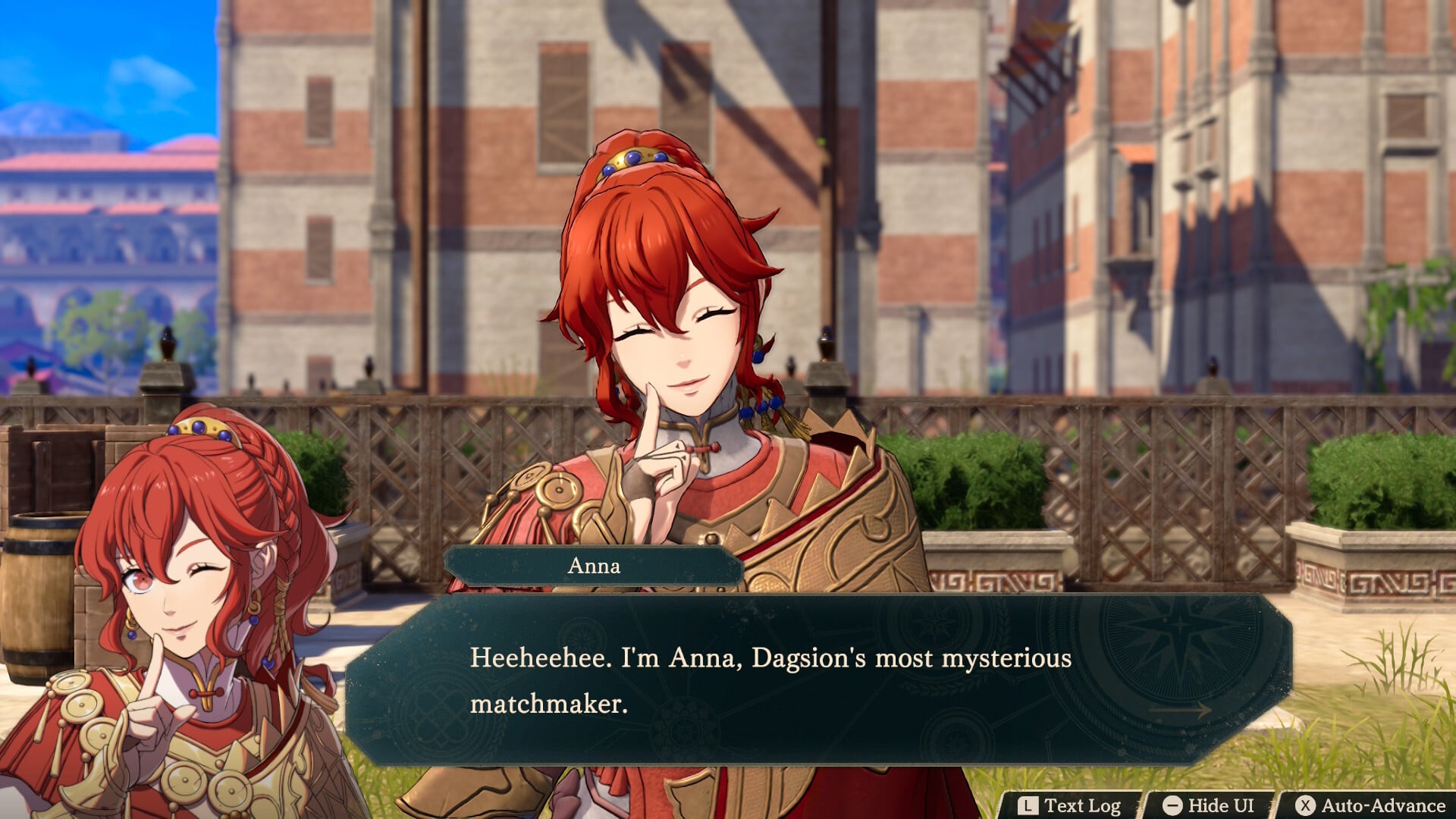
A multiple path structure might sound familiar to Fire Emblem fans, but it’s different from the choose-your-path structure of Fire Emblem: Three Houses or its spin-off Fire Emblem Warriors: Three Hopes, the buy-one-or-more-physical-games of Fire Emblem: Fates, or the vague multiverse fanservice of Fire Emblem Engage, and so far, I don’t see any of the potential time warp-fueled bloodlines like in Fire Emblem Awakening.
No, in this game, you’re given the opportunity to choose one of four stories almost immediately, and you can jump between them at almost any time. Where it gets complicated is that, rather than just switching between characters’ perspectives, you’re jumping between four distinct timelines with a ton of overlap between them. The game’s hub is literally a temple where you walk up to an obelisk representing each character and start playing as them.
Playing through the full campaign of an obelisk can take 15 to 20 hours, after which you return to the hub temple to either select one of the other obelisks or play through the second act of the story you just beat. Or you can march out of the doors of the temple into an endgame you probably won’t be ready for.
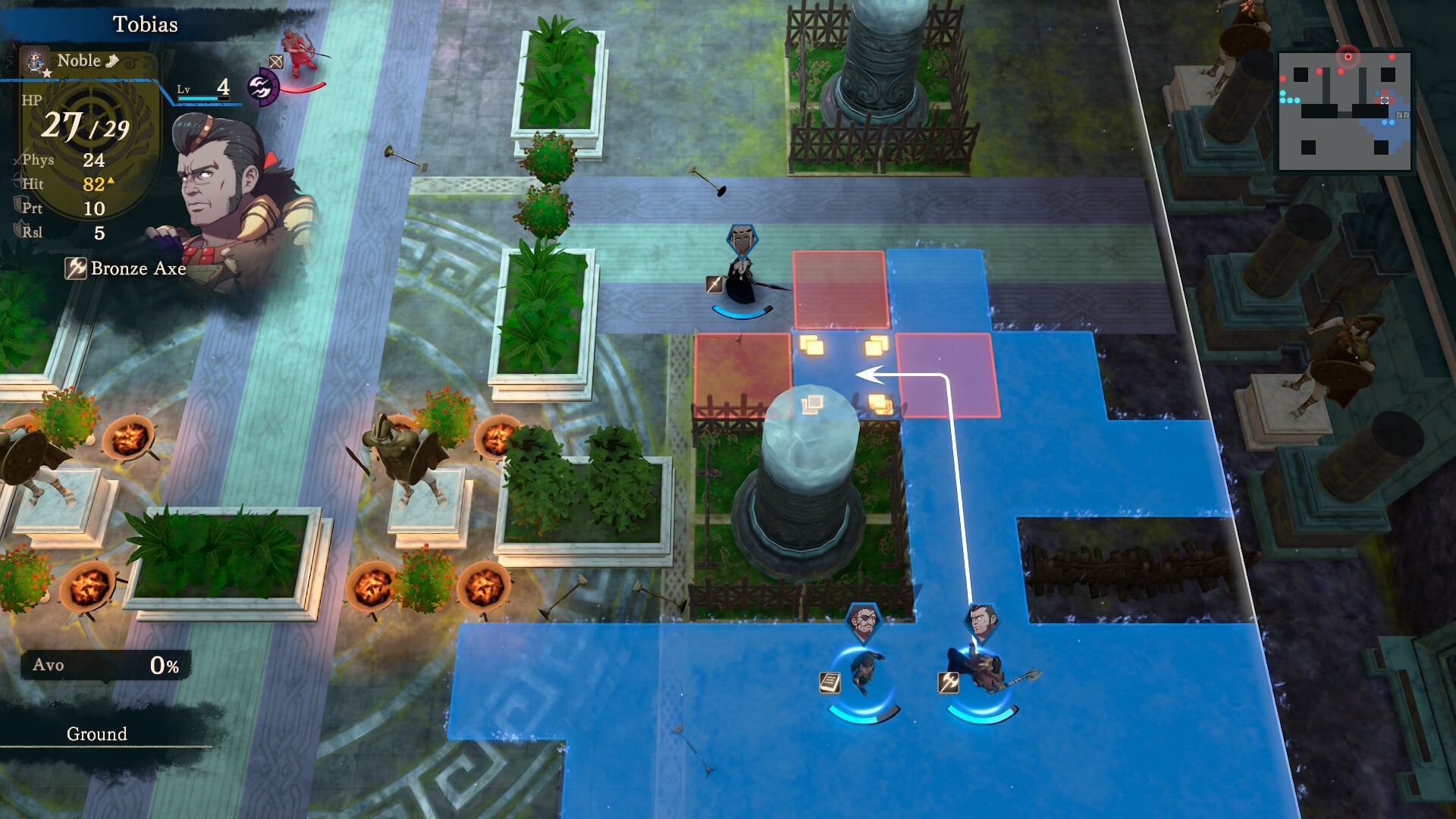
How to engage with the structure of Fortune’s Weave is the biggest and hardest to answer question in the entire game—and this is a lengthy tactical RPG with a lot of mysteries and interweaving plot threads. I genuinely don’t know whether the best course of action is to plow through one character’s story and try to beat the game, or to methodically go through all four before facing the epic climax. I chose the latter, which means I’ve been playing for over 80 hours and I’ve only just done the first of four act twos. And there’s at least one more act after that.
To be entirely fair, the acts aren’t split into equally long sections. It’s very front-loaded across the first acts, which are filled with plenty of exploration, side quests, recruiting, training, and other activities like in Three Houses. The second acts are much more direct campaigns, structured like older Fire Emblem games. But even at five to seven hours per second act, that’s easily a solid 100-hour game. And judging by the sorts of armies and the levels of their units I encountered in that single second act I played, you’re clearly expected to build up your forces as much as you can.
I’ve had a good month to get through Fortune’s Weave before its release, but I’ve also had other things to do. So here I am, writing about the game far before the credits have rolled and pondering my choices. So this is less a review and more a structural analysis, but if you really want to know whether you should get Fortune’s Weave (and you already know what to expect, mechanically, from a Fire Emblem game), all you need to know is that after this story goes up, I’m probably going back in to push through the whole story. It might take me weeks or months, but I’ve been having enough fun, and I’m invested enough in the story that I’m going to stick with it.
Story: O Fortuna
Speaking of the story, here’s the deal: In Fortune’s Weave, you’re the agent of the literal goddess of fate, Fortuna, sent to meddle in the timelines of four characters to change their futures so they can help you fight back against the end of the world, or at least the continent of Dagda. Dagda is located south of Fodlan, where Three Houses is set, and is heavily influenced by the Roman Empire in its aesthetics, mythology, and diplomatic relations.
All four are headed to the capital city of Dagsion to compete in the Heroic Games, a tournament where the winner’s request is granted by the holy emperor and literal deity Solel. You’re sent back because the world is kind of ending, and the hordes of the underworld are killing everyone at the present, and Fortuna thinks that making sure those four people survive the tournament will help turn the tide.
The heroes’ lives and motives vary. Cai is a teenage boy who wants to save his father from execution. Dietrich is a warrior from Fodlan who wants the greatest fight he can ever find. Theodora is the queen of a kingdom to the south who wants prosperity and recognition for her people. Leda is a young noblewoman on a quest for vengeance. They’re all charming, and each has a handful of equally fun supporting characters joining them on their journey. Each also has a well-fleshed-out motivation and gets a compelling character arc.
Of course, there can only be one winner of the Heroic Games. But you’re also a time-traveling agent of the goddess of fate, and exactly how interfering with each hero’s quest affects the outcome of the tournament isn’t remotely clear. I’m not saying this is Fire Emblem’s take on an Elder Scrolls Dragon Break event, but I’m not not saying that, either.
Taking It in From All Angles
If this all was just a confusing justification for a Fire Emblem game to make you play through the same story multiple times, it wouldn’t be an issue. It’s that the storylines don’t cover the same events. There are some common side quests among them between the big story events, and some of the fights in the arena are the same, but outside of them, each character has their own unique campaign that peels apart a different aspect of the game’s strangely dense narrative.
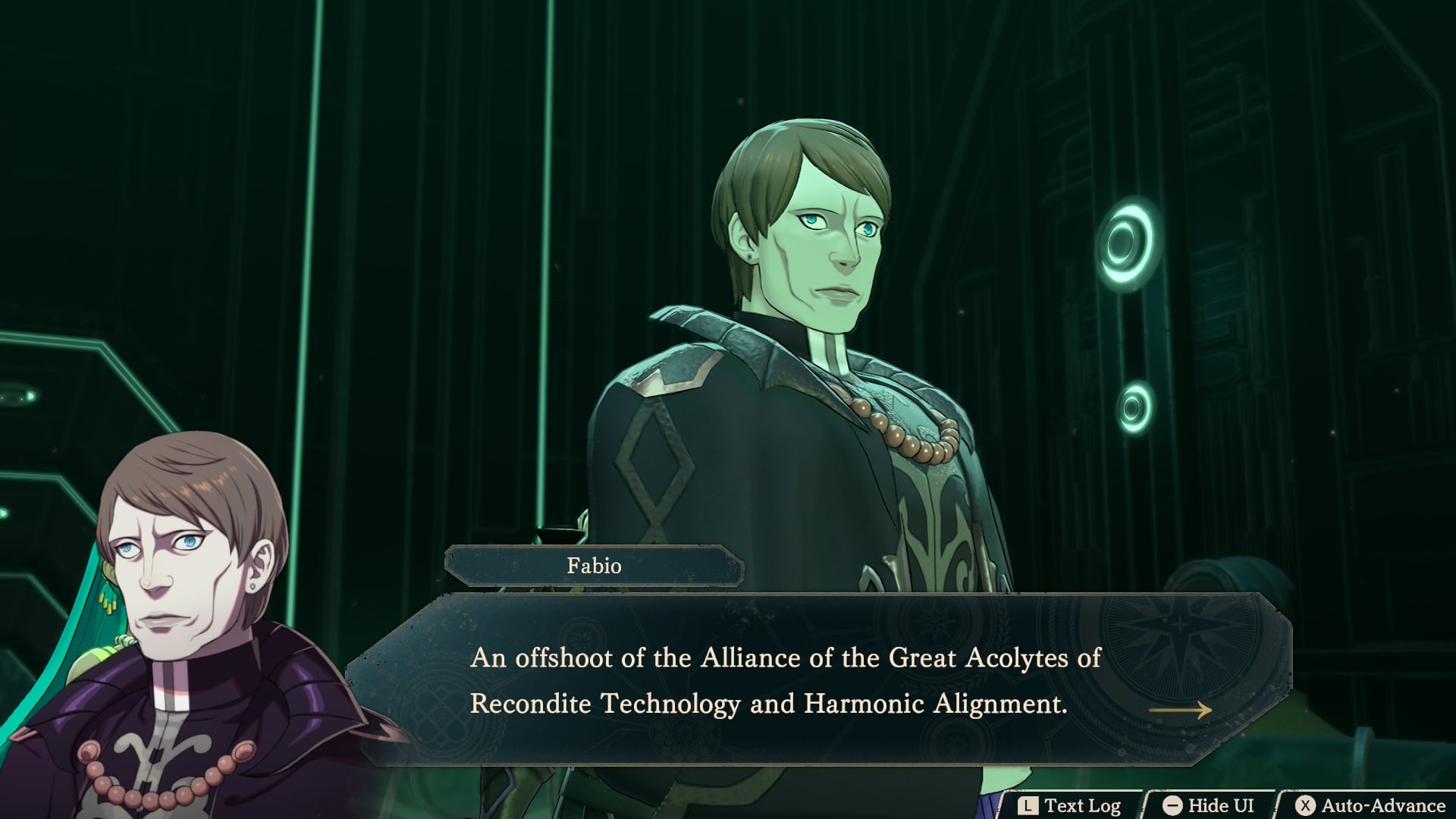
In one character’s story, you’ll get a glimpse at the land’s pantheon of gods and the tensions between them. Another exposes you to the political issues of a neighboring kingdom and the historical and mythic forces that weigh on its tenuous relationship to Dagsion. Yet another has sci-fi intrigue, complete with laser guns, and that’s not even a spoiler because it was in the game’s trailer and Nintendo Direct. There’s so much, and it’s all related in weird and complicated ways that go way beyond the paths of Three Houses. It’s narratively rewarding to play along these not-quite-parallel paths that keep crossing.
It’s a huge game with plenty of story and variation, but it’s paced and structured so strangely that those aspects aren’t immediately apparent. I didn’t see just how many things changed between storylines and where each one went until I was pretty deep in; it took about 30 hours before I could confidently say that Fortune’s Weave wasn’t another case of choosing your team based on your philosophy, tastes, or pure vibes and then just going through the game. I was having fun going through it, but I still wasn’t sure just how much repetition I could expect. There were just enough similarities to keep doubts in the back of my mind until I really took in everything that was going on, and diverging significantly, outside of the tournament. As its name implies, it really is about several threads of fate woven together.
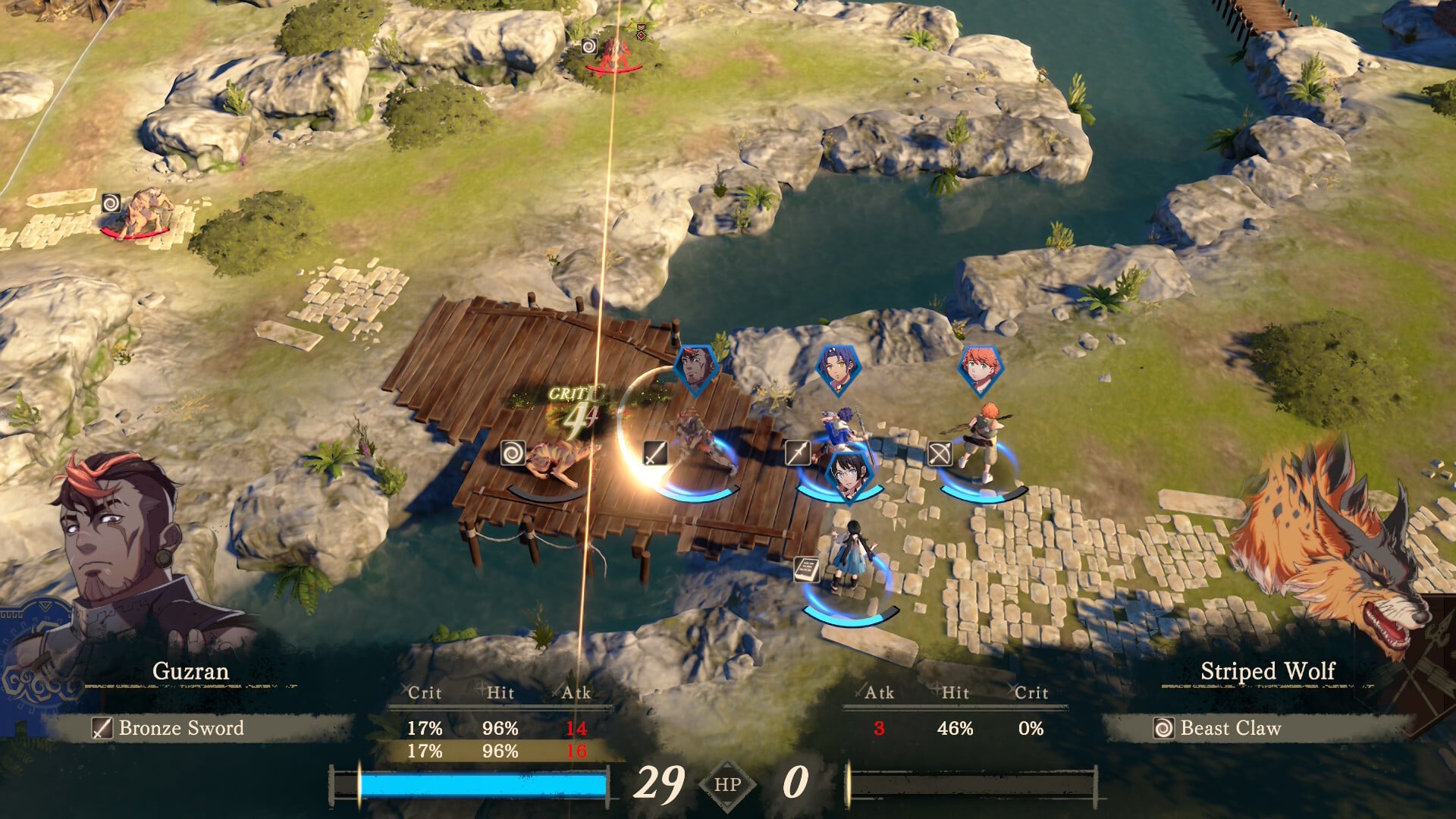
Even after that, and through this point, I’m still not entirely sure just what the “right” way to play Fortune’s Weave is. Maybe you should just blaze through all the acts of one story and then dig into the others after the credits roll to get more context about what happened. Maybe you’re meant to play like I am, hop between all four one at a time, and take it all in. It simply isn’t clear, but it’s big, interesting, and fun. I think that matters more.
Update 9/16 @ 9:01 a.m.:So I started a second act two, and it seems that this act is nearly identical across all four characters. This is disappointing, considering how much the first act stayed fresh between them. But even so, the bulk of the game maintains its variety, leading into its later parts, so this doesn’t seriously hurt my impressions of Fortune’s Weave as a whole. I see it as a frustrating chunk of repetition plunked into an otherwise excellent experience—like the post-big-reveal structure ofBravely Defaultor the triforce hunt inThe Legend of Zelda: Wind Waker. Clunky, and not as interesting as the rest of the game, but hardly ruinous.
