

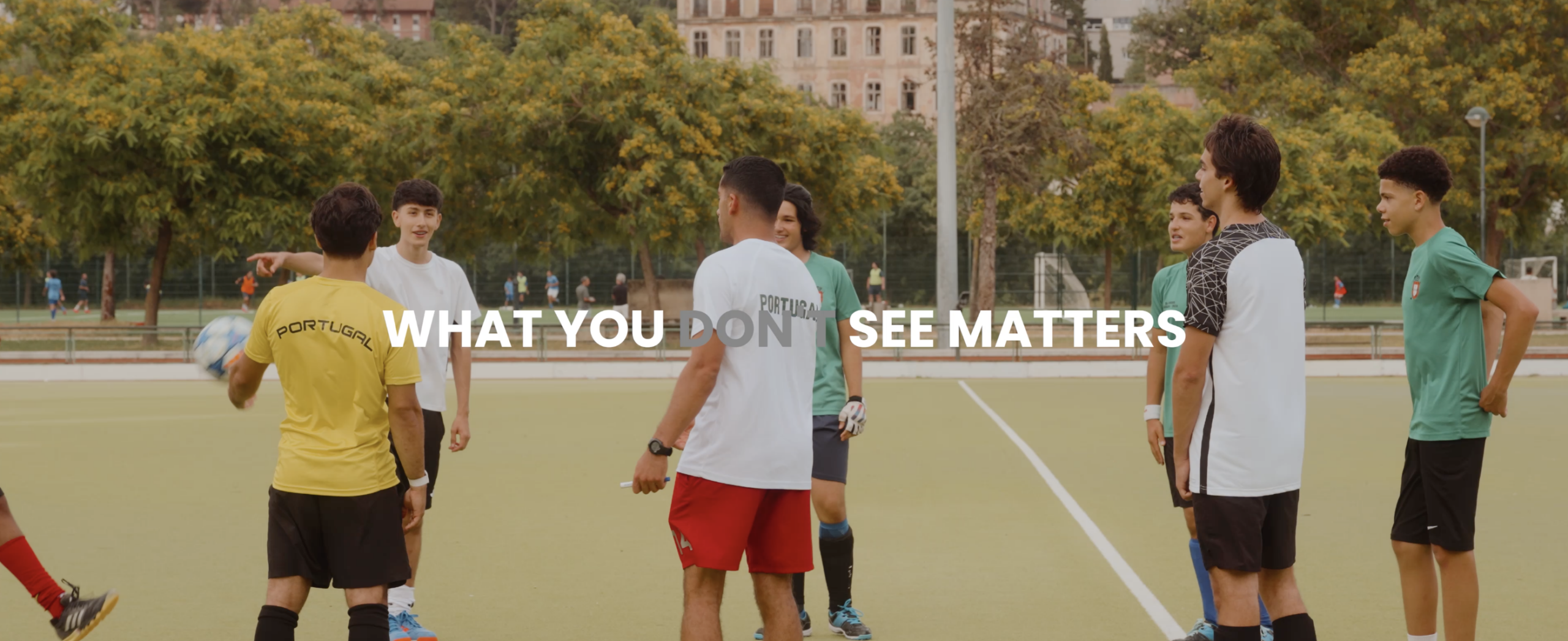
EuroHockey continues to play an active role in the Erasmus+ funded Building European Safe Sport Together 2.0 (BESST 2.0) project, an innovative cross-sport initiative focused on strengthening awareness, education and prevention around unsafe sporting environments.
The project brings together experts from across Europe to explore how virtual reality (VR) technology can be used to support a culture of safe sport and empower athletes and those around them.
Building on the success of the original BESST project, BESST 2.0 addresses psychological transgressive behaviour in sport by developing an immersive VR learning experience.

Through realistic sport-based scenarios, participants are placed directly into situations that encourage them to recognise, understand and respond to behaviours that can negatively affect wellbeing and safety within sporting environments.
The intention is to help athletes, coaches and support personnel better identify behaviours that may otherwise become normalised within high-performance sporting settings.
Most recently, EuroHockey representative Gino Schilders joined project partners in Luxembourg to test the latest version of the VR experience.
During the meeting, participants were able to trial the immersive scenarios and provide feedback on their realism, educational effectiveness and emotional impact.
The testing phase marks an important step towards bringing the technology into practical use within the sporting community.
The project also continues to develop awareness and educational re materials and campaign assets have been created to help partners share updates, learnings and best practice throughout the project’s lifetime
The campaign encourages sports organisations across Europe to actively engage in conversations about safeguarding and fostering respectful environments for all participants.
Looking ahead, BESST 2.0 is preparing for the rollout of the VR tool at a series of sporting events across Europe. Athletes, coaches, officials and supporters will have the opportunity to experience the scenarios for themselves and take part in workshops designed to promote understanding of safe sport principles.
The initiative is expected to feature at a number of EuroHockey events along with other major sporting events in the coming period.
For EuroHockey, the project reflects an ongoing commitment to ensuring that everyone involved in hockey can participate in a safe, respectful and supportive environment.
As the project progresses, EuroHockey will continue to share updates, insights and learning opportunities with the wider hockey community, highlighting the importance of safe sport and the role that every individual can play in creating a positive sporting culture.
