

Vulture’s longtime Bachelor recapper wrote the book on learning to appreciate any, and every, reality show.
Photo: Bravo/Disney General Entertainment Content
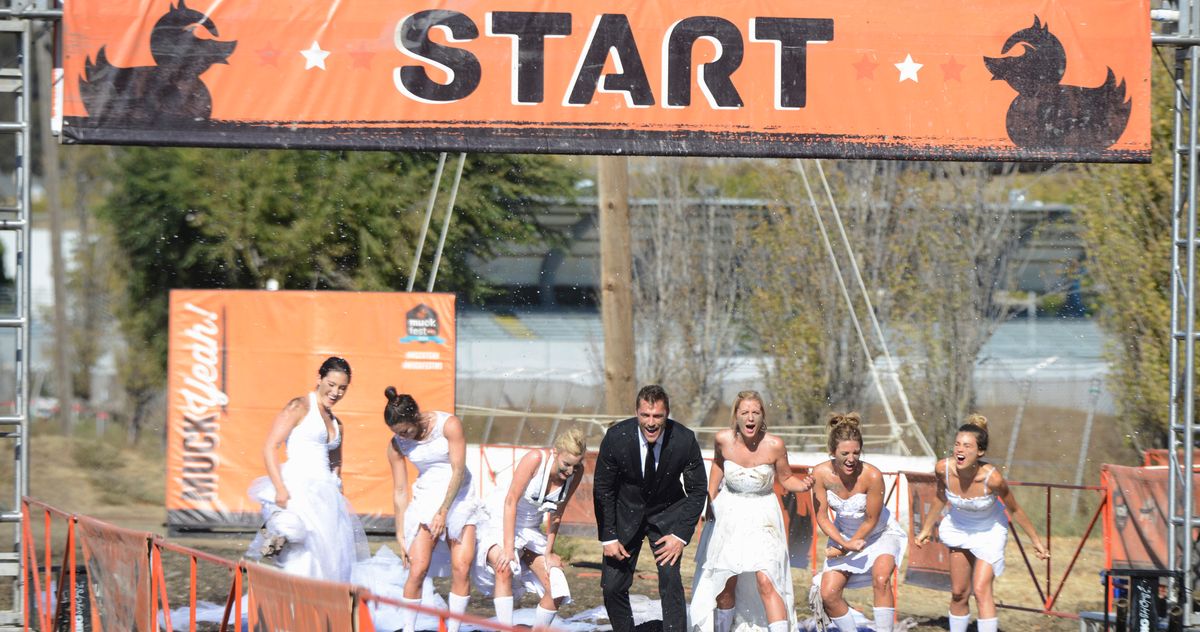
I’ve been doing this a long time. By this,I mean “writing increasingly long essays about reality TV.” Only the machinations of ABC/Disney and my own rogue immune system have kept me from writing recaps here on Vulture over the last 11 years. ELEVEN YEARS. Back then, Below Deck hadn’t yet launched in the Mediterranean, the Housewives hadn’t yet conquered Potomac, and there were no Traitors, Summer House, or Mormon Wives to speak of. But someone had to recap what was happening on Chris Soules’s season of The Bachelor,and that person was me. It’s only now, with more than a decade of recaps, a late-night TV writing job, and five Emmys to my name that I can let you all in on a little secret: Before writing about The Bachelor for Vulture, I had never watched the show. I confessed this in an early recap of that season, but my editor at the time promptly cut it, saying the commenters would eat me alive. So to avoid future embarrassment, I asked a friend who watched to give me a list of some easy-to-remember moments that I could slip into my recaps to appear like I had a long, rich history of watching The Bachelor.
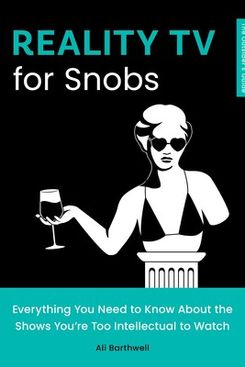
At the time, my editor and I were assuming that the fandom would be hostile to interlopers who didn’t possess the ancient knowledge of Andi self-eliminating rather than spending one more minute with Juan Pablo. But the truth is, reality-TV fans love nothing more than indoctrinating new converts. For us, there is no moment more thrilling than hearing a friend say, “I’m thinking of starting Vanderpump Rulesfrom the beginning.” You’re about to watch Scheana ask her husband for a divorce on camera for the first time? You’re about to watch Jax politely ask for someone to save him from drowning for the first time? You’re about to live the entire Scandoval arc for the first time!!?? Any reality-TV fan will tell you that you’re about to embark on an incredible journey, and frankly, they’re a little jealous they can’t watch it with fresh eyes. That thrill is what inspired me to write Reality TV for Snobs: Everything You Need to Know About the Shows You’re Too Intellectual to Watch, which I hope can convince even the most hardened reality-TV skeptics that a genre often dismissed as shallow can have hidden depths if you view it from the right angle.
It’s understandable to be intimidated by the vastness of reality TV as a whole. There are series with 20, 30, 40 seasons! Plus reality TV is one of the few places on television where we’re still getting more than 15 episodes a season, and that’s before you add in the seemingly endless string of after-shows, podcasts, bonus content, cast members’ livestreams, and spinoff series. Most people assume that the only way to really appreciate a show is to immerse yourself in the hours and hours and hours of content and scour the comments of every Love Islandcast member’s socials to figure out who’s following whom. But over the last 25 years of watching reality TV — I started with The Real World: Hawaiiwhen I was 11 and never looked back — I came to realize something. The secret to understanding and appreciating reality TV isn’t absorbing every scrap of related content;it’s understanding and appreciating everything else.
Ever since I started out doing improv and sketch comedy in Chicago, being a voracious pop-culture junkie has been beneficial to my career. Back then, when an audience member shouted out a suggestion of a genre or a show or a famous director, I had a huge toolkit of references at my fingertips. Today, working on Last Week Tonight, it’s a whole lot easier to write 30 jokes about the most depressing news stories imaginable when you’re able to spot the reality-TV rejects and fame-seekers in the current administration, or compare the lack of affordable housing with the latest season of Selling Sunset.(One of my proudest moments is writing a long joke praising Chrishell Stauss for her work ethic and valiant eighth-place finish on Dancing With the Starsthat she saw and put on her Instagram Story.) And some of the most fun I had writing Reality TV for Snobswas the short “Recommended If You Like …” section that begins every essay, attempting to capture the cinematic aura that each show in the book brings to our TV. I can tell you that Top Chefis about food, restaurants, and high-stakes competition, or I can tell you it’s recommended for fans of “Big Night, Uncut Gems, and leaving detailed Yelp reviews.” I can tell you that the Real Housewivesfranchise is full of beautiful women of a certain age in beautiful locations making each other’s lives miserable. Certainly, that paints a picture. But to say that Real Housewiveslives in the same spiritual neighborhood as Big Little Lies,White Lotus, Girls Trip, and The Substancebetter captures the drama, the comedy, and the eternal fight against aging. And sure, I can ask if you like the idea of “hot people behaving carelessly.” Or I can just sell it to you the same way I drunkenly bragged about my book to Ariana Madix and Katie Maloney at the Creative Arts Emmys: “I think Vanderpump Rulesis like the novels of F. Scott Fitzgerald! Can we get a picture?!”
Too often reality TV is thought of as separate from, or even in opposition to, scripted entertainment — not to mention our actual reality — but I prefer to think of it as a prism reflecting all of pop culture. In the genre’s early days, many reality shows were conceived as unscripted versions of familiar scripted programming, and being able to spot and identify the tropes they were pulling from television and film gave viewers a shortcut to understanding the style and messages of these shows. Early “family oriented” reality-TV shows were unscripted versions of family sitcoms: MTV’s The Osbournessubverts a wholesome ’50s sitcom like Father Knows Bestor Leave It to Beaverwith Ozzy’s heavy-metal persona and past; even the title graphics hinted toward mid-century modern design. The Housewives franchise as we know it originated on Desperate Housewives’s Wisteria Lane. Teen dramas got the reality treatment on both coasts: NYC Prepwas a play on Gossip Girl, whileMTV’s Laguna Beach: The Real Orange County, as the title suggests, was an unscripted version of The O.C.The latter spawned its own universe of spinoffs, and as the genre continued to develop, it was increasingly able to reference itself: Early seasons of RuPaul’s Drag Racefunction as a groundbreaking platform for queer art anda not-so-subtle parody of America’s Next Top Model,with RuPaul as Tyra Banks as benevolent dictator.
Then there’s theBachelor franchise, which had roots in game shows like The Dating Gamewhen it premiered in 2002 but has since turned reality dating shows into a distinct subgenre that’s constantly playing off romance tropes: a kiss under fireworks, a makeover montage, a sexy virgin struggling whether to listen to her heart or her Savage X Fenty matching set. When I first started recapping, that list of Bachelormoments my friend gave me was helpful, but not as helpful as being able to recognize these tropes, which are all bound up in cultural attitudes toward dating, marriage, and sex.
For example, a common moment in the Bachelor Cinematic Universe is a potential love interest weepingly worrying that their parents’ divorce makes them unworthy of love. It’s easy to view this as just another rom-com trope: the love interest with a complicated and sympathetic backstory. But in the context of something unscripted and allegedly real, we’re watching an actuary/Pilates instructor/professional cheerleader suggest that even the hottest and most flexible baddies have to apologizefor being from a “broken home.” Or take the most recent season of Love Island USA,where Islanders would characterize other contestants who smooched or shared French fries with more than a couple of Bombshells as behaving in a “lustful” way. Yes, the language of Love Island USAis part of its strategic gameplay, so painting your villa-mates as more interested in playing the field than finding love is a beneficial move. But the use of a Bible-adjacent word like “lustful” goes beyond accusing someone of not being there for “the right reasons,” and gives voice to the unspoken sexual morality percolating beneath Love Island’s raunchy antics. (See also: sex before the Fantasy Suites still being frowned upon in the Bachelor Cinematic Universe.) Close-reading these shows as a text can provide insight into how our society feels about casual sex or traditional gender roles or marriage as an institution, and that’s what keeps me coming back season after season for more.
Much like those dastardly Sirens on the rocks in Christopher Nolan’s The Odyssey: First Blood,reality TV calls to us with its endless discourse: Did you see …? Did you read …? Do you follow …?But I hope that this book can remind readers that they already have the tools and references required to understand and appreciate reality TV. I hope that this book explains not just the what and who of reality TV, but the how and why: how to watch reality TV as a pop-culture text and why fans love it so much. I hope this book is like that conversation I had with my friend who quickly got me up to speed on The Bachelor:informative, funny, and welcoming. Because to me, the best outcome for someone picking up Reality TV for Snobswould be them feeling empowered to jump in and join the conversation, just like I did all those years ago.
Saved
View
Want to be emailed about sales and other updates to your saved products?Success! You’ll get an email when something you’ve saved goes on sale.
Yes
New! You can now save this product for later.
To Love Reality TV, You Have to Watch More Than Reality TV
