

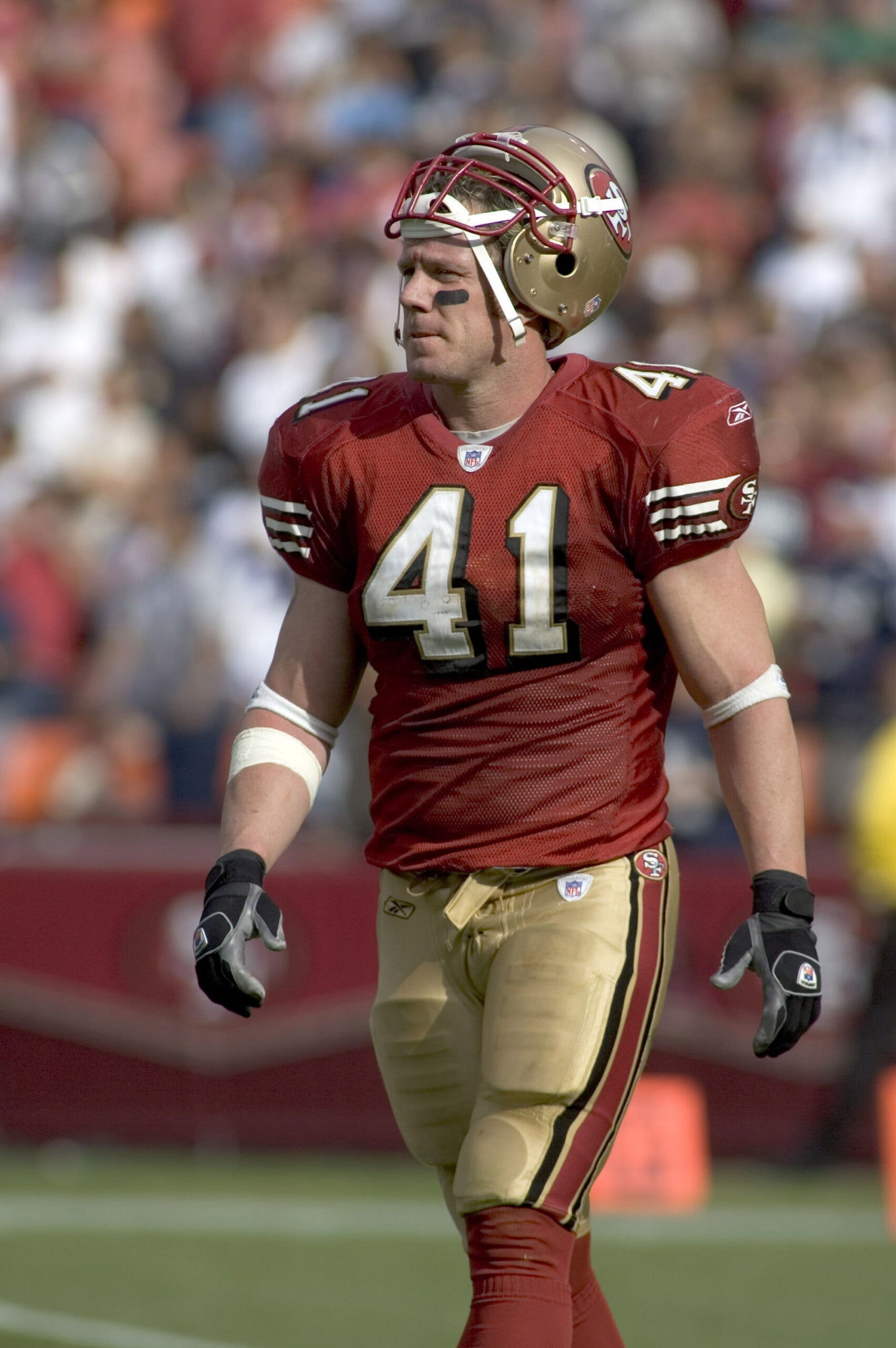
After an 11-year NFL career, Chris Hetherington became the CEO of collectibles and souvenir company Fathead. Hetherington talks business and sports cards.
By Tony Reid⋅
SEP 3, 2026
Born in North Branford, Conn., Chris Hetherington attended Yale University while starring on the football field for the Bulldogs.
The star fullback was signed as an undrafted free agent by the Cincinnati Bengals in 1996. He played for the Indianapolis Colts for three seasons and then was signed by the Carolina Panthers, where he had his most productive years from 1999-2001. After Carolina, he played for the St. Louis Rams for a single season before moving on to the Oakland Raiders, where he played two campaigns. He finished his NFL career playing for the San Francisco 49ers in 2005 and 2006.
Fernando Mendoza Rookie fever rising
Fernando, top rookies headline Topps Flagship Football
Barry Sanders, Peyton Manning cards set records in historic Heritage auction
The 11-year NFL veteran made a monumentally successful transition from football into entrepreneurship. The four-time CEO, board member, investor and advisor has built and led teams across a vast landscape of business ventures.
Hetherington is currently the chairman and CEO of Fathead, the iconic graphic decal brand.
In this exclusive interview with SCD contributor Tony Reid, the former fullback turned Fathead frontman talks about seeing himself on a football card for the first time, sharing the hobby with his young sons, and an interest in moving the legendary Fathead brand deeper into the collectibles space.
As a young kid growing up in Connecticut in the 1970s and ’80s, what athletes did you look to for inspiration? Whose posters were hanging on your wall or whose cards were you collecting?
“Growing up in CT, I was a Yankees and Giants fan, so I gravitated toward the guys I was watching all the time. On the Yankees side, Reggie Jackson, Don Mattingly and Goose Gossage stood out to me. On the Giants side, Lawrence Taylor was the one who really changed the game. Then across sports, Joe Montana, Walter Payton, Rickey Henderson, Dwight Gooden, and Wayne Gretzky were all athletes I admired because they had that rare mix of greatness, confidence, and personality.”
You’ve had 13 NFL trading cards over the years. The very first one was the 1997 Pacific Dynagon Prism from the Best Kept Secrets insert set. Do you remember seeing that card or seeing yourself on a trading card for the first time?
Seeing myself on a trading card for the first time was surreal, especially considering the journey it took to get there. At that point, I was still focused on earning my place in the league, so to be on a card felt like a real honor. Looking back, I’m incredibly grateful for it. It’s a meaningful reminder of the hard work, and it’s always fun to know those moments still resonate with people.
In 2001, you had another card produced by Pacific that had a number of parallels. You were in Carolina Panthers blue at that point. How cool was it to see yet another card of yourself?
“Seeing another card of myself was always cool, especially because Carolina felt like a new chapter in my career. I really loved my time there. We ran a West Coast offense, so the fullback had a real role, and I was playing all four special teams, which made it a great fit for me. It was one of those stops where I felt like I could really contribute, and to have another card come out during that stretch made it even more special.”
In 2002, you had yet another card produced by Pacific, as well as a second Pacific Heads Up that featured four game-worn jersey swatches. Have you seen those?
“I have, and it’s actually pretty special because my two sons have those cards. That makes it even more meaningful to me. To see those cards and know they’re part of something they have too is a really cool connection to my career and to our family.”
With your NFL career and all of your incredible work in the business world, do you have a man cave, office or room where you have memorabilia displayed? If so, could you walk us through it?
“I had a really special office in our house in the Pacific Palisades (Calif.) that my wife designed, and it was one of my favorite spaces. I had Fatheads of myself, all my jerseys framed, game-worn helmets, awards, game balls, game film, etc. A little museum of my career and the journey I was lucky to have. I also had around 100 signed jerseys from some of the best players I played with and against over my 11 years in the NFL.
“Unfortunately, we lost that house in the fire, which was devastating, but I’ve been slowly rebuilding. My NFL teams, as well as Avon Old Farms and Yale, have been incredible about sending replacements. Also, a dear friend, Vanessa Ballentine, spent a lot of time helping replace pictures and trading cards, and that support has meant a lot to me.”
If you could go back to your playing days and do a jersey swap with anyone you suited up against, who would it be and why?
“Barry Sanders. He was one of my favorite running backs of all time—an incredible talent but also a real pro. What always stood out to me was how humble and unselfish he was, and the way he handled success with so much class. Whenever he scored, he’d just hand the ball to the ref and get back to the team. Whenever we played Barry, I always made sure to watch whenever I could because you knew you were seeing something special.”
“I’ve talked to hundreds of former professional athletes and the transition from the field to whatever comes after can be a challenge. Can you just speak to making that transition from professional athlete to the private sector?
“The transition from professional football to the private sector is not easy, because when the game ends, you’re also figuring out what comes next for your identity. For me, the biggest thing was understanding that the same habits that helped me succeed in football—discipline, preparation, accountability, culture, teamwork, and the ability to adapt—would matter just as much in business. I also think it’s important to stay humble and be willing to learn again, because you’re not walking into a new world as an expert, you’re walking in as a rookie all over again. The good news is, if you approach it the right way, there’s a lot that translates, and there’s real opportunity to build something meaningful after football.”
Fathead was such a cultural phenomenon and so important in the sports landscape. From your perspective, what is its importance and value in our culture?
“Fathead was powerful because it gave fans a bigger, bolder way to show their passion. It wasn’t just a product, it became part of how people expressed identity, pride and connection to the teams and athletes they love. When we bought the brand, it already had entertainment licenses, and from there the focus has been on building on that foundation, expanding the custom side and the tech side and making the fan experience even more personal and relevant today, while helping people celebrate life’s special moments.”
Are there any plans to blend your immense sports culture presence and the sports card collectibles space?
“Absolutely. I think there’s a real opportunity to blend our sports culture presence with the sports card space, because both live in the same world of fandom, nostalgia and collecting. We’ve already got a brand that resonates deeply with fans, and the card space is another way to connect with that passion in a more personal, meaningful way. I’d love to continue exploring ways to bring those worlds together in a way that feels authentic and adds value for collectors and fans.”
You mentioned that your kids are big into sports cards. What does it mean to be able to share the hobby with them?
“It means a lot to share that hobby with my kids. Sports cards were such a big part of growing up for me, so seeing them enjoy it now creates a really special connection across generations. It gives us something fun to talk about and do together, and it also lets me share a few entrepreneurial lessons with them about trading, value, patience, and understanding what makes something meaningful over time.”
Finally, if you could add one sports card to your collection, what would it be?
“If I could add one sports card to my collection, maybe someday it would be one of my sons’ cards if they pursue that path. They’re both really great athletes, so that would be a special full-circle moment. But for now, I’ve always loved cards that capture a meaningful moment or a player I deeply respected, because that’s what makes the hobby so special. If I had to pick one favorite athlete of all time, it would be Michael Jordan, so his rookie card would be special.”
Carolina PanthersChris HetheringtonFatheadfootball cardsNFLSan Francisco 49ersSports Memorabilia
Tony ReidAuthor
Tony Reid works full time at a sports card shop in Central Pennsylvania and collects RCs of star players in baseball, basketball and football. You can reach him at @tonyreidwrites on all social media platforms.
Related Stories
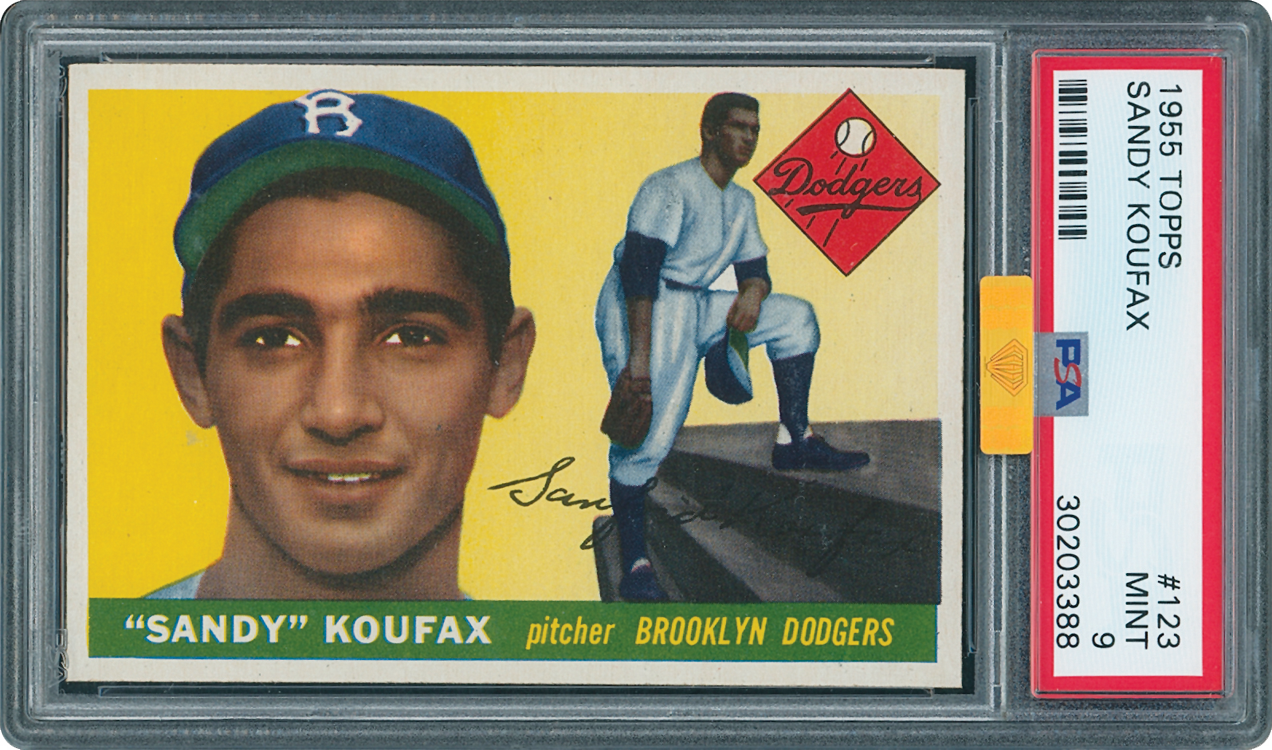
AuctionsSandy Koufax, Mickey Mantle, Roberto Clemente cards headline Summer Rarities Auction at Memory LaneSCD Staff
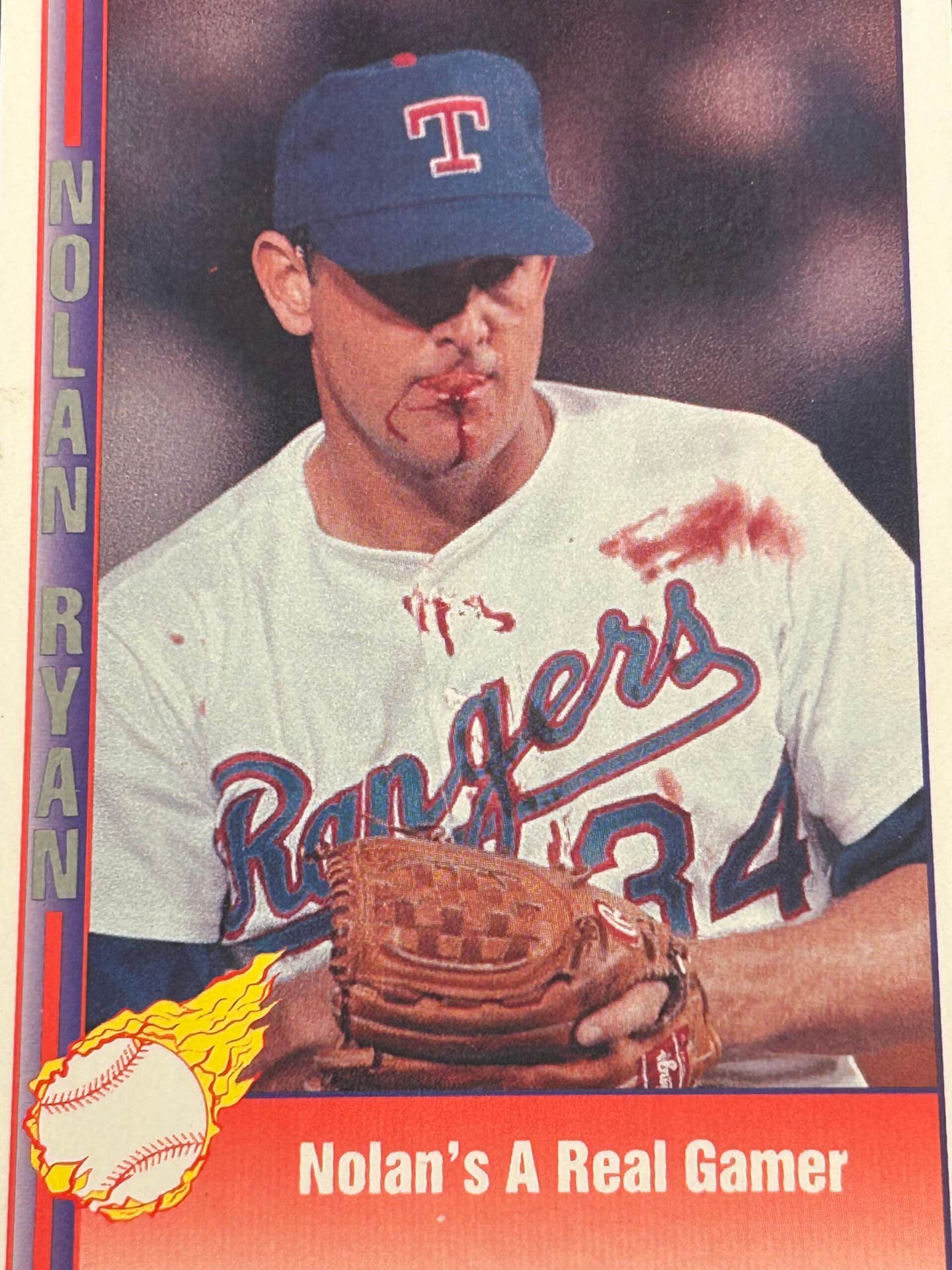
CardsNolan Ryan ‘Bloody Lip’ card, Pacific Trading Cards set popular among Ryan collectorsDoug Koztoski
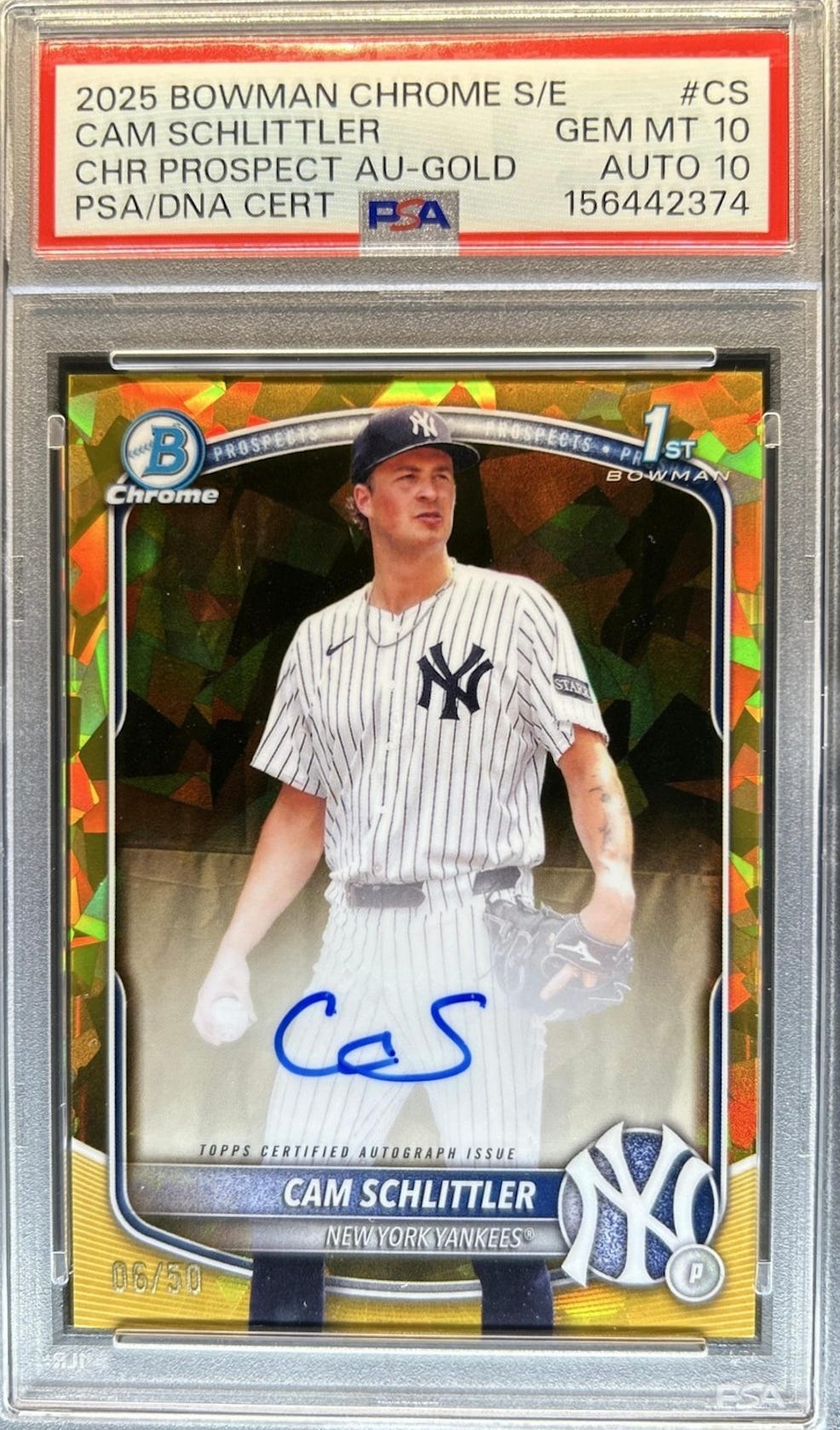
AuctionsCam Schlittler rookie cards rise amid Yankees Cy Young talkLarry Canale
AuctionsFernando Mendoza Rookie fever rising as NFL season kicks offLarry Canale
AuctionsMultimillion dollar 1/1 Cooper Flagg Rookie Debut RPA headed to auction at Fanatics CollectJeff Owens
AuctionsBaseball cards of postseason heroes Brooks Robinson, Tom Seaver, Albert Pujols headline Huggins & Scott Summer AuctionSCD Staff
