

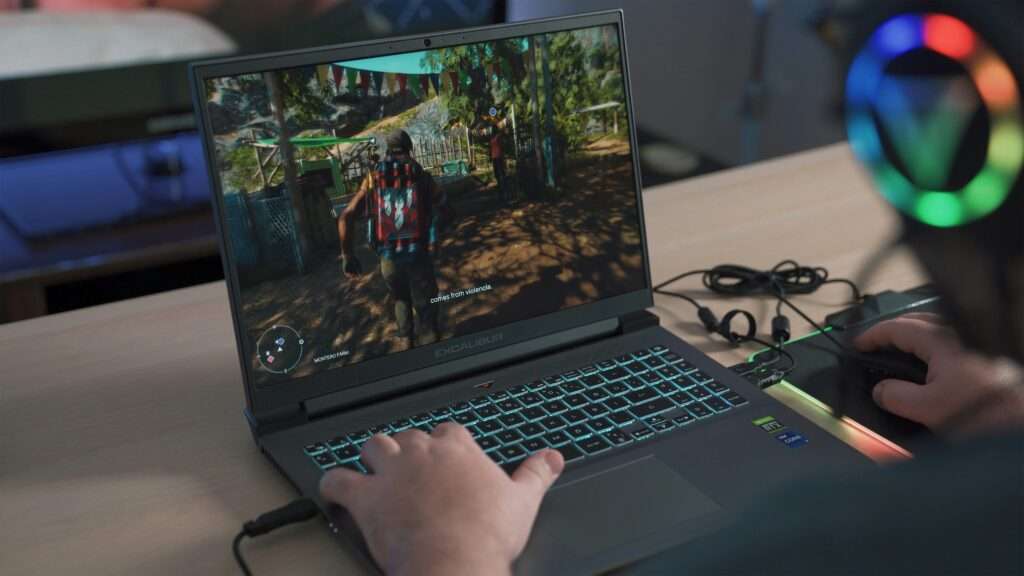
Gaming in 2026 feels less tied to a particular screen or device. A session can begin on a console, continue on a smartphone during a train journey, and finish through a cloud service on a television. Technical progress is making such movement almost invisible. Faster networks, smarter software, and more flexible hardware are changing not only how games run but also how digital worlds are designed, updated, and shared.
Mobile entertainment remains central to this shift. Search phrases such as1xBet yükleappear within a much broader market where users expect quick installation, secure access, smooth payments, and stable performance from every digital platform. A mobile game can no longer succeed simply by offering simplified mechanics. Modern audiences look for console-style visuals, responsive controls, social features, and regular content without excessive battery use or long loading screens.
Cloud Gaming Moves Beyond the Waiting Room
Cloud gaming has spent years promising freedom from expensive hardware. In 2026, the model is becoming more practical. Processing takes place in remote data centres, while the finished image reaches a phone, laptop, tablet, or smart television through an internet connection. Local storage becomes less important, and large downloads can disappear from the usual routine.
Several improvements are making cloud play more convincing:
- Lower input delay:Better server placement allows commands to reach a game more quickly.
- Instant access:A new title can launch without a lengthy installation.
- Flexible devices:Demanding releases can run on modest consumer hardware.
- Simpler updates:Patches are installed remotely instead of occupying local storage.
The model still has limits. A weak connection can create blurry images, missed commands, or sudden interruptions. Subscription libraries can also change without much warning. For that reason, consoles and gaming PCs remain relevant. Cloud technology is becoming another door into gaming rather than a complete replacement for traditional machines.
Artificial Intelligence Gives Game Worlds a Memory
Artificial intelligence in gaming is moving beyond predictable enemies and automated difficulty settings. New systems can adjust dialogue, generate small environmental details, and respond to an individual playing style. A merchant may remember a previous argument. A rival may change tactics after losing several battles. A city may become busier or quieter depending on decisions made earlier in the story.
The same demand for personalisation can be noticed across other forms of online entertainment, including services discovered through terms such as1 x Bet. Recommendation engines, automated support, fraud detection, and personalised interfaces now influence user expectations. Inside video games, similar technology can make a world feel attentive rather than mechanical, although careful human direction remains essential for believable characters and coherent stories.
Generative tools are also changing production. Early landscapes, background dialogue, test animations, and temporary textures can be created faster. This gives artists and writers more room to explore ideas before final decisions are made. However, unchecked automation may produce repetitive environments or bland writing. Strong creative leadership still separates a memorable game from a technically impressive collection of generated material.
Mixed Reality Finds a More Natural Role
Virtual reality once seemed destined to replace ordinary screens. Such a complete takeover never arrived. Headsets remain expensive for many households, and long sessions can cause discomfort. Yet mixed reality is finding a clearer purpose by combining digital elements with physical surroundings.
Fitness games can turn a living room into a training space. Strategy titles can place a battlefield on a table. Cooperative puzzles can use walls, furniture, and movement as part of the challenge. Lighter headsets and improved hand tracking make these experiences less awkward, while better displays reduce eye strain.
Technologies Worth Watching After 2026
The next stage of gaming will depend on several connected developments:
- Haptic clothingmay reproduce pressure, vibration, and temperature.
- Neural interfacescould support basic commands without a controller.
- Smarter NPCsmay hold unscripted conversations and remember past encounters.
- Procedural audiocould adapt music and sound effects to every situation.
- Energy-efficient chipsmay deliver stronger graphics with lower power consumption.
The Future Still Needs Human Imagination
Technology can shorten loading times, create larger worlds, and make digital characters more responsive. None of those achievements automatically creates enjoyment. A great game still needs clear rules, meaningful choices, distinctive art, and a reason to return after the first evening.
Gaming in 2026 shows a medium becoming more accessible and adaptable without abandoning older strengths. Physical controllers, handcrafted levels, local multiplayer, and complete single-player stories still matter. The future of play is not a clean break from the past. It is a careful mixture of familiar craft and new machinery, with imagination remaining the most valuable technology of all.

1 Comment
Pingback: Britain’s quarter century: Netflix, memes and the supposed Christian revival - Comic Vibe