

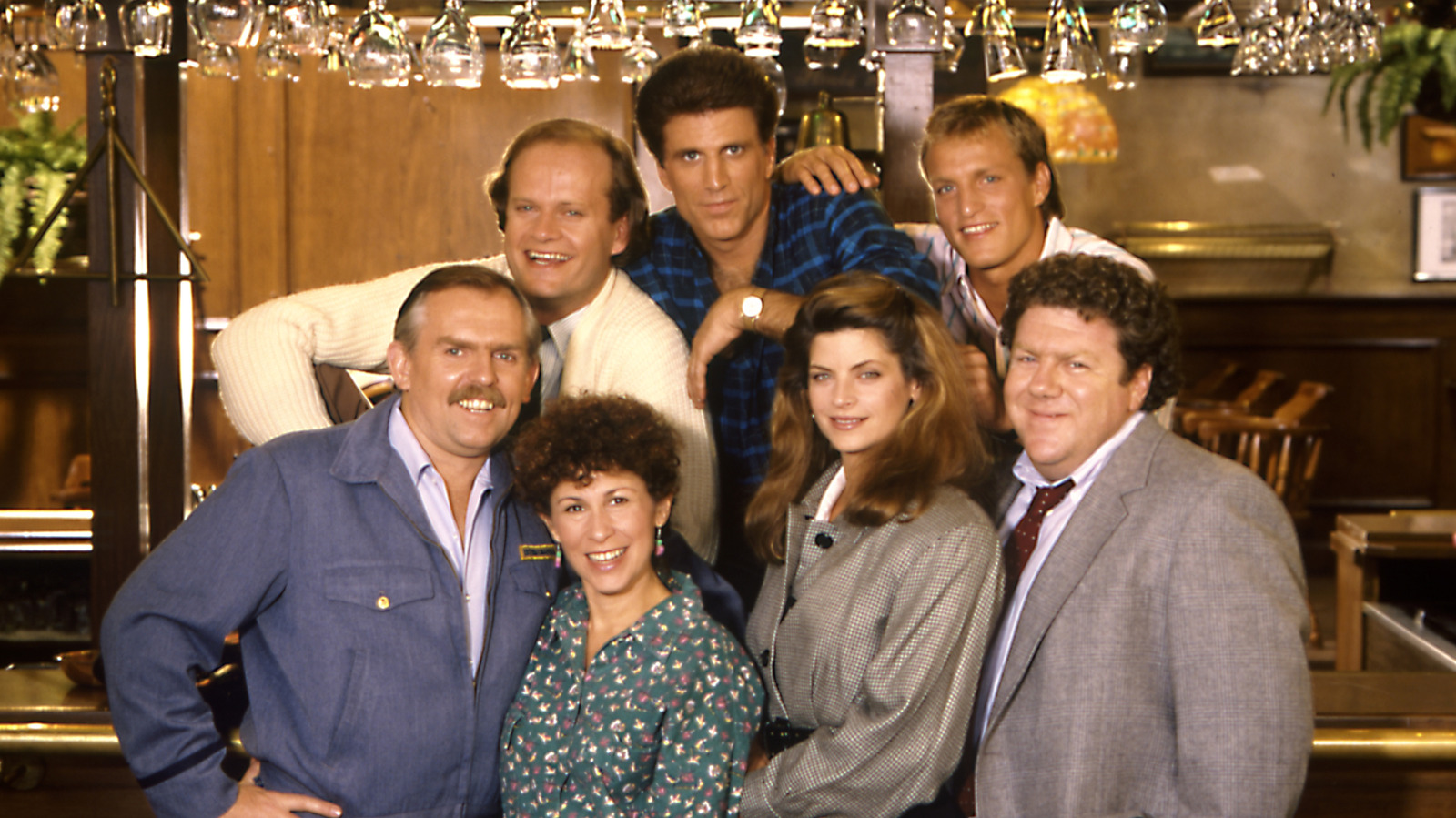
There’s no question that the ’80s were a golden age of TV sitcoms. Nearly every network pushed to find the perfect combination of cast, writers, and plot devices to strike gold with the format, and, in doing so, pushed the boundaries of television itself. While the decade saw plenty of ideas that missed the mark (does anyone remember “Small Wonder?”), there were also plenty of examples of shows that broke new ground, paving the way for future hits and redefining what a sitcom could be. Here are some of the most revolutionary of those shows.
The Facts of Life
“The Facts of Life” may have been a spin-off of “Diff’rent Strokes,” but it made its own mark on television history in several ways. For starters, it was a primetime, mid-week sitcom that focused on the lives of teenagers. Similar shows — like “Saved By the Bell” or “Punky Brewster” — would traditionally be assigned to the weekend.
The show also effortlessly blended the hijinks of life at an all-girls boarding school with weightier issues, some of which were too hot for other shows to touch. While “The Facts of Life” didn’t create the “very special episode,” it did lean into the concept. Starting in Season 1, the girls of Eastland Academy tackled eating disorders, while Season 2 had them deal with the death of a classmate who had overdosed on pills.
“The Facts of Life” also broke ground by casting Geri Jewell, who had cerebral palsy. Jewell played Blair’s cousin and appeared in 12 episodes across the series‘ nine-year run, marking one of the first instances of a disabled actor scoring a role in a major TV series.
Who’s the Boss?
Throughout the ’50s, ’60s, and ’70s, family sitcoms stuck to very predictable patterns. There was almost always a mother, a father, and some number of adorable children — the classic nuclear family. Yet “Who’s the Boss?” flipped that entire premise on its head. For starters, while Tony and Angela were both parents, they were single parents; it wasn’t until the final episode that they finally sparked a romance.
The bigger barrier that “Who’s the Boss?” crossed, however, had to do with the roles Tony and Angela played in the home. This time, the woman was the breadwinner while the man was the housekeeper — an unusual concept on television at the time. Although several sitcoms of the time made it clear that women deserved their place in the workforce — “Designing Women” and “Murphy Brown,” to name a few — “Who’s the Boss?” went for a complete role reversal, reminding audiences that not every family looks like “Leave It to Beaver.”
The Golden Girls
For a long time, sitcoms would invariably take place at work, around a family, or at some kind of hangout spot. Then came “The Golden Girls,” a refreshingly honest and uproarious sitcom set around four women who were older than your typical sitcom stars. They all lived together, but had their own lives and proved once and for all that being “over the hill” didn’t mean you had nothing to live for. For a long time, even the concept of a show about older women seemed impossible — until a commercial for an 80’s crime show gave executives the idea.
Rose, Blanche, and Dorothy were all in their 50s at the beginning of “The Golden Girls,” with Dorothy’s mom, Sophia, in her 70s. And despite not looking like your typical leads, these women spent seven seasons doing all the things you’d expect sitcom characters to do: They fell in love, weren’t afraid to get a little naughty, and had no problems tackling serious topics. “The Golden Girls” was one of the first sitcoms to bring up the topic of the AIDS crisis, for example, when Rose gets a note from her hospital saying she may have been exposed to HIV. The show also dealt with the very real issue of women struggling to be properly diagnosed by doctors, as Dorothy is told her fatigue is a symptom of aging before being diagnosed with chronic fatigue syndrome.
The Cosby Show
It’s unfortunate that the crimes of “The Cosby Show” star Bill Cosby make this one ’80s sitcom that’s nearly unwatchable today, and by no means should we allow any discussion about the show to minimize the devastating impact he had on his victims.
There’s also no denying that, while it was on TV, “The Cosby Show” redefined the concept of the family sitcom. For starters, the Huxtables were an upper class Black family; up until this point, Black families on television were almost always depicted as struggling to make ends meet, reinforcing unpleasant stereotypes about race.
Cliff was also a doctor while Claire worked as a lawyer, showing that it was possible for two spouses to have fulfilling careers and raise children at the same time. Of course, the raising of those children got the majority of the laughs on the show, as they dealt with many issues that real families had to handle: Sex before marriage, smoking, drinking, and bad grades were all handled in funny yet relatable ways while crossing the color barrier at the same time. It’s just a shame that the show’s legacy has since been stained by the actions of its star.
Cheers
Looking at “Cheers” today, it may seem like little more than a show about a bar, the people who work there, and the people who drink there. But when you look at this show through the lens of the 1980s, it becomes so much more.
Before “Cheers” came along, sitcoms fell into predictable patterns. In every episode, there was some conflict to be dealt with; 30 minutes later the problem was resolved, and everything was back to normal by the start of the next episode. “Cheers” co-creator James Burrows said he wanted to do something different with the show, however. “We knew we had to be evolving,” he said on the Conan O’Brien Needs a Friend podcast. “We knew we had to get them [Sam and Diane] together and break them up, get them together and break them up.” That would redefine how sitcoms were made from that point on, setting the bar for later shows like “Friends” and “The Office.”
“Cheers” was also unique in that it was a workplace comedy that included people from outside of the workforce. Barflies Norm and Cliff were just as integral to the story as Sam, Woody, and Diane, and blending these two groups together gave the show a fresh feeling — one that hadn’t been felt in television before.
