

The Game Boy changed
lives. Some of you reading this might feel like handheld gaming has
always been there, but for those of us who grew up with a Game Boy or a
Game Boy Color, it was truly something special. I remember sitting on
the top of a toy box shelf in my closet, playing
Pokémon Gold and Silver
Late at night when I was meant to be at school that morning. I’d also
rush to finish Pokémon battles because we had just pulled up to school
that aforementioned morning and I’d have to get out of the car. But I
can’t save right now, Mom, or even pause!
With that said, you now know my history with the
JRPG genre started out humble, and it’s only grown over the
years. Through my line of work, I love to dig up old retro games that I
overlooked when I was younger and try them out. With JRPGs, the
catalogue is as vast as its age in the industry, which means it had its place
on the Game Boy even if you might not recall it. A lot of prominent Game
Boy JRPGs made it off the console, but today, I want to look at some
games that were left behind.
Lufia: The Legend Returns
A Strange Developmental Conundrum
As much as we look fondly on older console life cycles and libraries,
none of them are completely free of strife. There are some interesting
developmental stories and struggles from back then, but something that
baffles me is that Lufia: The Legend Returns was originally meant to be
a PlayStation game. It survived a studio closure to return to the rights
of the original developers, and that team quickly shifted gears and made
it for the Game Boy instead. Wild stuff!
If you’re thinking that shift probably led to some awkward decisions,
you’d be right! Lufia: The Legend Returns didn’t get the best reception when
it came out. It’s a bit confusing for Lufia regulars because puzzles and
typical dungeon crawls are replaced with randomized maps that leave a
lot to luck above everything else, but the story is well worth picking
the game up for.
The Lufia series is one of the more obscure classic JRPG franchises out
there, so if you haven’t played it, it’s worth checking out. Especially
since, for all of its flaws, Lufia: The Legend Returns has a unique
grid-based battle system and plenty of classic JRPG elements like
airships you’ve probably been missing, before
Final Fantasy Resonance
proved how that kind of stuff just can’t be beat. Like many of the games
on this list, Lufia: The Legend Returns can only be enjoyed on original
software these days unless you get lucky. It was released on the 3DS
Virtual Console a few years back, but unfortunately we all know
the fate of the Nintendo 3DS
eShop.
Bomberman Quest
Putting the Crawl in Dungeon Crawl
Initial Release Date
1998-12-01
ESRB
everyone e10+
Developer(s)
Hudson Soft
Publisher(s)
Hudson Soft
, Virgin Interactive
Platform(s)
Nintendo Game Boy
Back when the Game Boy was around, a lot of RPGs and adventure games
were still trying to find the dividing line between them. One of the
games for this little handheld that made that line difficult was
Bomberman Quest. The story goes that Bomberman is attacked while flying
through space, and when he crashes down on an unknown planet, he finds
every single engine of his ship missing. Getting it back requires
playing a game that feels like the Zelda Game Boy titles.
Bomberman Quest is a game that I feel like hits a lot of highs, but also
hits a lot of lows. Might be why it never caught on. It’s got a true
ending waiting for you if you take on all of its challenges, but its
also got the most repetitive music. There’s cute NPC interactions
between every enemy possible and unique dungeons you don’t see often,
like a cloud dungeon. But it runs so slowly. It’s probably why it
didn’t catch on, but it’s a fun lost treasure for fans of
the old school Bomberman games
under Hudson Soft.
Great Greed
I’ll Have What Namco Was Having
Initial Release Date
1992-09-17
Platform(s)
Nintendo Game Boy
Great Greed to me is a good game to look at if you want something
historically relevant, fun, and a bit ridiculous at the same time. It’s a
game where you get teleported to a strange world where most of the
characters are named after food, while also honing in
on themes of lobbying and the dangers of pollution. It’s a strange one,
but it’s the kind of fun that most games don’t dare to be these days, so
I’ll always shout it out when people look for recommendations.
Against the surprising food-themed names, including one named Microwave
of all things at the very start, the most wild thing about Great Greed
is how it hasn’t caught on sooner. Great Greed reviewed fairly decently
back in the ’90s. Considering how so many people don’t know about this
game until a list like this highlights it, no one played it despite that. I
think it’s because no one gave it a try, but Great Greed has been left to
biodegrade on the Game Boy all this time.
Metal Walker
Gotta Scrap ‘em All!
Initial Release Date
1999-12-24
Platform(s)
Nintendo Game Boy
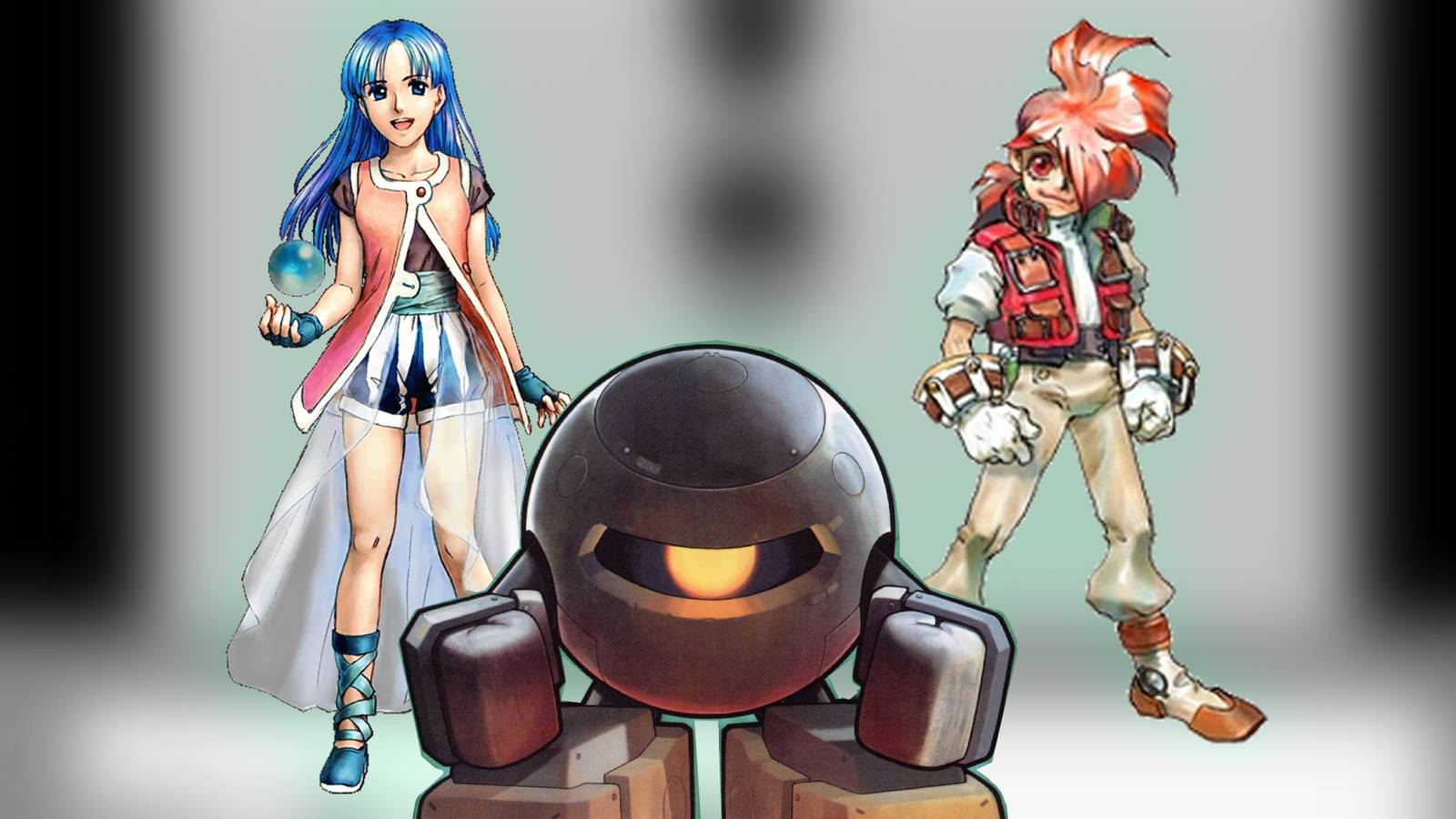
Pokémon was the most well-known JRPG for the Game Boy. That’s not even
up for debate. With a juggernaut like that, naturally a few other
companies wanted to try and cash in on something similar. Capcom
launched their Pokémon rival Metal Walker in 1999. Despite what this
might suggest, Metal Walker is rather creative in execution, and if you
ask me, it deserved more spotlight than it got back in the day. It’s
as if there was a Pokémon: Special Eevee version from the start. And
that Eevee was a robot.
That’s not even a joke! One of the cool aspects of Metal Walker is that
you might only have one robot companion, but this companion can
literally upgrade and evolve. You can gather cores you find in towns and
dungeons that change the form of your robot on the fly. There’s also
another elemental dynamic with different land, sea, and sky forms you
can use to your advantage. This sounds a lot like Pokémon, doesn’t it?
Well, a lot of critics agreed, and it didn’t exactly drum up interest on
shelves because of it. So it’s just been left alone all this time.
Cave Noire
The Mystery Dungeon Before Mystery Dungeon
Look. I love Mystery Dungeon games. I got into the games, and
roguelikes, with Pokémon Mystery Dungeon when I was a kid. Yeah, I
know. You saw that coming. Randomized dungeon floors with items to
find and plenty of strategy to get to the bottom (or the top depending
on the dungeon) is one of my favorite ways to pass the time and
challenge myself. There are a lot of Mystery Dungeon games out there,
but there’s one I’d like to nominate as an honorable member: Cave
Noire for the Game Boy.
Cave Noire is a Japan-only game that was literally Mystery Dungeon
before Torneko’s Great Adventure would create Mystery Dungeon as we know
it. Like many games that would come later, namely
the Pokémon Mystery Dungeon games, you play as an adventurer aiming to join the local guild. To join,
you have to be strong enough to get through four randomly generated
dungeons with scaling levels. Beat each dungeon six times, and you join
the guild and beat the game, but there’s still plenty of dungeons to
conquer after that. Its short and sweet size on the Game Boy keeps the
game tight and challenging, which is a great retro recommendation for
those who want a newer Mystery Dungeon game. Like the Pokémon ones.
Sigh.
Azure Dreams
A Dream Come True Indeed
Initial Release Date
1998-06-30
ESRB
e
Developer(s)
Konami
Publisher(s)
Konami
Platform(s)
Nintendo Game Boy Color
, PS1
If you’ve heard of this game before, you’re likely either thinking that
I’ve made a mistake somewhere and added a PS1 game to this list, or you
already know this interesting factoid. Yes, Azure Dreams is a PS1 game,
but it was also ported to the Game Boy Color of all things. Unlike the
developmental shift of Lufia: The Legend Returns, Azure Dreams is a
decent port of the PS1 game, even if it had to cut a few features to
make it happen. One change you might notice is that there’s a more Pokémon-like battle system now, which probably says a
lot about why this game was brought to the Game Boy Color,
huh?
Truthfully, Azure Dreams is one impressive GBC game. It features some
fantastic sprite work, a very lofty start that matches its upbringing as
a PlayStation title, and some in-depth systems you’ll need to learn to
navigate and balance. The catch is that the tutorial is pretty
heavy-handed, taking up an entire floor of the first dungeon, being
explained in dialogue with every step. Oh. Yeah. It’s another game with
randomly generated dungeon floors. Seems like Game Boy developers were
really ahead of the times with these mechanics.
Ayakashi no Shiro
More Like Dungeon Boy
Ayakashi no Shiro is probably as obscure as they come for Game Boy
titles. The title literally means “Castle of Ayakashi,” giving away
the game’s simple premise. The Ayakashi are monsters that you’re in
charge of defeating. So, you crawl through dungeons, fight ghosts,
rats, bats, and more. And that’s it. Literally. Ayakashi no Shiro was
considered a game without much depth by those that reviewed it back in
Japan, but nowadays, it might be a breath of fresh air for those of
us bogged down by more modern, overstimulating games.
Out of a lot of games on this list that could probably thrive from some
sort of remake or classic release on Nintendo Switch Online or
something, Ayakashi no Shiro is probably better off as the retro gem it
is now. While a lot of other Game Boy games spawned franchises or at
least have a good number of fans, Ayakashi no Shiro is one of the few
titles by the now defunct SETA Corporation. As a result, this game’s
fate is to haunt the Game Boy’s catalogue like the ghosts within its
dungeon walls.
Spud’s Adventure
Atlus’ Hot Potato of a JRPG!
Yes, this really is a vegetable-based JRPG
made by Atlus for the Game Boy. Spud’s Adventure is one of my favorite
games on the Game Boy just for the humor in that sentence alone. Like
Ayakashi no Shiro, there isn’t much to this little portable adventure,
so it isn’t one of the
most iconic Game Boy games
or anything, but seeingPersona-creating Atlus doing something so charming and cute during its
humble beginnings is never not surprising for anyone who didn’t know
about it already. So I’ll mention it any chance I get.
If you’re looking for a quick and easy Game Boy title to blow dust off
of and enjoy for a little while, Spud’s Adventure is the perfect game.
As Spud the potato, you’ll traverse a tower to save Princess Mato from
her kidnapper. You’ll fight enemies and solve puzzles along the way like
every other small adventure game
before RPGs were more widely defined. It isn’t too hard, and some of the power-ups are a bit zany. It might
not be a game to write home about, but it’s definitely one that I think
Atlus’ biggest fans should at least try. You know. For the fact that
something this charmingly goofy exists at all. You’ve gotta love
it.
