

Year after year, the movie industry still seems to have a hard time accepting that not every successful feature needs to become a franchise, especially when it comes to fantasy. It’s funny how whenever a movie in the genre connects with audiences, it immediately gives studios the green light to consider a sequel, or even prequels and spin-offs. But is there really a reason for all that? Some movies have already told everything they needed to tell and ended on a satisfying note, but try convincing Hollywood of that, and you’ll realize it’s not going to happen.
Videos by ComicBook.com
And it’s because of decisions like these that several franchises have lost their way and seen everyone lose interest as the reviews got worse. That doesn’t mean every follow-up is bad, but dragging out a story when there’s no real reason to continue it can end up hurting the franchise as a whole. Here are some examples of that happening.
5) The Chronicles of Narnia
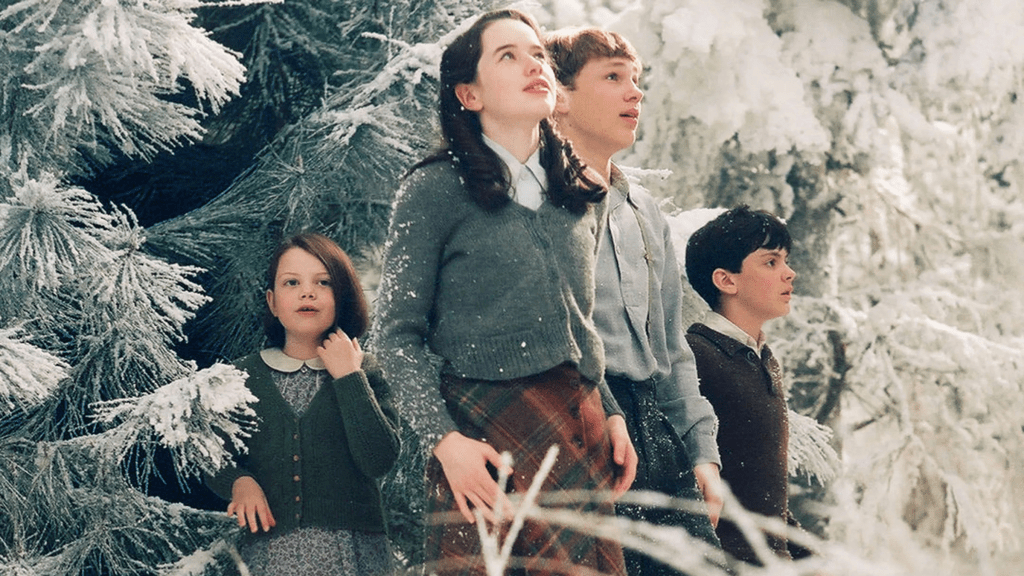
The classics are classics for a reason, so surely they couldn’t go wrong — or at least that’s what anyone would think. The Chronicles of Narnia adaptation got off to a great start with The Chronicles of Narnia: The Lion, the Witch and the Wardrobe, making it seem like Hollywood had struck gold with a new fantasy franchise in the 2000s. The story follows four siblings who discover a magical world inside a wardrobe and find themselves caught in a war against the White Witch (Tilda Swinton). Everything about this narrative was easy to follow, from its giant universe to its central conflict, which came with a satisfying conclusion. But with such a positive response, it was only natural the studio would want to keep things going (also because there’s plenty of source material to work with).
Prince Caspian arrived not long after, but this time it took a slightly darker approach, with more politics and battles, and The Voyage of the Dawn Treader, which followed shortly afterward, tried to bring back the original’s sense of adventure. Did either movie achieve the same box office success as the first one? Not quite. Mark Johnson, the franchise’s producer, admitted the movies had drifted away from their core audience, which naturally affected how they were received. It’s not that The Chronicles of Narnia is a story that should never be revisited, given that Greta Gerwig is rebooting it with The Magician’s Nephew, set to come out next year. But if there’s one lesson to take away from this history, it’s that adapting this world requires a lot of care from beginning to end.
4) Underworld
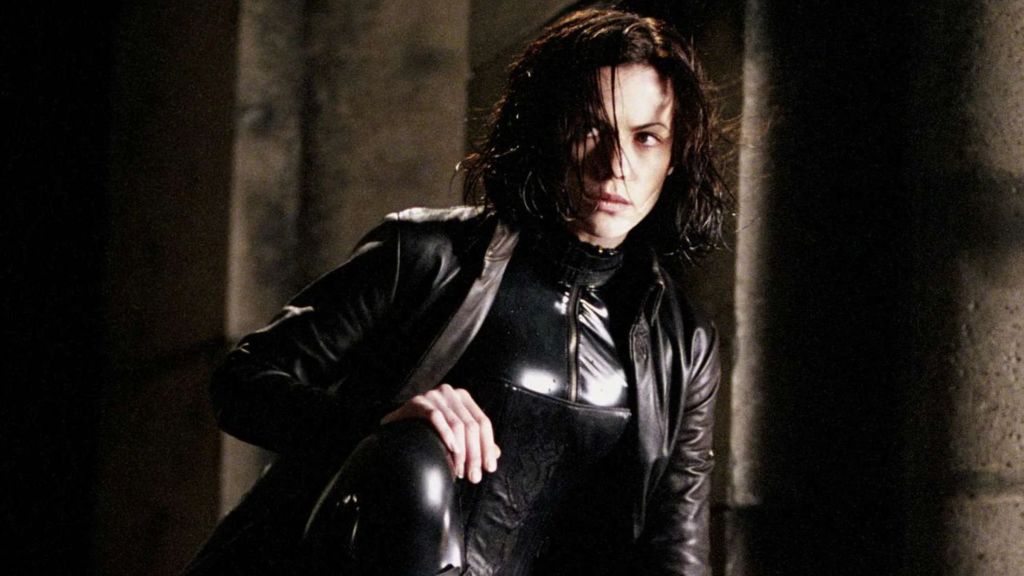
, especially when it comes to the vampire subgenre, because when it first hit theaters, it brought something very fresh to the screen. The movie takes the age-old rivalry between vampires and werewolves and gives it a new spin: Selene (Kate Beckinsale), a vampire trained to hunt Lycans, starts to question her own side after meeting Michael (Scott Speedman), a human who gets caught up in the conflict. With its gothic aesthetic, plenty of action, and forbidden romance plot, the film found a great combination without needing to explain every little detail of its universe. So the first movie worked perfectly well by keeping things simple, but then Underworld: Evolution came along, and everything started going downhill.
The second installment tried to go back to the origins of vampires and werewolves, and while it did reasonably well at the box office, its storytelling left a lot to be desired. Then came Rise of the Lycans, a prequel that actually felt like little more than a rehash of the same formula. The two movies that followed didn’t add much that was new either, and overall, Underworldturned into a franchise that lost its way as it piled on excessive (and confusing) lore without offering much character or story development. It had a very loyal fan base, but there’s no denying that it didn’t need five movies. Ambition got the better of it, and the results were so underwhelming that people barely talk about these films anymore.
3) Fantastic Beasts
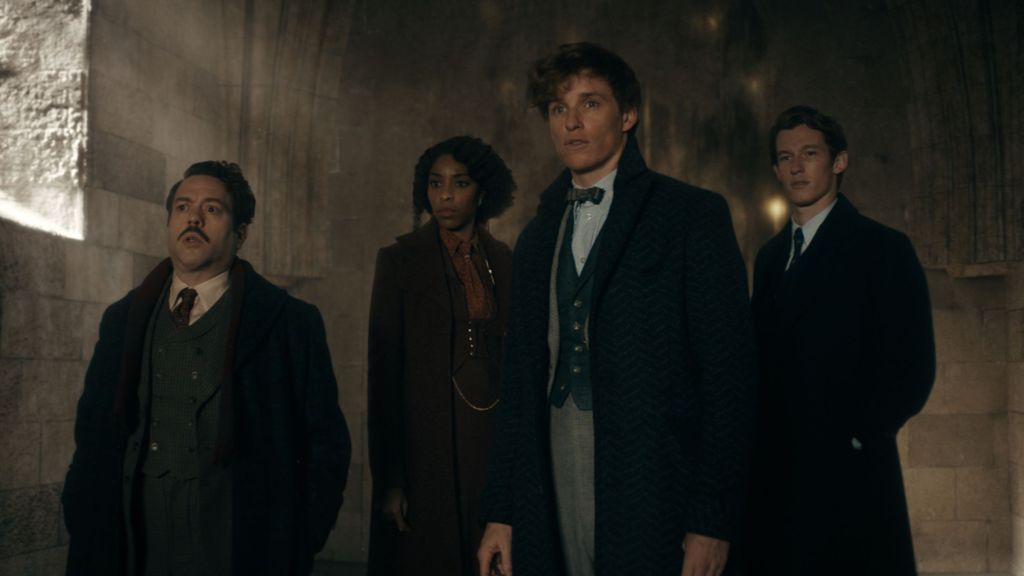
Considering Harry Potter‘s global success, a spin-off seemed like it would have a pretty good chance of succeeding too. But well, even though watchingFantastic Beasts is good, it doesn’t come close to the original series, and fans started making that clear with the second installment. Fantastic Beasts and Where to Find Them leaves Hogwarts behind to introduce Newt Scamander (Eddie Redmayne), a magizoologist who arrives in ’20s New York with a suitcase full of magical creatures. But some of them escape, so he has to track them down before things get out of hand. It’s a simple, grounded premise that explores a side of the Wizarding World that HPhad barely touched on. And yes, it worked, but the studio shouldn’t have been so quick to go all in.
Sure, the idea of bringing back familiar characters like Albus Dumbledore is pretty exciting, but that doesn’t work if the story takes a different direction from what was originally introduced. With The Crimes of Grindelwald, the franchise began moving away from its initial premise to focus on the rise of the dark wizard and his relationship with Hogwarts’ headmaster. With that, Newt’s storyline with his creatures was pushed further into the background to make room for political situations, revelations, and connections to the original HPstory. By The Secrets of Dumbledore, that shift was pretty much complete, and the box office took a major hit (on top of the casting turmoil caused by Johnny Depp’s controversies at the time). Fantastic Beastshad potential, but if the plan was to change its direction that much, it would have been better off as a single film.
2) The Crow

The problem with turning The Crow into a franchise is that the original movie had so much more going for it than just its premise, to the point that almost anyone even remembers or knows it became a franchise. This dark fantasy follows Eric Draven (Brandon Lee), a musician who is murdered alongside his fiancée and comes back from the dead to get revenge on those responsible. It’s clearly an idea that was meant to work as a standalone movie, but its gothic aesthetic, soundtrack, and Lee’s performance made people think there was room to take the story further. The fact that the actor also died in an accident during filming made the movie even more memorable, which was all the more reason to leave it alone. But Hollywood wouldn’t let it go.
The Crow: City of Angels, The Crow: Salvation, and The Crow: Wicked Prayer introduced new characters who also returned from the dead to seek revenge, but this formula started losing its appeal pretty quickly — telling the same story with different protagonists just wasn’t enough. Years later, the studio decided to squeeze a little more out of the IP with the 2024 reboot. Did it change people’s perception of the story? Not at all. The reviews were very negative, despite an attempt to develop Eric (Bill Skarsgård) and Shelly’s (FKA Twigs) relationship further. There will always be room for reimaginings in cinema, but The Crow is an exception. The best thing they could have done was leave the original movie alone, because it had already secured its place in pop culture and film history.
1) Highlander

If there’s one franchise that should have taken its own concept literally, it’s Highlander. The movie became famous for the idea that there could only be one immortal left standing, but the industry didn’t seem too interested in respecting that rule. The original follows Connor MacLeod (Christopher Lambert), a Scottish warrior who finds out he’s immortal and spends centuries fighting others like him in a competition where the winner will receive extraordinary power. Just imagine what it would be like to live for centuries, gather many experiences, and know that, eventually, you’d have to face other immortals? It’s a fantasy concept with a lot of potential, especially for the ’80s. So what went wrong and landed it on this list? The sequel.
It almost sounds like a joke, but even though the original film already had a perfect ending, Highlander II: The Quickeningcame along with the same characters and the bizarre idea of turning the whole thing into sci-fi, revealing the immortals were actually aliens from another planet. It was such a daring and outlandish twist that everyone criticized it. In an attempt to turn things around, four more movies were released to bring the franchise back to its original vision, but by then, it was already too late to make anything work. Next year, Highlanderis getting a reboot starring Henry Cavill, and this combination could work given how high expectations are — but so is the pressure. The new movie needs to show us why it had to happen, because otherwise, things could turn out just like they did with The Crow.
5 Long-Dormant Movie Franchises Finally Returning in 2027
More Movies
-

Movies
5 hours agoMarvel Star Reveals Struggles to Find Work After Joining the MCU
-
Collectibles
5 hours agoThis Cast-Signed Lord of the Rings Sword Replica Could Keep Orcs at Bay, and It’s Heading to Auction
-
Image Courtesy of Marvel Movies
6 hours agoThe MCU Just Revealed Doctor Doom’s “Traumatic” Backstory & It Confirms a Major Theory
-
Courtesy of Columbia Pictures Movies
6 hours agoThis Visually Stunning Cult Sci-Fi Classic Is a Free Streaming Hit After Almost 30 Years – and It’s Sequel Should Never Have Been Canceled
-
TV Shows
7 hours agoProject Hail Mary Author Thinks Star Trek Needs Major Course Correction, And He Knows What It Is
-
Movies
7 hours agoGodzilla Minus Zero Director Hints at Third Movie Potential, And the Kaiju That Might Appear
-

Image courtesy of Marvel Studios Movies
8 hours agoMarvel’s Kevin Feige Doubles Down and Debunks Doomsday’s Biggest Fan Theory
-
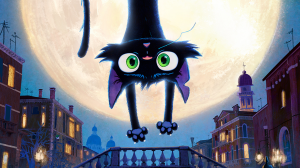
IMAGE COURTESY OF PIXAR Movies
8 hours agoPixar Confirms Its Most Unique Animated Movie in Years – Watch the Gatto Trailer Now
