

Marvel Studios launched its Multiverse Saga a year after the conclusion of its critically-acclaimed, record-breaking Infinity Saga. A rare, year-long quiet period for the Marvel Cinematic Universe came about due to the pandemic and it ended up bridging the gap between the then and the now. And although things got off to a mighty fine start with WandaVision, things began to take a sharp decline for the franchise that had yet to battle real failure.
Five years on and the Multiverse Saga has had far more of a mixed response than its predecessor due to a multitude of reasons. This has harmed the MCU brand as a whole (a brand that was once bulletproof) and resulted in some unexpected box office failures (as well as a critically-panned Disney Plus show, too). Now, thankfully, the studio has managed to turn things around ahead of the saga’s conclusion in Avengers: Doomsday and Avengers: Secret Wars, but it’s still hard to ignore that the MCU went off the rails for a bit there.
With that in mind, as the MCU gets back on those rails, let’s take a moment to look back at the four biggest missteps that the franchise made throughout the Multiverse Saga.

Oversaturation and overexposure (a.k.a. too many Disney Plus shows)
The launch of the Disney Plus streaming service opened up a whole new means of storytelling for the Marvel Cinematic Universe, and the franchise planned on making the most of that in the Multiverse Saga. The only problem is that you can have too much of the good thing and that is a lesson that Marvel Studios learned the hard way as the abundance of Disney Plus shows – and the varying degrees of quality that came with them – very quickly oversaturated its own appeal.
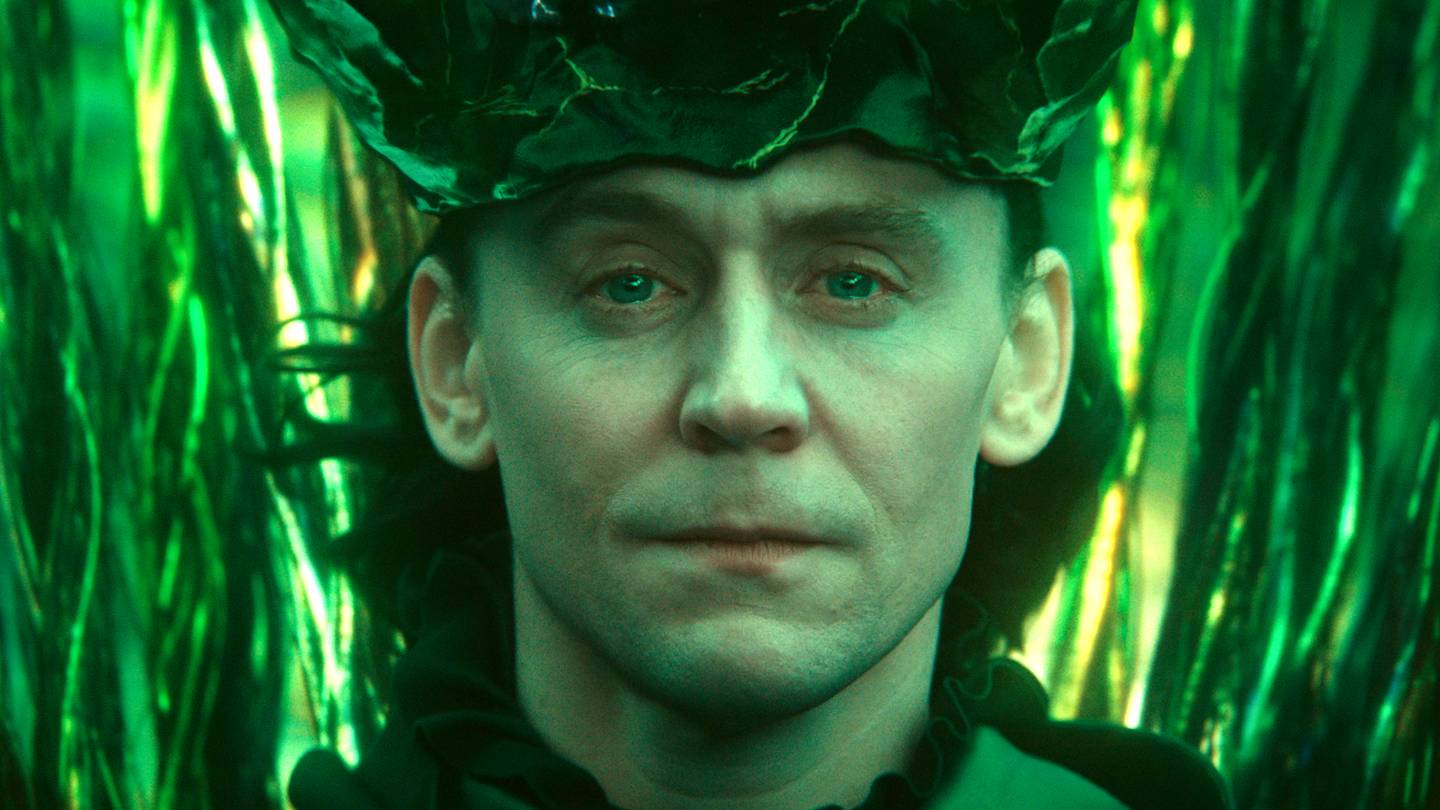
WandaVision was a triumph that felt truly special and worthy of being the first Marvel Studios TV event; it paid tribute to the TV format and simply couldn’t have been a movie. But a lot of the shows that came after it could have been, with the likes of The Falcon and the Winter Soldier, Secret Invasion, and even the incredible Loki all feeling like they were multi-part movies instead of TV shows. And seeing all of these larger-than-life MCU movie stars in your own home on Disney Plus watered down the need to see them in movie theaters – but not nearly as much as the poor quality that some of them ended up delivering.
While Marvel could have continued using TV throughout the Multiverse Saga, it was the way that they used it that overdid the entire thing. It diluted the brand and eventually resulted in even the movies having a noticeable dip in quality. If we had focused primarily on the films, used its Special Presentation format for some of those shows instead, and relied on critically-acclaimed TV events like WandaVision and Agatha All Along years apart from each other, overexposure would never have been a problem.
Secret Invasion
Samuel L. Jackson finally getting the spotlight in his own Nick Fury project and fighting aliens while he’s at it? Sign us up! That’s what we all said when we heard that Secret Invasion was coming to TV. It was such an obvious home run that there was a larger-than-life element about it even three years after the sheen of Marvel TV began to wear off. But the finished product was so ghastly that it left Marvel fans all over the world trying to retroactively erase it from their minds – something that is made that much easier by the fact that Marvel Studios itself is clearly pretending like it didn’t even happen.
From the unjust, uncalled for, and completely pointless killing of Agent Maria Hill to the equally unjust, uncalled for, and completely pointless killing of Talos, Secret Invasion manufactured cold, calculated character death scenarios in an attempt to raise its stakes – stakes that should have been already there in an alien invasion show. But the majority of the blood on its hands belongs to the MCU itself, as those questionable decisions – along with a lot more – placed the series among the lowest-rated superhero TV shows of all time.
When it did eventually get going, the series finale squashed any hopes and dreams that the show had of thrilling audiences, with that CGI-heavy battle sequence doing even more damage to the MCU’s reputation. In six episodes, Secret Invasion did more harm to the franchise than any other project in Marvel Studios history. And its massive $200 million budget really shone a spotlight on how some of these shows were not worth the investment.

Not enough of the Multiverse Saga
The concept of the Multiverse Saga was so unbelievably alluring as it allowed the MCU to dabble in other worlds, explore other versions of some of our favorite MCU characters, and even return to the worlds of some of the most beloved Marvel universes to exist before the MCU. That’s one of the many reasons why we’re all so excited to see the X-Men return in Avengers: Doomsday, and it also explains why we all lost our minds when Tobey Maguire and Andrew Garfield‘s Spider-Men turned up in Spider-Man: No Way Home.
However, when it comes to what to watch ahead of Avengers: Doomsday, there are very few Multiverse Saga titles that actually dealt with the multiverse. Granted, it’s more than okay for tales like WandaVision, Agatha All Along, and VisionQuestto tell the story of that trilogy and the street-level of Daredevil: Born Again keeps it mostly separate from the rest of the franchise. But when you really consider the scope of the Multiverse Saga, only projects like Loki, Spider-Man: No Way Home, Doctor Strange in the Multiverse of Madness, Deadpool and Wolverine, The Fantastic Four: First Steps, and even animated series What if…? feel relevant to the upcoming films.
Yes, Marvel shifted its plans for the Multiverse Saga midway through, scaling back on TV shows and swapping out one central villain for another, but the lack of multiversal films – and the importance of the multiverse itself – makes such a larger-than-life chapter n the MCU feel a little underexplored.

Kang the Conqueror
It feels a little odd to be talking about Kang the Conqueror with Avengers: Doomsday; almost like they are two elements from different timelines fighting for supremacy. But Doomsday‘s won out, as Robert Downey Jr.’s Doctor Doom officially swoops in to replace Jonathan Majors’ Kang as the Multiverse Saga’s Big Bad.
Majors’ legal troubles meant that Marvel Studios was always going to move on from Kang at some point, so that’s not on them, but fans haven’t forgotten how the franchise failed to fully establish Kang as a compelling threat prior to that. In fact, reports say that the studio had grown cold towards Kang as the central villain due to the audiences’ lukewarm response to him. He was no Thanos and Marvel desperately needed another Thanos.
But honestly, it’s hard to take the central villain of the Multiverse Saga seriously when he is relatively easily defeated by a giant ant. Yes, Ant-Man and the Wasp: Quantumania was a huge misstep for the Ant-Man movie series, the MCU as a whole, and the Kang character. Despite an earlier sense of dread in the film, the character’s lacklustre demise and the confusing lore behind all of his variants just wasn’t enough to keep fans interested. And that is another problem caused by the overexpansive saga itself, because there was too long between titles – meaning that Kang wasn’t on screens enough to really drive home what a force he should have been.
Avengers: Doomsday arrives in movie theaters on December 18, 2026.

1 Comment
Pingback: Why Dolly Parton and Husband Carl Dean Never Had Kids - Comic Vibe