

The ’90s were a dominant decade for science fiction on TV. The Star Trek universe alone was responsible for several of the genre’s most popular series, with Paramount restoring it as the preeminent small-screen sci-fi franchise. Most networks were trying to ride the wave of its revival in popularity, often to great success — the networks that weren’t taking this particular trek were chasing down the next “X-Files.”
This environment — further buoyed by a growing system of networks, premium cable options, and syndication opportunities — led to an embarrassment of innovative, imaginative series that have helped influence sci-fi TV through to the current era. These standouts took advantage of technological advancements like early CGI animation, untapped mashups of formerly disparate genres and styles (particularly in the realm of animation), and an audience that was ready for these stories to tackle more complex themes and character arcs. We’ve ranked the 15 best sci-fi shows of the ’90s (including only those that had the majority of their episodes air in the decade), taking into account their reception at the time and their lasting cultural impact.
15. The Outer Limits (1995–2002)
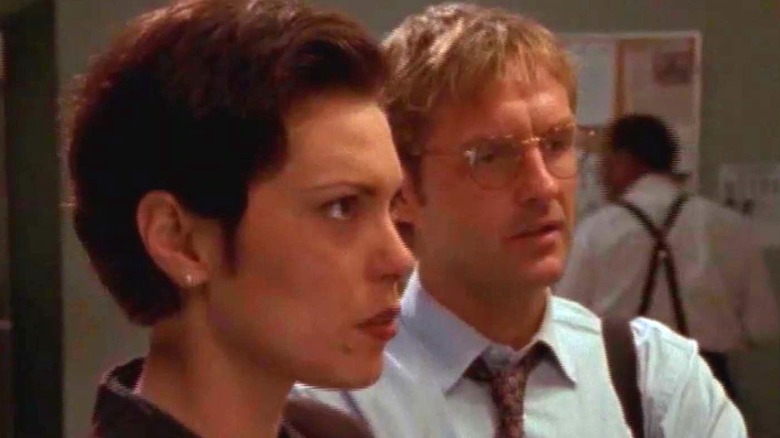
“The Outer Limits” is far too often the forgotten middle child of sci-fi anthology shows, lost between “The Twilight Zone” and “Black Mirror.” The former of those two undoubtedly influenced the original “Outer Limits” when it debuted in 1963. It was swiftly canceled due to poor ratings.
The revival, which began airing on Showtime in 1995, wound up running for seven seasons and 100 episodes. The timing couldn’t have been better — many of the shows further down this list had already proven that science fiction was a gold mine for television, and the advent and rising popularity of premium cable networks like Showtime meant the revival could promise to push the content envelope even further than its predecessor. Whether it led to a superior show is debated by fans. It certainly led to a more sustainable product, which set the modern template for the sci-fi anthology series of the 2000s and 2010s.
14. Mighty Morphin Power Rangers (1993–1995)
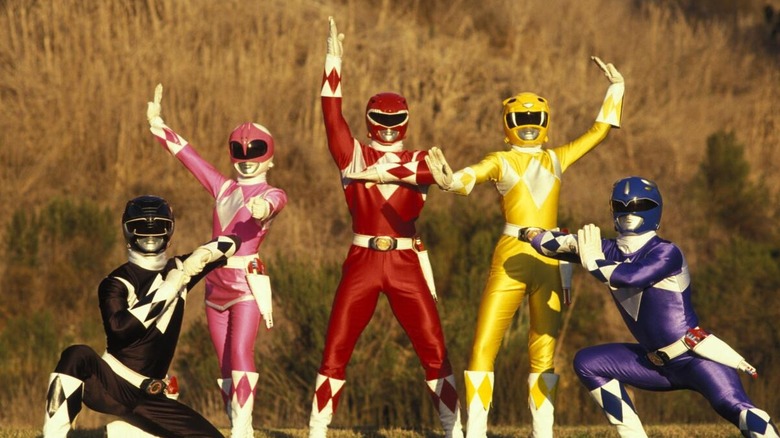
It’s truly wild to look back at how controversial “Mighty Morphin Power Rangers” was when it began airing on Fox Kids in 1993. Adults who caught wind of it and took it seriously were clamoring to have it taken off the air; the rest treated it like a joke. Despite this, it completely captured the imagination of its target audience, starting a craze in toy aisles across the world (itself a cultural moment, initially inspiring the 1996 Arnold Schwarzenegger Christmas film “Jingle All the Way”). More than that, it ingrained itself in the collective memory of an entire generation, who have carried it forward as one of the most enduring franchises in entertainment history.
It gets most of its points for creativity. Creators Haim Saban and Shuki Levy shot footage of American “teens with attitude” and cut it into footage from a Japanese series (“Zyuranger”) where masked heroes fought monsters. As much as one might be tempted to reduce its success to its toyetic properties and simple storytelling, “Power Rangers” introduced countless children to a kind of action show they’d never seen before, and likely never would have without this series. Meanwhile, the spliced-in teen scenes turn the series into a relatable, serialized escapist superhero fantasy, the likes of which came to dominate children’s programming in subsequent years.
13. Beast Wars: Transformers (1996–1999)
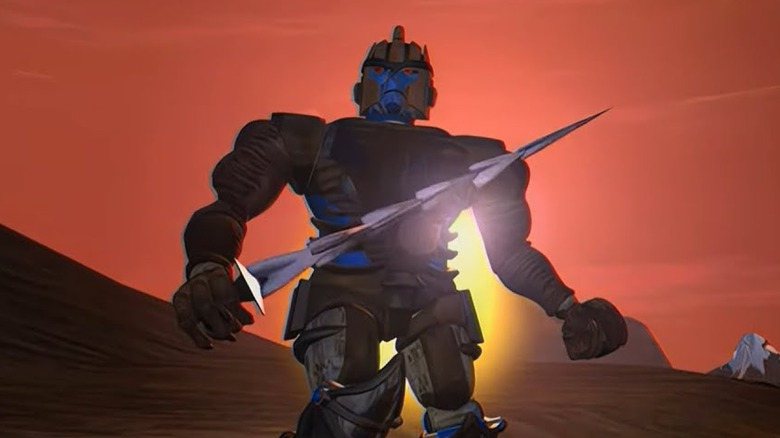
Of all the series on this list, “Beast Wars” is the only one that’s actually kinda hard to convince people to watch. It is, admittedly, a grotesque-looking product compared to the computer-animated shows we have today — speaking of early CGI adopters, the animation studio Mainframe Entertainment produced one of, if not the first fully computer-animated series, “ReBoot,” two years before it produced “Beast Wars” in 1996. It was at the forefront of a burgeoning medium (and, boy, does it look like it).
If “Beast Wars” looked like a contemporary animated series, it wouldn’t be controversial to call it the best Transformers series ever made, as well as one of the first great children’s cartoons. The writing has aged far better than the animation. It expands the franchise’s lore in inventive new ways, treats the robots like serious dramatic players, and constructs serialized character arcs that trust the young audience to keep up with complex storylines and emotional development. “Code of Hero” — a half-hour of TV widely considered to be a high-water mark for the franchise at large — pays off a genuinely moving redemption arc built from the start of the series. Dinobot walked so Prince Zuko could run.
12. SeaQuest DSV (1993–1996)
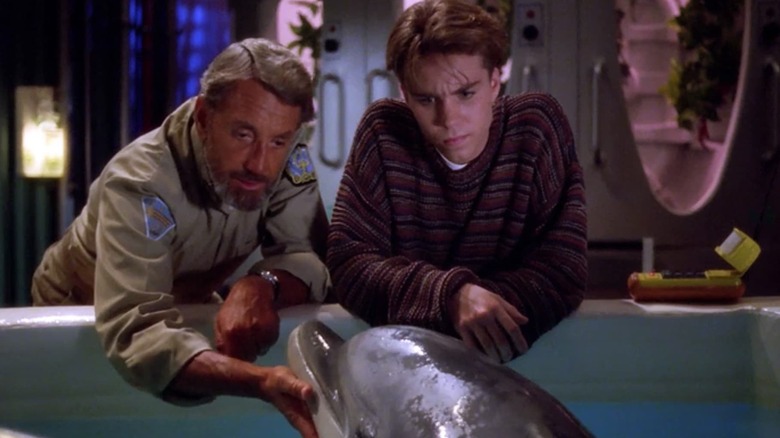
Nothing captures the optimism of the ’90s quite like a show that predicted we’d colonize the sea by 2018. Created by Rockne S. O’Bannon and produced by Steven Spielberg’s Amblin Television, the NBC series initially promised to breach the final final frontier in blockbuster sci-fi TV entertainment. It could be pitched as “Star Trek” underwater, focusing on what are basically ecological and geopolitical conflicts with sci-fi shading.
The latter two outings of the three-season project veer away from Season 1’s tone. Apparently unsatisfied by the results it was getting for its investment into a Star Trek competitor, NBC pushed “SeaQuest” to become more fantastical in its approach, injecting supernatural, extraterrestrial, and even mythological elements into the storytelling. Roy Scheider, who anchored the series as Captain Nathan Bridger, described Season 2 as “total childish trash”
Even at its worst, the first season of “SeaQuest DSV” rightfully earns it cult status among sci-fi TV fans. It was also one of the first television shows ambitious enough to use CGI, neck and neck with Star Trek and “Babylon 5.”
11. Millennium (1996–1999)
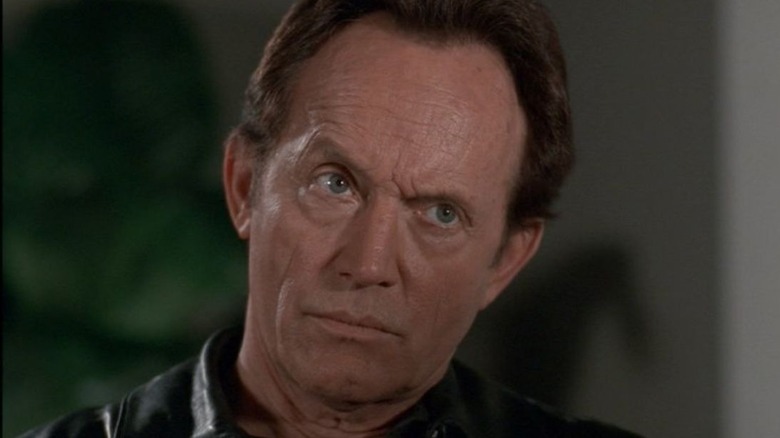
On the subject of TV shows that were canceled far too soon, we’re still mad Fox axed “Millennium” when it did. The show was, for better and for worse, basically a new product every season, fighting to find itself in uncharted narrative waters. Today, it would be an instant hit.
Chris Carter’s follow-up to “The X-Files” stars Lance Henriksen as Frank Black, a criminal profiler with a strange ability to see inside the minds of murderers. He uses his powers to investigate crimes for the Millennium Group, a secret society with hidden plans revolving around the impending year 2000. As the series progresses, it leans harder and harder into its unique blend of science fiction and occult horror tropes. Most of all, it’s a foundational entry in the canon of serial killer crime thrillers. Following “Kolchak: The Night Stalker,” it was one of the first series that dared to engage with such disturbing psychological subject matter on a weekly basis, and played a key role in marrying the novel subgenre with elements of horror. It was canceled after three seasons, ending its story in a Season 7 episode of “The X-Files.”
10. Quantum Leap (1989–1993)
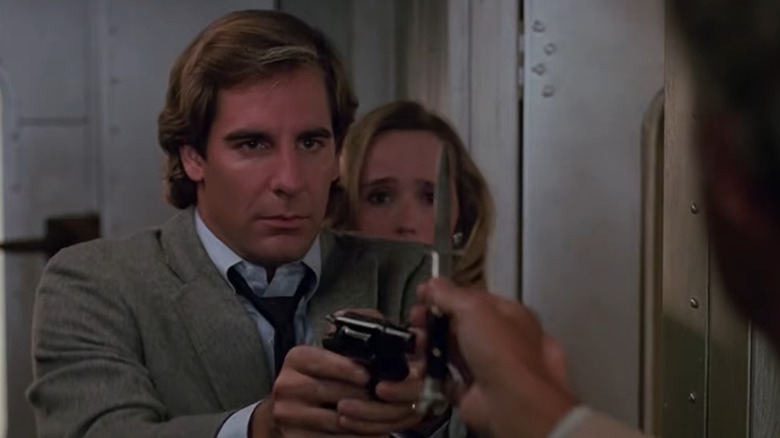
“Quantum Leap” is the first show on our list to break through with mainstream institutional acclaim. NBC’s beloved time-travel drama was nominated for 32 Emmys, including multiple nods for outstanding drama series and outstanding lead actor (for Dr. Sam Beckett himself, Scott Bakula). It won three straight times for its cinematography.
In a decade that was defined by “Star Trek” wannabes, “Quantum Leap” arguably gets closest to the show’s philosophical essence. It encourages curiosity in the realm of science, but also in one’s emotions and worldview; it’s also socially conscious, eager to use its body-swapping premise to explore as wide a range of real-world issues as it does genres and timelines. It reinvents the sci-fi procedural as a vehicle for empathetic escapism, with Beckett turning his own hellish misfortune into a superpower to help others. Declining ratings from the third season onward led to the show’s untimely cancellation – and a series finale that is still regarded as one of the most controversial of all time.
9. Aeon Flux (1995)
If you ask anyone about MTV’s lasting cultural impact from the ’90s, everyone will (rightfully) point to the music. “Aeon Flux” nonetheless deserves a place in the conversation.
Evolved from a series of shorts on Liquid Television, Peter Chung’s one-season wonder set a new standard for adult animation. Where “Beast Wars” requires a fair bit of gritting one’s teeth to appreciate its dramatic quality, the art style of “Aeon Flux” remains timeless (let this be a cautionary tale to anyone eager to needlessly insert new tech into animation). Its themes and ideas are surprisingly, deliciously complex, exploring romance, state fascism, personal morality, and political identity. It’s a pure sci-fi spy thriller that hacks your brain from start to finish.
“Aeon Flux” was painfully ahead of its time. After it was canceled, its legacy was scarred by an embarrassing live-action adaptation in 2005. Presently, the series is remembered as a landmark in animation and science fiction storytelling on television, as well as one of the defining pieces of cyberpunk TV.
8. Star Trek: Voyager (1995–2001)
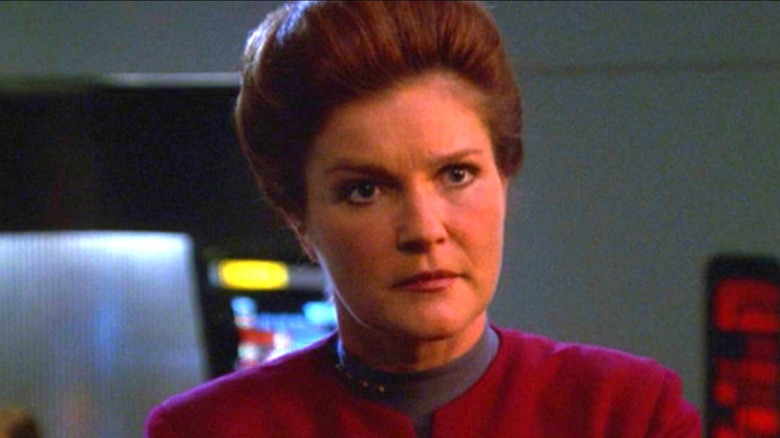
“Star Trek: Voyager” is arguably the last great Star Trek show of the pre-streaming era. It wasn’t appreciated at the time, unfavorably compared to the other ’90s Star Trek series we’ll get to further down this list.
Airing on UPN, “Voyager” follows a Starfleet crew lost in space who is then forced to collaborate with a group of rebels to make it back home. Kate Mulgrew’s Kathryn Janeway broke Star Trek’s glass hull as the first woman to anchor a series as its ship’s captain. The show’s producers at Paramount thought this would be the show’s undoing — “Voyager” ran for seven seasons and over 170 episodes anyway. Captain Janeway is still regarded as one of the canon’s strongest characters.
To that point, when “Voyager” worked, it was largely because of the characters and performances. Robert Picardo’s The Doctor and Jeri Ryan’s Seven of Nine were surprise breakouts. Overall, the worst episodes of “Voyager” are only debatably worth watching – the best stand toe to toe with the franchise’s most celebrated installments.
7. Batman Beyond (1999–2001)
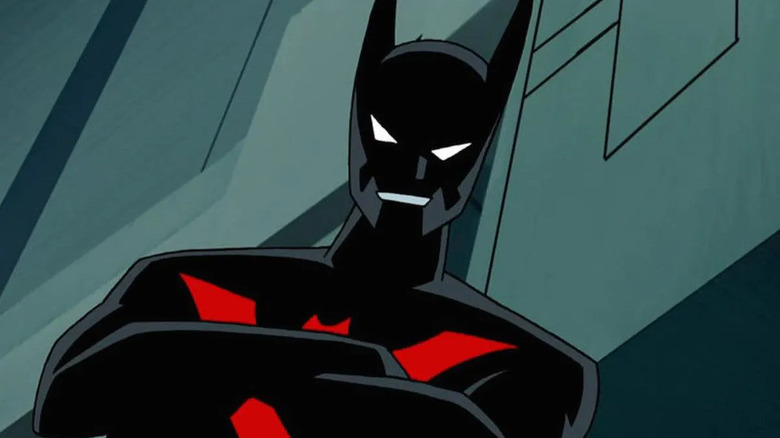
“Batman Beyond” was the first DC animated series to be written around a character original to the DC Animated Series. A high-concept premise developed to make Batman more relevant and exciting to younger audiences yielded one of the comic book company’s best TV series of all time.
It’s been broadly pitched before as the Spider-Man-ification of Batman. The man behind the mask is now high-school-aged Terry McGinnis (Will Friedle), and the high-tech suit he wears gives him superhuman strength, durability, and flight. The villains are also reminiscent of the wall-crawler’s rogues’ gallery, with sleek, stylish character designs and backstories that tie them to McGinnis personally. Their powers and abilities are also decidedly tech-based, compared to the gothic monster madness of Batman’s usual foes.
But it’s the presence of an older, out-of-commission Bruce Wayne (voiced by the inimitable Kevin Conroy) that elevates this series beyond a superhero mashup. Ironically, a show made to speak to kids is ultimately a mature, nuanced exploration of legacy — the impact one person is able to have on a city that bends to crime without fail; and how that person keeps fighting when the city finally seems to break them.
6. Babylon 5 (1993–1998)
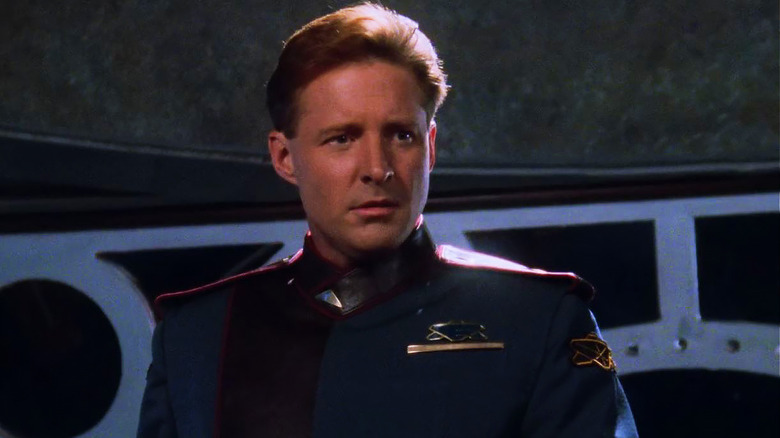
When you think about the earliest prestige TV shows, you probably race to “The Sopranos,” “The Wire,” or even “Hill Street Blues” first. In retrospect, “Babylon 5” was arguably the first science fiction drama to adopt the structure and pacing of what we now call prestige TV — and it did so before any of HBO’s defining dramas were produced.
Developed by J. Michael Straczynski after the arrival of “Star Trek: The Next Generation,” “Babylon 5” is an ambitious, expansive TV space opera with an impressively singular creative vision. It had half the budget of its Trek competitors, but spent wisely enough to keep the immersion total. Intricate practical-effects makeup and bold costume designs made the aliens look just as good as anything else on TV, and the CGI space sequences were ahead of their time (often featuring simulated camera movement to sell the urgency of starship battles).
Narratively, “Babylon 5” proved sci-fi TV was ready to carry protracted political story arcs and complex character development. It’s the show that gets us from “The Outer Limits” and “Star Trek” to “Foundation,” “The Expanse,” and some of the streaming Star Trek shows.
5. Neon Genesis Evangelion (1995–1996)
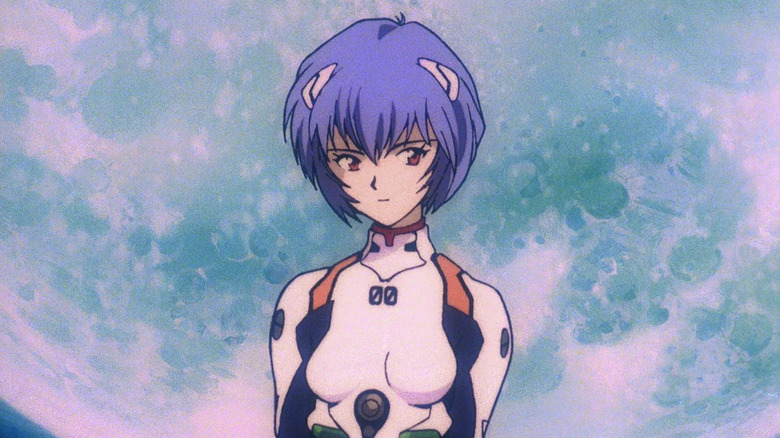
“Neon Genesis Evangelion” was an inflection point for anime. Hideaki Anno’s TV Tokyo series ran for just 26 episodes, and is still considered one of the most influential works of art to come out of Japan, showcasing how indulgent sci-fi spectacle can exist alongside profound psychological storytelling. “Attack on Titan” doesn’t exist without it.
And yet, as many shows came to be inspired by what it accomplished, there’s never been anything else quite like “Neon Genesis Evangelion” on TV. The action is as bombastic as fans of the mecha anime subgenre could hope, with strikingly fluid animation that intentionally evokes human qualities in the towering robots piloted by the cast. It can also be emotionally devastating and horrifically brutal for the same reason. Regardless of the chaos on screen, Anno keeps the dramatic focus on the characters’ mental states, and translates them outside the action with extended, visually interpretive sequences of introspection.
This psychological layer gives the increasingly apocalyptic stakes real emotional and philosophical weight. The people standing between humanity and the end of the world are deeply flawed, and only continuing to get worse the more they continue the fight.
4. Star Trek: Deep Space Nine (1993–1999)
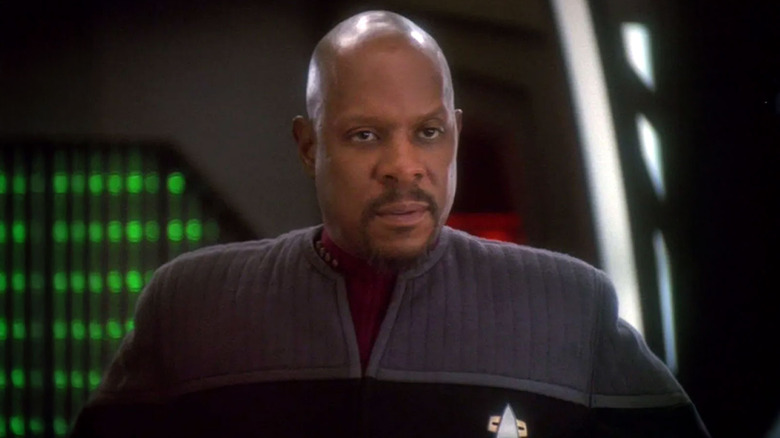
“Star Trek: Deep Space Nine” is quite possibly the most underrated Star Trek series of all time. The show was challenging and subversive of the franchise’s established formula when it began airing in 1993. While “Voyager” was working out a new twist on the spacefaring format, “Deep Space Nine” kept its Starfleet crew grounded on a space station in volatile territory.
Because the show couldn’t jet away from conflict or toward some novel narrative catalyst, it was forced to generate drama by interrogating everything the original series and its successors took for granted — in particular that war can-slash-should exist only on the periphery of a Star Trek show. It’s the Trek series where Gene Roddenberry’s space utopia felt far from utopian.
This tonal change doesn’t land for every Trekkie, and that was undoubtedly even more true when “Deep Space Nine” began airing alongside “The Next Generation.” Now that fans are able to consume it at their own pace on streaming, it’s easier to appreciate it as an early prestige sci-fi series in the same vein as “Babylon 5.”
3. Cowboy Bebop (1998–1999)
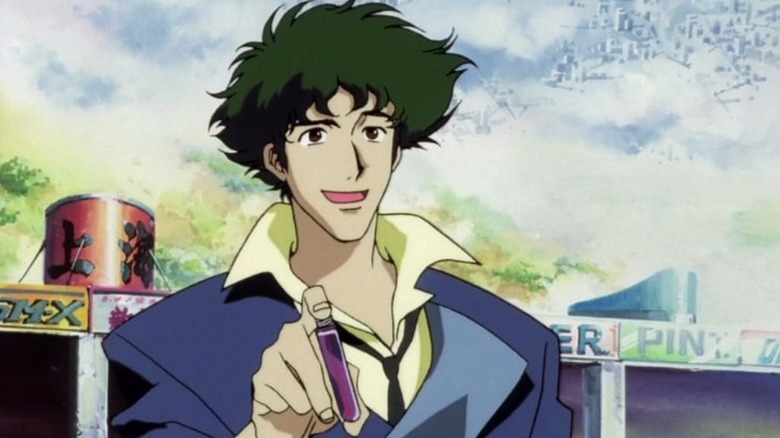
As popular as sci-fi was in the ’90s, no TV series proved it could be as cool or stylistically cohesive as “Cowboy Bebop.” Shinichirō Watanabe’s 26-episode series about a crew of struggling bounty hunters pulls from a wide range of influences — cyberpunk fiction, Hollywood Westerns, kung-fu epics, antihero crime dramas, and animated sitcoms, all of which are somehow held perfectly together by a jazz-infused score that sounds better than any TV show soundtrack has a right to.
The real brilliance of the series is that while these eclectic influences sweep the viewer into a state of seduction with the characters’ exciting lifestyle, the rich character writing comes through to remind them of the cost. It walks the line between escapist thriller and psychological tragedy, written around the tension between making peace with one’s past and fighting to rise above it. Though the show ended in 1999, its run on Adult Swim in 2001 played a massive role in popularizing anime in America.
2. Star Trek: The Next Generation (1987–1994)
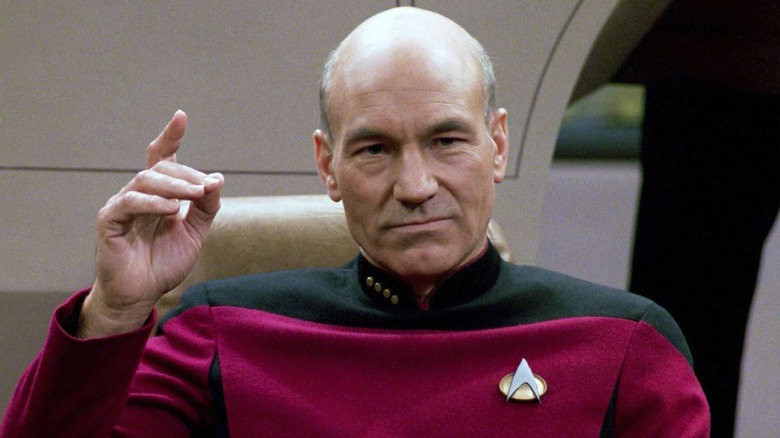
Star Trek doesn’t make it to the year 2020 without the success of “Star Trek: The Next Generation.” It didn’t always look like that would be the case.
Premiering in 1987, Gene Roddenberry’s sequel series got off to a rocky start, with a first season that will admittedly test new viewers’ patience. By Season 3, however, “The Next Generation” had begun to take itself more seriously, trusting that Star Trek fans were ready for an adult drama that could engage with challenging ethical dilemmas, political disputes, and philosophical questions. Dare we say, it’s Star Trek at its most sophisticated, setting a new standard for the franchise and, in many ways, science fiction television at large.
Of course, much of that greatness was carried by the late Patrick Stewart, a disciplined thespian who led the crew as Captain Jean-Luc Picard. His performance treated Star Trek like a Shakespearean drama. That he led all seven seasons without losing that commanding spark is the franchise’s greatest acting achievement, and why the character remains iconic both in the Star Trek canon and in the broader pantheon of science fiction heroes.
1. The X-Files (1993–2002)
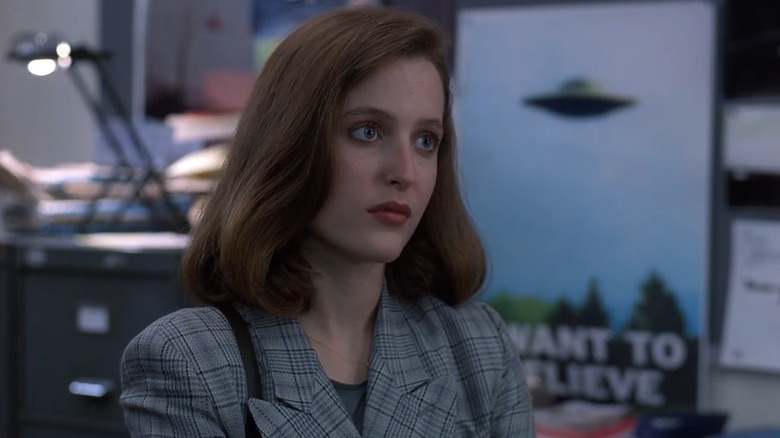
“The X-Files” is ’90s sci-fi television, full stop. While “Star Trek: The Next Generation” was carrying a decades-old franchise into the modern era, this Fox procedural from Chris Carter took the essential elements of small-screen science fiction and fused them with the evolving narrative conventions of TV as a medium. It’s why “TNG” became an institution for Trekkies and the Comic-Con crowd specifically, while “The X-Files” became appointment viewing for a much broader audience.
The keys to its success are Fox Mulder (David Duchovny) and Dana Scully (Gillian Anderson), probably the greatest buddy-cop pairing in TV history. Their dynamic grounded the show regardless of what subgenre it was borrowing from that week, be it supernatural horror, conspiracy thriller, crime procedural or (often) a delicious mixture of all three. Anderson’s Scully had a lasting impact outside the fictional world of the show, measurably inspiring young women to pursue careers in STEM. It spun off into both “Millennium” and “The Lone Gunmen” and inspired a slew of sci-fi and fantasy shows including “Fringe” and “Supernatural.” A reboot from Academy Award-winning screenwriter Ryan Coogler has been greenlit, proving its lasting impact on the sci-fi world.

2 Comments
Pingback: 5 Best Video Games Like Alien: Isolation - Comic Vibe
Pingback: A perfect Halloween treat – Comic Books and Candy from Acme and Starfighter - Comic Vibe