


Meta CFO Susan Lee said the company remains “optimistic about the future of VR” and acknowledged that it is still “developing future headsets.”
Lee made the comments during Meta’s Q4 2025 earnings call this week in response to a question from a Deutsche Bank analyst if Reality Labs would be “focusing on wearables.”
“However, consumer adoption of VR is generally on a slower growth trajectory than wearables, and we are rebalancing our Reality Labs portfolio to reflect this,” Lee also reiterated a declaration made by chief technology officer Andrew Bosworth at Davos last week.
“As such, we are significantly reducing our investment in VR and Horizon this year, but increasing our investment in wearables to capitalize on the momentum we are seeing in our position as a market leader,” she continued.
Mehta first publicly acknowledged this change in spending strategy in December. And earlier this month, the company closed three of its acquired VR game studios, made significant layoffs at a fourth, canceled the Batman: Arkham Shadow sequel, and announced the closure of its Horizon Workrooms and Quest headsets for businesses.
This decision comes after sales of the Quest headset decreased in 2025 compared to 2024, while sales of Ray-Ban Meta smart glasses tripled.
Meta confirms that it will “shift some of its funds from the Metaverse to AI Glasses”
Following reports that some of Reality Labs’ budgets will be cut by up to 30%, Meta has officially confirmed that it will “move some of its investments from Metaverse to AI glasses and wearables.”
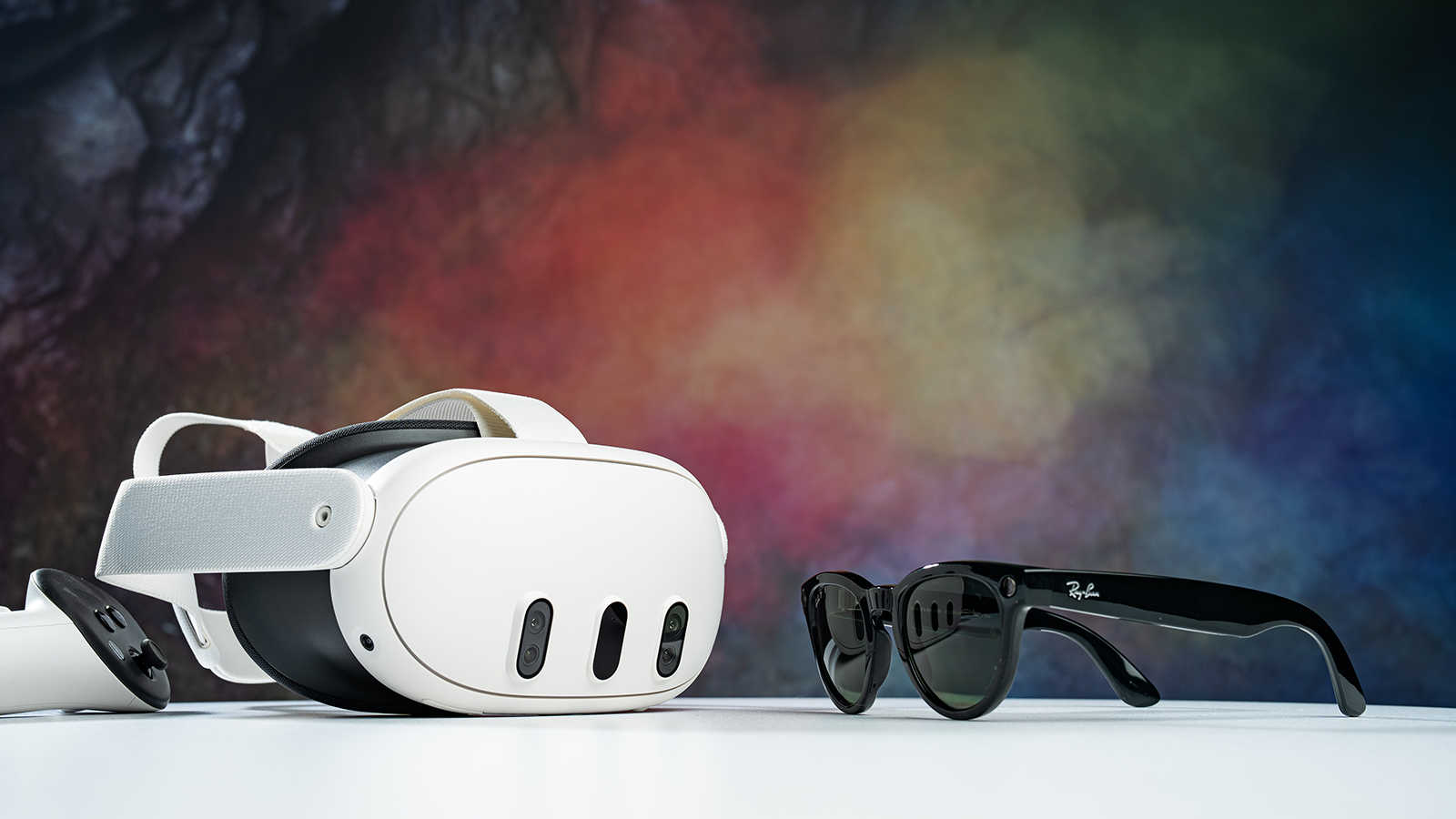
At the beginning of the company’s fourth-quarter earnings call, Mark Zuckerberg told investors that the company’s spending cuts will make VR a “profitable ecosystem for years to come.”
Meta’s Reality Labs division, which covers VR, Horizon Worlds, and smart glasses, posted record spending approaching $7 billion in the fourth quarter. Considering the revenue of just under $1 billion, there was a “loss” of about $6 billion.
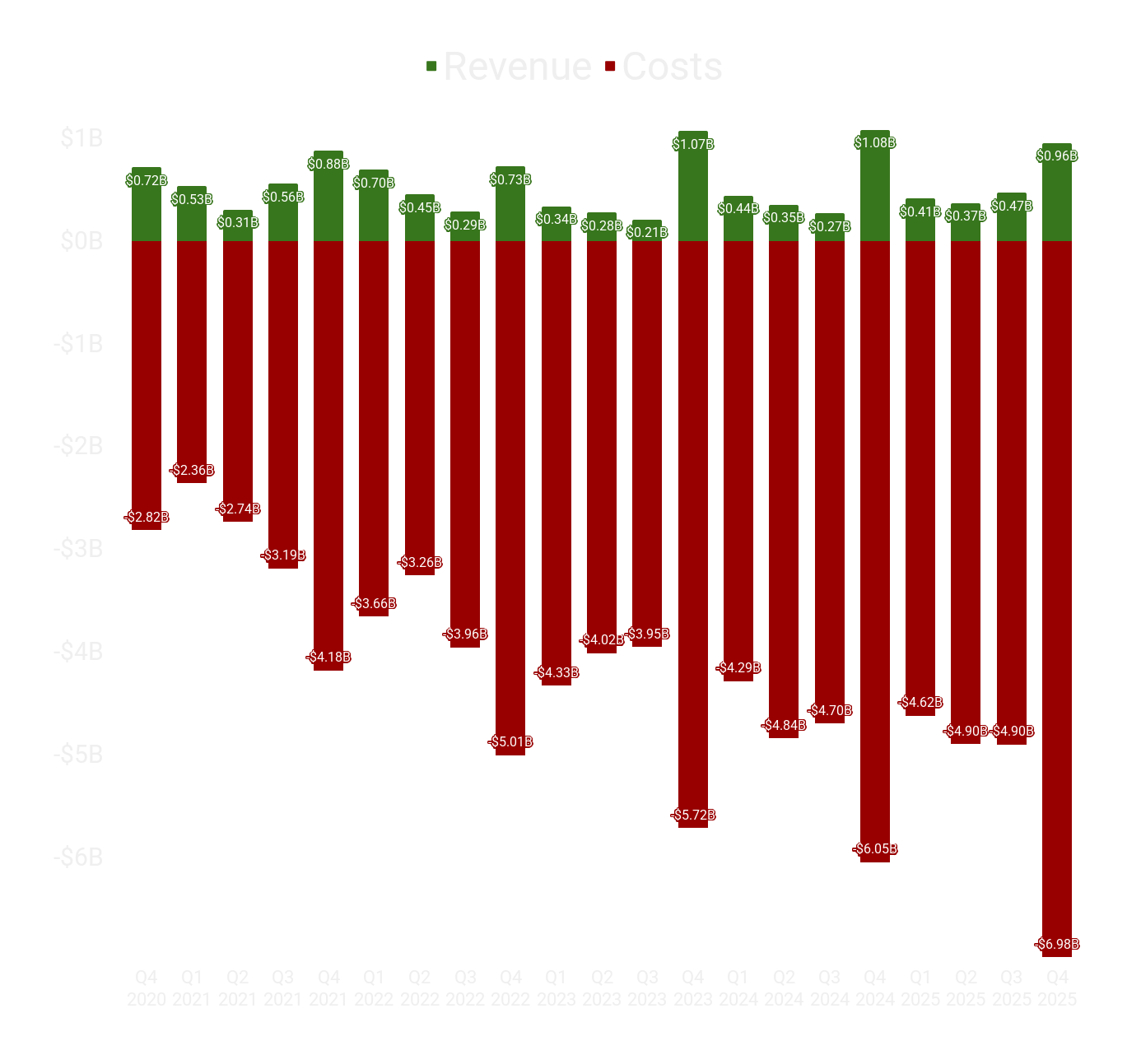
However, Reality Labs continues to focus on research and development, and much of this “loss” is actually money spent developing true AR glasses, a consumer technology product that companies like Apple, Meta, and Google believe will define the next wave of personal computing.
Mr. Zuckerberg told investors to expect Reality Labs’ losses to ultimately peak in 2026, and Mr. Lee said Meta’s “expectation” is that losses would begin to decline in 2027, depending on market developments.
Meta postpones ultralight headset, begins development on gaming-focused Quest 4
Meta has postponed the launch of its ultralight headset with tether pack to the first half of 2027, and is separately starting work on the gaming-focused Quest 4, a leaked memo reveals.
As for the “headsets” (plural) Susan Lee was referring to, an internal memo leaked in early December revealed that in addition to the widely reported ultra-light headsets with tether packs, Meta is also currently working on a traditional new Quest focused on “immersive gaming.”
The memo says the headset, which isn’t expected until late 2027 at the earliest, should bring a “significant upgrade” over the Quest 3, but it won’t be subsidized and will cost more. This is in line with Zuckerberg’s mention that VR will become “beneficial” for Meta “over the next few years.”
Many in the industry have speculated that this headset has already been canceled following Meta’s other VR cuts, but Lee’s mention of a “headset” may suggest it’s still in development. Only time, or further leaks, will tell.
Appreciate our reporting? Become an UploadVR member, patron, or leave a tip.
