

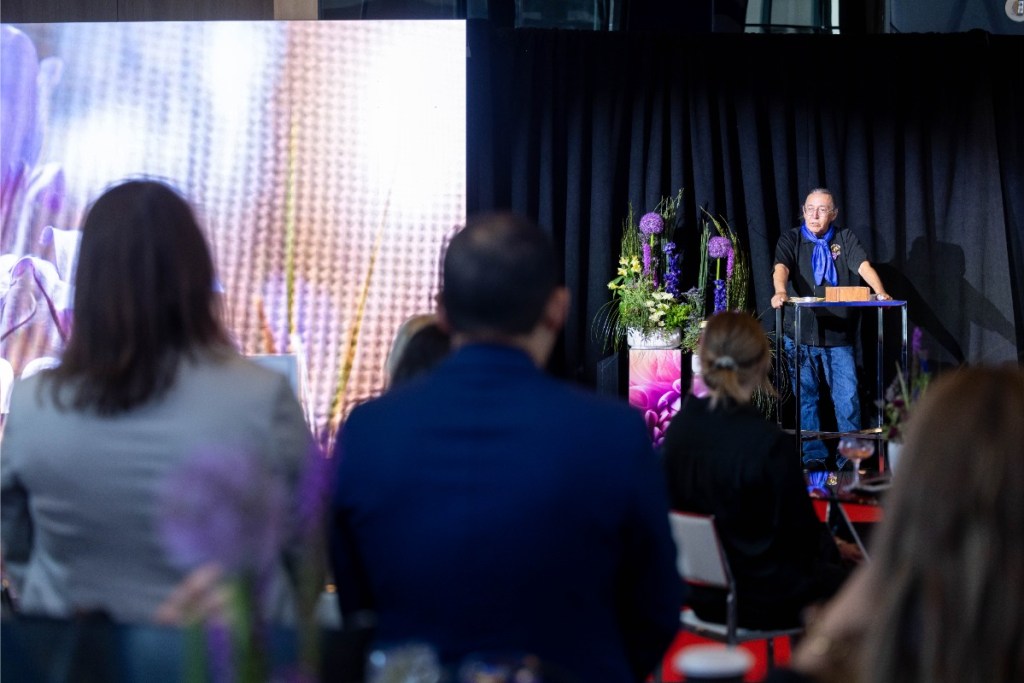
For decades, reconciliation in the meetings industry has been expressed primarily through land grants and cultural programs layered on to events. The Calgary TELUS Convention Center (CTCC) is trying something more structured.
The venue launched Canada’s first formal Indigenous Reconciliation Action Plan for a convention centre. This is a multi-year, venue-wide strategy that positions reconciliation as an operational responsibility rather than an optional event feature. A structured approach can help avoid what Indigenous partners often describe as performative reconciliation, public gestures lacking meaningful, structured follow-through.
This plan aligns with the Truth and Reconciliation Commission of Canada’s Call to Action No. 92, which calls on the corporate sector to adopt meaningful Indigenous engagement, education, employment and procurement practices. While many organizations have made public commitments to reconciliation, the CTCC says it is the first convention venue in North America to formally incorporate its commitment into a measurable operational framework.
From recognition to accountability
Canada’s Truth and Reconciliation Commission has found that the church-run boarding school system that operated from the late 1800s until 1996 amounted to cultural genocide. In recent years, new technology has led to the discovery of unmarked graves, many believed to be of children, on the site of a former boarding school. Canada currently designates September 30th as National Day for Truth and Reconciliation.
CTCC leadership says the venue plan is an effort to extend that reflection into year-round organizational practices.
“Indigenous programs for events should not be ticked off,” said Calgary Terrace Convention Center president and CEO Kirby Cote. “We hold a space for respectful ritual and reflection, and if it’s meaningful enough, it should have a ripple effect on others.”
The court noted that CTCC’s journey of reconciliation began several years ago with the development of land recognition, which prompted deeper internal education and dialogue.
Central to this plan is building long-term relationships with Indigenous partners. Elder Sheldon Fast Rider, a Blackfoot elder and Blood Nation boarding school survivor, serves as the venue’s advisor.
Over the past year, CTCC has commissioned Indigenous artists to create permanent works. The venue will also host the annual Indigenous Art Market during the Calgary Stampede, featuring Indigenous-only stalls and handmade artworks, creating direct economic opportunities tied to one of the city’s biggest events.
Integrating indigenous elements
For planners, ReconciliAction Plan provides structured on-site support rather than ad hoc procurement. CTCC has introduced the Client Indigenous Program to help planners incorporate Indigenous elements into their events in an informed and respectful way.
“Our role is to provide partnership and guidance so that planners can meaningfully contribute to truth and reconciliation, not just symbolically but through action,” Cote said.
The venue connects clients with select Indigenous organizations that offer elder blessings, drum and dance performances, art walks, speakers, educational sessions, and more. Partners include Authentically Indigenous, Zuc’min Guiding, Warrior Women, and Moonstone Creation.
