

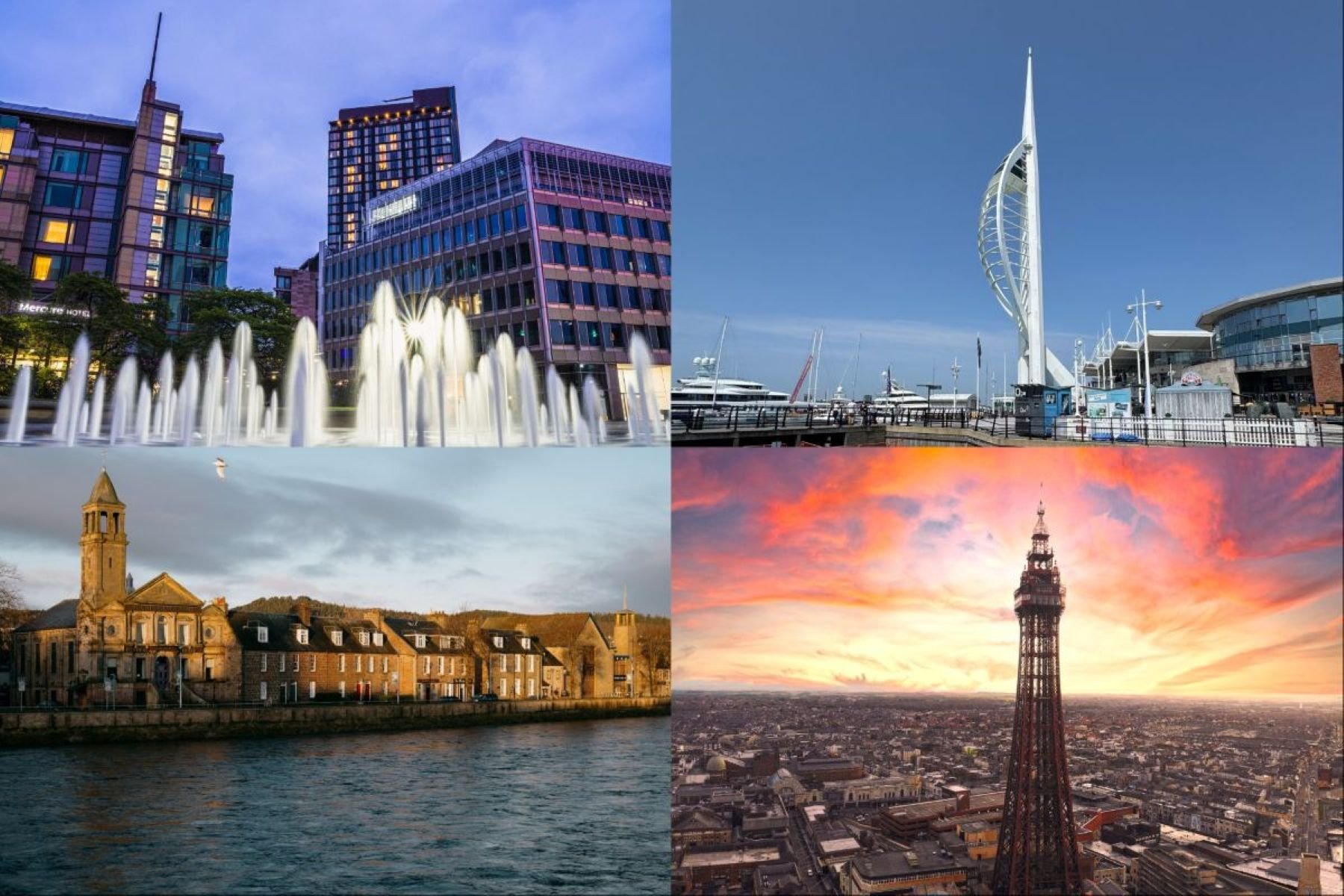
From Blackpool’s entertainment heritage to Wrexham’s claim on being the “world’s most playful place”, the nine hopefuls for the title City of Culture 2029 have been working on their bids.
After 17 places submitted expressions of interest, nine longlisters were awarded £60,000 each to develop their full bid, ahead of the shortlist being decided in autumn this year.
Arts Professional takes a look at how the locations are proposing to spend £10 million on a year celebrating arts and culture in their communities.
Blackpool
Blackpool hopes to promote its “rich, varied and proudly homegrown” cultural life, from Showtown Museum, which honours the town’s entertainment heritage, to the Grundy Art Gallery, a National Portfolio Organisation presenting contemporary work.
Confirming “it doesn’t matter” that it is not technically a city, the bid is supported by a range of organisations including the council, Blackpool Tourism Ltd, Creative Blackpool and Lancashire County Council.
The timing “could not be more fitting”, the bid states, as 2029 marks 135 years since the opening of the Blackpool Tower and Blackpool Grand Theatre, while the Winter Gardens celebrates its 150th anniversary in 2028.
It would use the money to transform the “nation’s favourite playground” into a “celebration of creativity, joy and shared wonder”, while strengthening the visitor economy, creating jobs and supporting regeneration.
Inverness-Highland
Titled Beò! (Gaelic for ‘to be alive’), Inverness-Highland’s bid wants to change things “for real people”, including “young folk deciding whether to stay, communities at the end of long roads, new Highlanders just arrived, and every creative person quietly making this place what it is”.
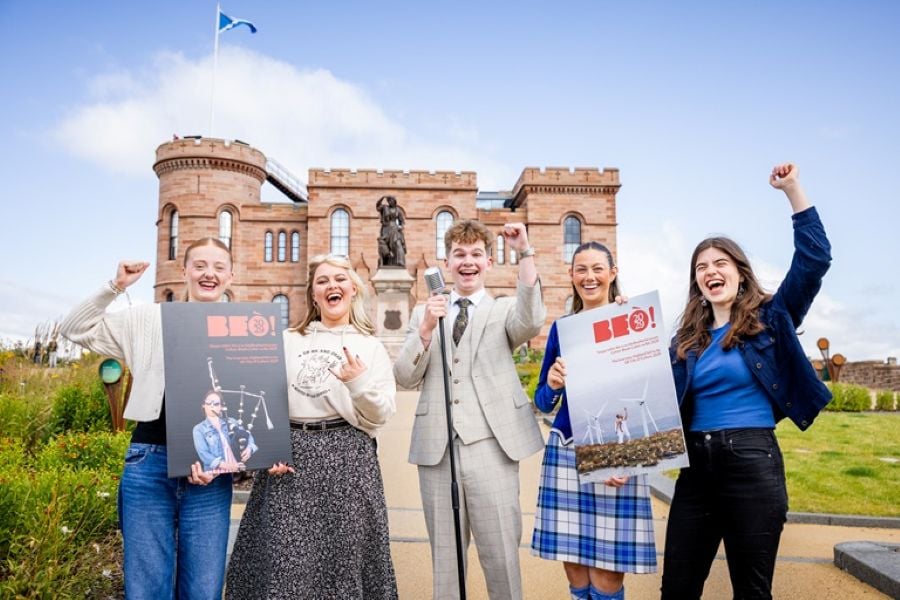
Selling its “extraordinary landscapes” as “the venue”, Inverness points out the City of Culture competition has never come to Scotland, and “maybe 2029 is the time”.
Five youth champions have already been appointed to “embody the positivity, passion and optimism that sits at the heart of the bid proposal” and the bid sets out how it will address challenges such as depopulation.
In order to tell the story of culture in the Highlands, the bid is asking for residents and visitors alike to write down what most surprises them about the area.
Ipswich
Ipswich is promising to champion its “rich heritage and pioneering spirit”, while “imagining new possibilities, with young people at the heart of shaping plans and sparking change”.
Backed by high profile names such as screenwriter Richard Curtis, and musicians Ed Sheeran and Brian Eno, the bid starts with its historic role as a place of connection, and proposes using culture to reconnect people “at a time when that feels more important than ever”.
A new arts festival In the Works was recently announced in April, designed to focus on work-in-progress performances and innovation.
The bid’s ideas are based around “things close to the heart of the town”, such as the everyday stories and creativity of the neighbourhoods, and its river and waterfront.
Middlesbrough
We Are Middlesbrough makes the case for its “thriving” culture, including a visit from the Turner Prize this year, as well as plans for its 200th birthday in 2030/31, but says the title would help it do “so much more”.
With institutions such as the Middlesbrough Central Library and the Mima having seen improvements due to a £4.5m investment from Arts Council England’s Cultural Development Fund, the bid wants to build on the town’s “inventive and resilient” history.
The programme would be led by the council, alongside Teesside University and the Middlesbrough Cultural Partnership.
The local Mayor is currently considering including an “ambitious” new theatre in the redevelopment of the town centre.
Milton Keynes
If successful, Milton Keynes says 2029 will be filled with “spectacular outdoor events and city-centre takeovers”, new festivals, creative projects “in every community” and opportunities for local people to take part.
Destination Milton Keynes proposes to put the city on the national and global stage, promoting its thriving “innovation, diversity and creativity” and boosting assets such as MK Gallery, Bletchley Park and the international festival.
The original expression of interest included plans for ‘Culture Kids MK’, which will offer every baby born in 2029 five years of free cultural access.
Subject to public consultation, Milton Keynes could be home to a “world-class” £76m theatre by 2029, with a capacity of 4,000.
Portsmouth
Portsmouth’s bid We Are Pompey 2029 is “rooted in the spirit of the Island City” and has been shaped by the city’s “largest community engagement exercise”, which received more than 12,000 contributions.
The bid “aims to deliver a largely free and accessible programme of cultural activity that reaches communities across Portsmouth, creating opportunities for people of all ages and backgrounds to take part”.
Building on the city’s maritime heritage and diverse communities, it will use culture to drive “regeneration, wellbeing and economic growth” and help attract and retain talent.
The bid was launched alongside preparations for Portsmouth100, the 2026 programme marking a century since it gained city status.
Sheffield
After “phenomenal energy” towards the bid over the last few months, Sheffield has submitted its bid off the back of community engagement with more than 1,400 people.
Although not revealing exactly what ideas had been “crafted into ambitious projects in the bid”, the application focuses on Sheffield’s influential music, film, art and gaming scene, rooted in “community, creativity and pride of place”.
It says the funding would be “transformative” at a “crucial time for culture and heritage”, with the bid proposing to increase investment in Sheffield Museums and the Events Central cultural industries hub.
The first look at the Crucible Theatre’s £45m redevelopment project has recently been revealed, with aims to reopen in 2030 in time for the World Snooker Championship.
Swindon
“We Dream in Public” is the slogan adopted by Swindon’s bid, proposing the town as a place “where people build the future”, from “the railways and radical ideas of the past to the innovation, creativity and ambition shaping our town today”.
Winning would give the town an opportunity to “explore ideas” and “test decisions” across the borough, and would explore five challenges: democratic futures, young people leading change, humans and technology, climate imagination, and collective storytelling.
The cultural calendar includes Swindon Literature Festival, Swindon Mela and Signal Festival, and the council is currently exploring options for delivering a “state-of-the-art” entertainment venue to replace the ageing Wyvern Theatre.
The bid proposes creating “big moments” to showcase the town in a “bold way”, as well as enabling a year of “hyperlocal activities”.
Wrexham
Wrexham revealed it would be throwing its hat in the ring for the 2029 competition soon after it missed out to Bradford for the 2025 title.
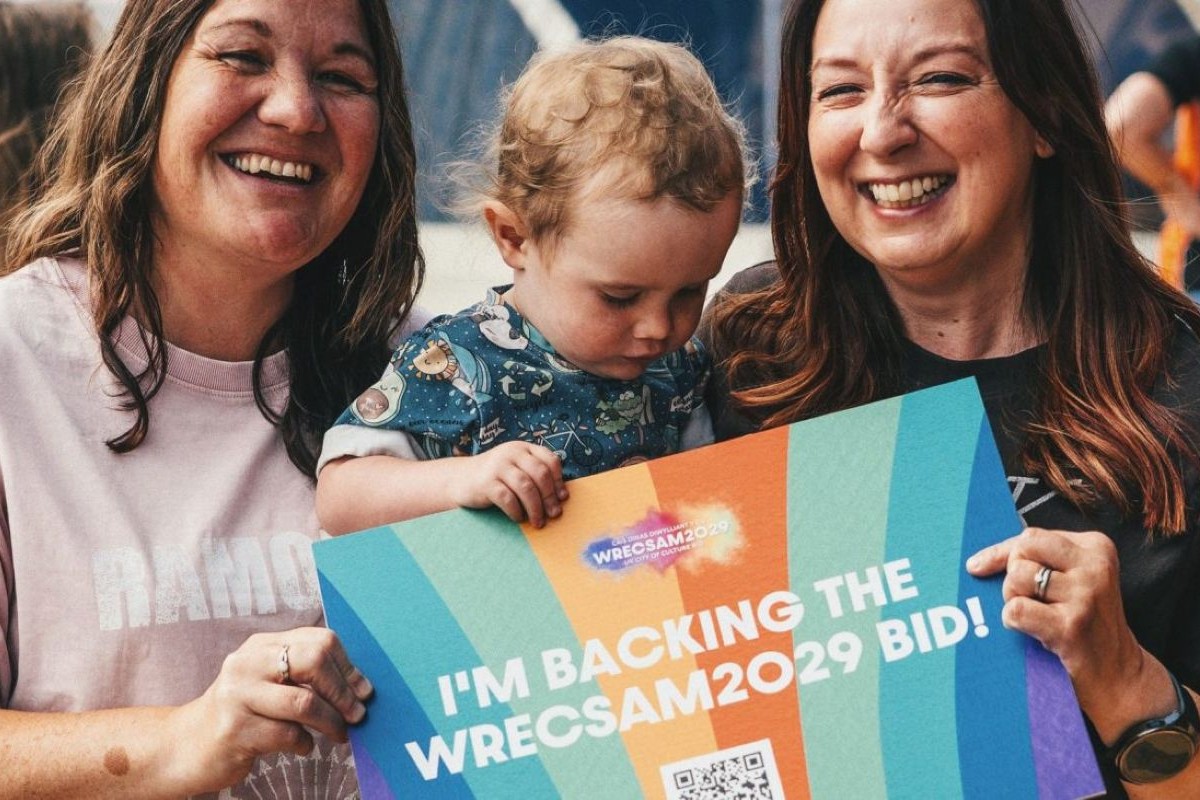
Wrecsam2029 is built around community, collaboration, creativity and a sense of hwyl (Welsh for ‘spark of joy’), and proposes large-scale festivals, a wider set of local showcase activities and year-round public installations.
The community-led bid is built on a vision of making the city the “world’s most playful place”, using culture to strengthen communities, improve wellbeing and grow the economy.
Becoming City of Culture would boost its status as one of the fastest growing tourist destinations in Wales, with the year predicted to attract more than two million visitors.
