


Japan’s Plan to Reform Crypto Gaming Regulations
Japan is taking significant steps to update its cryptocurrency gaming laws, demonstrating its commitment to adapting to the evolving digital landscape.
The Financial Services Agency (FSA), Japan’s primary financial regulator, has announced plans to amend legislation governing cryptocurrency use in gaming. This move reflects Japan’s recognition of the growing role of digital assets in the entertainment sector and its desire to create a balanced regulatory environment.
The Changing Nature of Crypto Gaming in Japan
Japan has long been recognized as a global gaming powerhouse, with a rich history of innovation in the video game industry. Now, the country is looking to modernize its regulatory framework by amending its Payment Services Act. This change comes in response to the increasing integration of blockchain technology and cryptocurrencies into gaming ecosystems.
Cryptocurrency gaming is growing globally, allowing players to earn cryptocurrency through gameplay, buying and selling virtual items using digital currencies, or trading in-game assets that have real-world value. Unlike traditional gaming models where game developers retain ownership of all in-game items, blockchain-based games often allow players to have true ownership of their digital assets.
In the iGaming sector, online casinos like the platforms found on The Hub Smart are embracing cryptocurrencies for several reasons. First, they offer increased security features due to their decentralized nature, making them attractive for online transactions. Additionally, they come with lower fees compared to traditional casinos. Both Japan’s gaming industry and the global iGaming sector are recognizing the benefits of cryptocurrencies, leading to increased adoption and integration of these technologies.
Key Aspects of the Proposed Amendments
The FSA’s proposed amendments focus on several key areas that aim to create a more structured and secure environment for crypto gaming:
- Regulation of cryptocurrency gaming platforms: This includes establishing rules for platforms where players can trade in-game items for cryptocurrencies. The goal is to ensure fair practices and prevent manipulation of virtual economies.
- Implementation of anti-money laundering (AML) measures: The new regulations will likely require gaming companies to implement robust AML procedures and conduct proper user identity verification. This is crucial in preventing the use of gaming platforms for illicit financial activities.
- Enhanced data protection and security: With the increasing value of digital assets in games, the FSA is looking to introduce stricter requirements for handling user data and protecting digital assets from cyber threats.
- Potential licensing system: The amendments may introduce a licensing system for cryptocurrency gaming companies. This would require companies to meet specific financial and operational criteria to operate legally in Japan.
- Clarification of tax obligations: The new regulations aim to provide clearer guidelines on how game earnings should be reported and taxed, both for gaming companies and individual players.
Impact on the Japanese Gaming Industry
The regulatory changes in Japan are predicted to have extensive impacts on the gaming industry, specifically for companies that focus on blockchain games. Companies in the gaming sector that have already put money into blockchain technology might have to modify their business strategies to follow the new rules. This adjustment could result in higher expenses for regulatory reporting and better security measures, but it also presents the advantage of operating in a properly regulated environment that could draw in a larger number of mainstream users.
Smaller developers and startups could encounter difficulties in complying with the new regulatory obligations. This may result in industry consolidation or collaborations between smaller entities and larger, well-established corporations. The updated regulations might attract traditional gaming companies to explore blockchain and cryptocurrency integration, as they will have the assurance of operating within a well-defined legal structure.
What This Means for Players
For individuals who engage in crypto gaming in Japan, these changes could have several implications:
- Increased protection for digital assets and personal information, reducing the risk of theft or fraud.
- More transparent rules regarding the ownership and trading of in-game items, potentially increasing their real-world value.
- Possible changes to how in-game earnings are taxed, could affect the profitability of play-to-earn games.
- Some games or platforms might become unavailable if they fail to meet the new regulatory standards.
- A potential increase in the variety and quality of crypto games as the industry becomes more regulated and attracts larger, more established companies.
Japan’s Approach in a Global Context
Japan’s move to regulate crypto gaming sets it apart from many other countries. Some nations have taken a prohibitive stance, banning crypto gaming entirely due to concerns about gambling and financial risks. Others have adopted a laissez-faire approach, leaving the industry largely unregulated, which can lead to risks for consumers.
Japan is attempting to strike a balance by creating a regulatory framework that allows for innovation while also protecting consumers and maintaining financial stability. This approach could potentially serve as a model for other countries grappling with how to handle the intersection of gaming and cryptocurrencies.
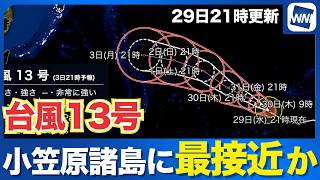
Typhoon No. 13 Forecast to Make Closest Approach to Japan Next Week
Typhoon No. 13 (Dolphin) is forecast to intensify into a violent storm before approaching the Ogasawara Islands early next week, while a possible westward shift in its track is raising concern over potential effects in western Japan and Kyushu.

Kumamoto Quake Survivors Face Heat, Water Shortages
Residents across earthquake-stricken Kumamoto Prefecture are enduring extreme heat without water, electricity or air conditioning as rescue teams continue searching collapsed buildings following the powerful earthquake that registered the maximum seismic intensity of 7.

Three Dead, Three Missing After Explosion Devastates Aeon Mall Kumamoto
Three women have been confirmed dead, one person is in cardiopulmonary arrest and three employees remain unaccounted for after a powerful explosion devastated Aeon Mall Kumamoto following the magnitude 7.1 earthquake that struck Kumamoto Prefecture on July 28.
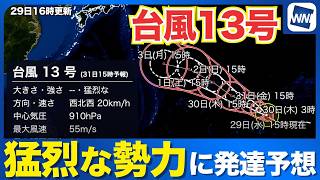
Typhoon No. 13 Forecast to Reach Violent Strength Before Approaching Ogasawara Islands
Typhoon No. 13 (Dolphin) continued to intensify over the Marshall Islands on July 29 and is forecast to become a violent typhoon by July 31 before approaching the Ogasawara Islands early next week, potentially bringing severe winds, high waves and other effects to Japanese territory.
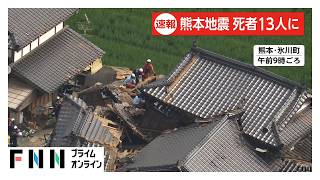
Kumamoto Earthquake Death Toll Rises to 13
Prime Minister Sanae Takaichi said on July 29 that 13 people had died following the powerful earthquake that registered the maximum seismic intensity of 7 in Kumamoto Prefecture, including cases still being investigated for a possible connection to the disaster.

Sharp to Launch Generative AI-Enabled Hot Cook Appliance
Sharp will launch a new Healsio Hot Cook automatic cooking pot on September 17 that uses generative artificial intelligence to suggest menus and explain food preparation steps through a smartphone app.
How to make the most of an online casino bonus
Online casino bonuses can be unexpected, satisfying, and worth savoring. But be careful–they can disappear fast if you’re not paying attention.
MGM Osaka Casino Resort Officially Breaks Ground
Japan’s tourism and entertainment sector hit a new milestone following the groundbreaking ceremony to celebrate the official beginning of construction of the MGM Casino Resort.

Nvidia Leads 37-Company Alliance to Advance Open AI
U.S. semiconductor giant Nvidia said on July 27 that it has established a corporate alliance to prevent cyberattacks using open artificial intelligence technology whose underlying systems are publicly available.
PayPay Acquires 40% Stake in Binance Japan, Signaling Major Shift in Japan’s Digital Payment and Crypto Market
Japanese mobile payment industry leader PayPay has purchased a 40 percent stake in the Japanese division of the largest cryptocurrency exchange in the world, Binance.
Japan’s Plan to Reform Crypto Gaming Regulations
Japan is taking significant steps to update its cryptocurrency gaming laws, demonstrating its commitment to adapting to the evolving digital landscape.
Is Japan on the Verge of a Crypto Market Explosion Fueled by Regulatory Reform?
Japan feels ready for another big financial moment. The talk everywhere is about digital money and how fast it has moved from curiosity to common ground. Everyone seems to sense a change coming.
How Crypto Can Expand the Global Appeal of the Japanese Gaming Industry
Anyone who has wandered through the neon‑lit alleys of Akihabara knows that Japan treats gaming not just as a pastime but as an art; arcades ring with the clack of buttons, and console releases are events.
