

overview
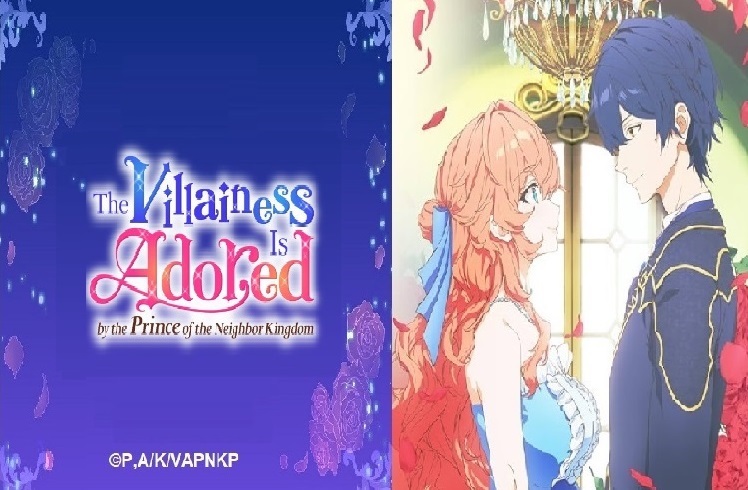
Based on a Japanese light novel series written by Puni-chan and illustrated by Akeno Naruse, this story tells the story of a modern-day Japanese woman who dies and is reborn in the otome game “The Lapis Lazuli Ring.” However, not as the heroine, but as Tiararose Lapis Clementille, the villainess designated in the game and the fiancée of Prince Heart Knight. On the eve of her scheduled destruction, she regains her memories of her past life and realizes that her engagement is doomed to failure, but things get worse when the Heart Knights publicly denounce her and abandon her in favor of the heroine Akari. As the crisis of exile approaches, the prince of a neighboring country intervenes…
our view
Similar to the ones I’ve covered before, this setting is basically an otherworld wrapped in the trappings of a dating sim/romance game. After dying in her previous life, she awakens inside the dating sim she once played as an ordinary girl, and is now trapped inside the body of Tiararose, the game’s designated “mean girl” villainess. A sudden betrayal awakens her memories and the realization that she stands on the brink of planned destruction, forcing her to live in a world where failure is already expected. Rather than panicking or leaning into cruelty, Tiararose faces her fate with remarkable calm and self-awareness, using her knowledge of the game’s routes to question just how fixed the story really is and to quietly try to escape the bad ending that awaits her.
What initially sets this series apart is its eagerness to reinvent familiar villain tropes, introducing new players and changing dynamics early on to create uncertainty even for genre veterans. Unfortunately, that ambition isn’t always supported by the writing, as the pacing feels rushed and stagnant at the same time, character motivations are sometimes poorly explained, and certain developments stretch on internal logic. While the shoujo-inspired visuals and music give the show a pleasantly nostalgic appeal, the experience fits in concept but is uneven in execution, as the story too often leans into shorthand for the genre rather than achieving full dramatic development.
Overall, as a series premiere, this offers a familiar and approachable take on the otome isekai villainess formula, one that’s polished, easy to understand, and firmly rooted in genre expectations. Its strengths lie in its shoujo-inspired visuals, romantic framing, and instantly recognizable archetypes, but repetition and uneven narrative logic prevent it from feeling truly distinctive. For fans already hooked on villainess tales and otherworldly romances, this debut offering offers enough charm and guaranteed continued interest, even if it can’t quite escape the genre’s growing familiarity.

