

<img src="https://comicvibe.com/wp-content/uploads/2026/07/DB_GDA_728X90_B_2-35.gif” alt=””>
With more people reading manga and webtoons (aka vertical scroll comics) than ever before, Beat’s Bizarre Adventure gives three writers an opportunity each week to recommend some of their favorite books and series from Japan, Korea, and elsewhere. This week we have a 1995 Chinese cooking manga classic, competitive table tennis, and, of course, dummies
Iron Wok Jan
Writer/Artist: Shinji Sajyo
Translation: Sahe Kawahara
Editors: Shawn Sanders, Mark Fujita, Duncan Cameron, Angel Cheng
Production Artist: Ying-Hsiang Lin
US Cover Design: Yuki Chung
Publisher: ComicsOne
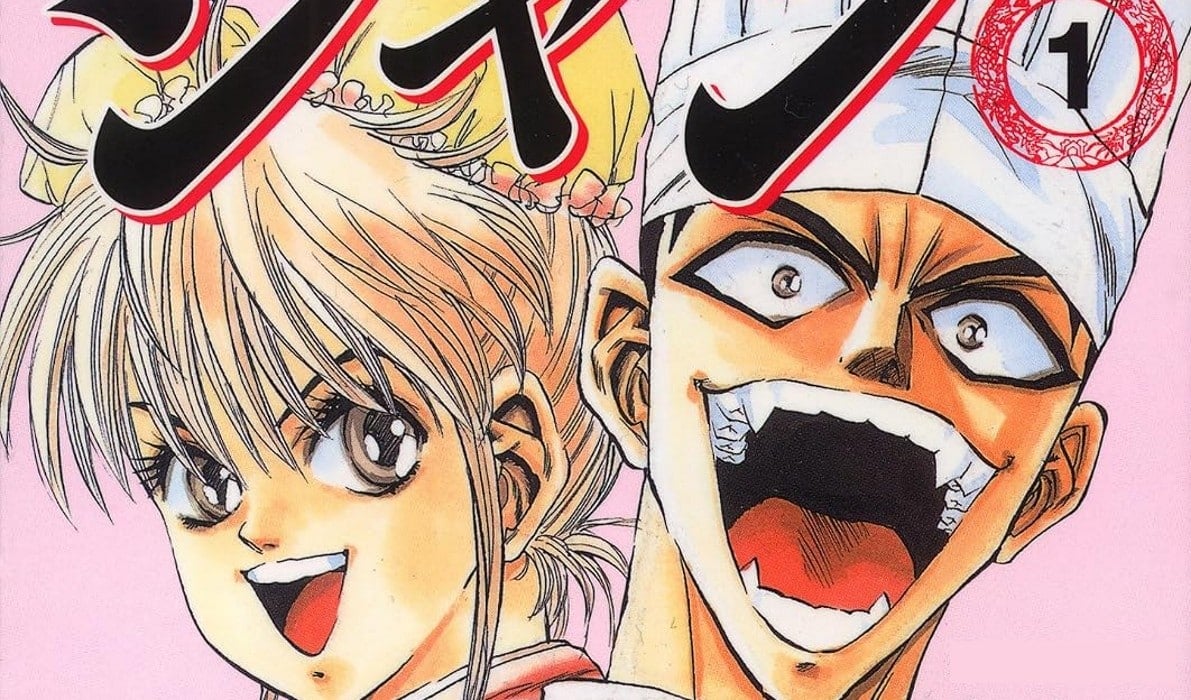
Ever since reading Jason Thompson’s write up in House of 1000 Manga, I’d always been curious about Iron Wok Jan. So when a new anime adaptation began this month, in which the narrator proclaims at the end of the first episode that the show’sew it was time to finally check it out. Would this vintage cooking classic from 1995 still have the juice?
Iron Wok Jan follows the shonen manga playbook. Jan is the teenage grandson of Kaiichiro Akiyama, the man once known as “the master of Chinese cuisine.” When Kaiichiro kills himself the day he loses his sense of taste, Jan travels to Gobancho, “the #1 Chinese restaurant in Japan.” There he meets Kiriko, a talented chef as well as the inheritor to the Gobancho family legacy. Kiriko believes that the best cooking comes from the heart. Jan, though, is a maniac who revels in antagonizing his customers and colleagues. “Gobancho can’t make anything worth eating!” he cries at the end of the first chapter. “I, Jan Akiyama, and the one and only king of Chinese cuisine!!”
Sooner or later, Jan and Kiriko are swept up into a cooking competition to determine who among them is the best in Japan. From this point forward the series plays out like a wrestling comic from the perspective of the heel, but with food. Jan will do whatever it takes to win: cooking with bizarre ingredients, practicing absurd and dangerous techniques, or even something as simple as delaying his opponent so that their food is served cold to the judges. Meanwhile, the even more villainous food critic Nichido Otani seeks to ruin Jan from the shadows, even though his super-sensitive tongue recognizes Jan’s cooking mastery.
Artist Shinji Sajyo leans all the way into the variety and bombast of Chinese cuisine. Depending on the time, place and region, a chef might cook anything from lotus roots to intestines and make you like it. Jan in particular relishes subjecting his customers to extreme foods, like custard soups made of sheep brains. The showstopper of the first arc is an original dessert dish made from pigeon blood, which starts with Jan gleefully slaughtering several baby pigeons in front of an enraptured audience. If violence against animals makes you queasy, this is not the book for you!
Iron Wok Jan isn’t a particularly complex series. Like its hero, it’s loud and manipulative, with art and scriptwriting that is mostly “functional.” The best part of the series is its central theme, that cooking is magic. Jan can make almost anything delicious, and the suspense in each chapter comes from just how he’ll do it and using what ingredients. This synergizes nicely with the spectacle of Chinese cuisine, letting Sajyo up the stakes with every chapter. In case you thought a cooking tournament wasn’t suspenseful enough, in the next set of chapters a new rival appears who breaks Jan’s fingers. I’ve heard the series only becomes more bonkers from there.
If you love Chinese food like I do, and can put up with “classical” shonen magazine cliches like long-winded cooking explanations, you’ll probably enjoy Iron Wok Jan
Shunrai Table Tennis
Writer/Artist: Masahiko Hirakata
Platform: MANGA Plus
As Timothée Chalamet showed us last year in Marty Supreme, table tennis is a brutally competitive sport requiring strategy and stamina. Losing can be a truly humbling experience
That is the case for Mirai Todoroki, the protagonist of Masahiko Hirakata’s Shunrai Table Tennis. Once dubbed the “Thunder Princess”, Mirai resigns herself after a defeat to coaching her high school table tennis club. But with the arrival of the mysterious Ouka Haursaki, Mirai soon finds herself competing once again
Part of the joy in reading Shunrai Table Tennis lies with watching Mirai’s slow crawl back to the top. Seeing an exceptional hero become more exceptional is one thing. It’s another when they rediscover their incredible potential and find new ways to channel that
Hirakata creates a truly wacky table tennis world. Mirai isn’t the only “princess” in this high school league of table tennis clubs. There’s five others with their own playing styles. Like any good shonen manga, they all have wacky abilities, from a snake-like competitor to another styled after a J-Pop idol. Hirakata excels at fun character designs with unique silhouettes
All of their techniques are rooted in real table tennis moves and tactics, which gives this series a unique feel. As wild as the matches get (at one point Mirai challenges a competitor by looking at her phone), the book’s realism makes the matches even more thrilling. Hirakata’s dynamic staging ensures you feel the impact of every table tennis ball and the movements of every player. Shunrai Table Tennis might be a new entry to the sports manga genre, but it certainly hits hard with these early chapters. — D. Morris
The Dummy’s Dummy
Writer/Artist: Mochamura
Platform: WEBTOON
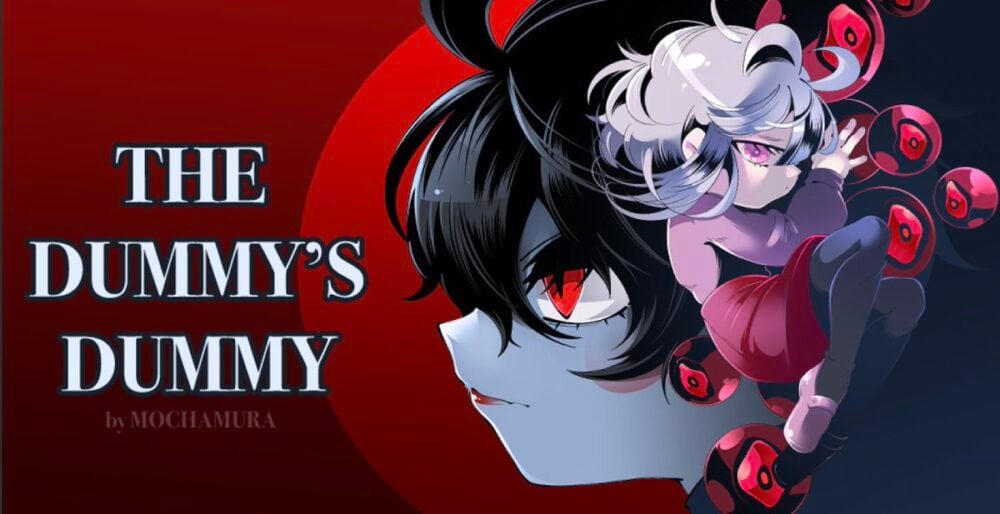
Yumi Wright has it rough. Her grandfather’s dead, her adopted parents are struggling to communicate with her, and her dreams are haunted by a grotesque fanged teddy bear. When the bear turns out to be real, it pursues her to the basement, where she finds Paris: a sadistic living dummy made long ago by a master toymaker to pursue and slay his cursed creations. Now this odd couple must work together to save Yumi’s new family and friends from the things that bump in the night. But can Paris, a self-proclaimed “monster” made to hunt monsters, really be trusted?
The Dummy’s Dummy combines the monster-versus-monster-of-the-week structure of manga classics like Zatch Bell, with a spooky Gothic aesthetic that would fit right in at a 2000s-era Hot Topic. Which is to say, this series has good bones. It also has memorable characters, strong theming, and monster designs that are just scary enough to frighten kids without going overboard. Paris is there, too; a little wooden man who is elegant, cruel, and (when disheveled) looks just pathetic enough to inspire perpetual thirst from older readers in WEBTOON’s comments section.
The Dummy’s Dummy ran for five years as an independent comic before being rebooted as a WEBTOON Original in 2022. You can see the artist make the jump in real time from bluntly stylized drawings rendered page-by-page, to almost liquid hair and cloth reframed via vertical strip format. While the latter looks more like a polished WEBTOON product, you can tell even from the first few CANVAS strips that artist Mochamura had a vision. It’s worth studying as a comics fan if you’re curious to see the process by which a webcomic is reinvented as a commercial work.
When I first tried reading The Dummy’s Dummy a few years ago, I thought the art looked great, but was turned off by Paris’s sadism. After returning to the series after its ending last year in 2025, that aspect for me is overshadowed by how much else Mochamura does right. I’d happily slot The Dummy’s Dummy alongside Hooky and Four Leaf as works that showcase WEBTOON’s potential as a delivery mechanism
Follow Beat’s Bizarre Adventure to get weekly manga and webtoon recommendations!
