

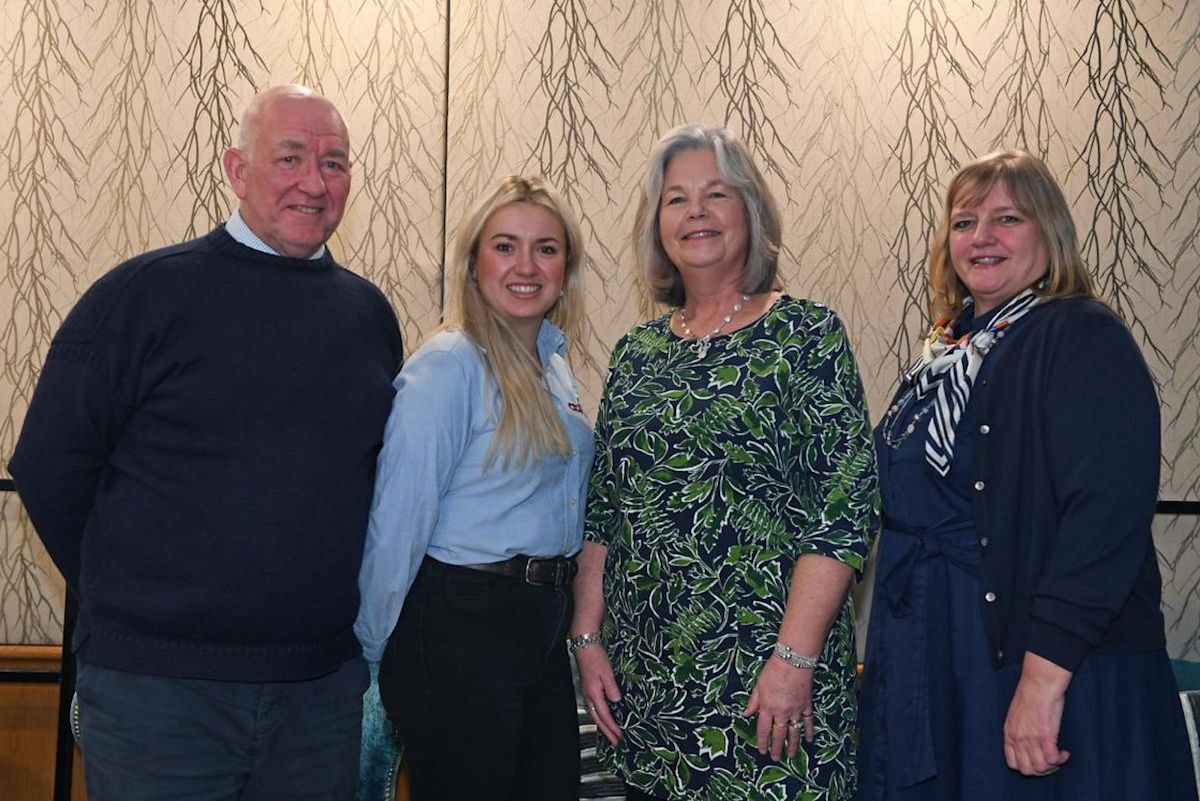
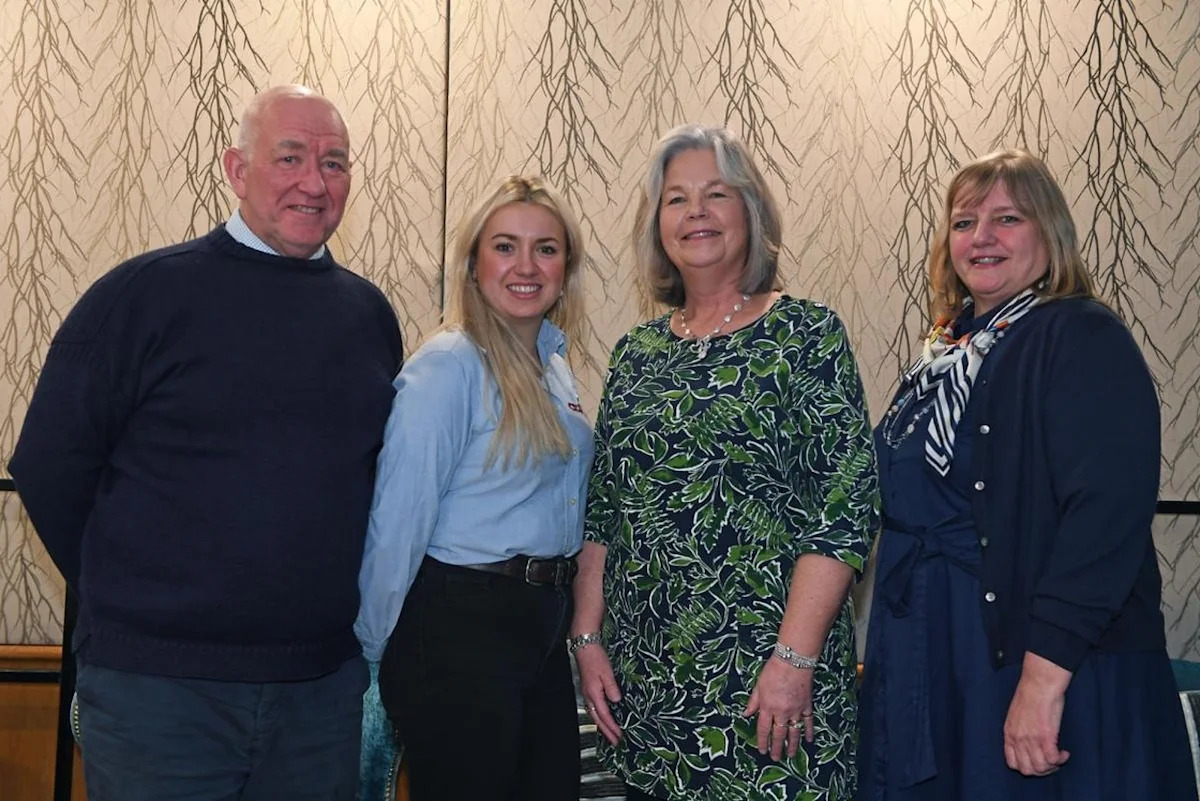
Farmers are being urged to take practical steps to improve safety on farms after industry figures highlighted the continuing human cost of accidents in agriculture.
The message was delivered at the Future Farmers of Yorkshire’s Autumn Debate, held on November 23 at the Great Yorkshire Showground in Harrogate.
The event focused on actionable ways to make farming safer and more productive.
Sally Conner, who chaired the debate and is a business development executive at McClarrons, said: “An accident on the farm can have a life-changing impact.
“Please be proactive, not reactive, in every aspect of your business.
“It’s not just the farming business that needs you, it’s your family, it’s the whole local community: look after yourselves.”
Harrowing statistics underlined the urgency of the message.
According to the Health and Safety Executive’s 2025/2026 report on fatal injuries in agriculture, forestry, and fishing, farming is responsible for 19 per cent of all workplace deaths in GB.
In the past year alone, 22 farm workers and seven members of the public—including three children—lost their lives on GB farms.
The debate, titled ‘Heads Up: Practical Steps for a Safe and Productive Farm,’ was chaired by Ms Conner and sponsored by McClarrons.
It was held in collaboration with the Yorkshire Rural Support Network.
Among the speakers was Jane Gurney MBE, who founded the Tilly Trailer Pass scheme to improve trailer safety after her son, Harry Christian-Allan, died in a trailer accident in 2014.
Ms Gurney said: “Remember to do your daily checks before you go out, like a HGV driver.
“Daily checks are incredibly important.”
The Tilly Trailer Pass scheme promotes regular inspection, servicing, and certification of agricultural trailers to ensure they meet legal safety standards.
It has grown into a UK-wide initiative, with thousands of trailers now inspected annually through authorised dealerships.
Ms Gurney also addressed concerns about young people operating farm machinery.
She said: “If you’re going to have a young person on a machine, there should be someone there who can responsibly ‘hold their hand’ in case there’s a problem.”
Rhiannon Wilson, health and safety office manager at CXCS Group, echoed the call for vigilance.
She said: “A problem we have sometimes in farming is that we say ‘I’ve done this a thousand times before’.
“I think this is one of the most dangerous things a farmer can say.
“Just because we have done something that many times before in a certain way and we have been lucky enough to get away with it, doesn’t mean the next time you are not going to have an accident.
“Experience is incredible but it doesn’t make you invincible.”
Ms Wilson also warned against treating farms as family-friendly environments without considering the risks.
She said: “You would never take your children to a construction site but we do on a farm because ‘we’re a family farm and that’s just what we do’.”
She emphasised the importance of basic safety steps such as maintaining machinery and ensuring a clear escape route when working with livestock.
North Yorkshire farmer Sam Hoste also spoke at the event.
He has developed Agrillo, an app funded by an Innovate UK ADOPT grant, which helps manage plant protection products on farms.
The app aims to reduce paperwork, improve compliance, and give farmers more time to focus on safety.
Other practical advice included making sure someone knows where you are working and how long you expect to be there, so they can raise the alarm if you don’t return.
Panellists also stressed that improving health and safety does not need to be expensive—small, consistent changes can make a significant difference.
The debate began with a free supper and networking session before turning to the main discussion.
