

The X-Men are basically the once and future king of Marvel. The team is finally about to make its full MCU debut after years of teases, first appearing as a team in Avengers: Doomsday (and perhaps Avengers: Secret Wars, but most fans assume the FoX-Men are about to die in the earlier movie) before an all-new cast of mutants takes their place on the big screen in 2028. Marvel now has the power of Disney behind them; the X-Men are going to be everywhere in the years to come. The MCU has fallen from grace, but I think we all know just how massive the men and women of X are going to be in the years to come.
Videos by ComicBook.com
This isn’t the first time that the X-Men are positioned to become the most popular team in comics. The team was the biggest superhero team of the ’80s and ’90s, with the rise of the Avengers in the ’00s finally seeing the X-Men take a back seat to another team. Books like Uncanny X-Men, X-Men, and Wolverine sold in the six figure range for years, with Uncanny and X-Men holding the top spots of the sales charts for nearly every month of the ’80s and ’90s. Their rise in the mid ’70s came during a Marvel boom period, where the House of Ideas was proving that that successes of the Silver Age weren’t a fluke. Those issues of X-Men went in a new direction with their new team, with the X-Men becoming the greatest superhero soap opera of all time. However, they weren’t the first superhero soap opera; that was the Legion of Superheroes. The X-Men stole the Legion approach and that’s the only reason they’ve reached the level of popularity they have.
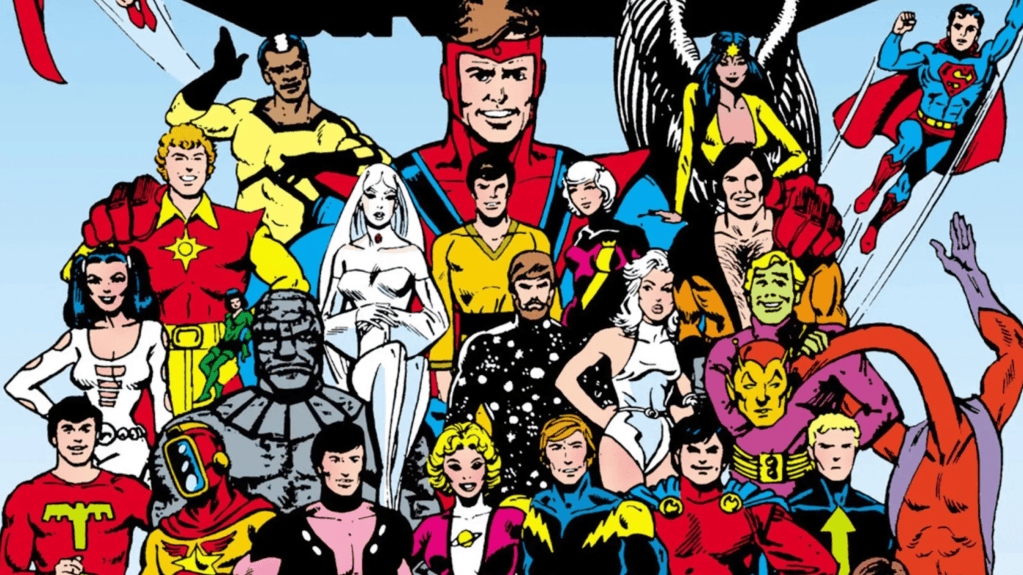
So, to begin with, we need to define what I mean when I say “superhero soap opera”. Basically, this approach to superheroes is all about how much the stories revolve around the personal lives of the characters. All superhero books get into that sort of thing, but the true superhero soap opera books are all about it. You have a bunch of beautiful, damaged people together; the shenanigans of their life are going to be entertaining.
The Legion of Superheroes were one of the first practitioners of this art. The Legion has a massive membership, the team consisting of alien teens from across the 31st century. Half of the fun of the Legion is the web of relationships and the way they all react to each other. There are cliques within the team and the various members all have their own supporting characters and enemies. While Legion comics gave readers pulse-pounding superhero action, it also gave readers the kind of soap opera stories that hooked them.
The Legion are integral to the history of DC, but in recent years have fallen from grace, their stories much too complicated. One of the things about jumping into the various Legion reboots is that all of them play off of one another. Knowing the relationships and the team members’ histories makes it easier to get into them. They are the most daunting team to get into in comics. Sure, the superhero soap opera basics are always fun, but without knowing the history, it doesn’t always hit the same.
The Silver Age X-Men were a lot like the Legion; they were both teen teams, for example. However, the difference is the X-Men’s civil rights connections, something that was played up in the early months of their adventures, as they battled both evil mutants and human bigots. However, the team never really caught on. Fans just didn’t really care about them as characters, which was rare for Marvel in the Silver Age. By contrast, the Legion focused on its characters and their lives and fans loved it. The X-Men had cool villains, great costumes, and entertaining powers, but they didn’t have good characters, which led to them almost going the way of the dodo.
Giant-Size X-Men #1 is where the major Legion similarities began. It was drawn by Dave Cockrum, who had pitched Legion characters to DC. He modified those designs for the X-Men and would base the Imperial Guard on the Legion. However, it was more than just the looks and powers that the X-Men would take from the Legion. Chris Claremont came aboard the X-Men and he knew what had to be done: focus on the characters.
There are lots of things you can point at as the reason for the X-Men’s success, but one of the most important is how great the characters were. The X-Men felt like fully-realized characters compared to other Marvel books of the day. Go back and read those old X-Men comics and you’ll be instantly drawn into the lives of the characters. Uncanny X-Men had amazing superhero stories, sure. Classics like the M’Kraan Crystal saga, “The Dark Phoenix Saga”, “Days of Future Past”, the Brood Saga, “Lifedeath”, “The Trial of Magneto”, and many more are all era-defining stories. However, what makes them so great is the quiet moments, the way they built their characters, how the events affected them.
Much like the Legion, a truly massive group of X-Men became the focus of the book during its most popular years. There was a web of relationships between all of the characters and little cliques within the greater group. If you don’t know their histories, you can still enjoy them, but gain a greater appreciation once you know the past. One of the games that comic fans like to play is comparing who is who in the various universes. So, for example, saying the Avengers are the Marvel Justice League. The X-Men are Marvel’s Legion, their success built in the same way.
The X-Men Did the Legion Better Than the Legion Did
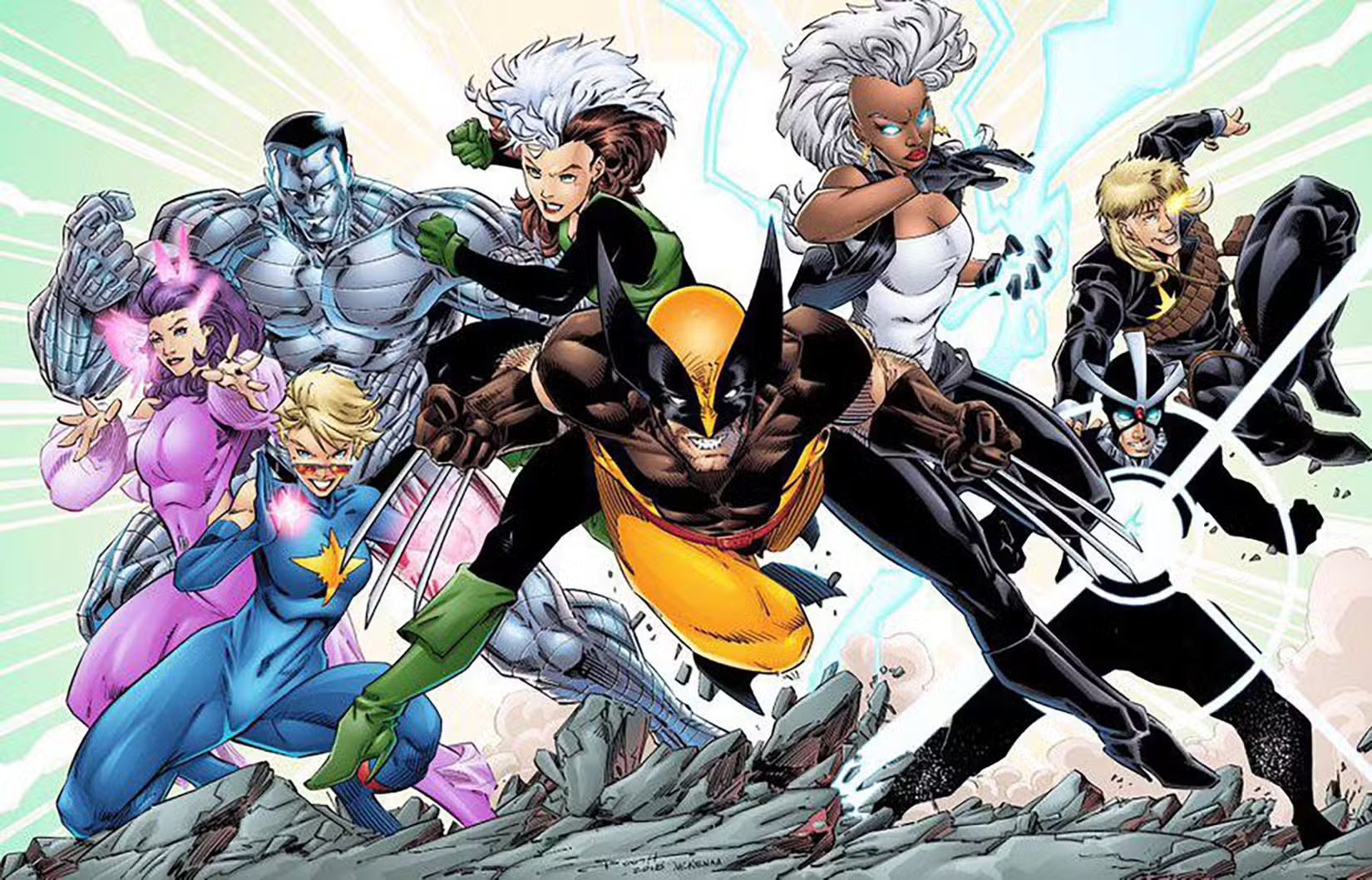
The Legion cultivated a devoted fandom over the years thanks to the character. Fans learned to love them and wanted to spend more time in their lives. Others found them complex, but their fans gloried in taking ten minutes to describe the history of Starboy to a confused friend asking them for help. Their books were superhero soap operas and their approach was the one that Chris Claremont used to make the team popular again.
The X-Men became popular in the ’70s and ’80s not just because they were in cool fights with their enemies but because of who the team were. None of their stories would work so well if Claremont and company hadn’t built up the characters and their lives, though. It’s the exact same thing that years of Legion creators had done over the years, building the characters, making us love to spend time in their lives. The Legion made the superhero soap opera popular, but the X-Men perfected it.
Do you think that X-Men are Marvel’s Legion of Superheroes? Do you think they copied the Legion approach or am I completely wrong? Sound off in the comment section below.
5 Ways That the Krakoa Age Turned the X-Men Into Villains and Destroyed Their Legacy
More Comics
-
Image Courtesy of DC Comics Comics
1 day agoBatman: Year One Changed the Dark Knight Forever, but 40 Years Later, It’s Time for Something New
-
Image Courtesy of DC Comics Collectibles
1 day agoBatman #1 Is One of the Most Iconic Comic Books Ever Published, But Its Cover Left Out Two Legendary Debuts
-
Image Courtesy of Marvel Comics Comics
1 day agoI Think Mephisto Is Going to Be the Next MCU Big Bad and the Comics Are Proving It
-
Image Courtesy of Marvel Comics Comics
2 days agoDoctor Strange Just Made a Surprisingly Convincing Case for Why House of M Was Better Than Days of Future Past
