

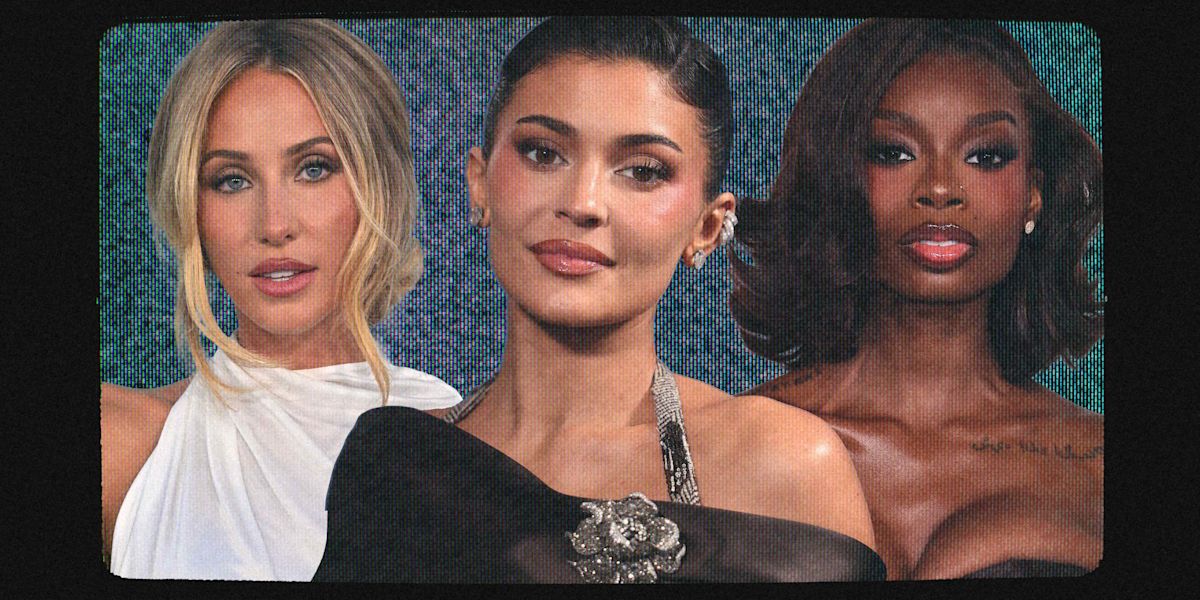
For decades, reality TV has given many the opportunity to parlay those five minutes of fame into full-on businesses. We’ve seen it emerge from franchises like Bravo’s The RealHousewives and Summer House, Hulu’s Secret Lives of Mormon Wives, and ABC’s TheBachelorette/The Bachelor. Over the years, reality TV has evolved to meet today’s demands, becoming a dynamic influencer-making machine. However, not everyone who appears on a popular show leaves with the same leverage or opportunities once the cameras stop rolling.
Olandria Carthen’s rise to fame is the perfect case study for this. She gained a following by appearing on Season Seven of Love Island USA. Although she finished the show as a runner-up alongside Love Island contestant Nic Vansteenberghe, her popularity only grew after the show. The two were dubbed “Nicolandria,” and from then on, opportunities began to roll in.
Olandria appeared in fashion and beauty campaigns and even partnered with Microsoft Copilot to highlight HBCUs, a partnership she says she pitched on her own. She went on to receive the Ebony Power 100 People’s Choice Award and appeared on the cover of the magazine’s 2025 Power Issue. Since Love Island, Olandria hit the runway for designer Sergio Hudson and appeared on several magazine covers. With each opportunity, her fandom grew, and more opportunities came calling.
But what’s the secret behind someone like Olandria, who turned her reality TV moment into a growing business and became a coveted brand partner? What separates her from the countless others who appear on reality shows and leave with very little to show for it?
The Makings of an Influencer
While reality TV shows have no problem producing viral moments (even before that term was a thing), that doesn’t always translate into long-term influence. And some shows are better at producing consistently commercially
“Bravo is especially strong at creating commercially successful talent because the audience stays invested for years,” says Tara Ciccone, partner at Brandsway Creative, a branding, marketing, and PR firm. “Shows like The Real Housewives, Vanderpump Rules, and Southern Charm give viewers the chance to really get to know someone over multiple seasons. That creates a deeper connection than a show that generates one big moment and then disappears.”
She also points to the power of dating shows like Love Island and The Bachelor since those contestants can gain a huge following quickly. But when it comes to each individual, some contestants are inherently more attractive to brands.
Ciccone says that brands want someone who is professional and has a clear identity, a trusted audience, and a strong point of view. She says having a lot of followers helps, but it’s not always enough on its own. “Through my work with Meredith Marks and Ubah Hassan, I have seen how important it is for talent to have an identity outside of the show,” she says. “A brand needs to understand why its product makes sense in that person’s world.”
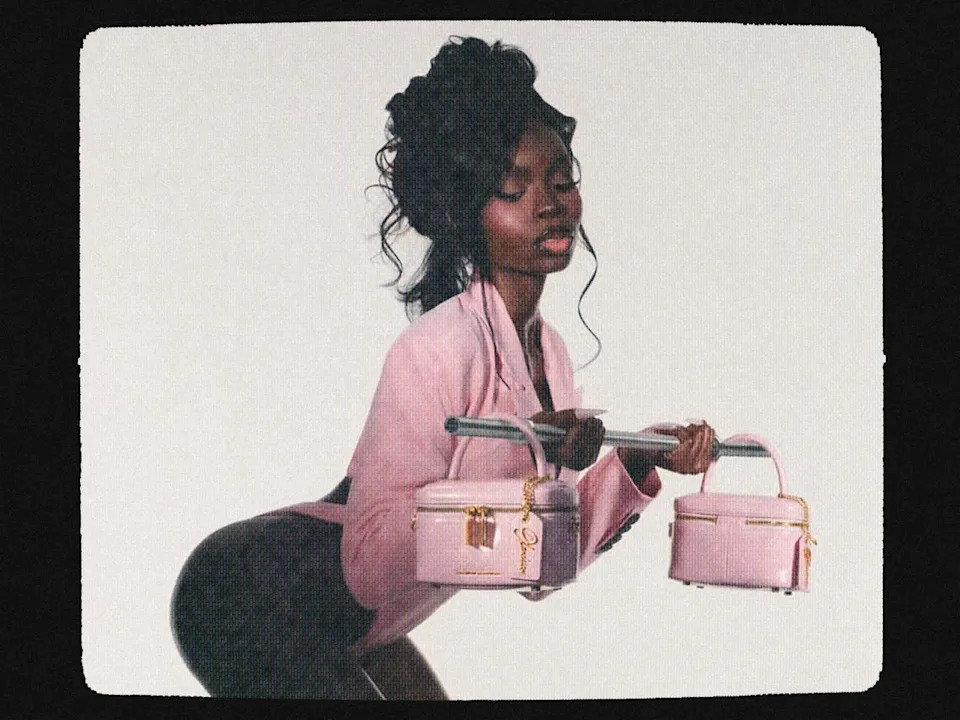
Ciccone says the biggest brand deals will ultimately go to someone who has shown those qualities because being talked about doesn’t mean someone can sell a product.
“The talent who does best understands how to turn that attention into something bigger,” she says. “They build a platform around fashion, beauty, lifestyle, business, humor, or another area that feels natural to them. They are not just known for being on a show.”
In Olandria’s case, she became known for her fashion and beauty prowess on the show, with Vogueeven calling her “arguably the best-dressed islander” in one of its articles. Her hair and makeup style even got her the nickname “Bama Barbie,” to represent her Southern roots and beauty ethos. After exiting the show, she joined Digital Brand Architects (DBA), an influencer management firm owned by United Talent Agency (UTA), before signing on to be fully represented by UTA in February 2026. She was able to leverage her visibility to secure a series of smart fashion and beauty deals and even became the face of the Barbie campaign, “You Can Be Any Barbie,” at Coachella, among many others.
What’s Inside the Contracts
An influencer is only as good as their contract. While filming reality TV shows, the contestants are in a contractual agreement with the network they’re appearing on. The specifics of each contract can impact how they can grow their influence post show.
“Reality television can increasingly serve as a gateway into the creator economy,” says Desirée L. Talley, an entertainment attorney, podcaster, and creative executive. “A contestant may leave a show with significantly more visibility and new commercial opportunities, making the agreement they signed before filming especially important.”
She explains that “understanding provisions around exclusivity, endorsements, social media, publicity, and intellectual property can help contestants navigate those opportunities and potentially turn a moment of visibility into a sustainable personal brand or business.”
She points out that some reality television agreements can include restrictions that can impact a contestant’s ability to pursue commercial partnerships during production and even for a period after the show.
However, she notes that contract exclusivity doesn’t necessarily mean a contestant can’t enter into commercial partnerships. She explains that it all depends on the type of opportunity, brand, and involvement and whether any of that competes with the network sponsor. At the end of the day, each contestant’s individual contract would determine what restrictions apply and for how long.
“Those restrictions can take different forms,” says Talley. “For example, an agreement may limit partnerships with brands that compete with a network or program sponsor. A contestant may also be required to obtain approval before accepting certain endorsements, sponsored content, media appearances, or other commercial opportunities.”
For networks, these contracts are often in place to protect things like commercial relationships during the show. Talley mentions that if a brand has paid for an exclusive sponsorship, the network might want to limit talent from promoting a competing brand at the same time.
“The scope of those restrictions can vary considerably depending on the program, the network or streaming platform, the applicable sponsorship arrangements, and, most importantly, the language of the contestant’s individual agreement,” she says.
Then Comes the Brand Deals
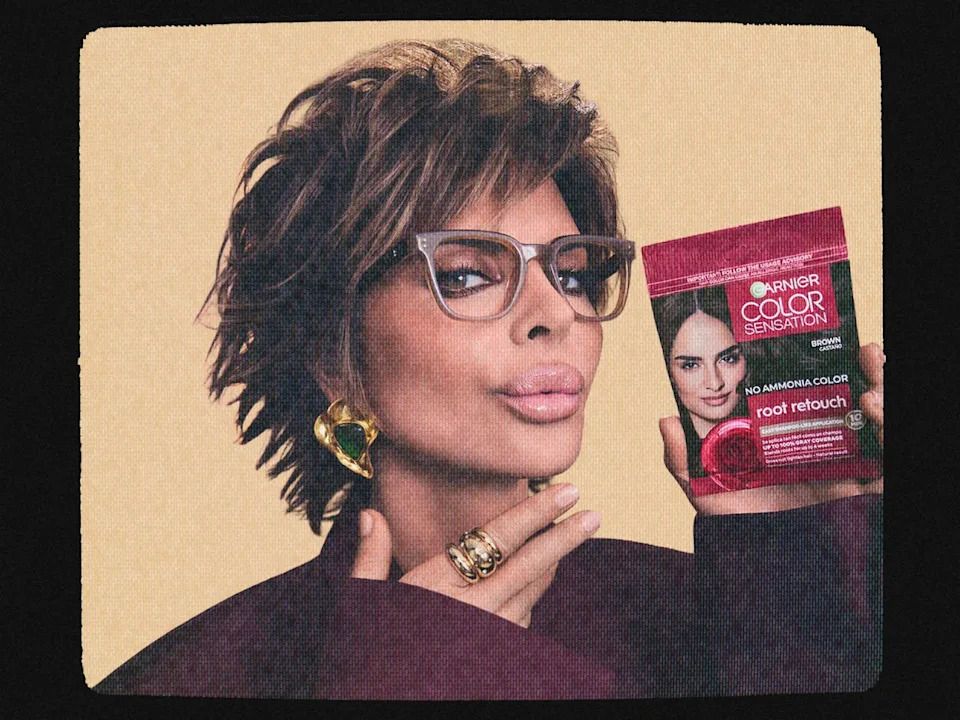
Like Ciccone mentioned before, having followers is helpful, but it isn’t always enough to secure lucrative or long-lasting partnerships. Brands have to be able to determine the value of a reality star’s audience beyond just the number on their social media profiles. Brands look at a variety of factors including engagement, audience demographics, comments, views, and previous campaign metrics (if the reality TV star has had deals before). Ciccone says that they also look closely at the quality of the engagement.
“The comments can tell you a lot,” she says. “Are people asking where something is from? Are they interested in the products the person uses? Do they trust that person’s taste? Are they actually taking action?” She says that audience fit is just as important as its size and that someone with a smaller, more genuine community can actually be more valuable than someone with “millions of passive followers.”
These factors can often separate a one-off sponsored post from a genuinely profitable, long-term influencer business.
“A one-off post takes advantage of attention in the moment,” says Ciccone. “A real influencer business is built on trust, consistency, and a clear point of view. The people who build lasting businesses have repeat brand partners, understand their audience and analytics, and create content that feels recognizable to them.”
For example, Maybelline has been working with reality TV star Ariana Madix, who gained fame on Vanderpump Rules before becoming the host of Love Island USA.
“At Maybelline New York, we’re always looking for partners who authentically connect with culture and inspire confidence in their communities,” says Yasmin Dastmalchi, president of Maybelline and Essie USA. “Ariana Madix has built a strong relationship with her audience by being unapologetically herself, embracing new opportunities, and sharing her journey with honesty and optimism.”
Dastmalchi says that Ariana’s authenticity and spirit closely align with Maybelline, so the partnerships felt natural and their progression is an extension of that.
Dastmalchi explains, “Collaborating with Ariana on social content highlighting our new Peel Off Lip Liner and then partnering with her makeup artist, Afton Williams, on her Love Island USAreunion [Season 8, episode 36] glam felt like a natural extension of our three-year partnership with Love Island USA.Beyond social and glam, we’ve continued to grow our connection to the franchise through successful moments like our ‘Brinity’s Beauty School’ social series that recently launched on our channels, as well as the Lifter Gel’s in-show integration, fan-centric consumer popups in NYC and L.A., and more.”
We can also see this with Olandria’s partnership with MAC Cosmetics on the heels of the blush controversy, where makeup artist and brand founder Patrick Ta was accused of copying a technique repopularized by Nigerian–British makeup artist Ngozi Esther Edeme, known asPainted by Esther on Instagram. Olandria and Esther teamed up for the launch of MAC Cosmetics’ MACzine “Blush Issue.” This celebrated the technique that Ester put her spin on and also showcased the look on deeper skin tones like Olandria’s. It became a viral moment on its own.
Most recently, she appeared in the “We All Wear MAC” campaign to celebrate effortless, authentic skin through the launch of the Studio Radiance Skin Tint Stick.
“That moment with Esther was so powerful because we celebrated deeper skin tones with vivid color, incredible artistry, and absolutely no apologies,” says Carthen. “That confidence and inclusivity are what MAC has always represented to me. For this campaign, Studio Radiance Skin Tint Stick in shade Rich 1 created a radiant base with no gray cast, and we even used different shades to highlight and contour. It lets my skin remain the focus while giving the artistry room to shine.”
How Does Fandom Boost Business?
An engaged fan base can serve as real leverage when it comes to building a successful business, and the key word here is “engaged.” A passive fan base isn’t really going to show a return on investment when it comes to selling or marketing a brand or product.
“Fandom becomes valuable when people take action,” says Ciccone. “That might mean buying a product, using a discount code, attending an event, sharing a post, or following someone from one platform to another.” She says that fan accounts, which are popular on TikTok and Instagram, are also a big part of the equation. Ciccone explains that fan accounts keep clips, interviews, and brand moments circulating, which “creates additional exposure that a brand may not even be paying for directly.” For her, this marks the difference between attention and real affinity.
“Someone can be watched because they are part of the drama, but that does not always mean viewers trust them,” says Ciccone. “The strongest commercial value comes when the audience feels genuinely connected to the person and believes their recommendations.”
Read the original article on Byrdie
