

Online gaming once depended heavily on downloadable software, dedicated consoles, and powerful computers. Today, many games can run directly inside a web browser, allowing players to enjoy interactive entertainment without installing separate applications.
Two technologies have helped make this possible: HTML5 and WebGL. Together with JavaScript and modern browser capabilities, they support everything from simple puzzle games to visually detailed 3D experiences.
Their development has also created new opportunities for game creators and players worldwide.
From Browser Plugins to Modern Web Games
Early browser gaming often relied on technologies such as Adobe Flash. Although Flash supported interactive entertainment, it required additional software and eventually faced compatibility and security challenges.
HTML5 introduced standardized browser features that developers could use to build interactive experiences without depending on traditional plugins.
The HTML5 Canvas element, for example, provides a drawing surface for animations, characters, and game environments. JavaScript manages player input, movement, scoring, and other gameplay systems.
This combination allows developers to create lightweight games that work across many modern browsers.
For players, the result is straightforward: open a game page, wait for it to load, and start playing.
HTML5 Makes Casual Gaming Easier
HTML5 is particularly useful for games that prioritize simple controls, responsive interfaces, and quick loading.
Consider 2048, a number puzzle where players combine matching tiles to reach higher values. Its straightforward visual layout and interaction model demonstrate the type of experience that browser technologies can support efficiently.
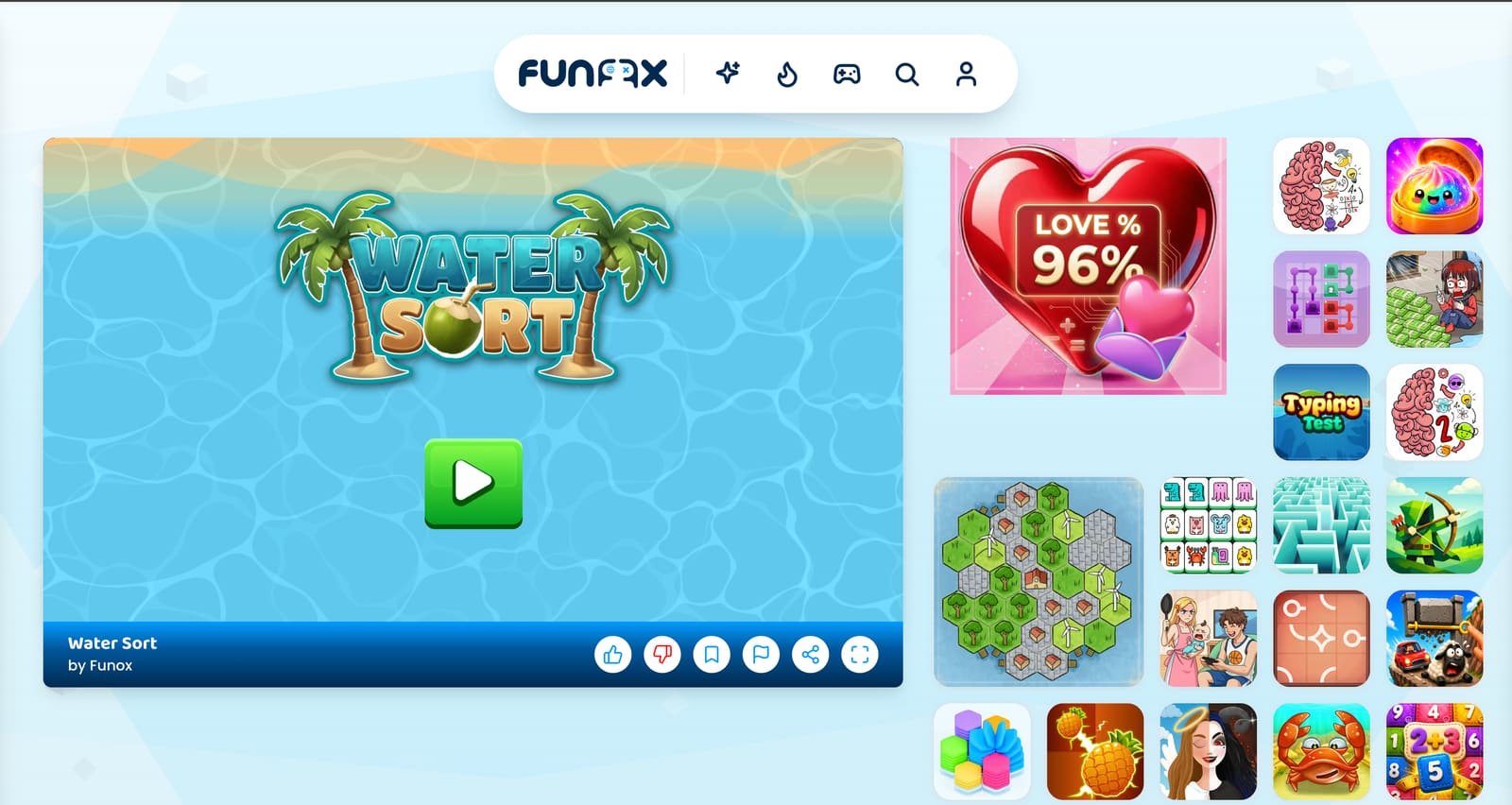
Water Sort offers another example. Players organize colored liquids into separate containers, using simple interactions rather than complicated control systems.
Games such as Level Devil and Stickman Hook introduce more movement-based challenges while remaining suitable for browser play.
These titles illustrate the variety of gameplay experiences available online, although their individual implementations may use different engines and rendering techniques.
WebGL Brings Advanced Graphics to Browsers
While HTML5 Canvas is useful for two-dimensional graphics, WebGL expands what developers can render inside a browser.
WebGL provides an interface for hardware-accelerated 2D and 3D graphics. By using compatible graphics hardware, browsers can display complex scenes, textures, lighting effects, and animations.
This makes it possible to develop more visually ambitious games without requiring a conventional desktop installation.
For example, Drive Mad uses physics-based driving challenges, while Subway Surfers presents colorful environments and continuous character movement.
These games demonstrate the types of interactive experiences players can access through modern gaming websites.
Importantly, a game’s appearance alone does not establish whether it uses WebGL. Developers may choose different rendering technologies depending on performance requirements.
Why Cross-Device Compatibility Matters
One of the strongest advantages of web-based gaming is the ability to reach players across different operating systems.
A well-designed browser game can support desktop computers, laptops, tablets, and smartphones without requiring separate native applications for every platform.
However, developers must account for differences in screen sizes, processing power, and input methods.
A game controlled through a keyboard on a computer may need touch-friendly buttons on a smartphone.
Responsive layouts, adaptable controls, and efficient re
This flexibility is particularly valuable for casual players who want to enjoy free online games using devices they already own.
Performance and Accessibility Still Require Attention
Browser-based gaming offers convenience, but it does not eliminate technical limitations.
Large textures, complicated animations, and excessive memory consumption can affect loading times and gameplay performance.
Developers can address these challenges through compressed assets, efficient rendering, and careful testing across devices.
Accessibility also deserves attention. Games should provide readable instructions, sufficient visual contrast, and controls that accommodate different player needs.
Where practical, keyboard support and alternatives to purely visual instructions can improve usability.
HTML5 and WebGL provide useful technical foundations, but accessible design still depends on decisions made during development.
Opportunities for Independent Game Developers
Modern web technologies have lowered some barriers to distributing games.
Independent developers can publish playable experiences online without requiring every player to download a large installation package.
Frameworks such as Phaser help simplify browser game development, while engines supporting WebGL exports offer additional options for more complex projects.
Developers can also experiment with different genres, including puzzles, arcade challenges, platformers, and simulations.
Browser distribution makes it easier for players to discover these experiences through links, search engines, and gaming communities.
However, successful distribution still requires attention to game quality, performance, discoverability, and sustainable development costs.
The Future of Browser Gaming
HTML5 and WebGL have helped transform browsers into capable gaming environments.
As browsers and devices improve, developers can explore more sophisticated graphics, responsive gameplay, and new interactive features.
For players, the greatest benefit remains convenience: discovering and enjoying games without unnecessary installation barriers.
From simple puzzles to demanding arcade challenges, modern browser technologies continue to expand what free online gaming can offer.

OpenAI Proposes Five-Stage Disclosure Plan After AI Found Critical PHP Flaws- Russia-Linked Hackers Hid Malware in Yggdrasil Network to Hit Ukrainian Grain Firm

Global PC Shipments Fall 21% in Q3 2026 as Memory Costs Climb
Researcher Releases First Software-Only Jailbreak for Nintendo Switch 2- Rhode Island Sues Meta Over Scam Ads on Facebook, Instagram and WhatsApp
Canva Craft Arrives as Canva’s First In-House Image Generation Model- iSpring Introduces the BRO900, a High-Capacity Seawater Desalination System for Boats, Yachts, and Marine Applications

Microsoft’s MAI-DxO Diagnoses 83% of Complex Cases in Science Study
New tool lets users repair AI-generated 3D models, then fabricate them just the way they want- All-electrical imaging offers innovative alternative for tracking cell movement
