

France’s protests have sparked debate among anime fans after demonstrators were spotted carrying the iconic One Piece Jolly Roger. Posts shared on X have drawn attention to the flag’s use, with some fans questioning whether its association with real-world political unrest misrepresents Eiichiro Oda’s manga.
🚨🇯🇵 JAPANESE FANS BURST ON X
Japanese fans on X are expressing their anger over the use of anime imagery in controversial acts, saying:
• “Don’t Turn The One Piece flag into a symbol of TERRORISM!” 🏴☠️
• “DON’T USE ANIME TO JUSTIFY YOUR CRIMINAL ACTS!”
• “Now Days, Celestial Dragons Are Using The One Piece Flag!”
• “Don’t Defame Our Country & Anime!”
• “They Are Not REAL ANIME FANS, They Dont Even Watch Anime. they are people using ANIME FOR SOCIAL MEDIA FAME!”
— Anime Spotlight (@AnimeSpotlightt) October 19, 2026
Others view the emblem as a symbol of freedom and resistance, reflecting themes central to the story. The controversy extends beyond France, as the Straw Hat Pirates’ flag has appeared at demonstrations in other countries, raising questions about why a fictional pirate crew has become a recognizable emblem of protest.
France Protests Spark Backlash Over One Piece Flag’s Use
The controversy centers on the Straw Hat Pirates’ Jolly Roger, the skull-and-crossbones emblem associated with Monkey D. Luffy’s crew in One Piece. Its appearance during the French protests has drawn criticism from some anime fans, prompting debate about whether demonstrators are using the symbol in a way that reflects the series’ themes or simply borrowing its visual identity for a political statement.
The flag carries particular significance because of what the Straw Hat Pirates represent throughout the story. Luffy and his crew repeatedly challenge powerful figures who exploit others, defend communities threatened by oppression, and prioritize their freedom over the demands of those seeking to control them. These themes help explain why the emblem appeals to people expressing dissatisfaction with authority.
However, the connection between a fictional story and a real-world demonstration is not always straightforward. A protester carrying the flag might identify with the Straw Hats’ defiance, while another might simply recognize the emblem as a popular symbol of rebellion. Neither interpretation automatically explains the political beliefs or intentions of everyone displaying it.
The online response reflects that uncertainty. Some fans welcome the flag’s use as an expression of resistance, arguing that its association with freedom and standing up to oppressive power makes it appropriate for demonstrations. Others question whether using a beloved anime symbol in a contentious political setting risks associating the franchise with events and actions that have little connection to its original message.
Explained: Why Protests Worldwide Use The Jolly Roger

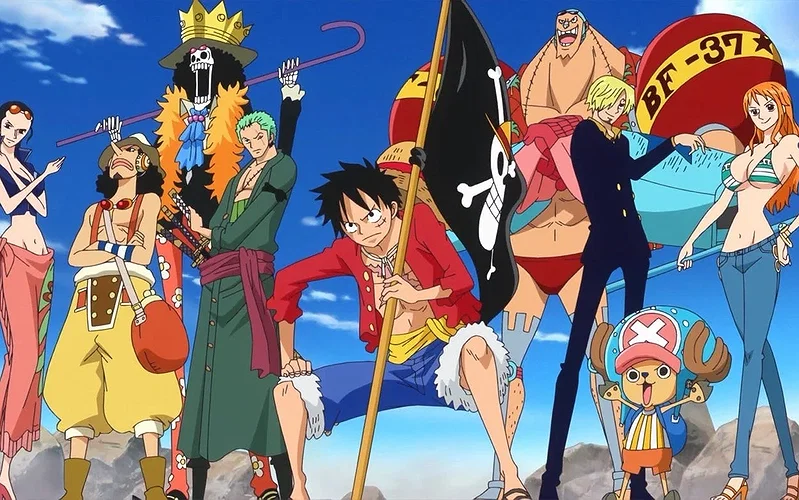
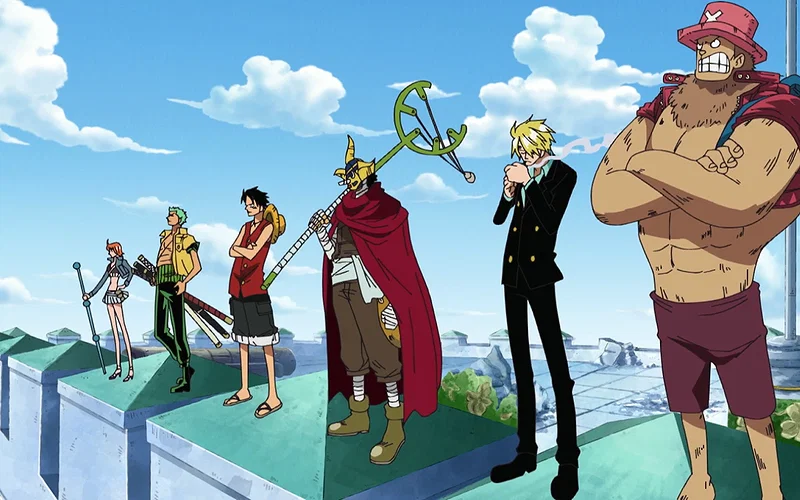
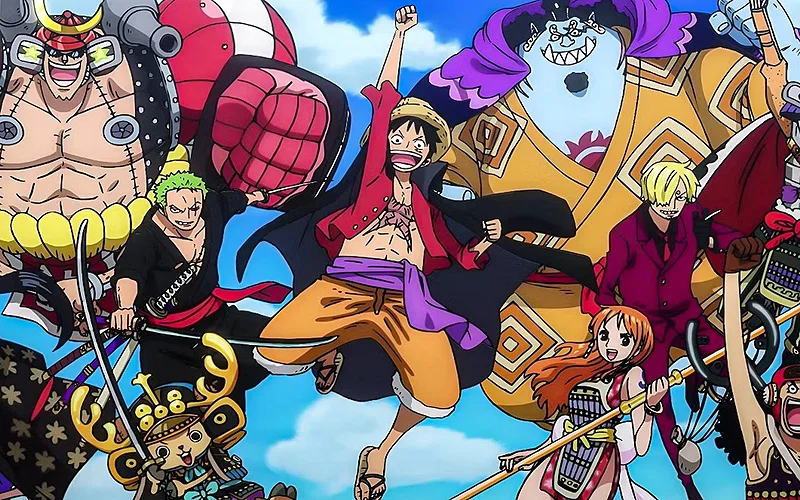
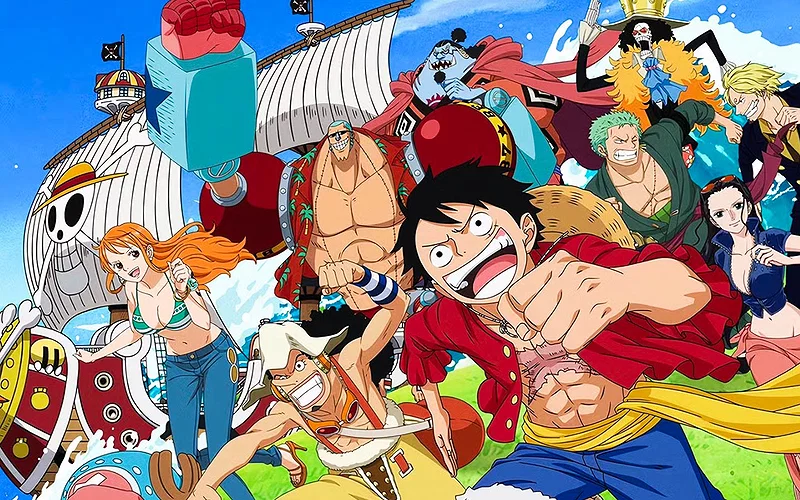
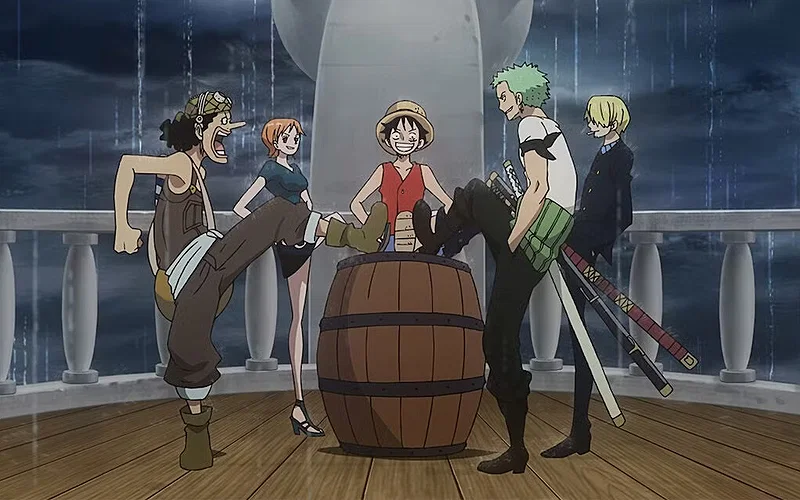
The Straw Hat Pirates’ flag has appeared at demonstrations in several countries, including Nepal and Indonesia. Its growing visibility reflects how popular culture can provide protestors with symbols that communicate ideas of resistance, solidarity, and frustration with authority without requiring lengthy explanations.
Within One Piece, the Jolly Roger represents more than a pirate crew. Luffy’s adventures repeatedly bring him into conflict with powerful institutions and individuals who deny others their freedom. Whether he is defending a vulnerable community or standing against an abusive ruler, his actions reinforce the series’ recurring themes of liberation, loyalty, and resistance to oppression.
The flag’s international appearances also demonstrate the influence of anime among younger audiences. Manga and anime have become important parts of global popular culture, and their characters often provide fans with a shared language that crosses national and cultural boundaries. A symbol originally created for a fictional pirate crew can consequently acquire meanings that extend well beyond its original setting.
However, the Jolly Roger does not necessarily carry an identical message at every demonstration. Local political circumstances, protestors’ demands, and individual motivations can all influence what the flag represents. One person might use it to express solidarity, while another might see it as a broader symbol of rebellion. Its presence alone cannot establish that everyone displaying it supports the same cause.
This distinction also helps explain why some fans object to its use. They may appreciate the Straw Hats’ commitment to freedom while worrying that the flag could become associated with political positions or actions they do not endorse. Others believe that applying the series’ themes to real-world struggles is a natural extension of what makes One Piece meaningful to its audience.
What are your thoughts on it? We’d love to know them in the comments below.
FW Standards: Trust Principles
As an Amazon Associate, FandomWire earns from qualifying purchases.
Shop our editorial picks on Amazon →

Can you beat today’s Sigils?
One star per row, column and region. Most solvers need 5 minutes.
Free to playNo sign-upNew challenge daily
Play Sigils
Edited by:Apratim Chakraborty
