

So when Andrew Eiche, who runs Owlchemy Labs, the studio behind Job Simulator, says VR hardware is only now starting to pass what he calls the cafe test, he is talking about me. Game Developer published its conversation with him this morning, held at Gamescom in August, and he makes two arguments in it. The first one is right. The second, about why so many VR studios have cut people this year, is half right, and the wrong half matters to the people who lost those jobs.
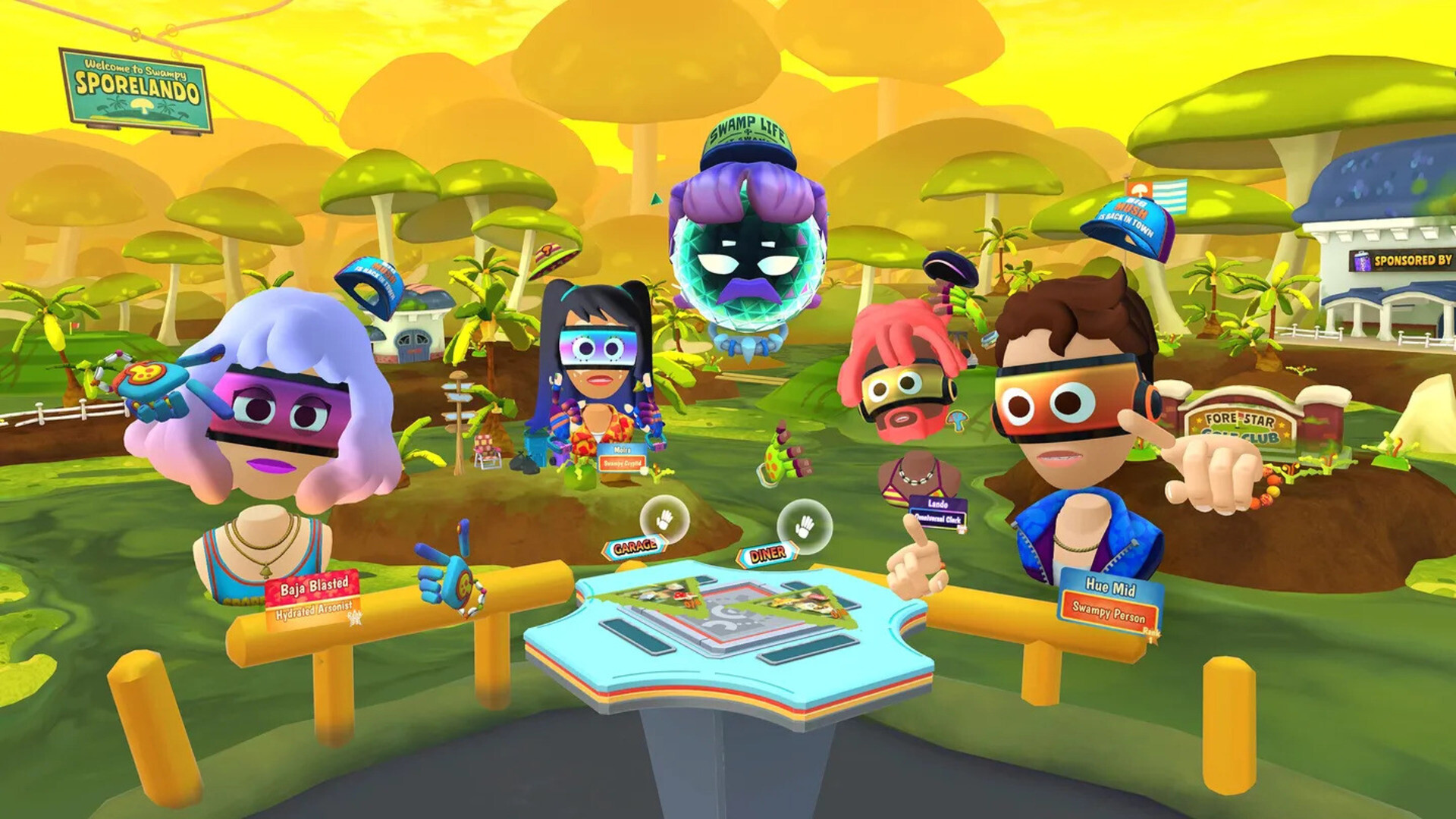
Would you wear it in a cafe?
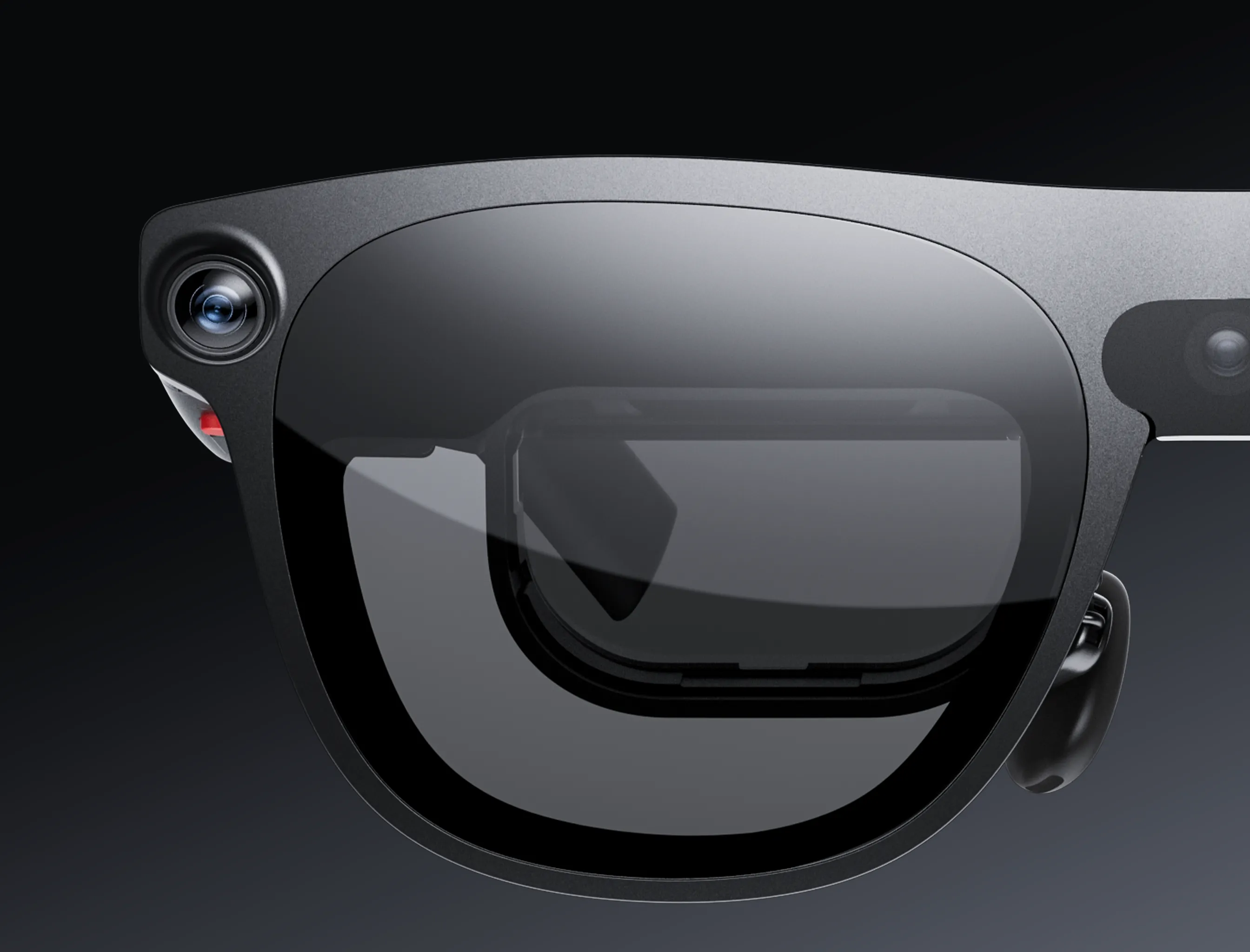
“We haven’t found our form,” Eiche told Chris Kerr. He thinks the headsets we treat as finished may turn out to be “equivalent to Nokia flip phones or the Motorola Razr,” and he has a test for when that changes. “That headset, the Aura, is finally starting to pass the cafe test. Like, would you wear it in a cafe? Would you wear it out in public? You start to think ‘okay, yeah, maybe. I don’t look like a bug.'”
Know who is talking. Kerr notes that Google owns Owlchemy. It has since 2017. The other half of that sentence is that XREAL’s AURA runs Google’s Android XR, and Owlchemy’s current game ships on it. He also said this in August, before AURA had a final price. Jordan had the number last week: $1,279, with 95 grams on your face and everything else in a puck at the end of a cable.
None of that makes him wrong, and I do not think he is. My Quest 3 starts arguing with my face inside an hour, and nobody is carrying 515 grams of white plastic into a coffee shop. The best sentence in the interview is his: “I love the big immersive headsets, but not everybody has to watch every movie in IMAX.” I would sign that.
He calls today’s hardware “the Nintendo Entertainment System of VR” and says of the people playing on it, “Our audience is young, right? But they will age up.” His proof is his father: “my dad got so addicted to Balatro, he was playing it before a doctor’s appointment.” Presumably on a phone, in a waiting room, which is the cafe test, and it took video games about four decades and a different device to pass it.
“An enormous strategic error”
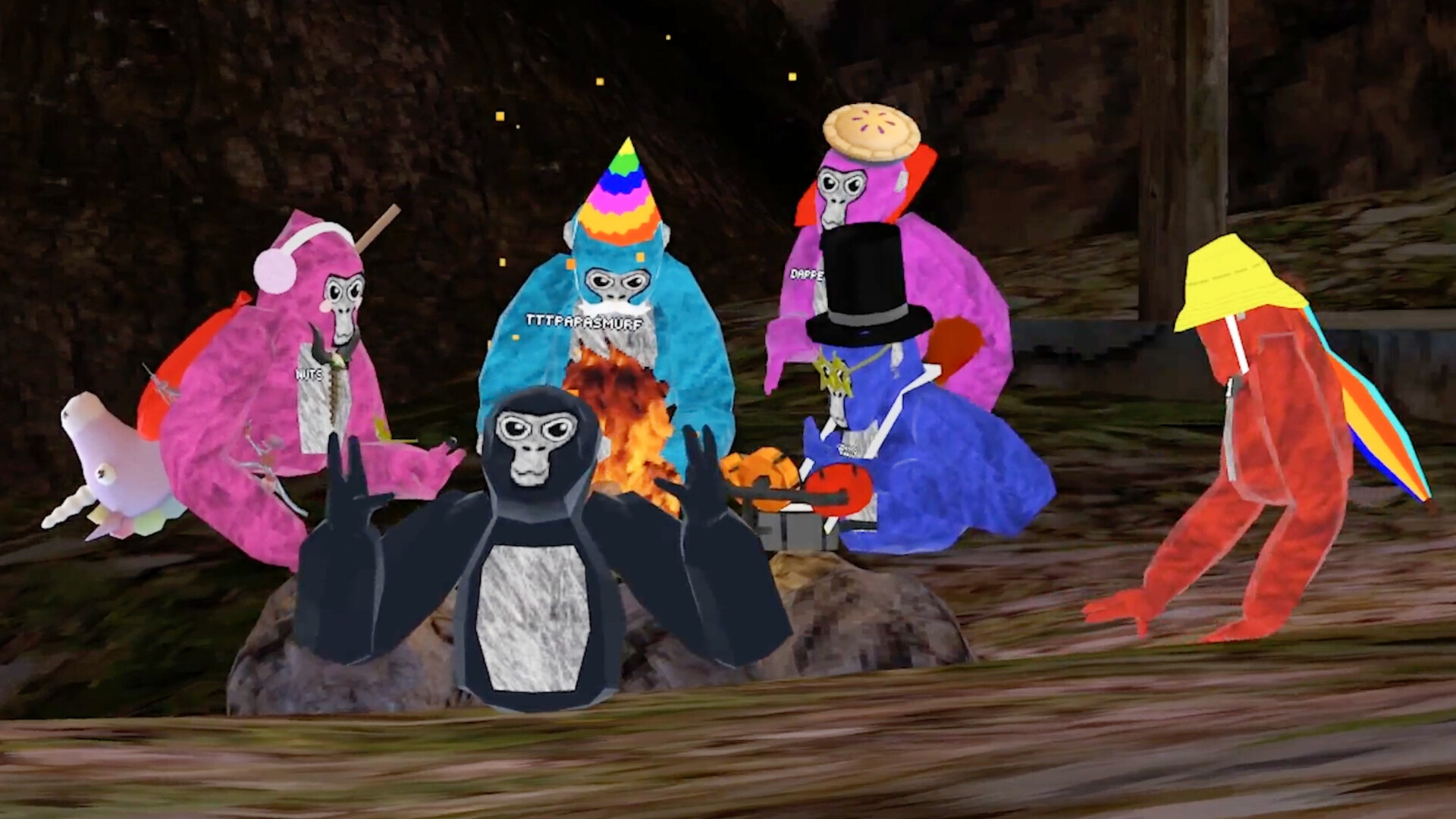
Then Kerr asks about the layoffs. By his account, Eiche thinks the big players, Meta among them, are shedding people because they misjudged the market, and the quote is not gentle: “[Those companies] are cutting the talent because they made an enormous strategic error, which was they had all the data that showed what was popular, right? What was popular was social games with lots of embodiment. Gorilla Tag and Animal Company.”
About what is popular, he is right, and you do not need anyone’s internal dashboard to check. On Meta’s store this morning Animal Company (also on Steam) showed 219,613 ratings and Gorilla Tag (Steam) showed 173,403. Both are free on Quest.
Some of this year’s casualties fit his story, too. On a single day in January, Meta closed Sanzaru, Twisted Pixel and Armature, every one of them known for a big single-player game. Survios reportedly laid off most of its developers in May. Expensive games, sold once.
