

Anime did not become a global pop-culture force overnight. Before streaming made everything one click away, series such as Akira, Sailor Moon, Mobile Suit Gundam, and Pokémon were already proving that Japanese animation could travel far beyond Japan. But some anime went further than becoming beloved shows.
They put characters on lunchboxes, games, fashion, memes, sports, music, and even how audiences understood animation itself. These 5 series stand out because their cultural fingerprints are still ridiculously easy to spot.
1Dragon Ball Z Turned Anime Power-Ups Into Pop-Culture Icons
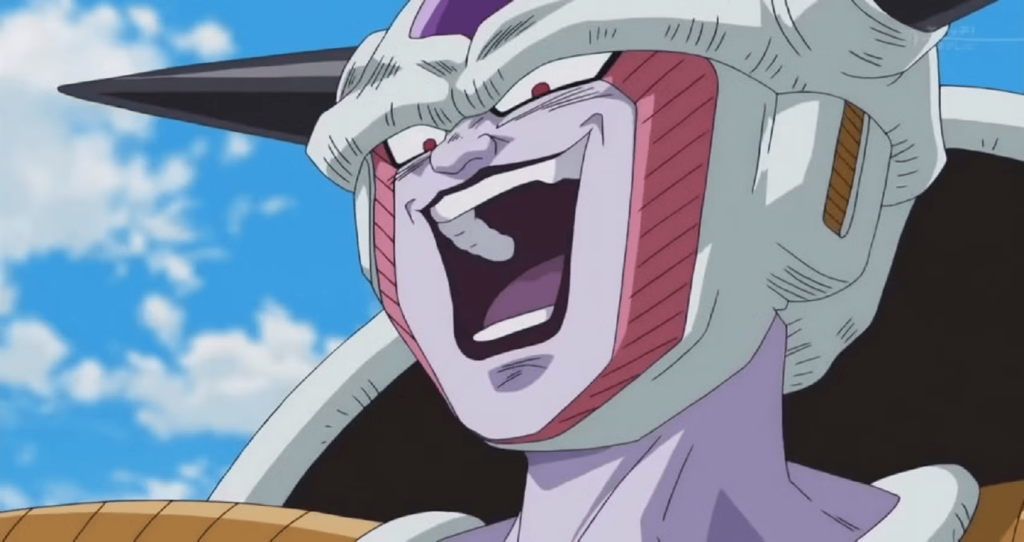
When Dragon Ball Z began airing in 1989, Goku’s journey had already become a phenomenon through the original Dragon Ball. But Z transformed it with bigger enemies, bigger battles, and transformations that felt like pop-culture events. The Super Saiyan transformation with blonde hair, impossible muscles, and screaming through a power-up sequence created a visual language that audiences could instantly understand even without knowing the plot.
Even decades later, Goku remains instantly recognizable, while Dragon Ball continues generating new anime and merchandise. The power-up spectacle did not merely entertain fans. It became one of anime’s most exportable visual signatures.
2Pokémon Became a Global Pop-Culture Juggernaut
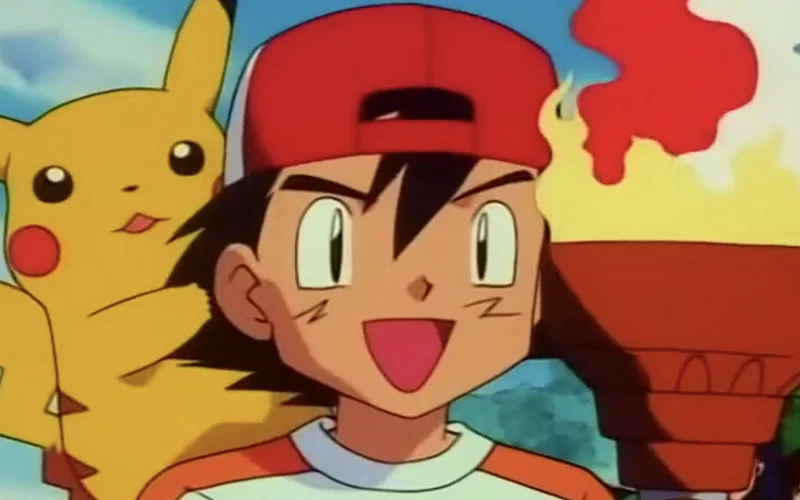
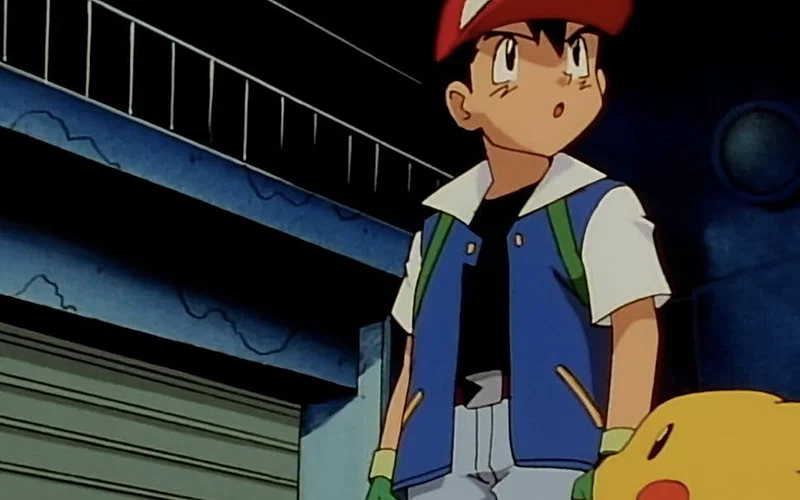
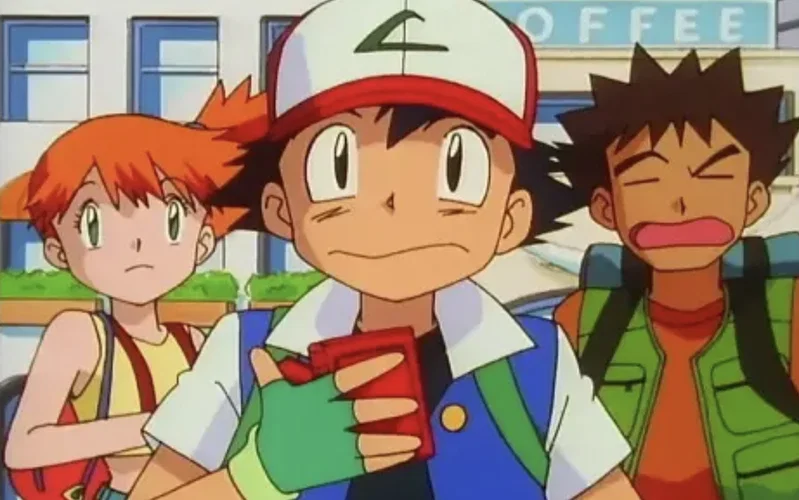
- <img src="https://fwmedia.fandomwire.com/wp-content/uploads/2026/07/23043724/pokemon-fans-need-to-63ceec5b.png?width=800&height=500&quality=85&sharpen=true&format=webp&aspect_ratio=800%3A500&crop=center" alt="This image features the main characters from Pokémon: Indigo League, including Ash Ketchum and his original team. The team consists of his starter Pokémon Pikachu, along with Charmander, Squirtle, and Bulbasaur.”>
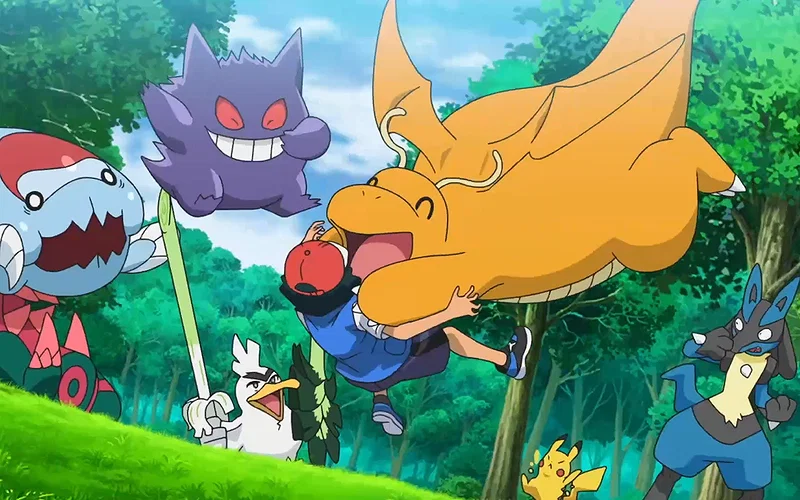
Pokémon pulled off something almost absurdly difficult: it made an anime character the face of a multimedia empire without the anime being the franchise’s original foundation. The Pokémon video games launched in Japan in 1996, followed by the animated series in 1997. By 1998, Pikachu was suddenly everywhere.
Pokémon created a loop between games, animation, trading cards, toys, and collecting. Plus, The Pokémon Company recorded that its video games have surpassed over 300 million worldwide sales , while the animated series has exceeded 1,000 episodes and is licensed across 177 countries and regions in more than 30 languages
3One Piece Made Luffy and His Crew Global Icons

One Piece began its manga journey in 1997, and its television anime followed in 1999, introducing audiences to Monkey D. Luffy and the increasingly enormous Straw Hat crew. Luffy’s straw hat, Zoro’s swords, Sanji’s suit, and the crew’s distinctive silhouettes became visual shorthand for the franchise. But One Piece also showed that an anime could sustain an international audience.
Guinness World Records recognized One Piece for the most copies published for a comic series by a single author (500 million copies), while its record listing recorded more than 416 million copies printed and circulated by July 2022. Add films, games, merchandise, live events, and Netflix’s 2023 live-action adaptation, and One Piece becomes more than a long-running anime.
4Naruto Turned Shinobi Culture Into a Worldwide Phenomenon
Masashi Kishimoto’s Naruto arrived as a manga in 1999, with its anime adaptation beginning in 2002. It’s about an ostracized young ninja who dreams of becoming Hokage. What followed was a worldwide obsession with hand signs that fans copied. The forehead protectors became cosplay staples. The distinctive arms-back “Naruto Run” escaped the show entirely and became an internet meme and real-world joke, including its famous appearance during the 2019 Storm Area 51 event.
The manga has sold more than 250 million copies worldwide, while events, games, and merchandise continue to expand the franchise. People did not just watch the shinobi world. They dressed like it, mimicked it, quoted it, and eventually turned its visual language into internet culture.
5Neon Genesis Evangelion Changed What Anime Could Be
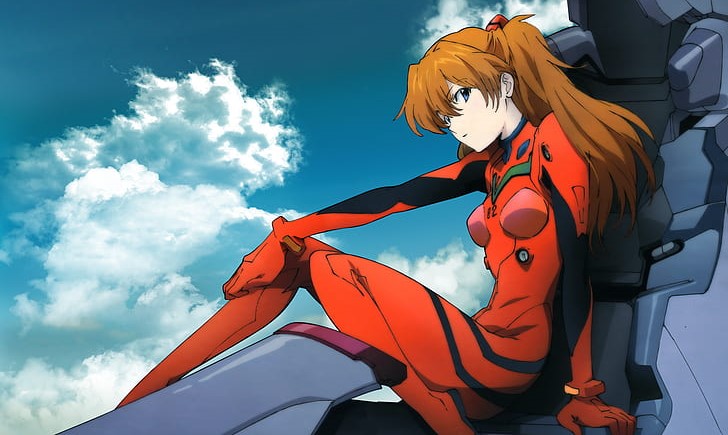
Then came Neon Genesis Evangelion in 1995, and suddenly the giant robots were having existential crises. On paper, Hideaki Anno’s series gave us some of the best-designed angels, giant biomechanical machines, and apocalyptic battles. But Evangelion used those conventions to explore loneliness, identity, anxiety, human connection, and the psychological consequences of trauma.
Its cultural importance came partly from refusing to behave like a conventional mecha show. Its dense religious imagery, unsettling visual compositions, and fragmented storytelling also gave anime fans something unusual: a show that practically begged to be dissected. The impact reached beyond anime fandom. Japan’s Media Arts Current Contents noted Evangelion as a major force in the country’s 1990s pop-cultural landscape
Which anime left the biggest mark on pop culture for you? Comment below!
FW Standards: Trust Principles
As an Amazon Associate, FandomWire earns from qualifying purchases.
Shop our editorial picks on Amazon →

Today’s Sudoku is ready.
Fill every row, column and box without repeating a digit.
Free to playNo sign-upNew challenge daily
Play Sudoku
Edited by:Apratim Chakraborty

3 Comments
Pingback: Fortnite Update 5.22 Drags Fortnitemares 2026 on October 1 - Comic Vibe
Pingback: The Best Horror Movies You Can Stream Right Now - Comic Vibe
Pingback: What To Watch Thursday: East Of Eden, War, And Coven Academy Debut, Big Brother Winner Revealed, And More - Comic Vibe