

When Kyoto Animation releases a new work, the world stops to pay attention. It’s a privilege that the Women in Animation Diversity Award-winning studio behind modern classics like K-ON!, lush love stories like Violet Evergarden, and gut-busting comedies like City The Animation has earned as your favorite creator’s favorite anime studio. While Sparks of Tomorrow, the studio’s new series streaming exclusively on Netflix, spins more plates than it needs to, its endearing character writing, humor, and awe-inspiring animation shine through, making it a fun watch in a packed summer anime season.
Set in an alternate Kyoto where steam power dominates daily life in the 20th century, Sparks of Tomorrow imagines the paradigm shift that would erupt if an electrical revolution took place. The only problem is that Seiroku Sakamoto (EN: John Choi, JP: Daisuke Ono), the dreamboat with grand plans for the dawn of the “Age of Electricity,” never lived to see it through; he disappeared during a war, leaving his vision of the future bound within the pages of a long-lost notebook. When Seiroku’s distrustful younger brother, Kihachi (EN: Hunter McCoy, JP: Yuma Uchida), crosses paths with Inako Momokawa (EN: Audrey Hsieh, JP: Sora Amamiya), a relentlessly hopeful young girl, they embark on a whirlwind quest to recover Seiroku’s electric manifesto. Along the way, the lovebirds juggle the threat of Inako’s arranged marriage to Yousuke Mizoe (EN:Paul Castro Jr., JP: Kōuki Uchiyama), a man seeking to use the 20th Century Electric Catalog for devastating ends, confront regrets from their past, and carve out a future where their dreams can come true.
Among the many plates Sparks of Tomorrow spins across its 13 episodes are a mystery centered on the 20th Century Electric Catalog, three love-triangle story arcs, and three converging (and often combative) storylines about its leads’ paths toward achieving their dreams. The show also blends tones, shifting between half-committal, Dr. Stone-esque reverse-engineered techno-babble, a melodramatic gender-study period piece, a slapstick off-model comedy, and a grand central station of intermingled romances.
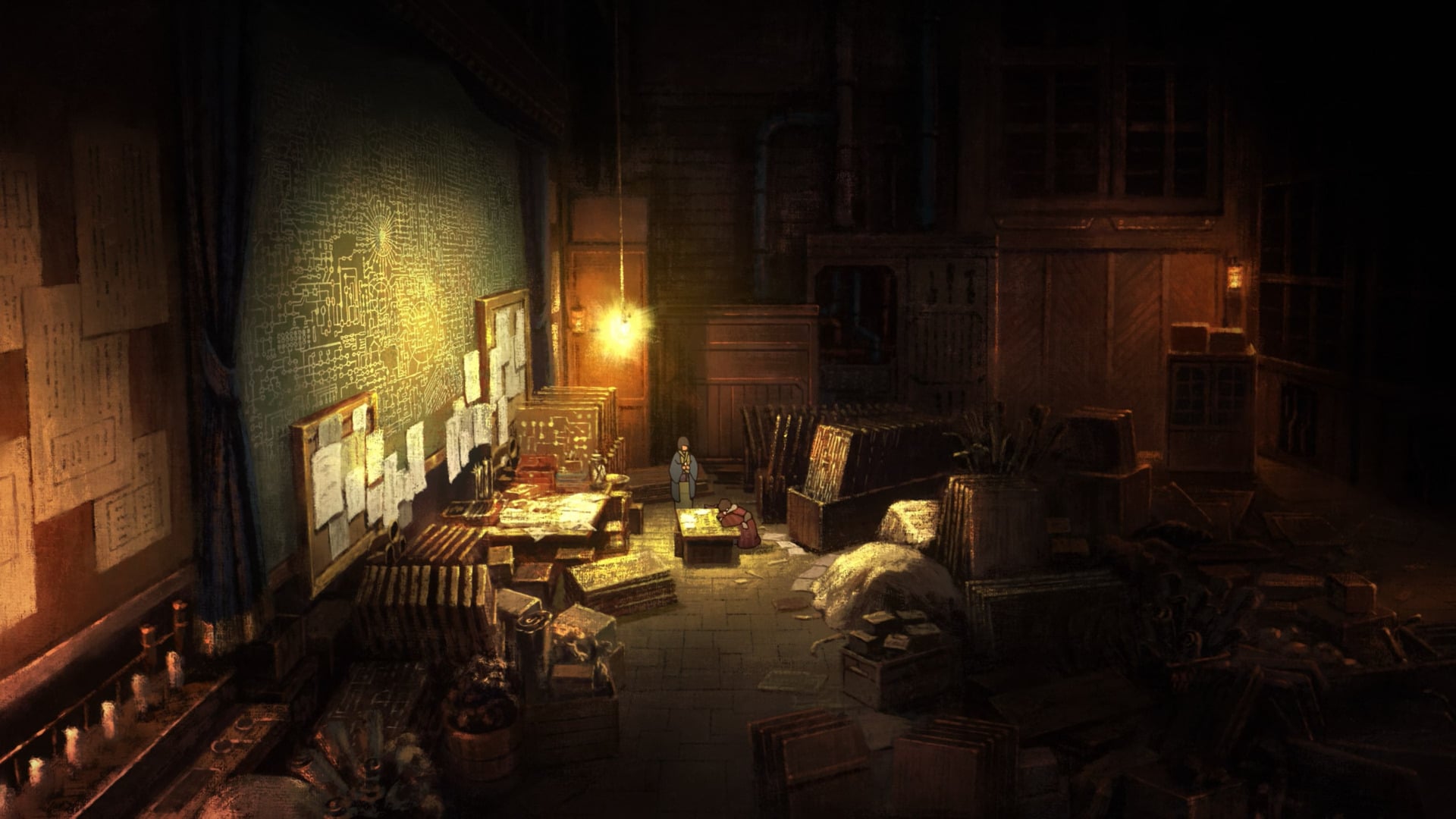

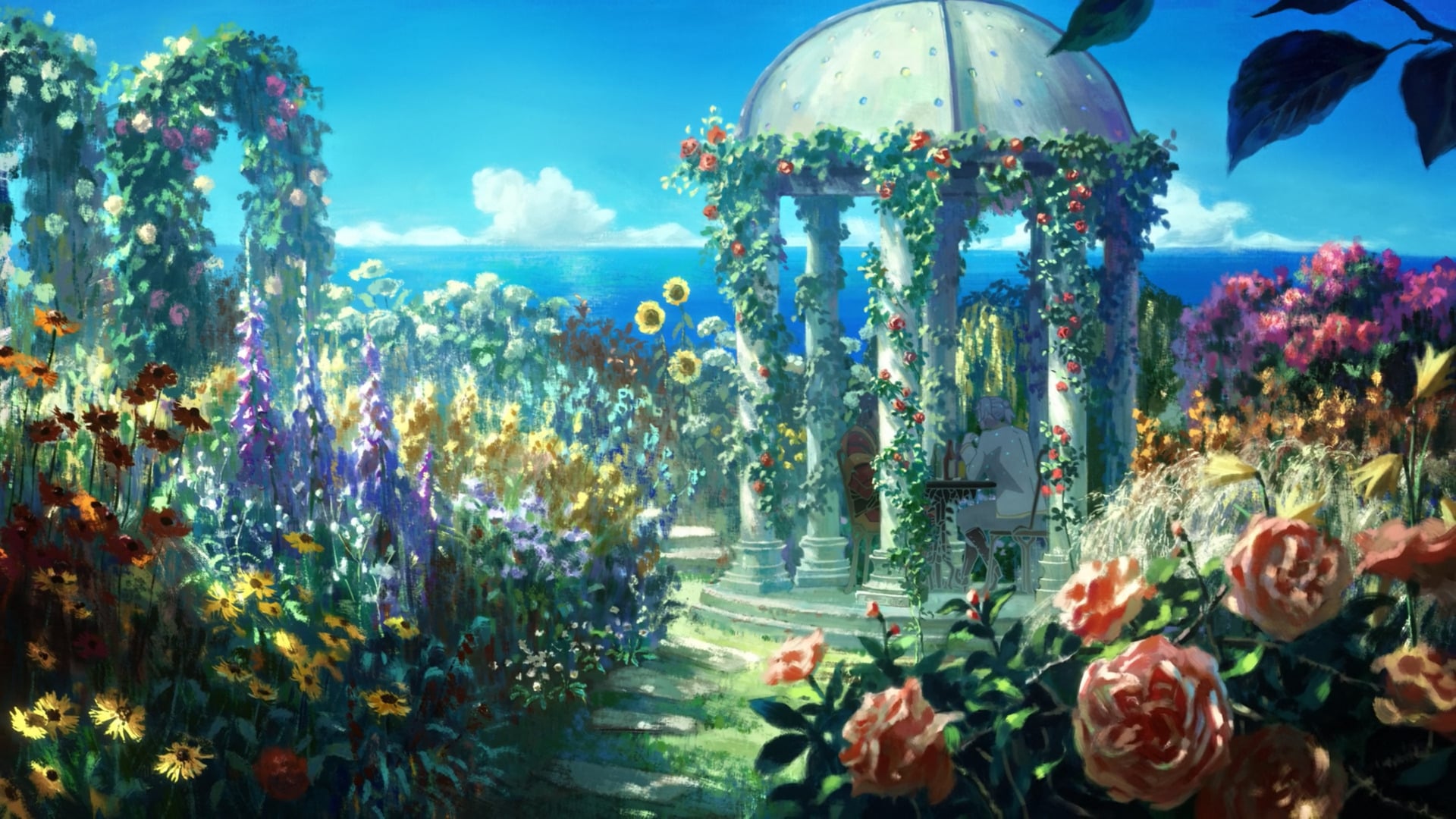
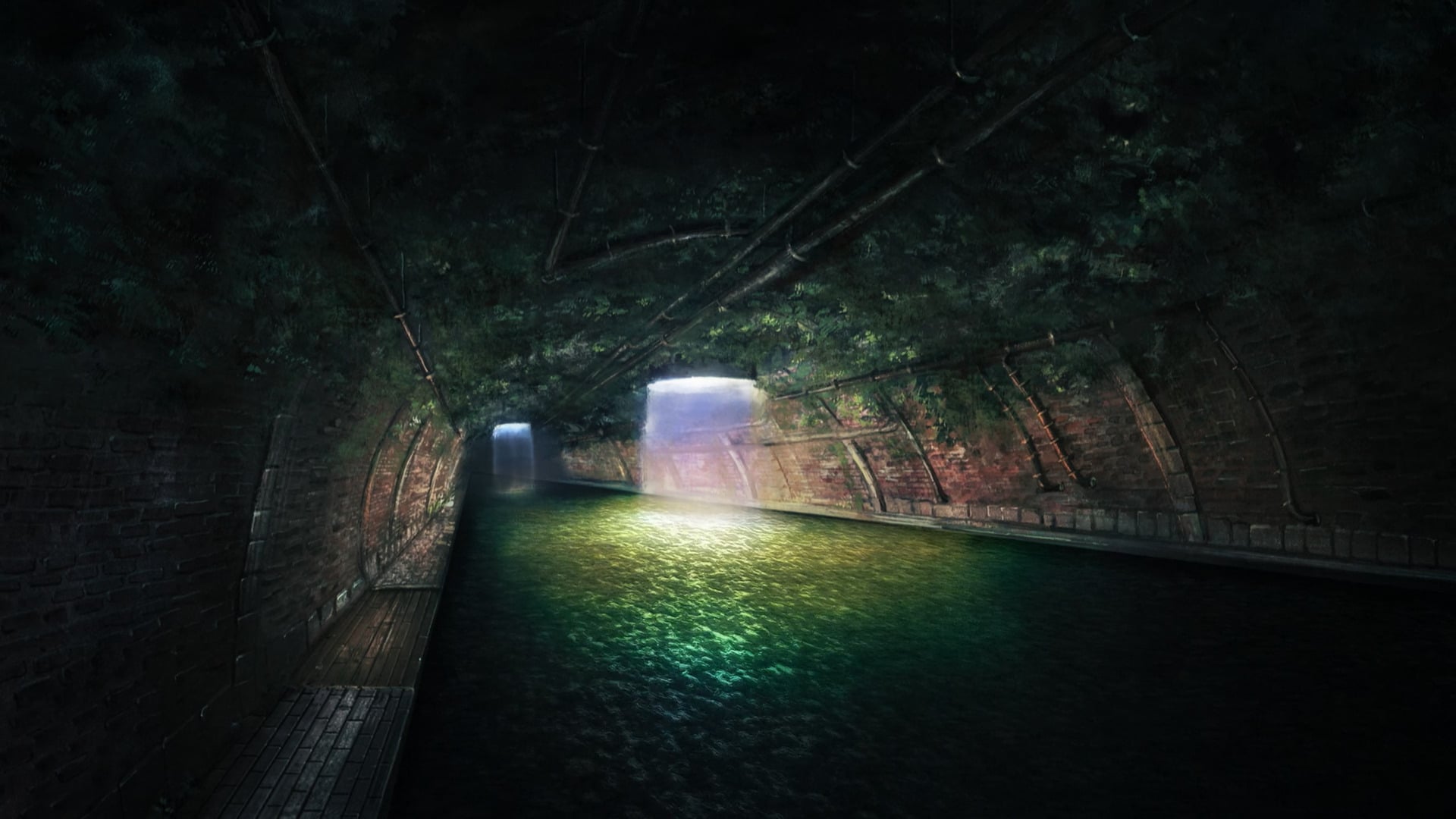
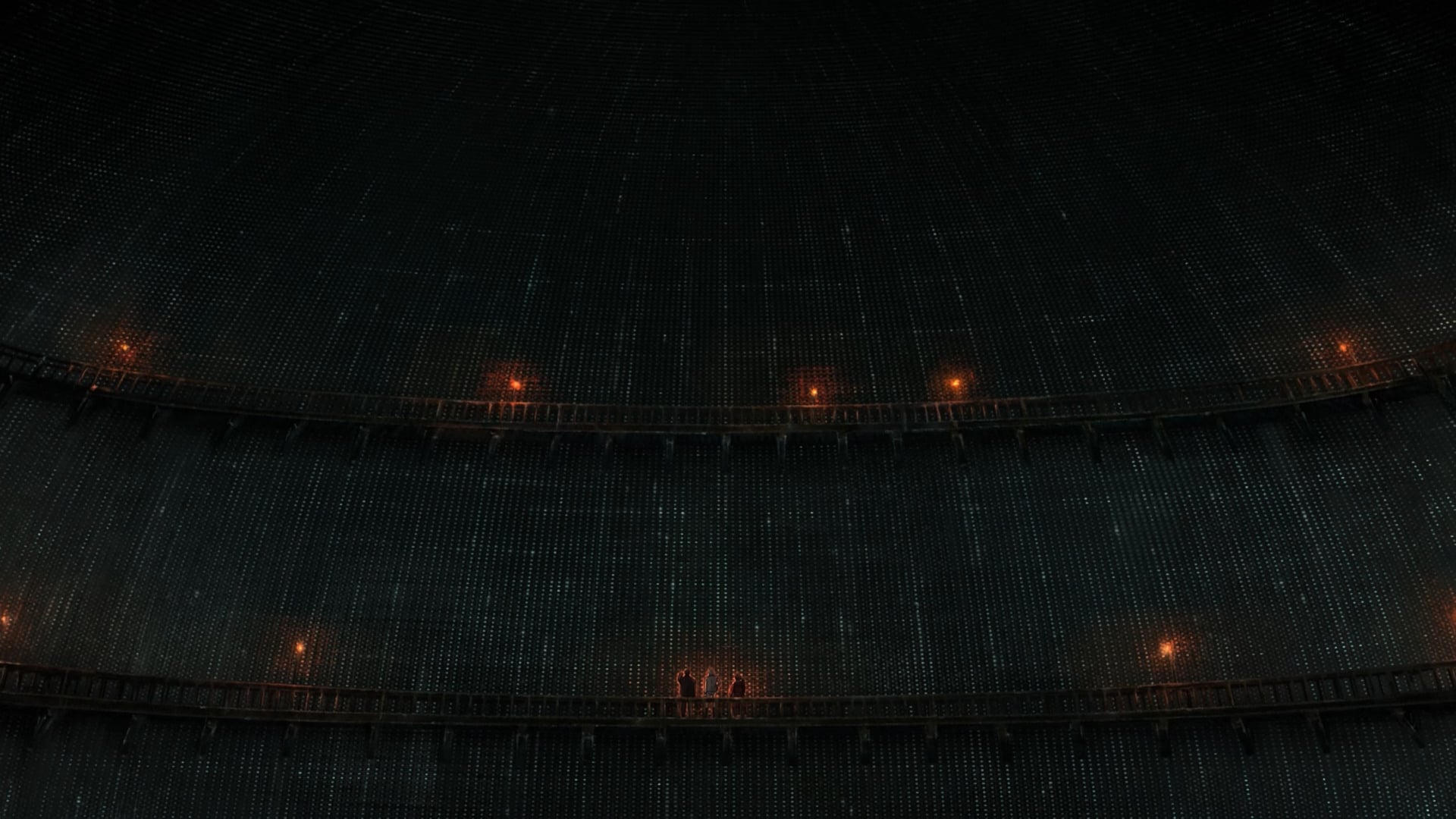
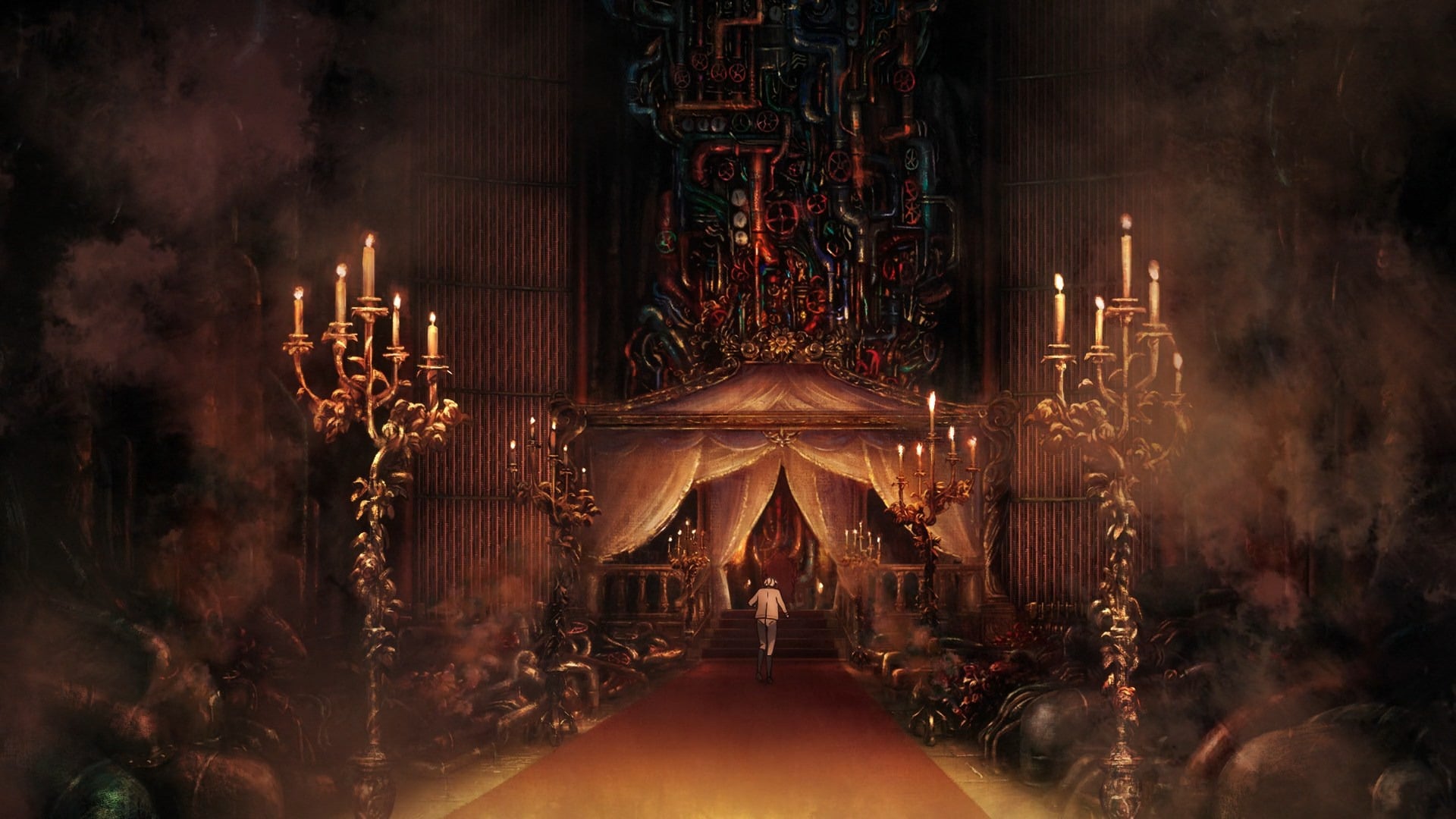
For the most part, Sparks of Tomorrow juggles its plates well. KyoAni’s comedic timing is still top-notch; its blend of impressionistic background art and expressive animation rivals Demon Slayer studio Ufotable; it hasn’t missed a musical beat sinceK-ON!; and its female-gaze fanservice of the male physiqueremains unmatched.
While the show does well enough to not muddle its disparate tones, its writing left a bit to be desired. Combined with the show’s crowded cast and the mystery-box feel of its weekly cliffhanger release schedule, Sparks of Tomorrow‘s pacing feels like a Goldilocks scenario: either too glacial or too brisk to move through all its storylines. Although Kihachi and Yousuke eat up most of the series’ runtime fighting over their entitlement to Seiroku’s catalog, the only storyline that felt fully realized was Inako’s.
Inako is your typical strong friend who needs looking after. Despite her sunny disposition as a conduit who sparks folks like Kihachi to put their hearts first and chase their dreams, Inako is a character who gave up on herself a long time ago. Her arc, as she bucks the patriarchal structures that would dim her dream, is the most cogent and moving aspect of Sparks of Tomorrow. Kihachi and Yousuke, however, feel stagnant by comparison. By and large, the episodes play out the same, with the two fighting over possession of the notebook, Kihachi eventually outfoxing Yousuke, and a new invention being born.
The show doesn’t seem like it’s building toward something until its ninth episode. By the time the show launches into its literal mad dash toward the finale, Sparks of Tomorrow feels a bit deflated—like it cut the momentum out from under itself. In its sprint, it drifted into something a touch navel‑gazey, forgetting the humor and heart that originally brought it to the dance.
Still, the show is a far cry from disappointing. Compared to other shows airing concurrently, Sparks of Tomorrow is arguably the prettiest and most fun watch of the bunch. Its off-model sight gags, where characters train as they walk out of Ashita no Joe, KyoAni putting extra love into Yousuke being a truly unhinged shitheel, and its routine slutting out of Inako’s brother-in-law Kengo Kuga’s (EN: Jonathon Ha, JP: Shunsuke Takeuchi) muscular frame really stood out. You could tell the animators had fun working on Sparks of Tomorrow, from every lived-in frame of its rooms and cityscapes to the fluidity of animation put into both big and innocuous action sequences. A less major but still remarkable feat is that the anime stands out in the crowd of seasonal shows through its episode-specific opening theme sequences.
Typically, an anime opening is the same every episode. Unless the song is a banger, you’re probably clicking Netflix’s “skip intro” button to dive straight into the show. The early stretch of Sparks of Tomorrow‘s anime intro switches things up by underscoring a montage that braids the backstory of a character the episode will focus on with what they were doing moments before the episode starts. It’s a neat animation flex. It also doesn’t hurt that the show’s trippy kaleidoscopic outro is scored by the city-pop bops of California indie soul band Ginger Root.
Kyoto Animation‘s Sparks of Tomorrow is an impressively lush feat of animation, with a humorous and emotionally resonant tale about the risks and rewards of obsessively loving to the point of invention. Sadly, its ambitious tale is marred only by the precipitous pacing it employs to tie all its narrative threads together. While the show leaves a bit to be desired on a story level, it’s nonetheless a remarkable feather in the cap of KyoAni’s already illustrious body of work.
All 13 episodes of Sparks of Tomorrow are streaming on Netflix.
Want more io9 news? Check out the best movies and TV shows to stream this month and all the upcoming sci-fi, fantasy, and horror books that should be on your radar.
