

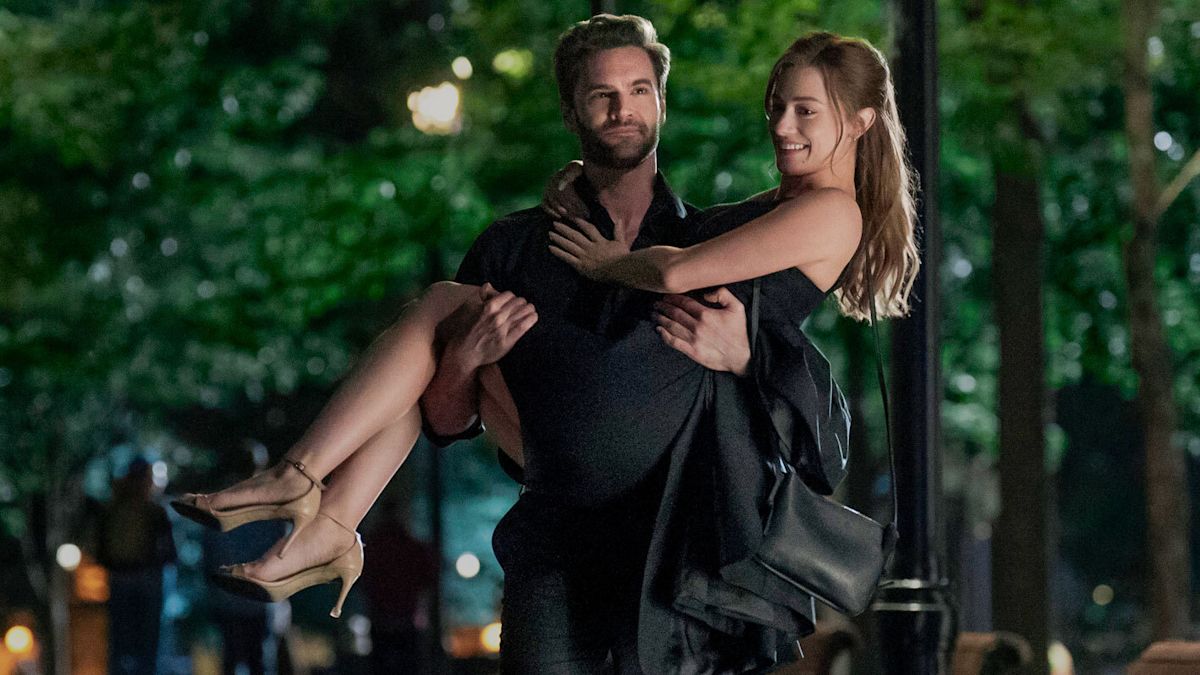
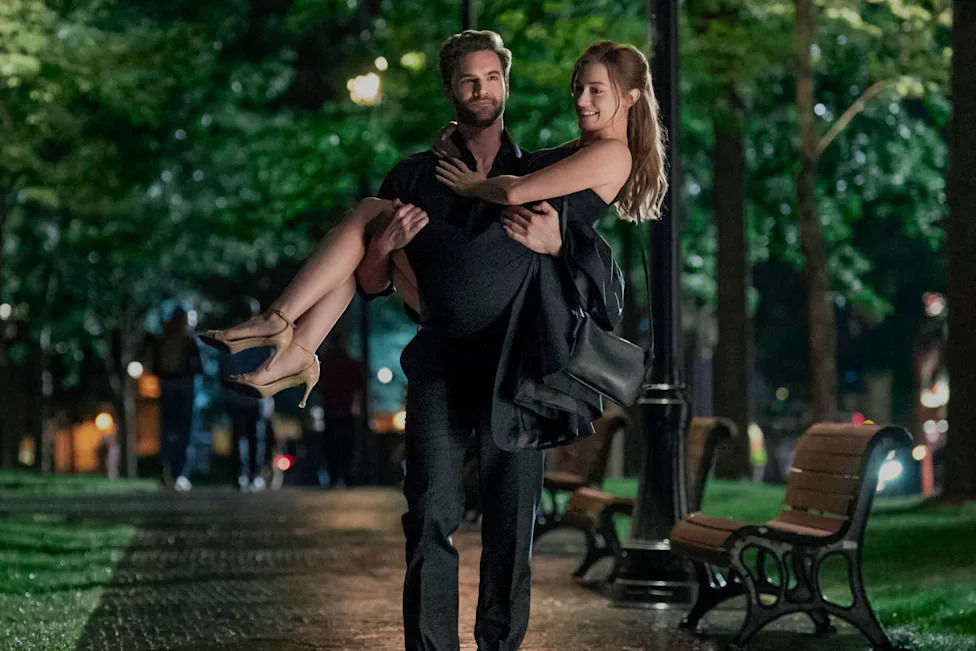
It seems like every time a new romantic comedy is released in theaters, there’s chatter about how the genre isn’t getting the love it once did, but maybe this will be the movie that will revive it once and for all.
But the death of the romantic comedy has been greatly exaggerated. They might not be driving people out to cinemas in droves like they used to with Pretty Woman or My Big Fat Greek Wedding, but there’s no denying their power on couches. Straight-to-streaming rom-coms like People We Meet on Vacationand Office Romancehave been among the most popular movies on Netflix and Prime Video over the last few years.
I call them mid-cutes. They’re predictable stories of person-meets-person, often adapted from beloved novels and starring actors you kind of know from something else. They get decently good critical reception, though they’re not exactly reinventing the wheel.
Mid-cutes are not formulaic slop (though Hallmark movies and vertical dramas certainly have their own fandoms!), but they tap into age-old tropes, like enemies-to-lovers or fake dating. They also come with fresh talent and Instagram caption-worthy declarations of love.

Watching Lili Reinhart reference a string of classic rom-com dresses (like Kate Hudson’s yellow gown from How to Lose a Guy in 10 Daysand Sandra Bullock’s lilac minidress from Miss Congeniality) while promoting her movie made me realize how long it’s been since we’ve seen a new classic — perhaps 2018’s Crazy Rich Asians?
But now that there’s so much to consume and so many algorithms curating content to our exact taste, is finding a pop-culture-unifying banger even the goal anymore? Can’t it just be to have a good time?
Reinhart, who stars in Prime Video’s new film The Love Hypothesis, tells me that she thinks rom-coms should be distracting.
“I think you should be giggling and kicking your feet,” she tells me, later adding, “You should be pulled into their world and leaning forward to watch two people come together. … I like watching two people fall in love!”
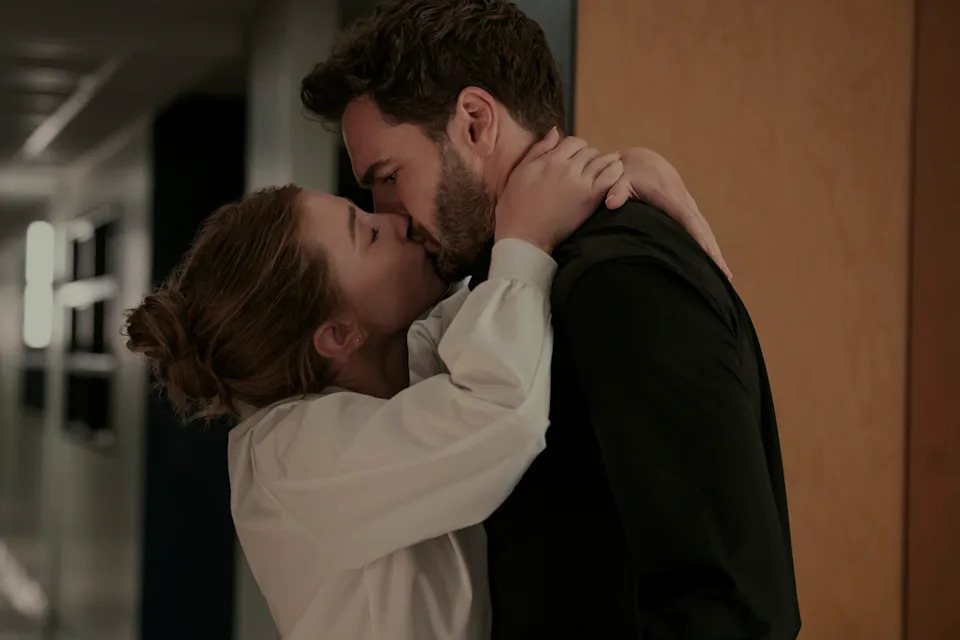
Room-temperature rom-coms still fulfill a purpose, even if they aren’t groundbreaking. They make us feel good.
Annia Raja, a clinical psychologist and rom-com fan, says mid-cutes are a pleasant form of relaxation and escapism — especially for people with chaotic lives.
“There’s a predictable arc: You know how it ends 10 minutes in, and that’s very much the appeal,” she tells me. “Predictability is restful for our brains when they’ve been scanning for problems since 6 a.m.”
Even if they’re not delivering lines like “as you wish” or “you complete me,” making multimillions at the box office or introducing the world to the next Alicia Silverstone or Matthew McConaughey, they still matter. Raja says that seeing “rupture and repair” on our screens produces “meaningful joy.” They might be forgettable, but the little things that make our days often are.
There might not have been widespread cultural conversation about Love Hard, the 2021 Netflix comedy starring Nina Dobrev, like there was about the manic pixie dream girl masterpiece (500) Days of Summer, but mid-cutes are still making an impact. Fans are exceptionally enthusiastic about their favorites. I asked them for some recommendations.
Raja loves Always Be My Maybe and Wedding Season. Rom-com enthusiast Taylor has watched Voicemails for Isabelleat least six times and cried through every viewing. She also loves The Idea of You— especially the ending. Noey’s a big fan of Love at First Sight on Netflix for its chemistry and tear-inducing performances. Several people shouted out the To All the Boys I’ve Loved Beforetrilogy, as well as Red, White & Royal Blue.
For Mia, the fact that mid-cutes don’t always stick in our minds after we’re done watching them is a blessing. Their forgettable nature is the point. She loves that she can fold laundry through the first act and not miss any of the stakes.
“They’re doing the work soap operas and paperback romances always did, which is handing people a reliable dose of warmth on demand,” she says. “A culture that only values stories that generate discourse is ignoring the ones people actually turn to when they’re tired.”
