

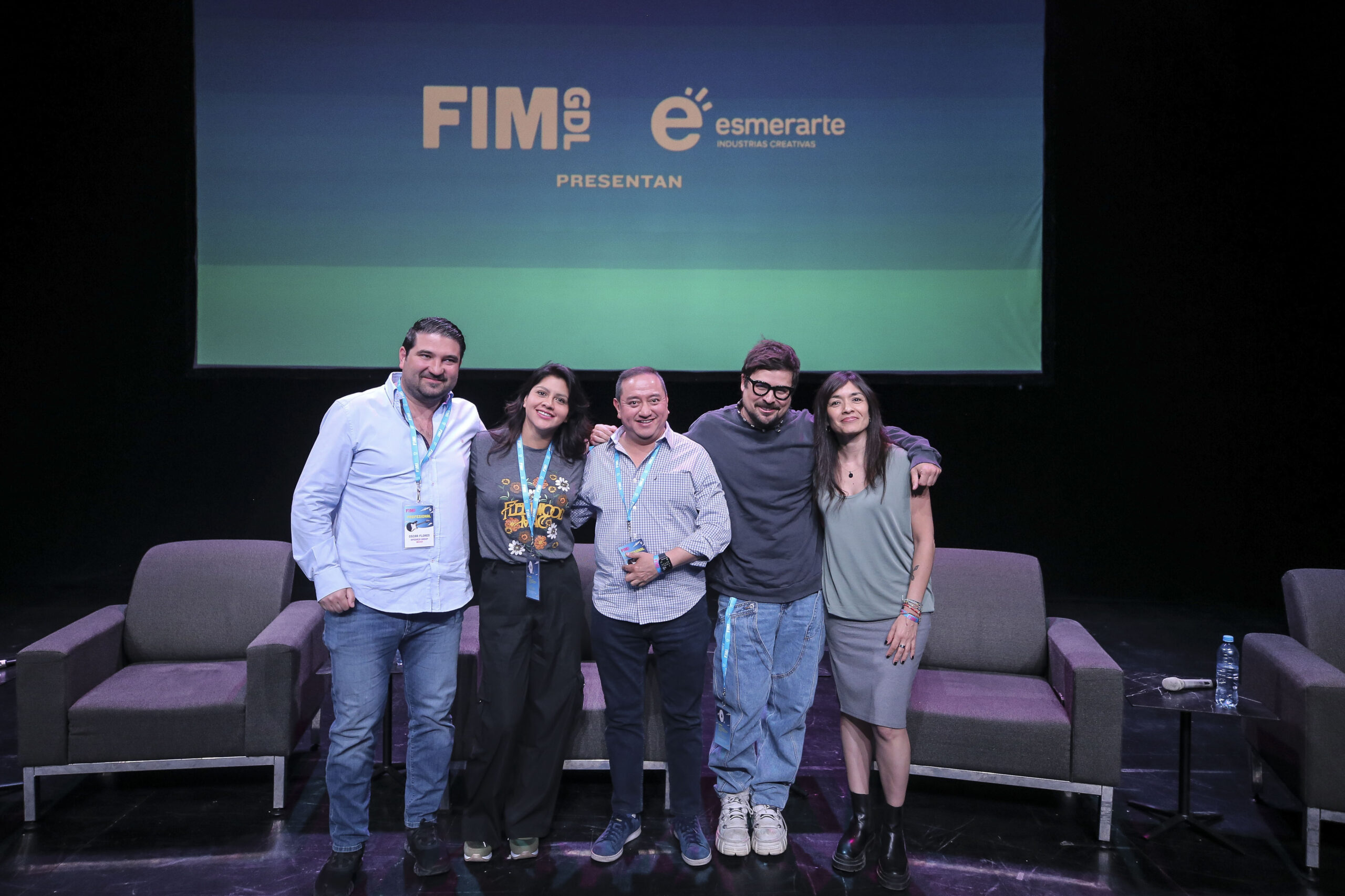
<img src="https://comicvibe.com/wp-content/uploads/2026/09/240301_festivales-musicales-comprometidos-con-el-entretenimiento-y-la-cultura-en-mexico_ga-2.jpg" alt="Music festivals committed to <a href="https://comicvibe.com/sphere-entertainment-sphr-stock-may-be-above-fair-value-on-cash-flow/” title=”Sphere Entertainment (SPHR) Stock May Be Above Fair Value On Cash Flow”>entertainment and culture in Mexico”>
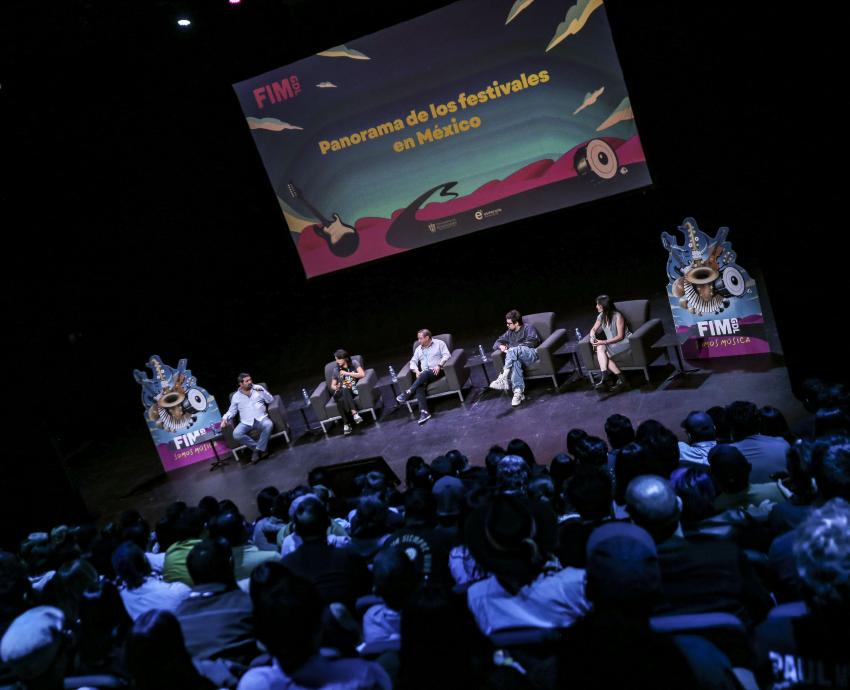
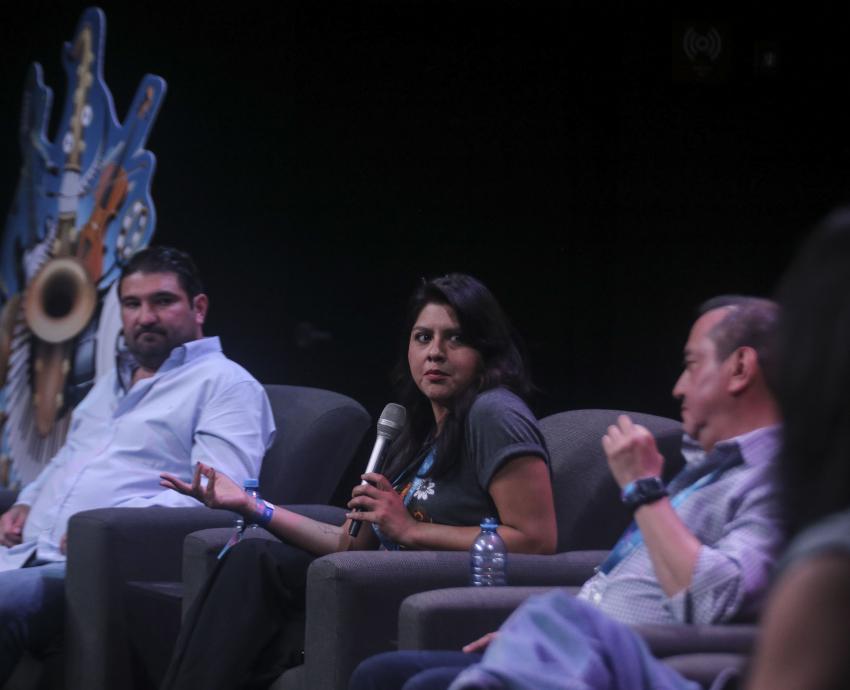
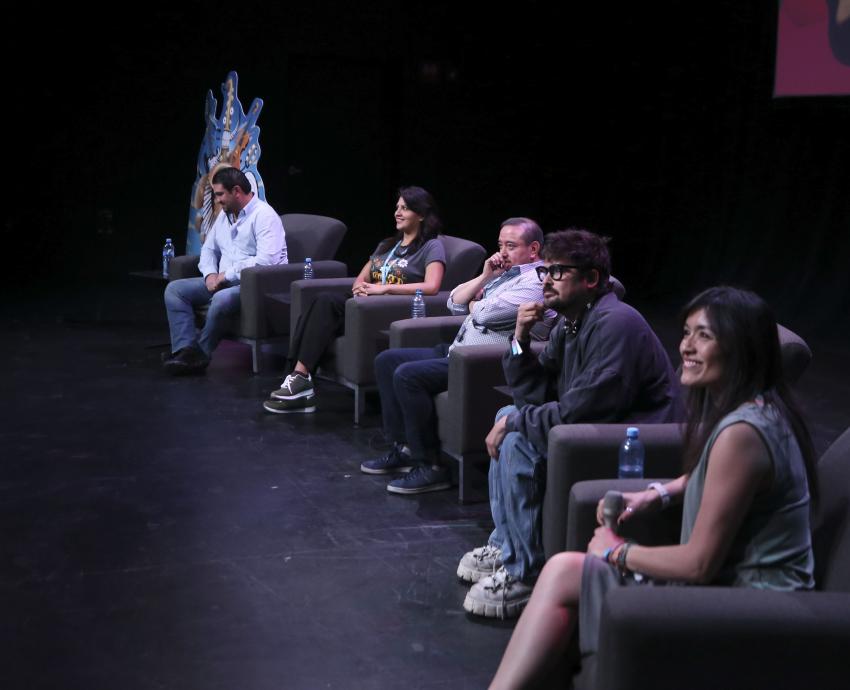
Industry experts confirm that the largest festivals will survive, but consider it desirable to have a festival in each city to distribute the same economic benefits.
Music festivals in Mexico face challenges such as increased production costs and artist fees that are reflected in ticket prices; however, promoters are making progress in building audiences and communities to offer experiences committed to the entertainment and culture of our country.
Within the framework of the Guadalajara International Music Fair (FIMGDL 2024), held at the Santander Performing Arts Complex (CSAE), promoters of major festivals such as Vive Latino, Axe Ceremonia, Rock Latino, Pa´l Norte and Flow Fest shared their experiences in the panel “Overview of festivals in Mexico”.
Itzel González, OCESA’s Events Manager, highlighted the importance of festivals as a right to entertainment and culture; however, the Mexican government does not support or subsidize large festivals as is done in European countries.
“It’s people’s right to entertainment. In other countries, the government supports them because they consider them part of the culture. Among festival producers, this isn’t the case; there’s no consensus on the festival as a cultural product that can continue to grow,” he said.
However, one of the difficulties that festivals face is the disappearance of the smaller ones in the face of the larger ones Commercial Director of Apodaca Group
“The problem with smaller festivals is that they get eaten up by the bigger ones; the smaller ones can’t sustain themselves. Nowadays, there are few left because they don’t attract brands, they don’t develop good marketing, they don’t attract an audience, among other problems,” he explained.
For Diego Jiménez, Director of the Axe Ceremonia Festival, the state of music festivals in our country is not only good, but has reached maturity in recent years. Proof of this is the growing community of regular attendees at these large-scale music events.
“Examples of this are Corona Capital or Vive Latino, where there is an evident relationship between the producers and the community that makes it possible, a relationship that gives the indication of which one will survive,” the director explained.
González confirmed that at each event, the audience can sense what worked and what didn’t in order to plan the next festival. “It has taught us and educated us how to put on festivals, prepare the experience, and how to take festivals to other cities; to understand the audience, the people, and in this, the bands have also adapted,” he explained.
Faced with the dilemma of how to stay in the festival industry, Andrés Sánchez, executive promoter of Rock Latino OCESA, stressed that it is desirable for each city to have its own festival through the creation of its own community.
“We need to find out what they like, create a certain identity, and seek feedback with exit surveys at concerts to find out what they want in that place, and then deliver it,” he proposed.
Oling of festival specialists in Mexico
Attentively
“Piensa y Trabaja”
“30 Years of Autonomy of la Universidad de Guadalajara and its network organization”
Guadalajara, Jalisco, March 1, 2024
Text: Adrián Montiel González
Photography: Gustavo Alfonzo
- 421 views
