

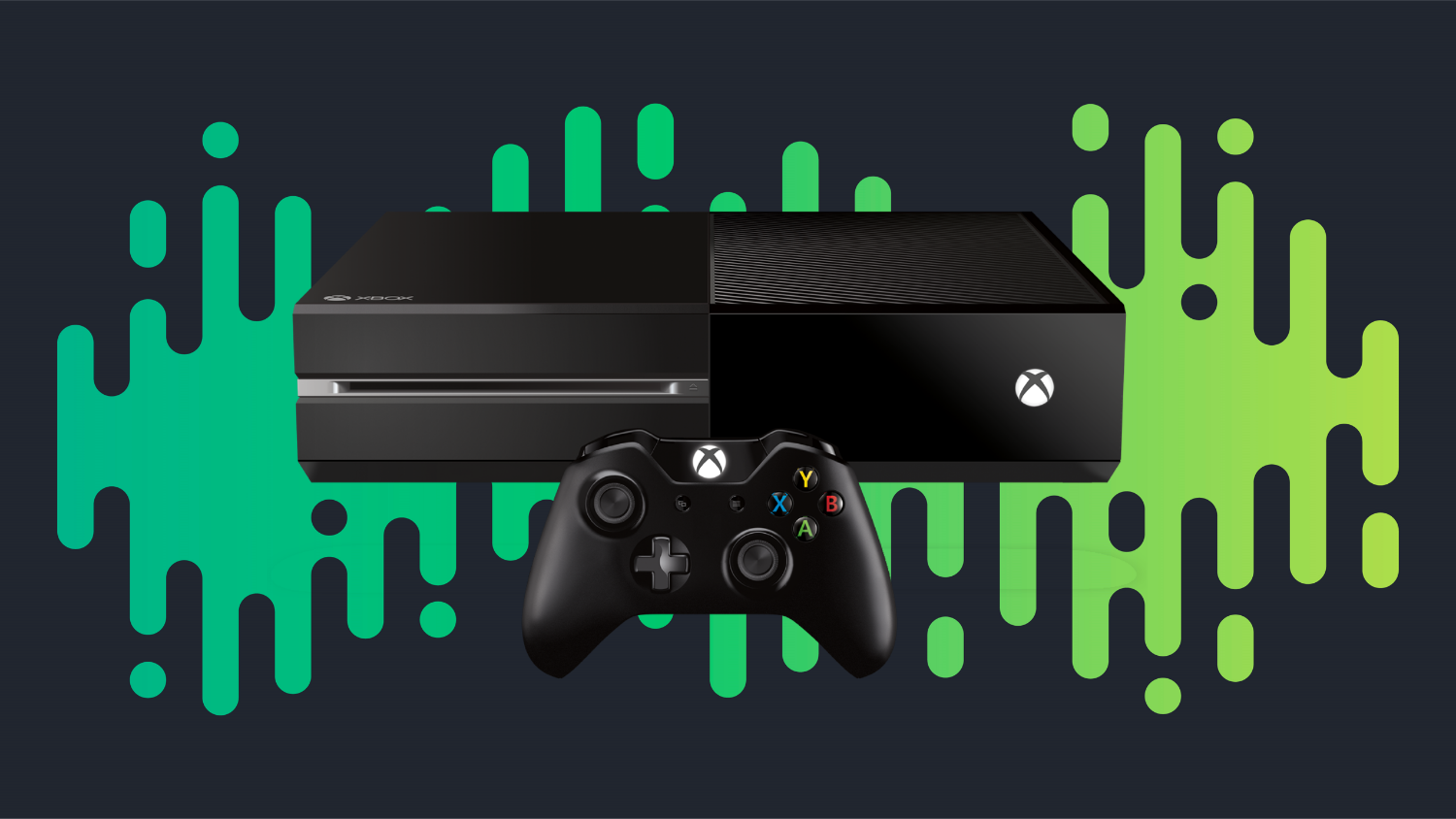
TL;DR:011-letting serialized discs be traded for digital copies, recycling digital games, and gifting shares-plans that predated the Xbox One, were premature for consumers, but later influenced disc-to-digital programs and Xbox’s all-digital transition.
Voice: DefaultSpeed
0:00 / 2:34
Use left and right arrow keys to seek audio
d with innovative digital game library concepts as early as 2011, years before the Xbox One’s release
In an ironic twist, gamers now seem ready to accept Xbox One’s original vision. The system that tanked Microsoft’s gaming presence may end up buttressing Xbox as the industry moves into an all-digital future. After all, the disc-to-digital program is only possible thanks to decisions made in the Xbox One era.
New info has surfaced that reveals more of the strategic experiments that Microsoft was conducting. As early as 2011, Microsoft is said to have outlined plans for the digital-oriented future, and that the platform’s serialized discs–required for modern disc-to-digital–were to be traded in to retailers for digital versions of games. Other concepts of so-called “true digital ownership” include things like being able to recycle digital games, as well as share them with friends.
- Read more: Xbox to convert discs to digital games for Project Helix, new reports indicate
- Read more: Xbox reveals disc-to-digital program, confirms discs still work after digital copy is unlocked
- Read more: Xbox is testing a disc-to-digital feature that solves the problem with the next Xbox
While these plans seem forward-thinking and ambitious, gamers simply weren’t ready to go all-digital just yet. It took over a decade before digital started to mature and significantly overlap physical; however it’s not like the Big 3 platform-holders didn’t lead consumers along the way the entire time.
The combination of convenience of access and direct discounts helped digital overtake physical. However, gamers were indeed dissuaded from physical with other tactics like making physical releases much more unattractive by removing extra bonus physical objects like maps and manuals, and the fact that physical games are not always complete-on-disc any more.
Back then, the industry at large wasn’t ready for the digital future, and gamers didn’t want an always-online console (they still don’t). No, the Xbox One was a trial by fire moment for the digital future, one that ended up nearly immolating the entire Xbox business. Both Sony and Nintendo saw what not to do, and so did Microsoft for that matter.
How would Microsoft’s planned digital game recycling have worked in practice?
How was the serialized-disc system supposed to support disc-to-digital on Xbox One?
The serialized discs were meant to be exchanged at retailers for digital versions of the games. In other words, the disc itself would act as the key for converting a physical copy into a digital entitlement.
Question #3
Did Microsoft ever officially explain why the 2011 digital ownership plans were shelved?
How does today’s Xbox disc-to-digital program differ from the earlier concepts described here?
Have a question that isn’t listed here? Ask below, and TweakBot will answer it.
Now games preservation and things like the disc-to-digital program have become value-oriented hallmarks that define the core Xbox experience, and it was all borne out of the Xbox One’s ill-fated plans.
