

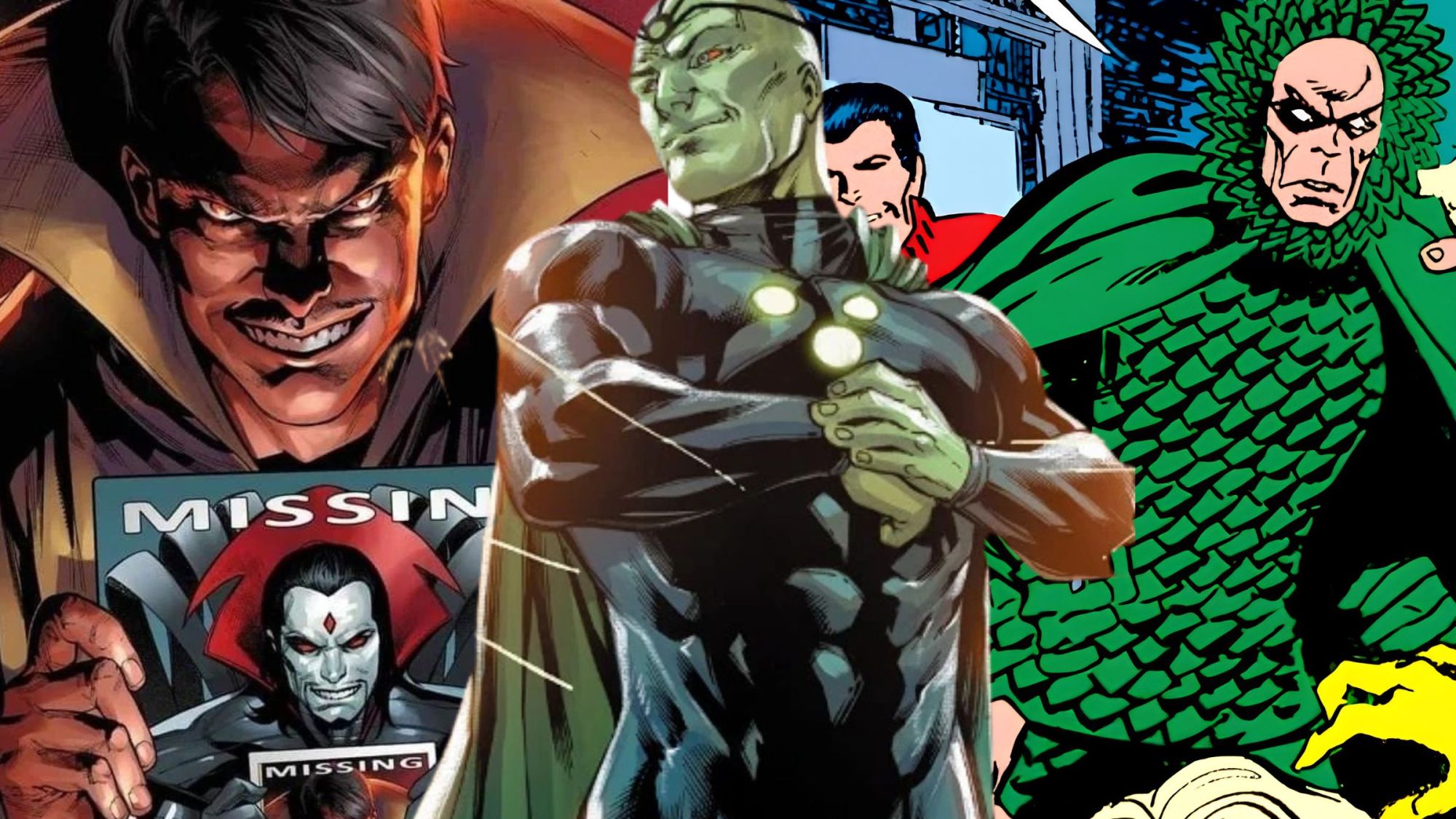
The 1960s were when Marvel Comics began publishing its superhero comics, and some of its early breakout heroes were the mutants known as the X-Men. During this decade, some of the X-Men’s most notable villains debuted, with names like Magneto, the Brotherhood of Evil Mutants, the Juggernaut, the Blob, and the Sentinels making their debut. However, while these villains became household names and recurred with the X-Men in comics, animation, and movies for years to come, there were other villains who showed up in the 1960s that were not as popular, and who not enough people talk about. These villains, while not A-listers, still did damage to the X-Men in the decade.
Videos by ComicBook.com
While the X-Men struggled commercially in the 1960s, there were still some interesting villains who arrived in that decade that helped shape who these mutant heroes became
5) Mesmero
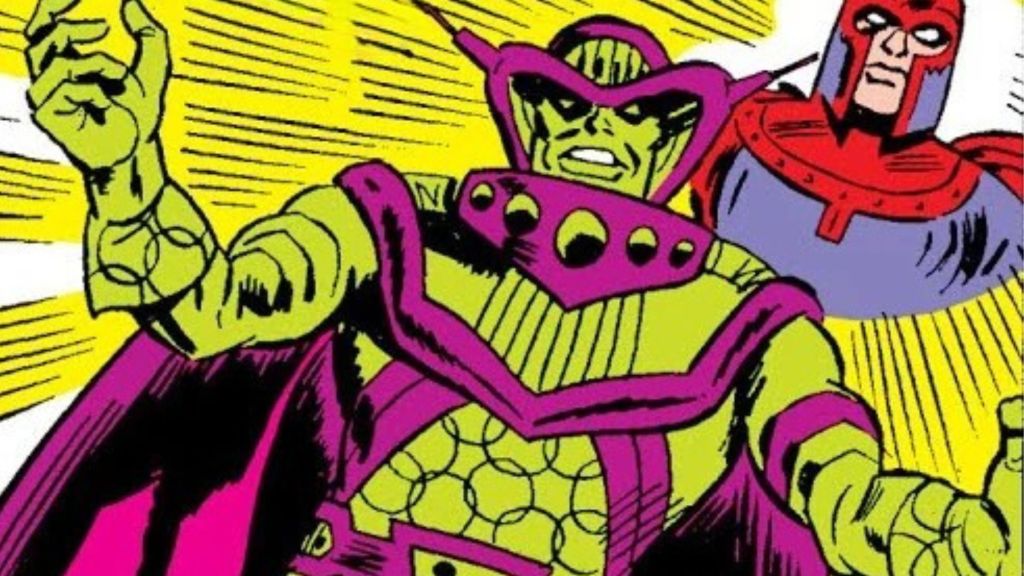
Mesmero debuted in The X-Men #49 (1968) by Arnold Drake, Werner Roth, and Don Heck. His debut issue also featured the first appearance of Polaris (Lorna Dane), making this an interesting one-two punch, but also a big reason his debut wasn’t as important as it could have been. He is a mutant with hyper-hypnotic powers. This means he can control minds, implant post-hypnotic suggestions, and amplify latent mutant abilities in others using a device he called a “psyche-generator.” That is a machine that could detect and awaken dormant mutant powers worldwide and compel affected individuals to travel to him as slaves.
His debut saw him working for someone pretending to be Magneto, and when he triggered his device to enslave mutants, one of them was Polaris. The X-Men stopped him, but he then became a recurring villain throughout the rest of the 1960s and into the 1970s. He remains an important part of X-Men history because if he hadn’t triggered Polaris’s powers when he did, she might never have met and joined the X-Men. Mesmero was also one of the better new characters introduced after Jack Kirby left the title.
4) Sauron
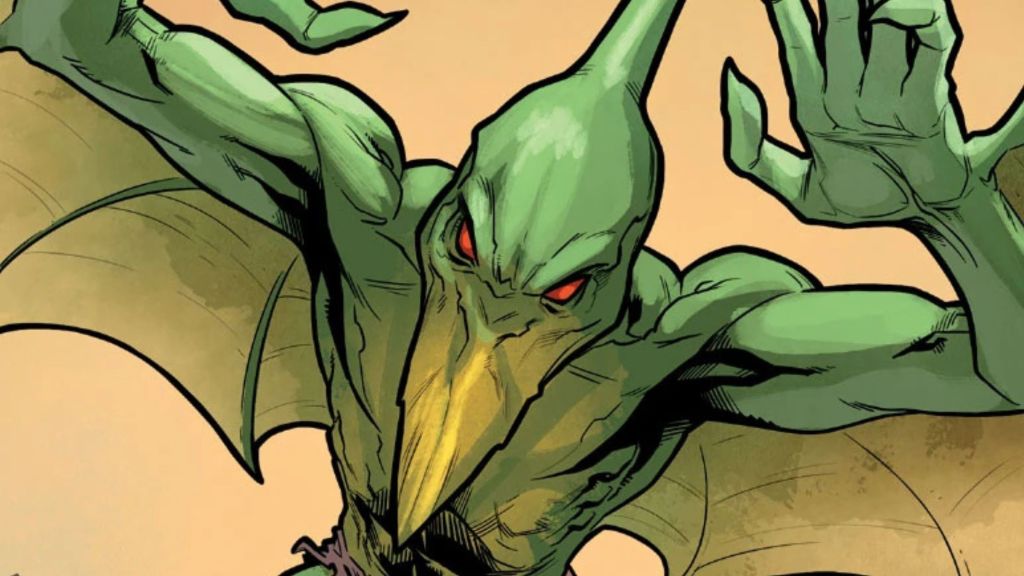
Sauron debuted in The X-Men #59 (1969) and made his full appearance as Sauron in X-Men #60 (1969) by Roy Thomas and Neal Adams. He was Dr. Karl Lykos, a physician who was bitten by mutant Pteranodons as a child, transforming him into an energy vampire capable of draining life force through physical contact. When he absorbs mutant life energy specifically, he transforms into a humanoid Pteranodon that can fly, has enhanced strength, and utilizes hypnotic eye beams
Thomas and Adams originally designed Sauron as a bat-bodied energy vampire, but the Comics Code Authority didn’t allow vampires of any sort, so they changed it to a pterodactyl, but kept the powers unchanged. His dinosaur design helped place him in the Savage Land, which helped introduce Ka-Zar into X-Men comics. This means Sauron is extremely important as the Savage Land has become one of Marvel’s most iconic locations, and it all started with him
3) Unus the Untouchable
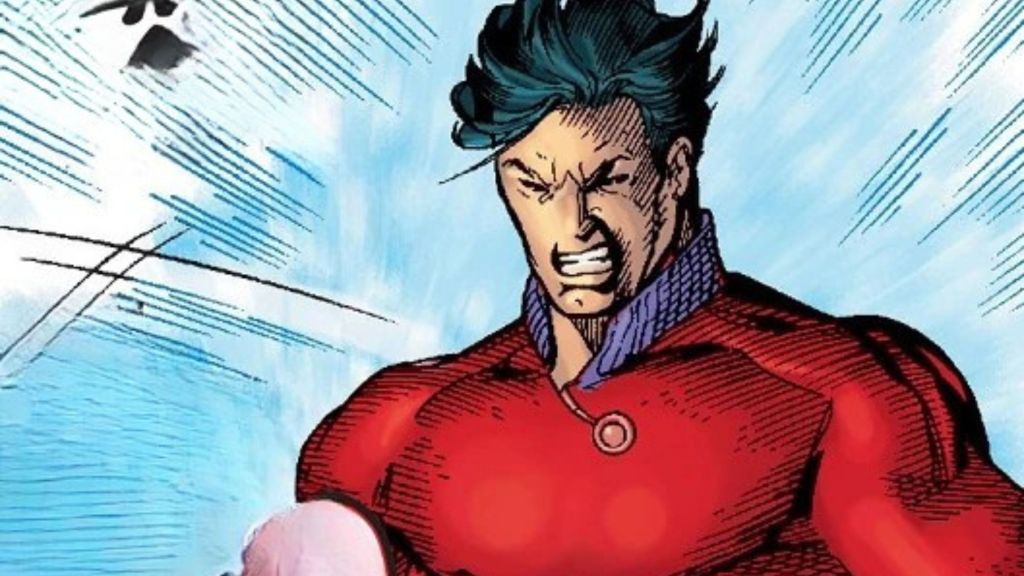
Unus the Untouchable debuted in The X-Men #8 (1964) by Stan Lee and Jack Kirby. He is Angelo Unuscione, born in Milan, Italy, who legally changed his name to Gunther Bain after arriving in the United States. When in America, he became a wrestler with mutant powers who can consciously project an invisible force field of variable strength around his body. The defensive weapon allows no one to touch him, but it has a negative attribute because it can also kill him
In his debut, he beat Beast in a professional wrestling match, and then he set out to join the Brotherhood of Evil Mutants. Beast used tech to stop him, amplifying Unus’s powers so that he couldn’t get anything into his force field, not even air, and he couldn’t eat or drink either. He surrendered to stop this. That is where he became one of the most interesting mutant villains of the 1960s, because his powers ended up coming back to kill him in the end. He died while battling the Inhumans when his powers amplified again, and he suffocated.
2) Vanisher
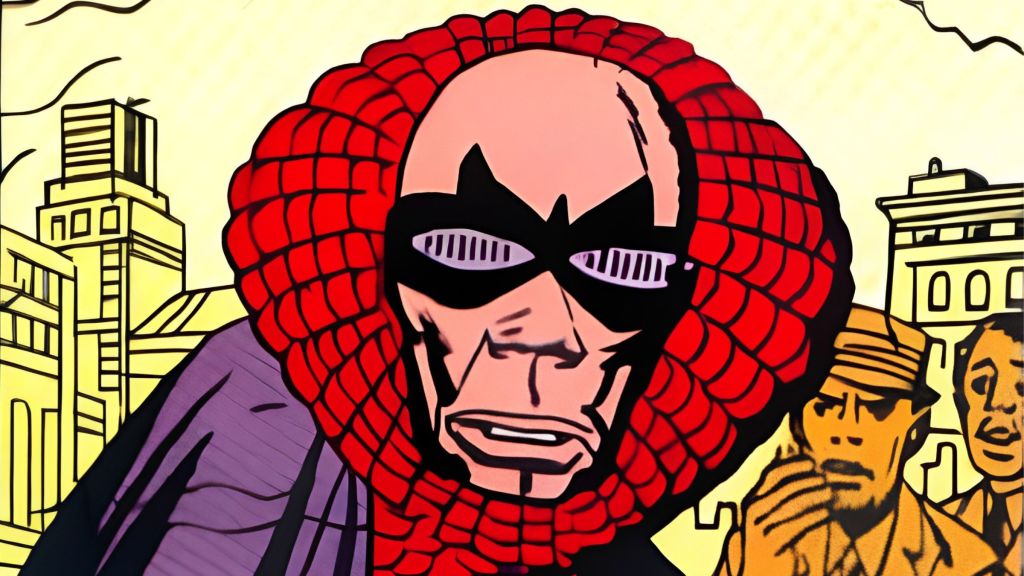
The Vanisher was the second villain that the X-Men ever faced, debuting in The X-Men #2 (1963) by Stan Lee and Jack Kirby. Only Magneto appeared before Vanisher. In his first appearance, the villain stole classified U.S. government defense plans and then showed up on the White House lawn to publicly extort the government for millions of dollars. His powers include teleportation, and over time, he built an entire criminal organization around his ability to escape the police
This was the issue in which Professor X used his powers in an immoral manner, something that eventually made fans turn on the X-Men’s leader thanks to his actions. He erased Vanisher’s memory and removed his ability to use his powers at all. This is something the comic book series fell back on to stop overpowered enemies, although it remains something frowned upon by many X-Men members. No one really talks about Vanisher despite his early appearance because he was beaten easily and was gone for several years before his return.
1) Mastermind
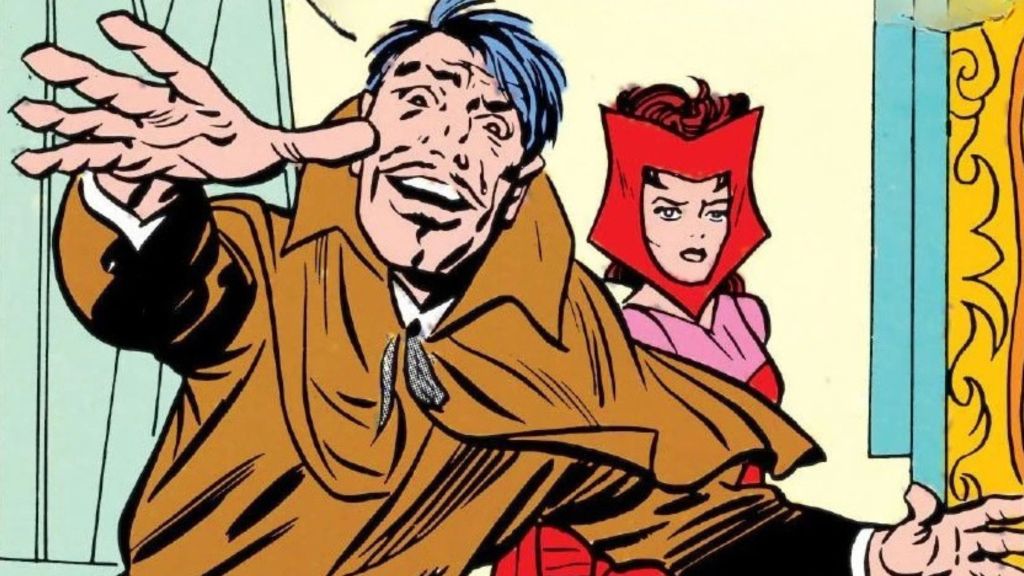
The Hellfire Club and the Brotherhood of Evil Mutants are two of the most famous villain groups in X-Men history. However, while they have several popular members, one that doesn’t get talked about enough is their Mastermind. He debuted in The X-Men #4 (1964) by Stan Lee and Jack Kirby as a founding member of the Brotherhood. His real name is Jason Wyngarde, and he has the mutant power to create hyper-realistic illusions that simultaneously affect all five senses
In the Hellfire Club, most people discuss Emma Frost and Sebastian Shaw, but Mastermind did something that should have made him a legendary X-Men villain. He was the one who cast the illusion that exposed Jean Grey to the full power of the Phoenix Force without her psychological protections in place. It was Mastermind who caused her to fly into space and commit genocide by destroying a star, which led to her death in “The Dark Phoenix Saga.” However, despite this terrifying action, no one mentions Mastermind when talking about the Brotherhood or Hellfire Club today.
Who were your favorite X-Men villains of the 1960s? Leave a comment below and join the conversation now in the ComicBook Forum!
