

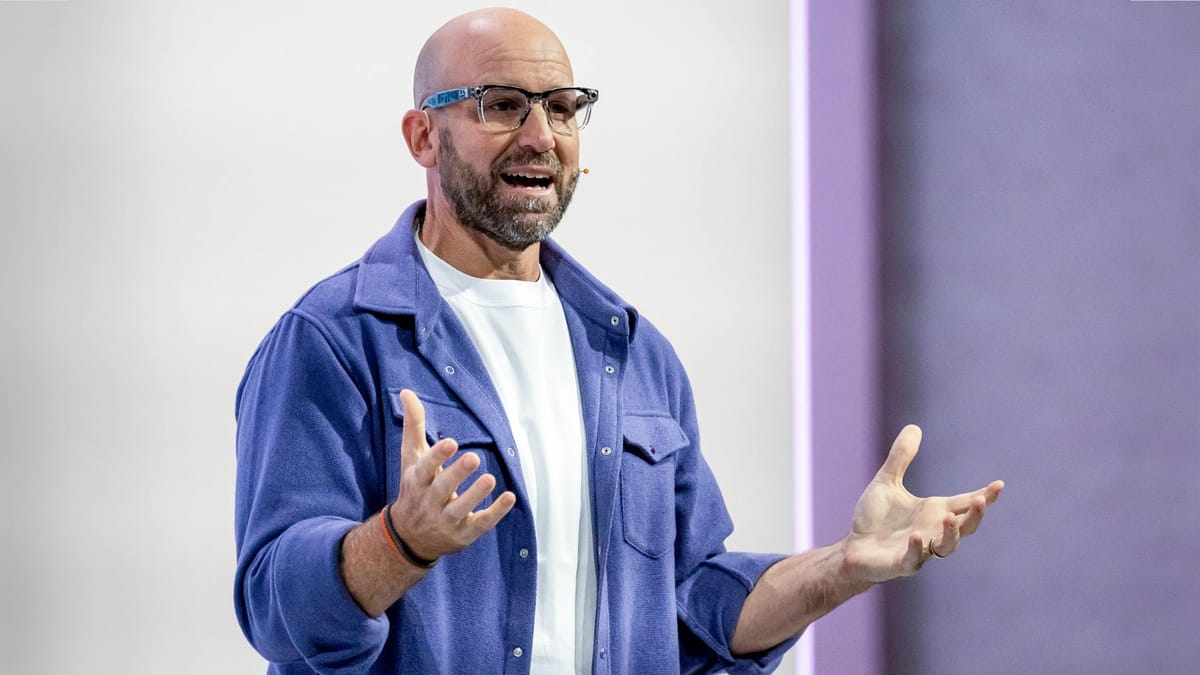
Meta’s chief technology officer responded to speculation that VR is “dead” within the company.
After news outlets including Bloomberg, the New York Times, the Wall Street Journal, and Business Insider suggested that Meta was “considering” cutting its Metaverse team by “up to 30%,” Meta issued a public statement confirming that it would “move a portion of our investments from Metaverse into AI glasses and wearables.”
“Within our overall Reality Labs portfolio, we are moving some of our investments from Metaverse to AI glasses and wearables given the momentum,” the official statement reads. “We don’t plan any broader changes than that.”
Meta confirms that it will “shift some of its funds from the Metaverse to AI Glasses”
Following reports that some of Reality Labs’ budgets will be cut by up to 30%, Meta has officially confirmed that it will “shift some of its investments from Metaverse to AI glasses and wearables.”
In response, Meta’s CTO Andrew Bosworth was asked in an “ask-me-anything” session on his Instagram page, “Is VR dead for Meta? Looks like we’ve moved on to glasses and AI?”
Mr Bosworth replied:
Sometimes there are stories that people can’t help but write. I’ll teach you how to know that.
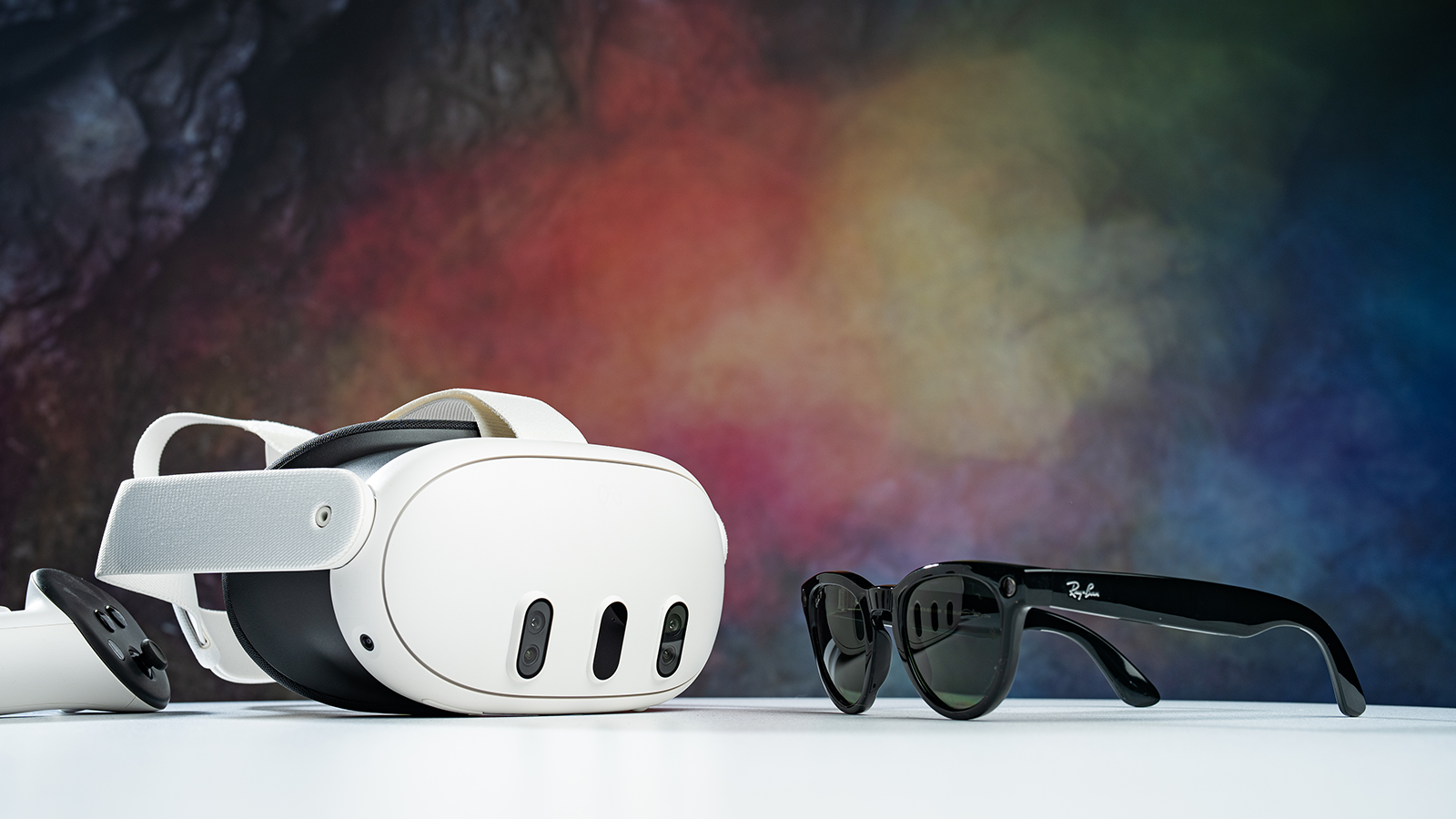
First of all, the answer is “no”. VR isn’t dead. We’re also investing heavily in glasses and AI, and that’s the secret.
The way you know if you have a convenient narrative is if it seems zero-sum. Meta is a big company. We can invest in many things. We can invest in VR, glasses, and AI. By the way, we’ve been investing for years.
Every year we go through a budget process where we ask all of our teams, “Can we do the same work more efficiently?” We have better tools, AI, different things. I’m trying to get it to the right size. How big is the market? How fast is it growing? Is it what we expected? If it’s slower than expected, make sure you have a low burn rate. If it’s faster than you expected, double your effort and make sure you take advantage of it without giving it up to others. We’re doing it smartly, but it’s normal.
While Bosworth’s response does not contradict Meta’s official confirmation that it will move some of its investments from the Metaverse to “AI glasses and wearables,” it appears to be backtracking on the 30% spend reduction framework that would mean the company would no longer invest in VR at all, suggesting the company could work on VR, glasses, and AI at the same time.
Meta CTO: 2025 will decide if AR/VR bet is visionary or a “legendary misfortune”
In a leaked memo, Meta’s CTO told staff that it will be 2025 before the company’s hardware and Metaverse divisions are determined to be “the work of a visionary or a legendary misfortune.”
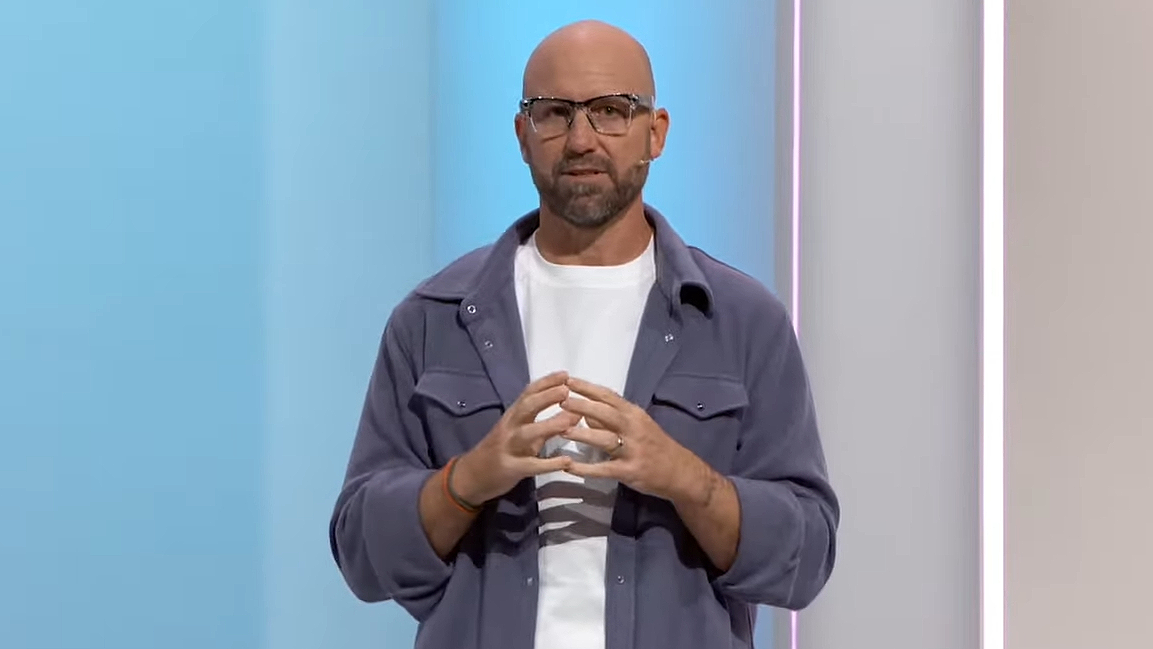
Meta’s funding shift from Horizon Worlds and VR to smart glasses comes just over a year after Bosworth’s leaked memo told Reality Labs staff that in 2025 their project would decide whether it was “the work of a visionary or a legendary misfortune.”
In his memo, Bosworth called 2025 “the most important year in eight years at Reality Labs” and told staff “we need to drive sales, retention and engagement across the board, but especially in mixed reality.” At the time, Meta also used MR to refer to VR, but this designation was discontinued earlier this year.
“And for our long-term plans to have any chance, Horizon World on mobile absolutely has to break through,” Bosworth added.
Since then, Reality Labs posted its highest quarterly revenue ever in Q4 2024 with the launch of the Quest 3S, which became Amazon US’s best-selling game console for Christmas. However, this momentum did not quite continue until 2025.
The first two quarters of 2025 saw Quest sales decline year-over-year, making it clear that while the Quest 3S is a popular stocking stuffer, it simply isn’t a year-round success. Although there was a recovery in the third quarter, this was due to retailers stocking up on Quest 3S for this year’s holiday season, Mehta said.
Meanwhile, Meta wants to expand its platform from the social VR space into a cross-platform Roblox and Fortnite competitor, and continues to push its Horizon Worlds “Metaverse” platform with a multi-million dollar creator competition, with a particular focus on smartphone-only worlds. However, this doesn’t seem to have gotten much attention.
Ray-Ban’s meta sales have more than tripled so far this year
So far this year, sales of Ray-Ban Meta glasses have more than tripled and grown more than 200% compared to the same period last year.
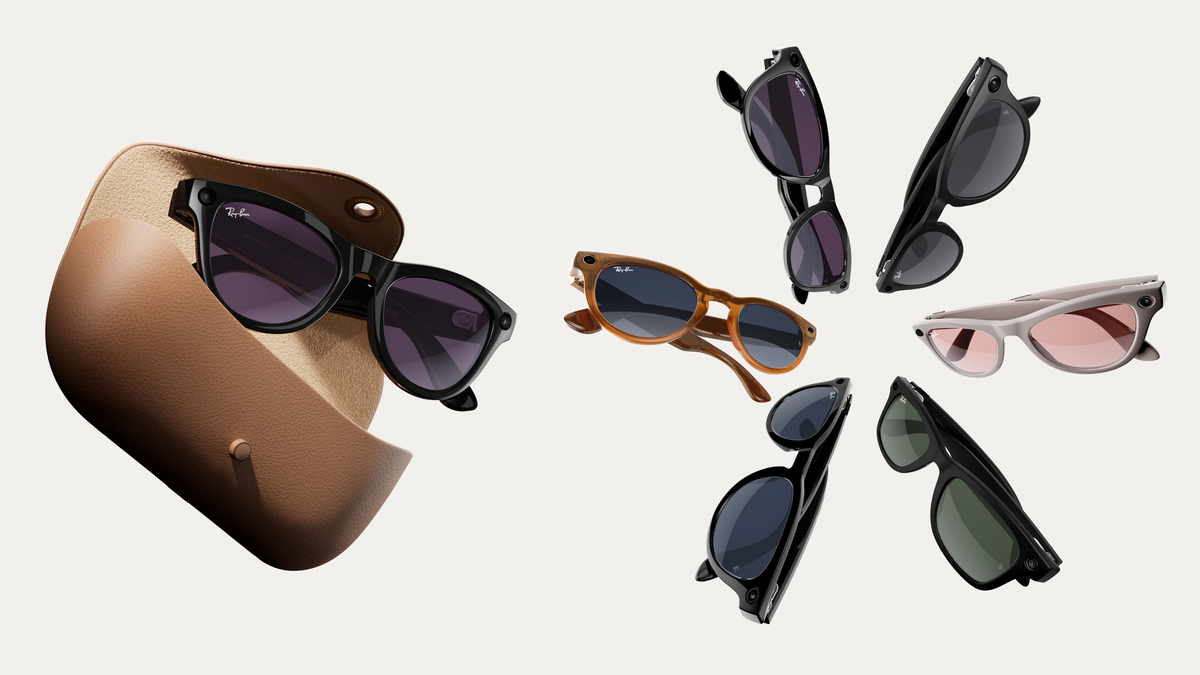
The relative stagnation of Quest and Horizon Worlds efforts comes as the company’s sales have soared and there has been significant public and investor interest in smart glasses.
Back in February, Meta partner EssilorLuxottica said in its 2024 Q4 earnings call that it had sold 2 million Ray-Ban Meta glasses, and in July’s 2025 Q2 earnings call, it said sales had more than tripled from last year and were “extremely strong.”
The company said in its Q2 2025 conference call in July that the glasses are doing “very well” in the market, with sales more than tripling compared to 2024.
Meta postpones ultralight headset, begins development on gaming-focused Quest 4
Meta has postponed the launch of its ultralight headset with tether pack to the first half of 2027, and is separately starting work on the gaming-focused Quest 4, a leaked memo reveals.
However, this doesn’t mean Meta isn’t working on new headsets. A leaked memo reveals that the company plans to launch its rumored ultra-light headset with a tethered computing pack in the first half of 2027, and recently began work on the gaming-focused Quest 4, which will be a “major upgrade” over the Quest 3, albeit at a higher price point.
