

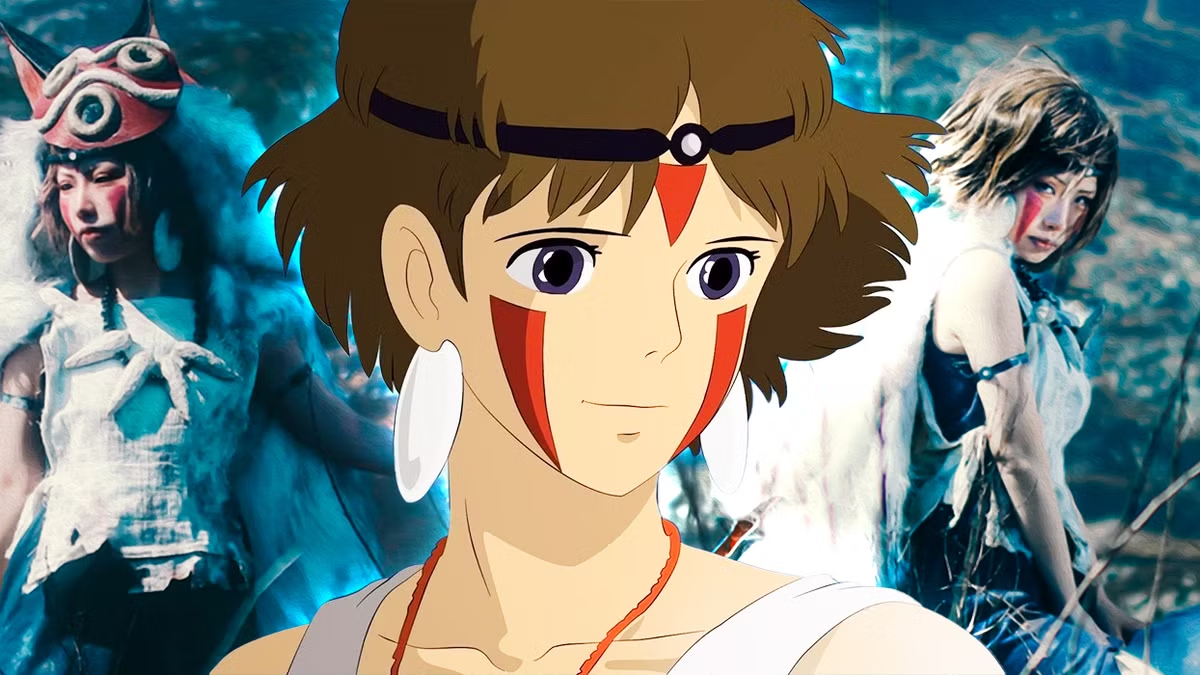
Every year on August 11, Japan commemorates Mountain Day. This day is a holiday established to spread appreciation for Japan’s mountain ranges and the natural resources and beauty they provide. This month, a particularly dedicated Studio Ghibli cosplay artist evoked the spirit of Mountain Day with a breathtaking tribute to the iconic fantasy film Princess Mononoke.
Inside Games, a popular Japanese site specializing in anime and games, recently put together a group of cosplayers that feature distinct “mountain-themed photos or photos that feature mountains as a setting” in celebration of the Japanese holiday. Via X (formerly Twitter), the editors highlighted the stunning portrait of @beruka225, a user who frequently showcases high-quality anime and game cosplay. Recent posts depict them as San, the iconic heroine who fights alongside the central protagonist Ashitaka. Next to her is a watercolor painting of Moro, the powerful wolf god who raises San after he is abandoned by his human parents, against a mountainous backdrop similar to the film’s natural environment. @beruka225’s original post is no longer available, but CBR readers can check out their cosplay below.

related
“Look Back” anime will be theatrically released in the United States by Studio Ghibli’s distribution company
The critically acclaimed animated film Look Back, based on the manga by Chainsaw Man creator Tatsuki Fujimoto, will soon be released in North American theaters.
Breathtaking new Studio Ghibli cosplay plays San from Princess Mononoke
Like many of Ghibli’s works, Princess Mononoke is loaded with environmental themes. The story is set in the Muromachi period of Japan (1336-1573 AD), a land where animal gods and demons roam freely. One day, a ferocious monster attacks a peaceful village. Their prince, a boy named Ashitaka, defeats the monster, but ends up being infected with the same curse of hatred that inherited the monster, which was originally a boar god. The village shaman, concerned for Ashitaka’s life, advises him to leave the village and look for a cure.
Most of the action in Princess Mononoke takes place in the middle of a mountainous region covered in vast ancient forests. In the middle of this territory is an industrial settlement called Irontown, which angers the forest gods by cutting down trees and desecrating the natural terrain with continuous mining. Enraged by this, Sun leads repeated attacks on the people of Irontown and their leader, Lady Eboshi. After forming a close bond with San, Ashitaka becomes a mediator seeking a peaceful solution between the two sides. Released in 1997, Princess Mononoke became the highest-grossing theatrical release in Japan that year, with ticket sales nationwide exceeding 19 billion yen (US$160 million).

related
Studio Ghibli’s moving cat bus toy carrying Totoro passengers returns for the first time in two years
The iconic cat bus from My Neighbor Totoro has returned to Studio Ghibli’s online shop as an adorable toy that “runs around” with Totoro.
Princess Mononoke’s strong environmental theme coincides with Japan’s Mountain Day
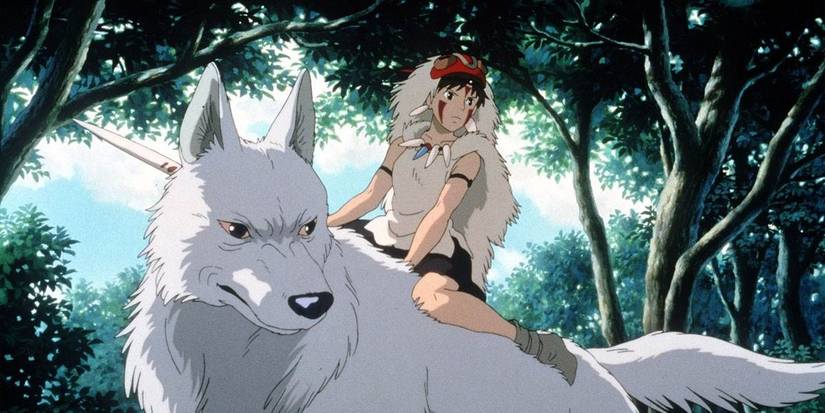
Studio Ghibli Princess Mononoke
Princess Mononoke’s poignant and subtle message aligns well with the purpose of Mountain Day, which aims to increase environmental awareness and advocacy overall. Although Mononoke was overtaken financially by its immediate successor, Spirited Away (2001), it remains a common fan favorite among Ghibli aficionados. Last month, the film was re-released in the United States for a special limited time as part of Ghibli Fest 2024, a year-long screening of Ghibli’s most popular animated works. By the end of August, Ghibli fans will also have the chance to see The Neko no Ongaeshi (2002) and Whisper of the Heart (1995) in select theaters across the United States.
For viewers in the U.S. and Japan, Studio Ghibli’s movie library will be streamed exclusively on Max. This does not include Grave of the Fireflies, which is scheduled to begin streaming on Netflix for viewers around the world on September 16, 2024. Netflix also makes other Ghibli films available to viewers in Canada, Europe, Africa, Latin America, Australia, and New Zealand.
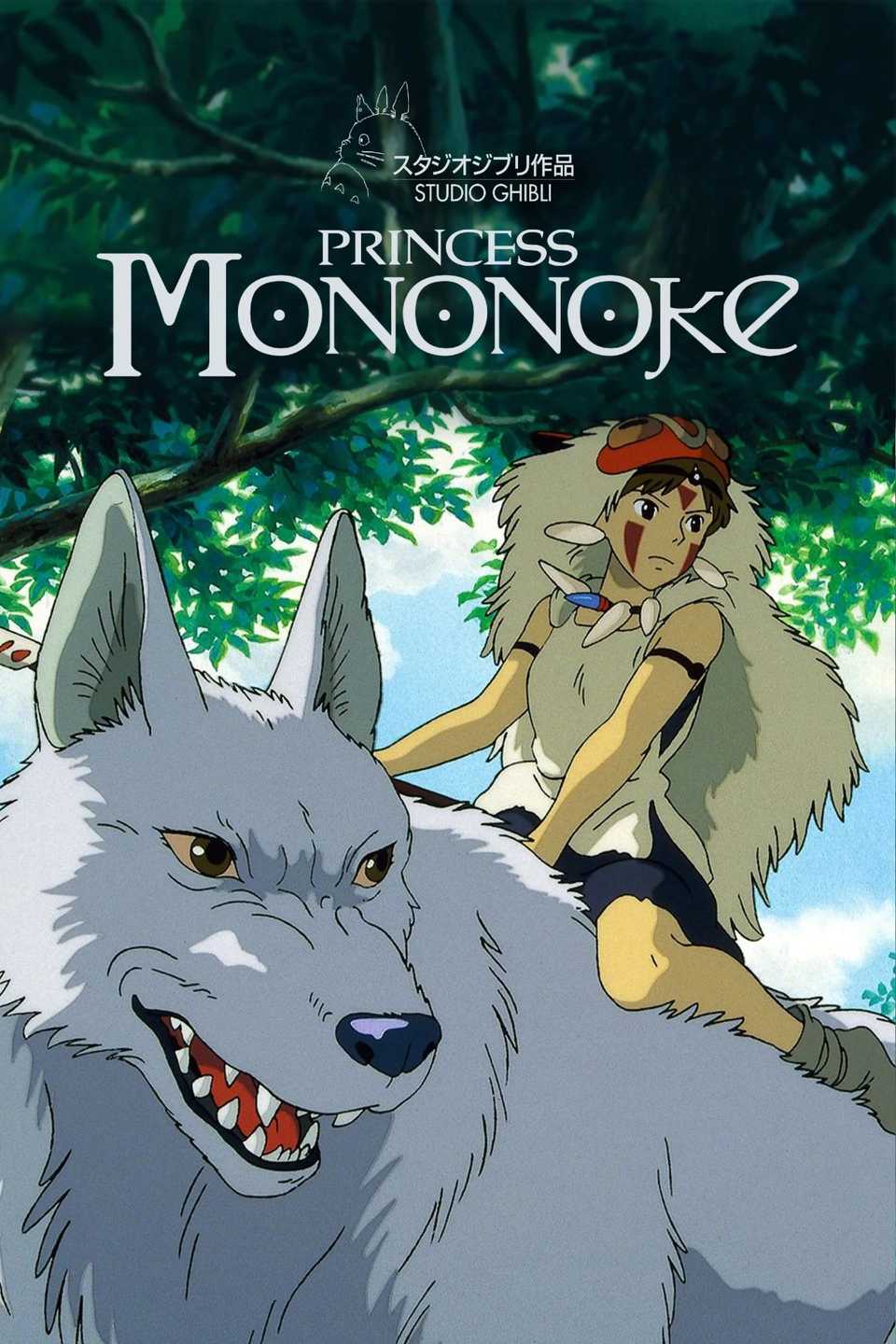
Release date: July 12, 1997
Running time 133 minutes

Source: Inside Game
