

I get a lot of suggestions for articles and this is one of them. A few months ago someone suggested I do a piece laying out exactly how and why entertainment journalism has gotten so bad. It’s a question I didn’t even know the answer to 100% until I started looking into it. But like I’ve said with the rise of influencers supplanting journalists, it’s a multi-pronged issue that has a variety of players who did their part in making things how they are
With magazines like Self and Allure shuttering, and layoffs at a variety of different culture sites (the latest being GameSpot), being a journalist in any type of cultural field is one filled with financial instability. So, in the interest of spreading the word about why things have gotten so bad it’s worth diving into who’s to blame (or at least point a finger at) in how entertainment journalism has devolved and what, if anything, can be done to fix it
In the Beginning, There Was Ads
It’s remarkable to think how much news and journalism exploded after the rise of the internet. Before, there were only a few markets for people to get the news (either newspapers/magazines and television). US magazine circulation was a whopping 363 million copies in the early-1990s and a whopping nine out of ten people read a daily newspaper between the 1970s and 1980s. That meant there were even fewer opportunities to be a journalist. Usually, one had to work in a major city, rack up bylines at smaller outlets and pitch their way into the big leagues. It was a small, insular community that was able to make a global impact.
What kept newspapers and magazines afloat? Ad revenue. At its peak, in 2000, U.S. newspapers brought in around $63.5 billion in annual advertising revenue, making up 70% to 80% of a newspaper’s total revenue. Magazines, by 2007, were making nearly $50 billion in ad revenue, the majority of which came through physical print ads. So with ads keeping the industry afloat, journalists were able to write what they wanted and keep a steady paycheck
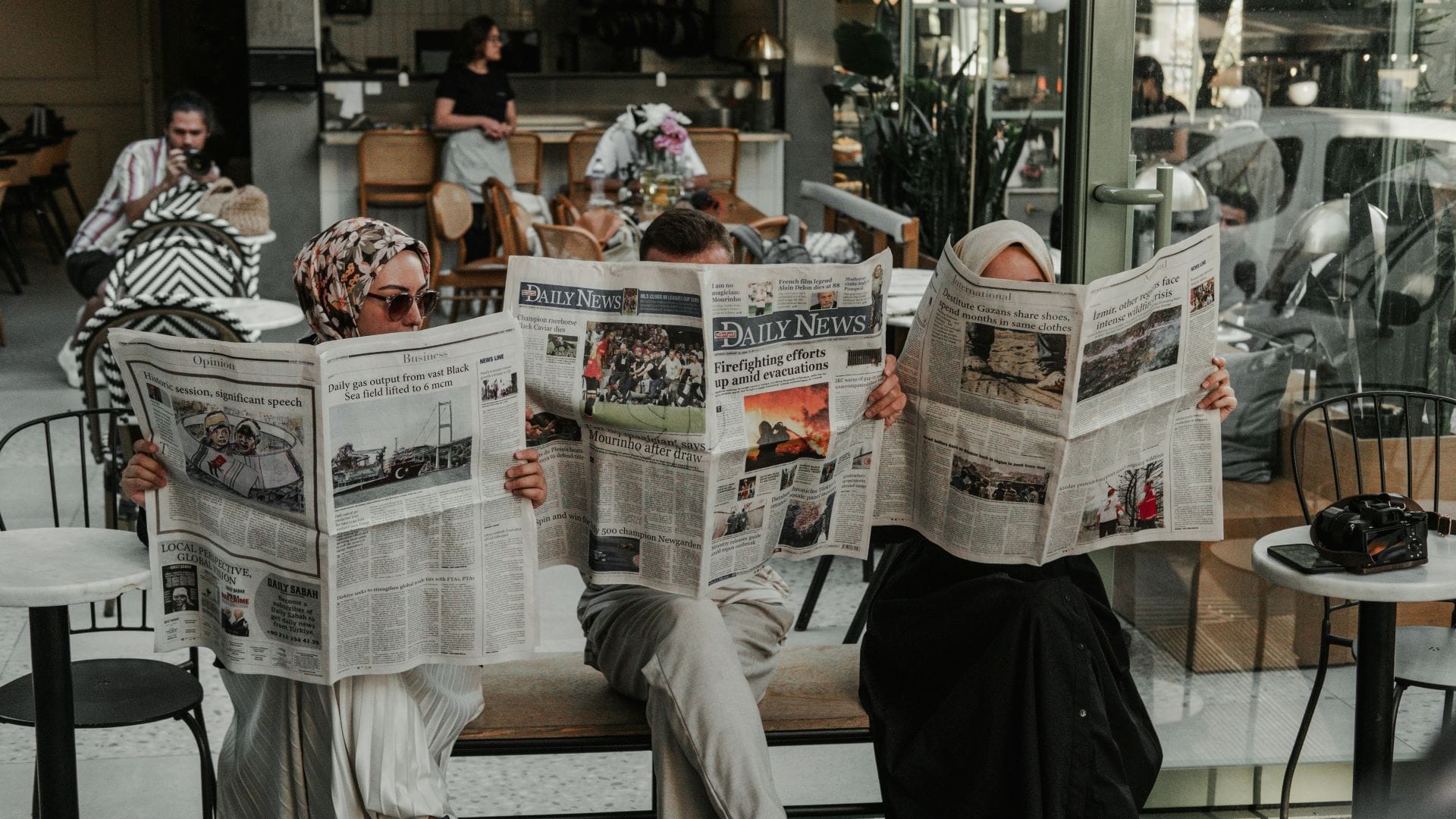
The containment of journalism around this time also meant “news [was] non-excludable, meaning that once the news is reported anyone can use it” and “while it [was] expensive to pay reporters to gather information, the costs of actually distributing this information [was] the same regardless of how much information is actually produced.” This meant that newspapers and magazines, being the predominant forms of news, could be an authority and have a global impact with a small amount of effort. On top of that, things like classified ads were vital to a newspaper’s longevity, giving people the opportunity to promote opportunities and enticing subscribers with the possibility of finding jobs.
The internet changed all that, making information more diffuse. Anyone could report (or say) anything on line and it would transmit around the globe in an instant. Newspapers and magazines were no longer the big game in town with the proliferation of independent news sites popping up. On top of that, sites specifically aimed at what classifieds were doing (Craigslist, for example) meant readers didn’t need a subscription to a local newspaper to find jobs, used furniture, or a date. And since there were more opportunities for ad companies to hawk their wares, it was no longer enough to focus just on print media. Now, it was pivoting to social media and, yes, our old friend: the influencer.
Paywalls: Friend or Foe?
You might remember how, back in the day, you’d put in some money into a newspaper dispenser and get your paper. Even if you didn’t have a subscription a newspaper still got your $0.50 that you’d insert into the machine. Same with a magazine. You might not subscribe, but you could easily pick one up (and pay for it) at a supermarket or newsstand. Either way, the publisher still got money from every potential reader. Say it with me now: the internet destroyed all that!
With ad bugets for “U.S. magazine ad revenues falling from $10 billion in 2017 to $4.3 billion in 2025,” publishers decided to diversify and moved into the digital space. The problem was news and items that would appear in classifieds were now being given away for free. News became something that, to the average consumer, didn’t need to be paid for at all. And thus newspapers and magazines started to put paywalls on their websites, in the hopes of scraping back the people no longer giving their $0.50 or $2.50 at a grocery store for a paper or magazine. Readers had always been important to the industry, but now publishers were asking them to single-handedly keep the industry afloat.
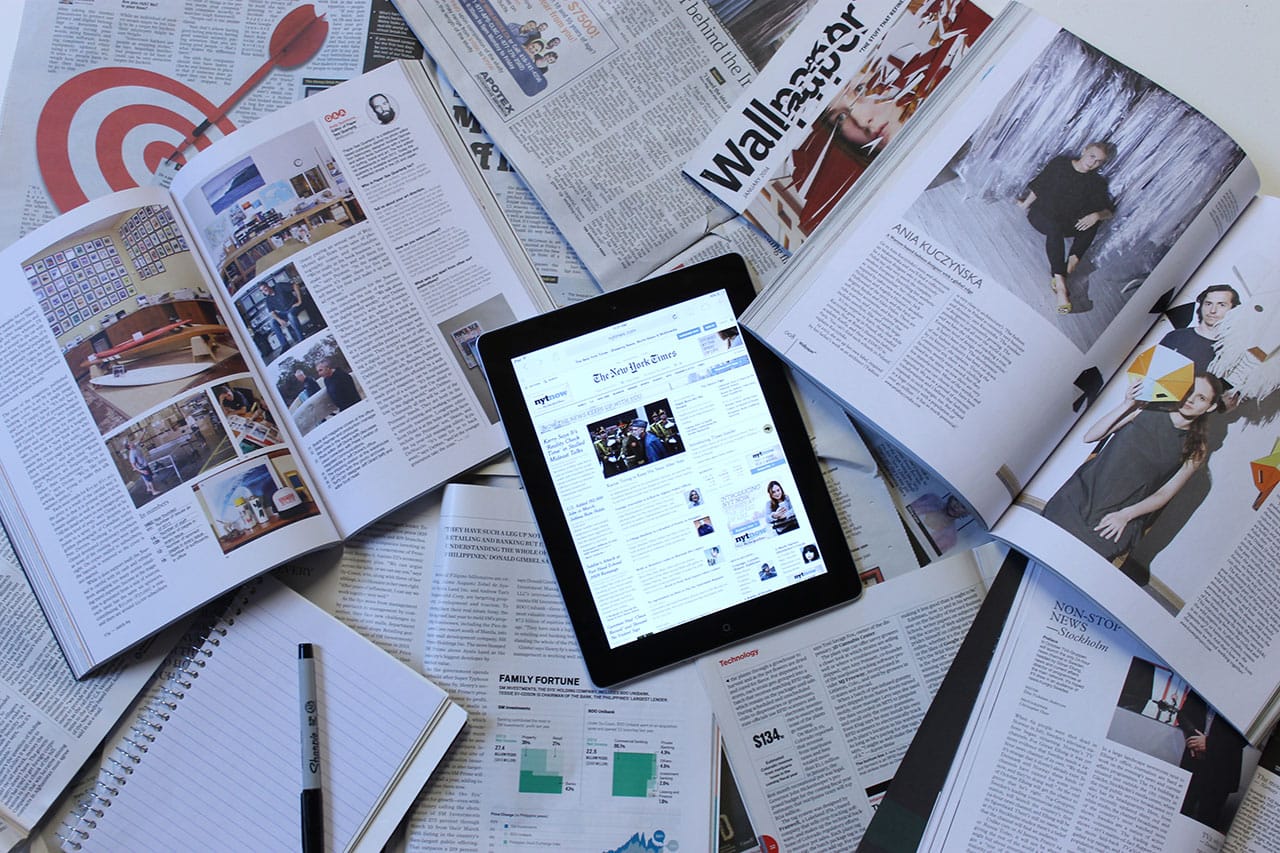
The problem, people decided if it wasn’t free it wasn’t worth buying. It’s said that 83% of adults in the U.S. haven’t paid for news in over a year, and only 1% of people pay when they hit a paywall. This isn’t just because they believe the information will be reported elsewhere, but because most – per a Reuters Institute survey – don’t see it as valuable. This is even worse specifically for entertainment journalists whose reporting on Hollywood issues can be seen as too fluffy/easy or niche.
Is There Any Hope?
Ad revenue continues to change, as does consumer sentiment. Now, ad companies are using AI and online algorithms to find consumers, leading to a $300 billion dollar industry. There’s clearly money to be made. But said money is often passing through the hands of influencer marketing. Companies are finding people are more drawn to “authentic” people hawking products, albeit it’s being debated whether consumers are starting to tire on this trend
But with a newfound desire for analog experiences, particularly through Gen Z, we’re seeing something new: the return of magazines. The specialized independent magazine market has seen a real resurgence of late, with people gravitating towards zines catering to specific interests like sports and classic film. While these aren’t daily news magazines, they are presenting information and history as a premium product
Currently, there are a lot of journalists out of work as the result of the mass layoffs throughout the industry. But if there is any silver lining to be found it’s through the amount of journalists who have crafted their own worker-based media companies (Aftermath is a great example) or are doing their own reporting…like the newsletter you’re reading right now! The onus is still on readers to support, but like the return of magazines readers are now able to actively connect with the writers who resonate with them and have a vital impact on their success. My hope is that one day all the indie journalists will band together (strength in numbers).
There it is, the whole messy tale! Drop in the comments any avenues I didn’t explore and let me know how you’re supporting journalism in this day and age
